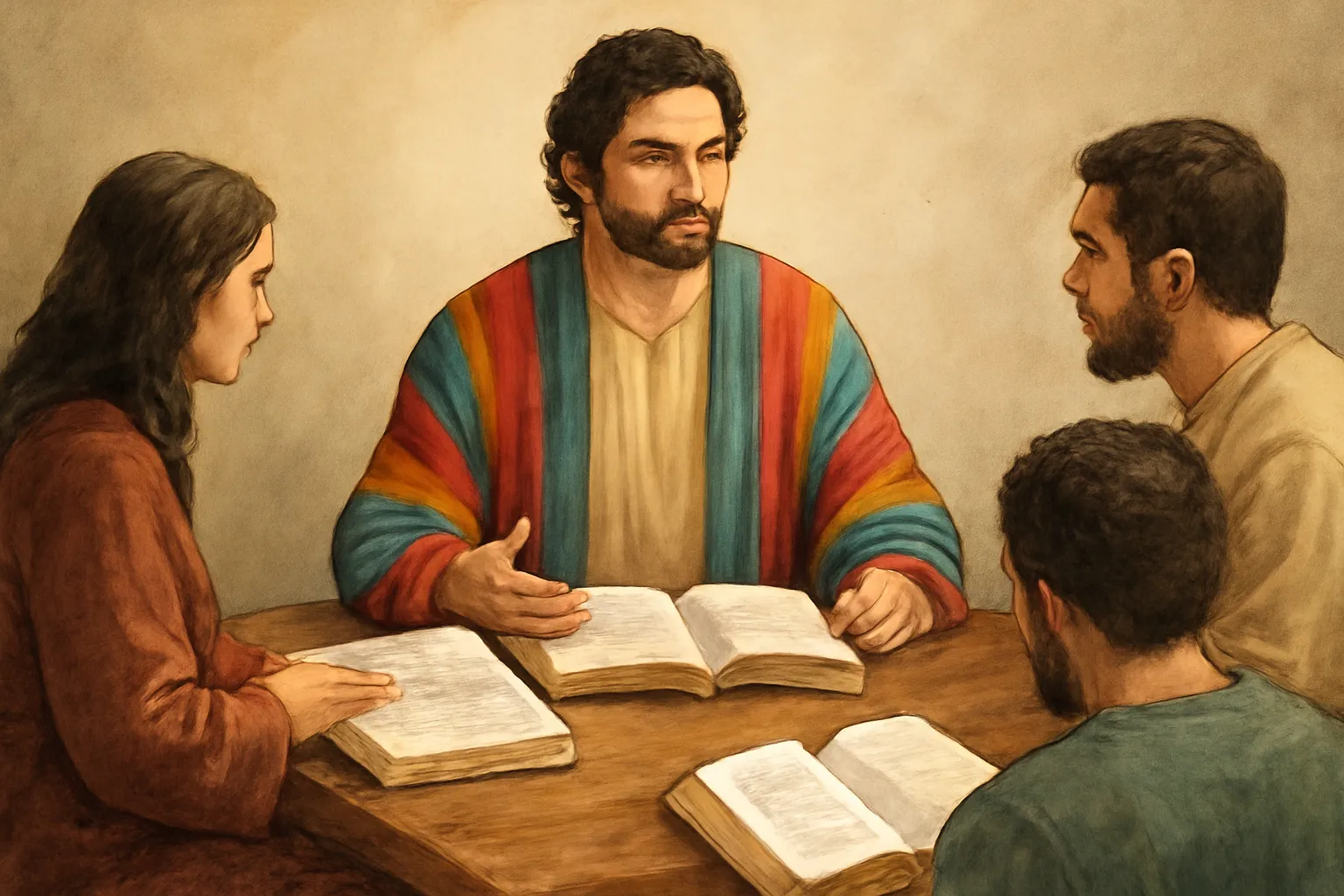
Bible Studies on Joseph: A Comprehensive Guide to His Life, Faith, and Lessons
Joseph is one of the most compelling figures in biblical narrative, offering readers a rich tapestry of trials, triumphs, and timeless lessons. This article gathers bible studies on Joseph from Scripture and from scholarly and devotional traditions to provide a structured, in-depth exploration suitable for personal reflection, small groups, or classroom settings. Whether you are looking for a bible study on Joseph focused on character formation, a literary analysis of the Joseph story, or a devotional guide for daily life, you will find practical insights and thoughtful questions to guide your journey.
Across generations, readers have turned to studies on the life of Joseph to understand how God’s sovereignty works in the midst of human frailty. The Joseph narrative, spanning Genesis 37–50, weaves together themes of betrayal, providence, forgiveness, leadership, and reconciliation. This guide presents Joseph study guides and bible studies on Joseph in a way that honors the text while inviting contemporary application. The aim is not merely to know what happened to Joseph but to explore what his experiences reveal about faith, character, and God’s plans for communities under pressure.
In the sections below you will encounter a mix of study modes—historical-context explorations, literary-structure analyses, devotional meditations, and practical application plans. The goal is to equip readers with a flexible toolkit for engaging with the Joseph narrative in weekly Bible study, sermon preparation, or personal growth endeavors. The thread that runs through these series of studies on Joseph is the conviction that faithfulness in difficult circumstances can illuminate God’s purposes for the world.
Key phases in the Joseph narrative: Context, conflict, and convergence
The story of Joseph unfolds in distinct, interconnected parts. Each phase offers a window into the interplay between human choices and divine guidance. Below you will find a structured bible study on Joseph that you can adapt for individual or group study, with questions for reflection and practical prompts for action.
Early life, betrayal, and exile
Family dynamics and the tensions within Jacob’s household set the stage for the brothers’ jealousy. A character study of Joseph reveals how vulnerability and virtue can interact under pressure.
Sibling rivalry and the decision to sell Joseph into slavery demonstrate how evil acts can be reframed by God’s overarching plan, a central theme in bible studies on Joseph.
The motif of dreams appears early, signaling a future role Joseph will play. This provides a basis for a dreams and revelation section in your study plan, inviting learners to consider how God communicates through dreams, providence, or ordinary circumstances.
Potiphar’s house, temptation, and integrity
Joseph’s integrity in Potiphar’s house becomes a focal point for discussing moral character under temptation. This is an ideal moment for a character study within the broader bible studies on Joseph.
The narrative highlights how accusation and misfortune can be turned into opportunities for witness and leadership, prompting discussions on perseverance and trust in God during unjust circumstances.
Prison, interpretation of dreams, and rising power
From a prison cell to the throne, Joseph’s life demonstrates the possibility of divine intervention through patience and faithfulness. This section invites learners into a study of divine providence at work in unlikely places.
The key episodes of dreams in Genesis 40–41 offer opportunities for exegetical reflection on how God uses dreams to reveal truth and to steer events toward a redemptive outcome.
Famine, reconciliation, and the preservation of a family
Joseph’s family is brought to Egypt by famine, setting up a profound moment of reconciliation and forgiveness. This phase is central to study on forgiveness and pastoral care in families and communities under stress.
The return of Jacob’s family to Canaan and the establishment of a lasting dynasty raise questions about legacy, covenant faith, and blessings to the nations.
Major themes in the Joseph story: Providence, character, and reconciliation
To guide deeper Bible studies on Joseph, it helps to name the core themes that weave through the narrative. These themes are not mere abstractions; they are practical lenses for reading Scripture, teaching, and applying Scripture to daily life.
Providence of God: The overarching sovereignty of God threads through every twist and turn of Joseph’s life. This theme invites readers to consider how God works through human choices, luck, and history to accomplish redemptive ends.
Faithfulness and integrity: Joseph’s consistent character—whether in Potiphar’s house or in prison—serves as a model of integrity that sustains trust in God when circumstances appear bleak.
Dreams and discernment: The capacity to interpret dreams is not merely a plot device; it signals God’s communicative activity and underscores the importance of wisdom, discernment, and obedience.
Forgiveness and reconciliation: The reunion with his brothers and the decision not to repay evil with evil offer a powerful case study in mercy, reconciliation, and the healing of relationships.
Leadership under pressure: Joseph’s leadership develops in adversity, illustrating how character, strategy, and relational wisdom can guide a nation through crisis.
Providential salvation of a family and a nation: The Joseph narrative connects personal survival to the preservation of the lineage through which Israel’s promises would unfold, inviting reflections on intergenerational faithfulness.
Ethics in suffering: The text invites learners to wrestle with how a righteous person can endure suffering, how God’s purposes can be larger than individual pain, and how communities respond to injustice.
In studies on bible studies on Joseph, readers often find that the intersection of personal virtue and divine arrangement yields a rich field for discussion about trust, hope, and responsible action in times of trouble. The enduring relevance of these themes makes the Joseph story a staple for classrooms, small groups, and personal devotion alike.
Approaches to Bible studies on Joseph: Methods and perspectives
There are multiple ways to approach the study of Joseph, each bringing different insights and kinds of learning. Below are several study modes that can be combined or used individually to suit your context.
Historical-context analysis: Place the Joseph narrative in its ancient Near Eastern milieu to understand social structures, kinship norms, and political realities that shaped the events and choices of characters.
Literary-structure study: Examine the narrative architecture—the motifs, parallel episodes, and chiastic patterns that illuminate how the story conveys its message.
Character-driven study: Focus on Joseph as a character study—his ethics, leadership style, and relational skills—and compare him with other biblical figures to surface distinctive virtues and limitations.
Devotional or meditational approach: Use the Joseph story as a catalyst for spiritual formation, focusing on prayer, reflection, and personal application to contemporary life.
Topical or thematic studies: Center sessions on themes such as forgiveness, providence, or leadership, drawing in cross-references from other biblical books to deepen understanding.
Pastoral and communal application: Translate the Joseph narrative into practical guidance for families, churches, or ministries facing conflict, injustice, or organizational stress.
Depending on your context, you can combine these modes into a cohesive bible study on Joseph that moves from instruction to reflection to action. For example, a five-week series might follow a trajectory from background and context to application and practice, with weekly discussion prompts and a closing exercise for group accountability.
Commentaries that treat the Joseph narrative as historical writing, theological literature, and literary art.
Study guides that provide outline summaries, discussion questions, and reflection prompts.
Devotional books offering short meditations inspired by episodes in Genesis 37–50.
Academic articles exploring topics such as dream interpretation, ancient Egyptian culture, and social ethics in the Genesis text.
Guided study plans: A practical, 8-week Joseph study
Here is a flexible plan that you can adapt for personal use, a Sunday school class, or a small group. It emphasizes progressive discovery, with weekly readings, questions, and actions designed to deepen understanding and foster community.
Week 1: Introduction and overview — Read Genesis 37 and survey the main characters, settings, and tensions. Focus questions: Who is Joseph? What motivates his brothers? What is the tone of the narrative?
Week 2: Dreams and destiny — Read Genesis 37:5–11 and Genesis 39. Explore the role of dreams as messages, and discuss how God can work through human plans that are imperfect or misguided.
Week 3: Faithfulness under pressure — Read Genesis 39 and 40:1–23. Examine Joseph’s integrity in Potiphar’s house and in the prison. Discussion: What does it mean to remain faithful in unjust circumstances?
Week 4: Wisdom and leadership — Read Genesis 41 and 42:1–28. Consider the development of Joseph’s leadership and his use of wisdom to navigate famine and governance.
Week 5: Reconciliation begins — Read Genesis 42–45. Reflect on confession, mercy, and strategic mercy in conflict between brothers. Discussion prompts: How do we respond to past wrongs when confronted with opportunity for restoration?
Week 6: Forgiveness in action — Read Genesis 45:1–15 and 50:15–21. Explore themes of mercy, fear, and the profound statement that what others intend for harm, God can turn toward good.
Week 7: Legacy and blessing — Read Genesis 46–50. Focus on the promises to Jacob and the broader covenant significance of Joseph’s life for the family and the nations.
Week 8: Reflection and application — Synthesize insights, develop personal or group commitments, and craft a closing prayer or action plan that applies Joseph’s lessons to your context (family, church, or work).
Each week may include optional discussion prompts, memory verses, and a closing exercise such as journaling or a service activity inspired by themes of reconciliation and care for the vulnerable.
In many study communities, common questions arise about the bible studies on Joseph. Here are representative Q&As that can guide group discussion and personal reflection.
What does the Genesis narrative teach about providence? Many readers see God’s sovereignty at work even when human actions seem chaotic or negative. The Joseph story demonstrates that God can bring about good through imperfect circumstances and people who act with flawed motives.
How should we understand forgiveness in the Joseph story? Joseph’s forgiveness of his brothers is not naive sentiment but a deliberate, costly choice that prioritizes healing and divine purposes over personal revenge.
What is the role of leadership in this text? Joseph models practical leadership, including strategic planning, administrative competence, and a leader’s willingness to listen to others, balanced with moral integrity.
How does the narrative address suffering? The text invites readers to wrestle with the mystery of suffering, offering a framework where faithfulness to God coexists with pain, and where God’s plan can unfold through suffering toward a greater good.
What can contemporary families learn from the Joseph story? Themes such as reconciliation, trust, and fairness in dealing with sibling rivalry and injustice remain relevant for modern families and communities.
Another fruitful angle for bible studies on Joseph is to explore how Joseph is read in light of New Testament theology and biblical typology. Readers often note parallel patterns between Joseph and Jesus, inviting a comparative study that enriches both the Old and New Testament reading traditions.
Typology and foreshadowing: Some scholars view Joseph as a type of Christ—betrayed by his own people, vindicated by God, and used to preserve life and salvation for many. This typological reading invites discussions about how figures in the Hebrew Bible prefigure the coming Messiah.
Salvation history: The Joseph narrative is part of the broader arc of salvation history, moving from individual salvation to the possibility of blessing for many nations. This helps students connect local narratives to global purposes in Scripture.
Jesus and forgiveness: The themes of forgiveness and reconciliation in Joseph’s story resonate with Christ’s teachings and the Gospel message, offering a bridge for devotional reflection and sermon preparation.
Practical applications: Lessons for faith communities today
What makes the story of Joseph so enduring is its capacity to be translated into everyday faith practices. The following applications can inform sermons, teaching plans, and personal growth paths within churches, Bible study groups, and families.
Faith under pressure: Encourage people to cultivate spiritual disciplines—prayer, Scripture meditation, and community support—that sustain faith when life becomes challenging.
The power of forgiveness: Use Joseph’s example to address real-life situations of harm, encouraging restorative processes, accountability, and healing in relationships.
Integrity in work and leadership: Highlight the importance of ethical conduct in daily work, especially when power or opportunities tempt moral compromise.
Growing in discernment: Emphasize how God’s guidance can come through dreams, wise conversations, and community counsel, while recognizing the responsibility to test and apply that guidance wisely.
Hospitality and care for the vulnerable: The Joseph story demonstrates how leaders steward resources to provide for the needs of others, particularly the vulnerable in times of famine.
Recommended resources for further study
To deepen your engagement with the Joseph narrative, consider a mix of primary texts and interpretive resources. The following list is designed to offer diverse perspectives and practical tools for ongoing study.
Printed commentaries on Genesis 37–50 that examine historical setting, literary structure, and theological themes.
Online study guides with chapter-by-chapter summaries and discussion questions for group use.
Academic journals featuring articles on Joseph’s dreams, leadership, and the economics of famine in ancient Near Eastern contexts.
Devotional books that present short meditations anchored in Joseph’s experiences for daily reading.
Multimedia resources such as podcasts, lecture series, and video commentaries that offer visual and narrative interpretations of the Joseph story.
Conclusion: The enduring relevance of the Joseph narrative
Across centuries and cultures, the life of Joseph continues to invite study and reflection. The biblical account challenges readers to consider how God’s sovereignty interacts with human frailty and how personal transformation can contribute to collective flourishing. Whether approached as a bible study on Joseph for a classroom, a devotional path for personal growth, or a sermon series for a church, the Joseph story offers a multifaceted resource for learning and living out faith in the real world. By exploring Joseph studies through historical, literary, devotional, and applicational lenses, readers can uncover a comprehensive map for understanding God’s purposes, growing in integrity, and participating in reconciliation that blesses families, communities, and nations.

 Por Laura Jara