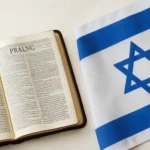
What Does the Bible Say About Israel Today? Hope, Warning, and God’s Purpose
Quick Answer: what does the bible say about israel today: God’s word connects Israel and Jerusalem to real spiritual history—some stumble, others are refined, and God’s promises still stand. Romans 11 speaks of salvation for many including Gentiles and the possibility of provoking Israel to emulation. Zechariah highlights Jerusalem as a future “cup of trembling,” followed by refinement and a return to calling on the LORD.
When people search what does the bible say about israel today, they often want clarity, but also comfort—especially when headlines feel confusing. Scripture does not encourage speculation or fear; it points to God’s purposes, His warning, and His faithfulness. Romans 11 teaches that Israel’s “fall” is not the end of God’s plan, and it highlights a wider salvation story that includes Gentiles. Zechariah shows Jerusalem in prophetic tension—yet never without God’s refining presence and His promise to be heard. Together, these passages call believers to trust God’s timing, pray with compassion, and interpret current events through the lens of God’s covenant faithfulness rather than political emotion.
At a Glance — Verses in This Article
Romans 11:11-15
Zechariah 12:2-3
Zechariah 13:8-9
Bible Verses
Romans 11:11-15 (King James Version)
“I say then, Have they stumbled that they should fall? God forbid: but rather through their fall salvation is come unto the Gentiles, for to provoke them to jealousy. Now if the fall of them be the riches of the world, and the diminishing of them the riches of the Gentiles; how much more their fulness? For I speak to you Gentiles, inasmuch as I am the apostle of the Gentiles, I magnify mine office: If by any means I may provoke to emulation them which are my flesh, and might save some of them. For if the casting away of them be the reconciling of the world, what shall the receiving of them be, but life from the dead?”
This passage shows God working through Israel’s history to bring salvation to the Gentiles and even to provoke Israel toward emulation and reconciliation.
Zechariah 12:2-3 (King James Version)
“Behold, I will make Jerusalem a cup of trembling unto all the people round about, when they shall be in the siege both against Judah and against Jerusalem. And in that day will I make Jerusalem a burdensome stone for all people: all that burden themselves with it shall be cut in pieces, though all the people of the earth be gathered together against it.”
These verses portray Jerusalem as a burdensome, trembling focus for nations—emphasizing spiritual weight and God’s involvement in the events surrounding it.
Zechariah 13:8-9 (King James Version)
“And it shall come to pass, that in all the land, saith the LORD, two parts therein shall be cut off and die; but the third shall be left therein. And I will bring the third part through the fire, and will refine them as silver is refined, and will try them as gold is tried: they shall call on my name, and I will hear them: I will say, It is my people: and they shall say, The LORD is my God.”
This prophecy describes a refining process in Israel where a third is preserved and brought to call on the LORD, showing restoration through judgment.
1) God’s purposes are still unfolding (Romans 11:11-15)
Romans 11 is often read as a map of God’s long view. It addresses a painful reality: some have stumbled, yet God’s response is not abandonment. The apostle frames Israel’s situation in a way that guards believers from despair. He asks, “Have they stumbled that they should fall?” and answers, “God forbid.” Instead, “through their fall salvation is come unto the Gentiles, to provoke them to jealousy.”
This is a crucial spiritual principle for anyone wondering what the bible says about israel today: God can use even resistance and failure to accomplish His redemptive aims. The passage goes further by connecting diminishing, riches, and “fulness.” It suggests that God’s unfolding purposes can involve seasons in which the gospel spreads widely among Gentiles, and yet Israel remains within God’s concern.
Romans 11:15 also includes a tone of hope for relationship: the “receiving of them” would mean “life from the dead.” While we cannot reduce prophecy to simple timelines, the message is clear—God’s plan is moving toward a receiving, not a rejection. That hope affects how Christians speak and pray: with humility, compassion, and confidence in God’s ability to reconcile what seems irreconcilable.
In other words, believers can acknowledge complexity without losing faith. God’s purposes are not thwarted; they are orchestrated.
2) Jerusalem is spiritually charged—God warns and confronts (Zechariah 12:2-3)
Zechariah’s vision intensifies the focus on Jerusalem. In Zechariah 12:2-3, God declares that He will make Jerusalem “a cup of trembling” to the surrounding peoples, and that in a future day He will make it “a burdensome stone.” The wording is significant: Jerusalem is not described merely as a political prize—it is portrayed as a prophetic center that affects nations.
This matters for biblical perspective on Israel in the present because it reminds believers that God views Jerusalem with covenant significance. The “siege” imagery and the gathering of “all the people of the earth” highlight that opposition can become universal, yet God’s judgment and protection remain sovereign.
Notice what Zechariah does not do. It does not instruct believers to gloat or to assume the church’s right to take vengeance. Instead, it reveals the weight of God’s action. When people “burden themselves” with Jerusalem—when their confidence rests on pressure, aggression, or hostility—God says they will be “cut in pieces.”
The spiritual lesson is both sober and merciful: nations cannot permanently fight against what God has marked. But it is also a warning against turning prophetic information into personal arrogance. Zechariah’s prophecy pushes the faithful toward reverence.
For Christian readers, the best application begins with prayer and careful speech. We can watch events, but we interpret them through Scripture’s lens: God is at work, and Jerusalem is not random in His plan.
3) Refining leads to calling on the LORD (Zechariah 13:8-9)
Zechariah 13 continues the theme of God’s direct involvement, especially regarding Israel. In Zechariah 13:8-9, God says that in all the land, “two parts therein shall be cut off and die; but the third shall be left therein.” This is a message of judgment, but it is not hopeless. The third part is “brought… through the fire,” where God refines them “as silver is refined” and tries them “as gold is tried.”
That refining purpose is essential for God’s message for Israel today. Fire in Scripture often represents cleansing—removing what is not true, not faithful, and not ready to last. The goal is not destruction for its own sake. The purpose is response.
Zechariah states that the refined people “shall call on my name, and I will hear them.” God also speaks with tenderness: “I will say, It is my people: and they shall say, The LORD is my God.”
Here, prophecy moves from catastrophe to restoration. It shows that God’s covenant relationship is not finally ended. Even after severe judgment, God’s intention is reconciliation and genuine worship.
This can shape how Christians relate to Israel emotionally and spiritually. We should not approach Scripture with a desire to assign blame cheaply or to demand simplistic outcomes. Instead, Zechariah teaches that God’s discipline has a purpose—to produce people who truly recognize Him.
When Zechariah is read alongside Romans 11, the harmony is striking: there is stumbling, but there is also reconciliation. There is refining, but there is also life. God’s heart is consistent even when His methods are severe.
4) How these passages fit together for Christians today
These three verified passages—Romans 11:11-15, Zechariah 12:2-3, and Zechariah 13:8-9—do not give a modern news forecast with dates. Instead, they give believers a spiritual framework.
First, Romans 11 highlights that Israel’s situation is not the end of God’s story. God uses what seems like failure to bring salvation to the Gentiles and to move the heart of Israel toward emulation and reconciliation. That encourages the church to stay faithful in the gospel even when understanding is incomplete.
Second, Zechariah 12 warns that Jerusalem’s significance is not merely geographical. It becomes a “cup of trembling” and “burdensome stone” to people who oppose God’s purposes. This calls Christians to interpret the international tension surrounding Jerusalem with humility, remembering that God’s sovereignty stands above political agendas.
Third, Zechariah 13 shows the purpose behind God’s discipline: refinement that results in people calling on the LORD. This means restoration is possible and that genuine worship is the end goal.
Put together, the Bible portrays Israel and Jerusalem as central to God’s redemptive history, not as a distraction from the gospel. For believers today, the safest posture is reverent, prayerful, and mission-minded. We can share Christ faithfully with Gentiles while also praying for Israel’s reconciliation.
So the best answer to what does the bible say about israel today is not fear-driven. It is hope-driven: God’s promises involve warning, refinement, and eventual calling on the LORD.
Practical ways to respond with faith, not speculation
1) Let Scripture shape your emotions. When you read about Israel and Jerusalem, avoid panic or certainty beyond the text. Romans 11 teaches hope without minimizing reality; Zechariah teaches reverent warning without gloating. Ask God for a humble heart that can say, “Lord, I trust Your purposes.”
2) Pray for reconciliation with compassion. Use the language of refining and calling. Zechariah 13:9 emphasizes that God hears when people call on His name. Pray that Israel—among “the third”—would come to recognize the LORD as God. Pray likewise for Gentiles to respond in faith and obedience.
3) Keep the gospel central. Romans 11 connects Israel’s story to salvation spreading among Gentiles. Your concern for Israel should never replace the mission of sharing Christ. Instead, it should energize it: if God uses Israel’s history to provoke and bring salvation, then God can use your faithfulness too.
4) Speak with reverence about Jerusalem. Zechariah 12 depicts Jerusalem as a burdensome stone for those who oppose God. That should lead to thoughtful speech, not conspiracy talk. Treat current events as a prompt to worship and intercede.
A simple daily practice: pray once for Israel’s reconciliation, once for the worldwide proclamation of the gospel, and once for your own humility in interpretation. God’s word invites believers to respond with faithfulness, not frenzy.
Frequently Asked Questions
What does the Bible say about Israel right now?
The Bible does not provide a detailed modern schedule, but it does show God’s intentions: Israel’s history involves stumbling and then hope of reconciliation (Romans 11:11-15). Zechariah highlights Jerusalem’s spiritual weight and future turmoil under God’s oversight (Zechariah 12:2-3), followed by refining that leads to calling on the LORD (Zechariah 13:8-9).
God’s message for Israel today—what should Christians remember most?
Remember that God’s purposes are not defeated. Romans 11:11-15 teaches that God can work through Israel’s “fall” to bring salvation to Gentiles and to provoke Israel toward emulation. Zechariah shows that God’s discipline has a refining goal, leading to prayerful recognition of the LORD (Zechariah 13:8-9).
How does biblical perspective on Israel in the present relate to the gospel for the Gentiles?
Romans 11 connects Israel’s situation to a gospel movement among the nations: salvation comes to Gentiles “through their fall,” and God’s plan includes “their fulness.” This means Gentile believers should not see Israel as irrelevant to the gospel. Instead, they should stay devoted to Christ and pray for Israel’s reconciliation.
What Scripture teaches about Israel’s future—does it include restoration?
Yes. Zechariah 13:8-9 describes a third being preserved, refined, and brought to call on the LORD, with God affirming, “It is my people.” Romans 11:11-15 also points toward a future “receiving” connected with “life from the dead.” These passages emphasize restoration through God’s work.
A Short Prayer
Lord God, thank You for Your trustworthy Word. Teach us to read about Israel and Jerusalem with humility, not fear. Strengthen our faith as we remember that You are still working through history—proclaiming the gospel and refining hearts for Your glory. Give us compassion to pray for Israel’s reconciliation and boldness to witness to the nations. Let our confidence rest not on headlines, but on Your covenant faithfulness. In Jesus’ name, amen.
Key Takeaway: The Bible portrays Israel and Jerusalem as central to God’s redemptive purposes—warning and refining now, with reconciliation and calling on the LORD ahead.

 Por Fernando Ortiz