Artist Jesus Painting: A Guide to Iconic Jesus Portraits
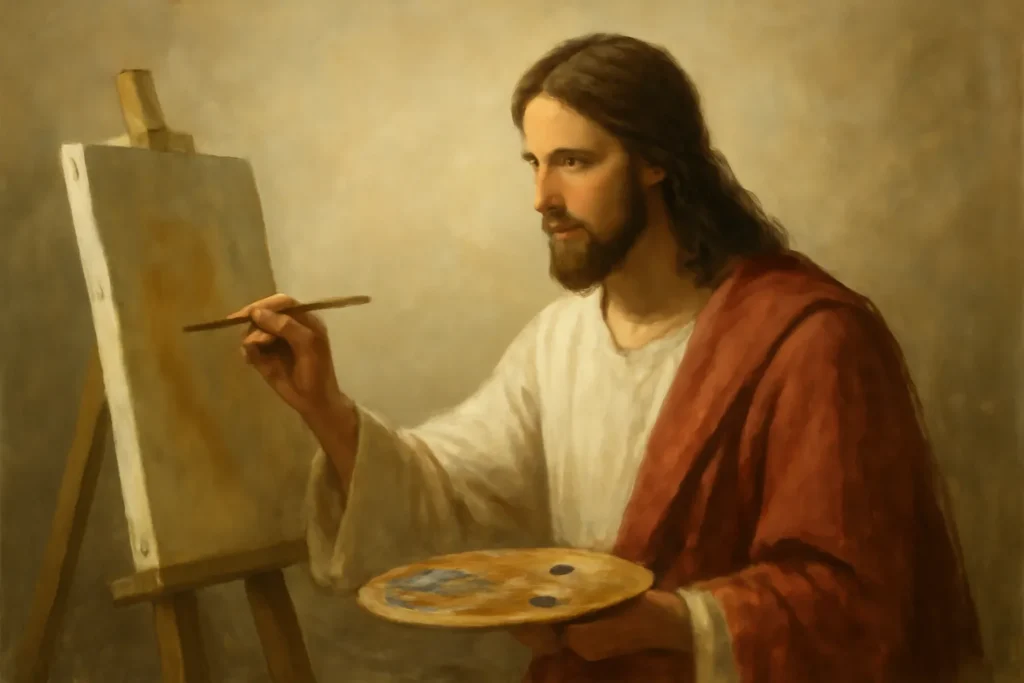
From the earliest icons to the latest digital recreations, the image of Jesus has stood at the center of Western and Eastern art as both a spiritual icon and a window into the artist’s craft. This guide traces how artist Jesus painting has evolved across cultures, media, and centuries, highlighting iconic portraits that have shaped how viewers read the face, gesture, and symbol on the canvas. While some works are celebrated for their technical virtuosity, others endure because they crystallize a moment of faith, devotion, or cultural identity. Whether you are an art student, a curious museum goer, or a lifelong admirer, this article offers a broad map of the major strands in portraiture of Christ and a toolkit for appreciating the subtleties of each tradition.
The Evolution of Jesus Portraiture: From Icons to Oils
Across continents and eras, the way artists present Jesus portraiture has shifted from hallowed sacred images to more humanized or interpretive representations. Early Christian and Byzantine traditions oriented Jesus toward the sacred, emphasizing hierarchy, majesty, and spiritual authority. In those icon painting traditions, a frontal pose, a stern or serene gaze, a halo, and often a gold background conveyed sacred presence rather than individualized likeness. The goal was not to capture a naturalistic likeness but to evoke divine truth. In the Middle Ages and into the Renaissance, painters began to balance ritual symbolism with a growing interest in human emotion and psychological depth. This shift gave rise to portraits of Christ that could appear approachable, intimate, or commanding—depending on the artist’s climate, patrons, and aims.
In more recent centuries, the artist Jesus painting has continued to be a laboratory for technique and interpretation. The Renaissance’s fascination with light, perspective, and individual character gave Christ portraits a new sense of interior life. Baroque artists pushed intensity and drama, sometimes at the expense of restraint, to convey spiritual experience in a moment of crisis or ecstasy. By the modern era, some painters treated Christ as a vehicle for social or political commentary, while others returned to icon-like clarity or to abstract forms. The range is vast, but the throughlines—devotion, representation, and the tension between sacred symbol and human likeness—remain constant in the study of iconic Jesus portraits.
Iconic Jesus Portraits Across Cultures
To understand the breadth of Jesus painting styles, it helps to divide by cultural and historical frameworks. Below are three broad corners of the art world where the figure of Jesus has been rendered iconic in distinct ways.
Byzantine Pantocrator: The Timeless Face of Christ
In the Byzantine world, Christ as Pantocrator (Ruler of All) appears in grand icons that were meant for liturgical spaces and private devotion. The painter’s hand is careful, but the emphasis is theological rather than biographical. Characteristics you’ll often notice in these iconic images include:
Frontal, almond-shaped eyes and a serene, transcendent expression
Halo often shaped as a nimbus with a cross or a profound aureole
Gold background and rich, symbolic color schemes rather than naturalistic lighting
Iconographic attributes such as a book or blessing gesture, intended to convey sacred wisdom and authority
For viewers, these works offer a canonical language: the face of Jesus as a divine interpreter of the world, rather than a solitary historical figure. The Pantocrator tradition is a cornerstone for understanding how cultures elsewhere adapted the figure for their own devotional needs.
Renaissance Masters and the Human Face of Christ
The Renaissance brought a shift toward naturalism without abandoning spiritual purpose. In oil and panel, Christ portraits began to exhibit nuanced flesh tones, expressive eyes, and a sitter’s inner life. A landmark example often cited in discussions of the artist Jesus painting is the painting widely known as Salvator Mundi. Attributed to Leonardo da Vinci and workshop collaborators, this image portrays Jesus as Salvator Mundi—Savior of the World—holding a glass orb in a gesture of blessing. Yet, scholars debate attribution and workshop involvement, underscoring the complexity of understanding a work that sits at the intersection of genius, collaboration, and historical sourcing. Key features connected to this period’s Jesus portraits include:
Soft, sfumato transitions that create a lifelike yet dreamlike presence
Subtle facial shading that suggests age, temperament, and inner life
Symbolic elements such as the globe/orb symbolizing universal dominion or salvation
Balanced composition that respects classical harmony while revealing emotional depth
Renaissance painters from other regions—whether they were Italian, Flemish, or Spanish—experimented with how Christ’s humanity could coexist with divinity. Their works often emphasize the viewer’s gaze, personal piety, and the possibility of connection with the sacred through a recognizable human form.
Northern European and Spanish Traditions: The Drama of Presence
In Northern Europe and the Iberian world, portraits of Jesus frequently carried dramatic intensity and moral exhortation. The Northern tradition excelled at meticulous attention to texture, costume, and the psychological state of the figure. Spanish and Flemish painters could render Christ with a stern, corrective presence or a compassionate, approachable demeanor, depending on the narrative moment they wished to convey. Shared features across these works include:
Rigid or highly expressive facial features shaped by local tastes and devotional aims
Intense tonal contrast and meticulous texture work on fabrics, skin, and hair
Iconography that frames Christ as moral exemplar or witness to human frailty
Patronage-driven symbolism, where portraits served didactic or liturgical purposes
When you encounter these portraits, you may be drawn to the way the painter invites the viewer to identify with Christ’s emotional state or to contemplate the divine mystery through a carefully observed human visage.
Techniques and Media in Jesus Portraiture
The way an artist renders Jesus—whether through icon techniques or oil painting—profoundly shapes the viewer’s experience. Here are some of the primary media and methods you’ll encounter in the artist Jesus painting repertoire, with notes on what makes each path distinctive.
Icon Painting Techniques
Icon painting, a discipline with long historical lineage in Eastern Christianity, uses specific materials and procedures to produce luminous, durable images. Common methods include:
Egg tempera on wooden panels, which yields precise, crisp lines and a luminous finish
Gold leaf backgrounds or halos that ‘light’ the sacred face from within
Limited, symbolic palette where blue and red carry theological meanings
Encaustic variants in some regions, using wax-based pigments for texture and permanence
For observers, icon painting offers a concept of representation that prioritizes ongoing spiritual significance over photographic likeness. The icon tradition expects the viewer to participate in a devotional encounter rather than merely to admire technique.
Oil and Canvas: The Naturalistic Turn
With the rise of oil painting, Renaissance and later artists could model Christ with more nuanced skin tones, fidelity to light, and psychological complexity. Characteristics of oil-based Christ portraits often include:
Soft transitions between light and shadow to simulate three-dimensional form
Layered glazes that build depth, texture, and atmosphere
Careful rendering of textiles, hair, and facial anatomy for greater realism
Compositional choices—hands, gaze, and gesture—that drive narrative meaning
Oil painting enabled a fusion of sacred symbolism with human attributes, enabling the viewer to recognize Christ not only as divine figure but as someone who shares in human experience and emotion.
Fresco and Wall Painting: Grand Religious Cycles
In churches and monasteries, mural frescoes and altarpieces offered large-scale representations of Jesus designed for communal contemplation. Fresco painting demanded speed and efficiency, but could achieve remarkable vitality when done on a grand scale. In these contexts, Jesus often appears as part of a larger program of narrative cycles—birth, ministry, Passion, and resurrection—each stage inviting the viewer into a broader spiritual drama. Look for:
Bold, clear outlines that read from a distance
Vivid color contrasts and simplified forms for legibility in a public space
Architectural framing that places the portrait within the ritual life of the church
Reading the Portrait: Symbolism and Composition
When approaching a portrait of Jesus, readers encounter a patient grid of choices—from gesture to color to composition—that communicates more than a simple likeness. Here are common elements to study to read a Jesus painting with greater nuance:
Gesture: A blessing hand, an open palm, or a pointing finger can indicate blessing, teaching, or judgment.
Halo and mandorla: These markings identify sanctity and emphasize divine status or cosmic reach.
Color symbolism: Red may symbolize sacrifice and blood; blue often signals heavenly purity or divine nature; gold emphasizes eternal majesty.
Gaze: Direct gaze can create a sense of immediacy; averted eyes may invite contemplation or humility.
Background: Gold grounds in icons suggest transcendence; landscape settings in Renaissance portraits place Jesus in a human world.
Understanding these elements helps you appreciate why two different artist Jesus paintings from different periods can feel related yet distinct. The expressive pose, the symbolism in clothing, and the setting all work together to convey a specific theological or devotional message.
Case Studies: Notable Works and What They Teach Us
Below are some emblematic examples of iconic Jesus portraits that students and enthusiasts frequently study. Each entry highlights what makes the work distinctive and how its artist’s choices communicate meaning.
Salvator Mundi (c. 1500) — Traditionally attributed to Leonardo da Vinci and workshop participants. This painting presents Jesus as the Savior of the World, blessing with one hand and holding a crystal orb in the other. The piece is renowned for its subtle sfumato and the contemplative, almost enigmatic, gaze that invites viewers into a moment of reverence and mystery. Scholars continue to debate attribution and workshop influence, illustrating how a single artwork can embody both artistic genius and collaborative practice.
Pantocrator icons (Byzantine and post-Byzantine traditions) — While not tied to a single hand or studio, the Pantocrator motif remains one of the most enduring images of Christ in world art. These portraits emphasize sovereignty and cosmic authority, with a frontal pose, a calm face, and a gaze that commands attention. They teach us about a different axis of devotion—one that centers on worship and doctrinal clarity rather than individualized biography.
Isenheim Altarpiece center panel: Christ in the Crucifixion and Resurrection cycles — This work’s portrayal of Christ engages with the suffering, redemption, and transformative power of the Passion. It demonstrates how a single figure can carry multiple narrative weights within a grand altarpiece, guiding viewers through pain toward hope.
Early Italian devotional portraits — These portraits, often small in scale and used for private piety, balance intimate realism with sacred symbolism. They show how a private devotion can be informed by public tradition, blending the personal with the universal in the face of Christ.
Northern European Christ portraits from the 15th–16th centuries — In these works, artists explore psychological nuance and physical presence within a largely realist vocabulary. They remind us that realism and devotion can be reconciled through careful observation, texture, and light.
These case studies illustrate how the artist Jesus painting tradition ranges from the transcendent and symbolic to the intimate and psychologically complex. Each painting offers a doorway into its culture’s beliefs about divinity, humanity, and the role of art in religious life.
Conservation, Attribution, and the Care of Jesus Portraits
Preserving and understanding iconic Jesus portraits involves a complex mix of art history, conservation science, and scholarly debate. Here are some of the central concerns that scholars, curators, and conservators navigate when handling these works:
Attribution: Many famous Christ portraits are attributed to a leading master with more or less certainty. In some cases, research may adjust a painting’s attribution to a workshop, a follower, or a previously unidentified painter. This is especially true for works from the Renaissance and earlier, where studio practice was common.
Materials and condition: Wooden panels, gesso, egg tempera, and glazes age differently. Conservators assess cracking, varnish yellowing, pigment stability, and substrate support to determine the best restoration approach that respects the original intent.
Iconography integrity: In icon traditions, conserving the spiritual message while maintaining visual fidelity is a delicate balance. Restorers must respect the symbolic language embedded in halos, inscriptions, and gold backgrounds.
Digital and physical documentation: Modern scholars rely on high-resolution imaging, infrared reflectography, and X-ray techniques to study underdrawings, revisions, and compositional decisions without risking damage to the painting.
For readers exploring how these works endure, the conservation story is as telling as the face itself. It reveals how art museums and private collectors approach the legacy of Jesus portraits and how cultural heritage is safeguarded for future generations.
The Cultural Significance of Jesus Portraits Today
Iconic Jesus portraits continue to resonate beyond museum walls. In contemporary discourse, paintings of Christ function as mirrors of belief, identity, and social history. They appear in religious institutions, galleries, and increasingly in online spaces where digital reproductions invite new kinds of engagement. Some enduring themes include:
The way an image of Christ can crystallize communal memory and local tradition
How portraits of Jesus can challenge or reinforce moral narratives within societies
How modern artists reinterpret traditional faces to address current questions about faith, humanity, and justice
Understanding the iconic Jesus portraits from historical perspectives helps readers appreciate how faith and art inform one another across centuries. It also opens up conversations about how we interpret sacred imagery in a plural, interconnected world.
Practical Guide: Visiting Museums, Studying, and Online Resources
If you want to deepen your study of artist Jesus painting, here are practical steps to build a richer understanding through museum experiences and digital resources:
Start with canonical works such as a Salvator Mundi-type image and a prominent Pantocrator icon to anchor your expectations about stylistic range.
Compare scales and media: notice how the same figure is presented differently in panel, canvas, tapestry, or fresco, and how each medium affects perception.
Pay attention to symbolism: halo shapes, inner hand gestures, backgrounds, and color choices often encode doctrinal ideas and devotional aims.
Read the labels and catalog entries: curators provide essential context about attribution, dating, provenance, and conservation history that deepens comprehension.
Use high-resolution images online: many museums offer zoomable images and interpretive essays that reveal brushwork, underdrawings, and restoration history without stepping into a crowded gallery.
Engage with comparative study: looking at Christ portraits from Byzantine icons, Italian Renaissance, Northern European panels, and modern reinterpretations can illuminate how form and meaning shift across time.
For readers who can’t visit in person, robust online resources and virtual tours provide an alternative path to encounter these portraits. Museums around the world maintain digital collections that allow you to explore the iconic Jesus paintings with commentary from scholars and conservators, making this field accessible to a broad audience.
A Short Guide to Observing Jesus Portraits: Quick Tips for Appreciating the Craft
To help you quickly assess a Jesus portrait—whether in person or online—here are practical observation tips you can use on your next viewing:
Identify the moment: Is the image meant to present Christ as teacher, savior, or judge?
Note the gaze: Direct engagement can imply invitation or blessing; a contemplative or distant gaze can imply cosmic distance or inner life.
Watch the light: In Renaissance works, light often carves volume and reveals emotional subtleties; in icons, light is more symbolic and evenly distributed.
Look for symbols: The orb, the book, the cross motif in the halo, or inscriptions can guide interpretation.
Assess the composition: Consider how the figure interacts with the space—does the face command attention, or does the setting invite the viewer into a devotional path?
By adopting these quick checks, you’ll improve your ability to “read” a painting’s intent and appreciate the craft that shaped one of art history’s most enduring subjects: Jesus portraiture.
Conclusion: Why These Portraits Matter in the History of Art
Across centuries, the artist Jesus painting has served as a focal point for spiritual reflection, cultural memory, and artistic experimentation. From the holy calm of Byzantine Pantocrator icons to the luminous ambiguity of Leonardo’s Salvator Mundi, these portraits reveal how different eras and places imagined the divine in human form. They remind us that art is not only about producing a likeness but about guiding perception—shaping how communities understand virtue, authority, compassion, and salvation. Whether you read a Christ figure as a compassionate teacher, a sovereign ruler, or a suffering savior, the face remains a powerful archive of belief, technique, and the enduring human impulse to see the sacred in the visible world.
Ultimately, the study of iconic Jesus portraits is an invitation to a broader conversation about how art encodes faith, how artists negotiate tradition and innovation, and how viewers—across time and space—build personal and collective meanings from these remarkable images. As you explore the artist Jesus painting landscape, you’ll discover not only the history of a genre but the ongoing dialogue between devotion, representation, and the human impulse to capture the face of a figure who has shaped countless lives and cultures.











Leave a Reply