Introduction: Understanding Believers Baptism in Its Full Context
Believers baptism is a distinctive practice within Christian communities that emphasizes a person’s conscious
response to the gospel, a public declaration of faith, and a symbolic identification with the death, burial, and
resurrection of Jesus Christ. This article surveys believer’s baptism from its core meaning to its
contemporary practice, using terms such as believers baptism, credobaptism,
and adult baptism to highlight variations in language while keeping a single, coherent
understanding of the practice.
The central claim of this approach is simple: baptism should follow a clear
personal decision to trust Jesus as Lord and Savior. Because of that, infant baptism
is not the same thing as believers baptism in the sense described here. The latter is
often characterized as a public profession of faith made by someone who can articulate the gospel
in their own words, rather than a rite performed on an infant who cannot yet confess Christ. Throughout this article you will see
several terms used interchangeably to describe the same theological conviction: believer’s baptism, credobaptism, adult baptism, and the baptism of believing followers.
This guide aims to be practical as well as historical, helping readers understand:
What believers baptism is and is not
Why many churches insist on a profession of faith before baptism
How baptism functions within church membership and discipleship
What a typical baptism service looks like in different Christian traditions
If you are exploring the baptism of believers, you are engaging with a nuanced biblical
practice that seeks to honor both the gospel’s demand for personal repentance and faith and the church’s call to
confess that faith publicly in the full community of believers.
What is Believers Baptism? Definitions and Distinctions
At its core, believers baptism is the practice of baptizing those who have made a personal
confession of faith in Jesus Christ. It is distinct from infant baptism in several important ways, and it sits at
the intersection of faith, discipleship, and church life.
In many traditions, this form of baptism is also called credobaptism, from the Latin credo meaning “I believe.” The term emphasizes the believer’s role in the act: a conscious trust in the
gospel that leads to a ritual action intended to symbolize inner transformation. Other common labels include adult baptism (to stress that the person being baptized is an intentionally mature candidate in the faith)
and the baptism of believing followers (highlighting the faith-based nature of the reception).
The most widely accepted features of this form of baptism include:
Personal conversion: a genuine turn from sin toward Christ, followed by faith in the gospel.
Public confession: the act of telling the entire congregation that one has trusted Jesus and intends to follow Him.
Water baptism by immersion as the preferred (though not universal) mode, symbolizing death to sin and new life in Christ.
Voluntary participation: participation is given to those who are capable of understanding and articulating the gospel, rather than to children or infants.
The emphasis on a profession of faith distinguishes believers baptism from other baptismal practices. In this
sense, the rite becomes not merely a ritual cleansing but a ceremonial declaration of allegiance to Jesus.
The origin of believers baptism journeys through late medieval and Reformation-era debates about who
may rightly be baptized and on what basis. In many streams of church history, baptism became associated with a
conscious response to the gospel, which later led to distinctive practices among groups such as the Anabaptists
and, in modern times, Baptists and many Reformed churches that honor credo-baptist convictions.
Critics of credobaptism often point to the connection between baptism and covenantal
identity, asking whether infant baptism might better reflect God’s gracious covenant with families. Proponents of believer’s baptism respond that baptism is an outward sign of an inward faith, not a covenant sign
imposed on children who have not yet professed trust in Christ. The debate continues in different denominations, but
the underlying practice remains a clear expression of a person’s conscious faith and their entry into the local church
as a baptized member.
Scriptural Foundations: What the Bible Teaches about Credobaptism
While no single verse prescribes every detail of baptism for today, a cluster of passages in the New Testament is routinely cited to support the practice of believers baptism and its
ordering relative to faith and church membership.
Go, make disciples, and baptize—the Great Commission emphasizes both evangelism and baptism as integrated
steps in discipleship. This has been read to imply that baptism follows a genuine response to the gospel.
Repent and be baptized—in several early narratives, people who hear the gospel respond with repentance and
faith, followed by baptism as the public sign of that decision.
Immersion as the symbol of death and new life—the symbolism of dying to sin and rising to new life is
frequently linked to baptism, especially in communities that practice immersion.
Household baptisms vs. individual faith—the Scriptural record shows several baptisms in households or
conversions that involve individuals who profess faith. This has led to interpretation debates about infant inclusion versus
believer-focused baptism.
Some well-known passages that inform the practice include:
Proclamation and faith: the baptismal act follows a clear response to the gospel.
Symbolic meaning: immersion is commonly associated with burial and resurrection imagery.
Community dimension: baptism often occurs in a congregation setting, emphasizing public formation into the church.
It is important to note that different traditions interpret these passages with varying emphasis. Some churches understand
baptism as a sacred ordinance administered by the church, while others see it primarily as a symbolic rite
that marks entry into the visible church. The common thread across these perspectives is that baptism concerns a genuine
personal response to Christ, a public confession, and an expressed commitment to lifelong discipleship.
Historical Development and Theological Context
The practice of believer’s baptism emerged in tension with the broader Christian tradition that
included infant baptism as a norm. This section surveys some of the historical currents that shaped contemporary
perspectives on credobaptism.
Key Historical Streams
Anabaptist heritage: in the 16th century, groups associated with the Anabaptist movement insisted on believer-only baptism and rejected infant baptism, arguing that baptism should follow a personal confession of faith.
Baptist tradition: developed from Reformation-era convictions about the voluntary nature of church membership and the believer’s confession.
Reformed and some Lutheran circles: while not universal, some streams within these traditions have embraced credobaptism as a valid mode of recognizing genuine faith, sometimes allowing infant baptism alongside believer’s baptism as a separate, secondary sign of faith for the child when they come to personal faith later.
Modern ecumenical dialogue: in recent decades, many denominations have engaged in dialogue about the theological meaning of baptism, sometimes embracing broader understandings of baptismal identity, covenant, and church membership.
Theological reflections on believers baptism often center on two questions: Who is eligible to be baptized, and what does baptism
signify about a person’s place in the body of Christ? For many communities, the answer remains that baptism is the
public seal of a faithful response to the gospel, administered to those who can testify to genuine faith.
Doctrinal Implications: Covenant, Faith, and Community
In many churches, credobaptist convictions imply a particular understanding of the church as an
assembled community of believers. Baptism becomes a marker of belonging to this community and a prerequisite for
church membership in some traditions, while in others it is one rite among several that signify initiation into the
Christian life.
The debate often touches on how baptism relates to the covenant promises in Scripture. Proponents of believer’s
baptism may argue that the covenant sign is fulfilled through personal faith in Christ, and baptism publicly confirms
that profession. Critics may point to family and cultural contexts in which faith is nurtured and baptism occurs later as a
natural extension of a rooted spiritual upbringing.
Modes, Symbols, and Means: How Baptism Is Performed
The method and symbolism of believers baptism are central to how churches practice
credobaptism today. While immersion is widely regarded as the most faithful expression of the symbolism of death to sin
and new life in Christ, churches vary in their approach to water baptism based on tradition, theology, and practical
considerations.
Among traditions that emphasize a clear confession of faith, immersion is often presented as the most
faithful expression because it aligns with the imagery of being buried with Christ in death and raised to life in
Christ. In this sense, the believer is fully submerged in water and then brought up, symbolizing a decisive break from
the old life and a new life in Christ.
Alternatives and Debates
Not all churches practice immersion exclusively. Some communities practice pouring or sprinkling as a baptismal act,
particularly when practical constraints or medical concerns make immersion difficult. Proponents of credobaptism who
allow alternatives often emphasize that the essential element is the profession of faith and the symbolic
meaning of washing and cleansing by grace, rather than the specific mechanical method.
Regardless of mode, most evangelical and Reformed traditions insist on three non-negotiable elements:
Belief in the gospel and confession of faith
Commanded baptism by Jesus for those who profess faith
Public testimony before the local church
The question of mode is often secondary to the theological significance of baptism as a public commitment to Christ and to
the church. The key is that the act remains a deliberate, faith-filled response to the gospel, enacted within the
community of believers.
Believers Baptism and Church Life: Entry, Discipleship, and Community
In churches that practice credobaptism, baptism is often tied tightly to church membership and ongoing discipleship.
This creates a more explicit link between faith, baptism, and life in the gathered church.
Church membership: In many traditions, baptism serves as the gateway to full membership, signaling a
person’s readiness to participate in church life, governance, and accountability structures.
Discipleship and growth: Baptism is followed by ongoing teaching, baptismal vows, and a pathway of
spiritual formation, often anchored in catechesis or small-group mentorship.
Public witness: The ceremony is a visible testimony to the surrounding community that a person has
repented, trusted Christ, and committed to following Him within the church’s life.
Some churches distinguish between the moment of baptism and the moment of formal church membership, allowing new
believers to undergo a baptismal rite as a declaration of faith before formal incorporation. In other contexts, baptism
and membership are closely linked, so that the baptism itself is both an initiation and a doorway into the life of the
local body.
Pastoral and Ethical Considerations
A pastor’s or church leader’s role in believers baptism often includes careful pastoral care:
ensuring the candidate understands the gospel, examining for any misapprehensions about salvation, and encouraging a
life of obedience and community involvement after the baptism. Ethical considerations also arise when families or
communities seek to pressure someone into baptism; healthy churches guard the freedom of a genuine personal
confession of faith and provide time for reflection and catechesis.
In pluralistic or interdenominational contexts, churches may coordinate to ensure that baptism reflects a clear and
voluntary faith decision, even when denominational lines blur. The goal remains the same: a meaningful, public
profession of faith that anchors the believer into a community where ongoing discipleship can flourish.
Preparation and the Baptism Experience: From Inquiry to Immersion
Preparing for believers baptism is a pastoral process as much as it is a theological one. Most churches
provide a structured path that helps the candidate examine the gospel, articulate their faith, and understand the
meaning of baptism.
Before Baptism: Understanding the Gospel and the Call to Faith
Preparation typically involves:
Gospel clarity: ensuring the candidate can articulate the core message of sin, grace, faith, and new life in Christ.
Personal repentance and faith: a genuine turning from self-rule to Christ’s lordship, evidenced by trust in the
gospel.
Confession of faith: a public or private confession that the candidate believes Jesus is Lord and that He
died for sins and rose again.
Discipleship commitments: an introduction to a life of obedience, prayer, Scripture reading, and
participation in the church’s life.
The Baptism Service: What It Looks Like
A typical believer’s baptism service includes a brief exhortation, a statement of faith by the candidate, a
public baptism by immersion (or an alternative mode where allowed), and a short prayer of dedication over the new
believer. The service often includes:
Testimony: a short personal account of how the gospel has transformed the candidate’s life.
Professional faith: a declaration of belief in key gospel truths such as the person and work of Christ, the
essential elements of salvation, and the call to follow Jesus.
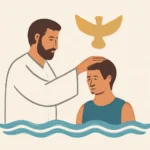
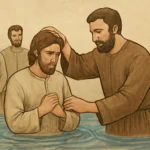
Immersion or baptismal rite: the moment when the candidate is baptized, symbolizing burial with Christ
and resurrection to new life.
Welcome and blessing: the church’s welcome into the community and a commissioning to live as a
disciple of Jesus.
In many settings, the baptismal ritual is followed by a time of fellowship, updated membership rosters, and
announcements about the candidate’s involvement in the church’s mission and ministries. The overall aim is to honor
the personal faith of the candidate while integrating them into a local body where spiritual growth is supported by
community life.
Frequently Asked Questions about Believers Baptism
The practice of believers baptism invites a range of questions. The following Q&A highlights common
concerns and clarifies how credobaptist convictions address them.
Who should be baptized? In belief-centered traditions, baptism is reserved for those who have consciously
professed faith in Jesus Christ and can articulate the gospel themselves.
Why not infant baptism? Proponents argue that infant baptism does not reflect a personal decision to trust in Christ;
they emphasize baptism as a response to belief rather than a sign of covenantal status for those who cannot yet confess.
What about baptism by sprinkling or pouring? Some churches practice alternative modes due to practical or
symbolic considerations. The essential element remains the profession of faith and the symbolic identification with Christ.
Is baptism necessary for salvation? Views vary. In credobaptist circles, baptism is an obedient response to the
gospel and a public witness, though it is not typically described as the sole means of salvation. Faith in Jesus is the
necessary condition, with baptism as the accompanying sign.
Can someone who was baptized as a child be re-baptized? In many traditions, infant baptism is regarded differently from credobaptism.
If a person later makes a personal profession of faith, they may be baptized as a believer, rather than re-baptized as an infant.
Practical Guidance for Churches and Families: Implementing Believers Baptism
For churches that practice credobaptism, practical considerations help ensure that the rite remains meaningful and
faithful to Scripture. For families and individuals, clear expectations about preparation and participation can make
the process enriching rather than fraught with misunderstanding.
Clear prerequisites: require a credible confession of faith, a basic understanding of the gospel, and a
commitment to ongoing discipleship.
Catechesis and mentorship: provide a period of teaching or mentoring to help candidates understand the
gospel deeply and to connect baptism with lifelong Christian living.
Pastoral care: involve pastors or elders to listen to the candidate’s faith journey, address doubts, and
offer counsel about baptism’s meaning and responsibilities.
Public integrity: arrange baptism in a transparent setting that invites the local church to celebrate and
embrace the new member.
Churches also face ecumenical questions about how credobaptism relates to other Christian communities that practice
infant baptism. In many contexts, churches with credobaptist convictions participate in shared worship, social
initiatives, and mission partnerships while maintaining their distinct understanding of baptism. The goal is to pursue
unity in essential gospel truths while honoring differences in how communities interpret baptismal symbolism and faith
formation.
Conclusion: The Purpose and Promise of Believer’s Baptism
In the end, believers baptism stands as a deliberate and hopeful declaration: a person has believed the
gospel, embraced Jesus as Lord, and chosen to follow Him in the company of a local church. The act is both a
personal testimony and a communal covenant sign, signaling a new stage of life in which growth, accountability, and
service become the rhythm of daily discipleship.
Whether you encounter the term believers baptism, credobaptism, or adult baptism,
the core meaning remains consistent: a faith-formed decision, expressed in a public rite, and followed by a life
committed to Christ and His people. If your church tradition emphasizes immersion as the symbolic form of this baptism,
that emphasis can deepen the sense of surrender to Christ and open-space for communal witness. If your tradition
accepts multiple modes, the emphasis typically remains on a genuine confession of faith and a shared life of
discipleship in the body of Christ.
As readers continue to study and participate in questions about baptism for believers, may you find
clarity in the gospel, courage for a public profession of faith, and sustaining grace for the lifelong journey of
following Jesus within a local faith community.







Leave a Reply