Baal worship in the biblical world refers to a family of local and regional cults centered on a prominent storm and fertility deity known by the title Baal, which means “master” or “owner” in several Northwest Semitic languages. In the Hebrew Bible, Ba’al and its plural Baalim appear as a symbolic shorthand for a network of competing deities and cultic institutions that stood in tension with the worship of the God of Israel, Yahweh. This article traces the origins of Baal worship, situates it within the wider Canaanite religious context, surveys its biblical portrayals, and explains how prophetic writers framed the phenomenon as a challenge to covenant fidelity. The discussion uses linguistic, historical, and literary perspectives to illuminate why Baal worship mattered to ancient communities and why it continues to be a key lens through which readers understand the biblical narrative about faithfulness, idolatry, and political power.
Origins of Baal Worship
The term Baal first emerges in the broader ancient Near Eastern milieu as a title rather than a single fixed deity. In Ugaritic texts (from Ras Shamra in modern-day Syria, dating to the mid-second millennium BCE), the word is used as a generic label meaning “lord” or “master” and appears in association with various local gods who were worshipped in Canaan and neighboring regions. From this body of evidence, scholars infer that Baal functioned as a divine epithet that could be attached to different local chiefs or regional powers, especially those connected with storms, rain, and fertility—roles crucial to agrarian societies.
By the late Bronze and early Iron Ages, the cults identified with Baal had crystallized into a form of organized worship that included temple precincts, priesthoods, ritual rites, and festival calendars. In the biblical imagination, these cults are not a single unified “Baal religion” but rather a constellation of related cults that share common features: a central figure identified as Baal, associated deities such as Asherah (the goddess often linked to sacred trees or wooden cult objects), and a network of sanctuaries and high places scattered throughout the land of Canaan and the surrounding areas.
Etymology and regional usage: The word Baal can be translated as “master” or “lord,” and it is applied to multiple local deities across different cities and towns. Thus, “Baal” in the Bible does not always refer to the same cultic figure; rather, it serves as a designation for various storm or fertility gods who bore similar titles in their respective places.
The Ugaritic window: Ugaritic literature presents Baal as a major storm god whose powers include rain, fertility, and agricultural vitality. While these texts are not biblical, they illuminate the cultural and theological milieu in which Baal worship developed and interacted with Yahwistic faith and other regional beliefs.
The shift toward monolatry and monotheism: In many biblical passages, the term Baal signifies more than a rival deity; it signals a broader pattern of religious pluralism in which communities sought the divine favor of multiple powers. The biblical editors repeatedly emphasize loyalty to Yahweh and present Baal worship as a form of idolatry that fractures covenantal allegiance.
The world of Canaanite religion was characterized by a diverse pantheon, ritual centers, and agricultural calendars tied to seasonal weather patterns. Within this environment, the cult of Baal emerges as a central figure in many urban and rural settings. The Bible’s portrayal often emphasizes two enduring tensions: (1) the competition between Yahweh and Baal as primary divine authorities over nature, fertility, and national welfare; and (2) the social and political dimensions of worship—how alliances, kings, prophets, and common people negotiated or resisted religious loyalties.
A few features illustrate how Baal worship functioned in practice:
Temples and high places: Sanctuaries, elevated platforms, and ritual centers served as hubs for sacrificial offerings, feasting, and processions intended to appease the storm god and ensure rain and fruitful harvests.
Asherah and sacred trees: In many settings, a goddess named Asherah and wooden cult objects accompanied Baal rites, suggesting a broader familial retinue of deities and a network of sacred spaces within households and communities.
Agricultural symbolism: The agricultural calendar—tied to planting, growing seasons, and harvest—provided the backdrop for Baal rites that sought rain and fertility, often with rituals aimed at ensuring the gods’ continued generosity.
Syncretism and political power: Kings and temple elites sometimes leveraged Baal cults to consolidate regional power, strengthen alliances, or demonstrate prestige. This political dimension helps explain why Baal worship recurs so frequently in biblical narratives as both a religious and social phenomenon.
Within the biblical frame, Baal’s prominence is not simply theological; it is a window into the fraught relationship between kingdoms, prophets, and the people who navigated the pressures of foreign influence, internal reform, and spiritual allegiance. The conflict between Baal worship and Yahweh worship becomes a recurring motif in prophetic literature and narrative history, revealing how ancient communities understood loyalty, obedience, and the consequences of religious choice.
Jezebel and Ahab: The marriage of the northern king Ahab to Jezebel—an adherent of Baal-worship—shaped the political and religious landscape of Israel, leading to active promotion of Baal worship in Samaria and alongside the cult of Yahweh.
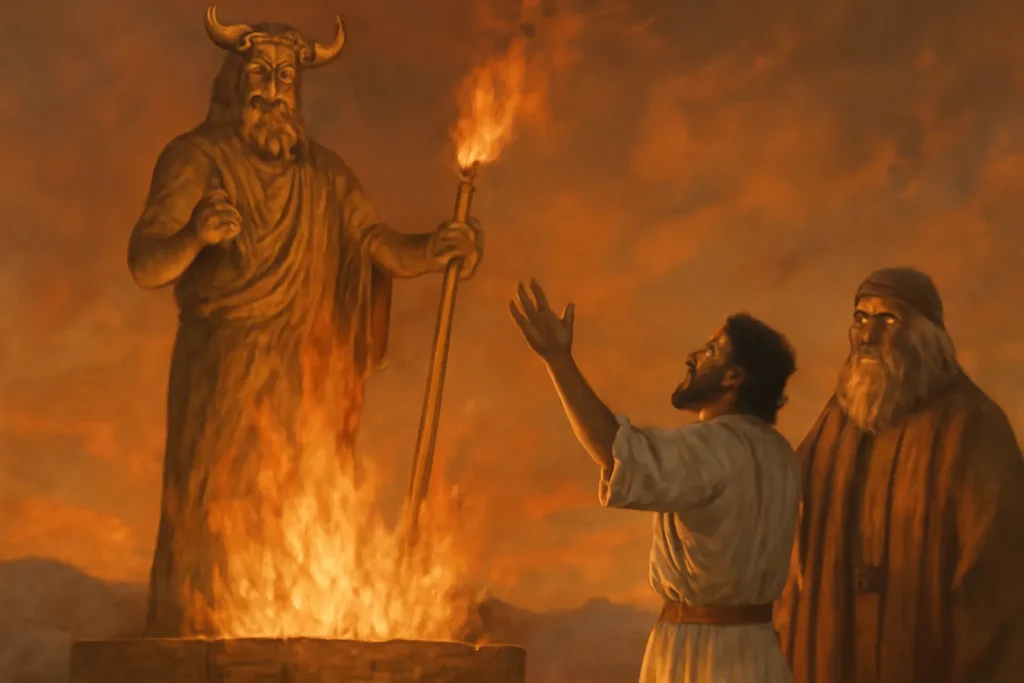
Elijah’s contest on Mount Carmel: A defining confrontation between Yahweh and the prophets of Baal is staged to demonstrate the superiority of the God of Israel; the dramatic display culminates in a disaster that exposes the impotence of Baalism in the presence of the true God.
Jehu’s purge of Baal worship: The royal purge orchestrated by Jehu in 2 Kings seeks to eradicate Baal cults from the land, highlighting how kings used religious reform as a vehicle for political realignment.
Baal Worship in the Hebrew Bible
In the biblical corpus, references to Baal and Baalim reflect a recurring crisis: the pull toward local deities and cultic expressions that clash with mainstream devotion to Yahweh. The residence of these cults in the land of Israel and Judah, their temples, and their priests contribute to a broader narrative about covenant fidelity, social stability, and the dangers of syncretism.
The Bible often emphasizes a pattern: cycles of apostasy (turning away from Yahweh), judgment (such as drought or conquest), repentance (return to exclusive worship), and reform (efforts to root out Baal worship). The following motifs recur across multiple books:
Idolatry and covenant breaking: The breach of exclusive worship of Yahweh is repeatedly described as a violation of the covenant, inviting divine discipline and national crisis.
Temple and high-place proliferation: The proliferation of altars, high places, and sacred groves dedicated to Baal and allied deities undermines centralized worship and threatens the sanctity of worship in Jerusalem or regional sanctuaries.
Prophetic condemnation: Prophets like Elijah, Hosea, and Jeremiah critique Baal-worship as a counterfeit religion that exploits human devotion and social order.
Military and political dimensions: Alliances through marriage, diplomacy, and client-city arrangements often linked Baal-centric cults to geopolitical ambitions, illustrating how religion and statecraft intersected in the ancient world.
Notable biblical passages and episodes include:
Judges 2:11-13 and related passages in the early history of the Israelite tribes, where Baalim are cited as the object of national apostasy.
1 Kings 18 (Elijah and Mount Carmel): The dramatic confrontation where the God of Israel decisively defeats Baal in a public demonstration of power, reinforcing the message of exclusive allegiance to Yahweh.
2 Kings 10 (Jehu’s purge): A ruthless removal of Baal worship from the northern kingdom, symbolizing a reform movement aimed at subduing competing religious authorities.
2 Kings 17 and related prophetic texts: The incorporation of foreign cults and the decline of Baal-worship after exile illustrate the biblical writers’ concern for religious contamination and political misalignment with the divine covenant.
The biblical portrayal of Baal worship is not merely about antiquarian religious trivia; it is used to illustrate broader themes such as loyalty to Yahweh, religious reform, and the consequences of political alliances that subordinate theological commitments to pragmatic concerns. The texts emphasize that the God of Israel desires an exclusive relationship with his people, and they often frame Baal-worship as a competing system that cannot satisfy the deepest longings of the community’s heart and destiny.
Practices, Institutions, and Rituals Associated with Baal Worship
While the Bible emphasizes moral and covenantal dimensions, it is also useful to describe the kinds of religious activities and institutions that were associated with Baal worship in the ancient world.
Temple precincts and shrines: Baal worship commonly took place in sanctuaries that housed statues or symbols of the deity, along with altars for sacrificial offerings. The physical landscape—cities, hilltops, and city gates—was often punctuated by these sacred spaces.
Ritual feasts and processions: Festal activities, culminating in communal meals and celebratory displays, formed an important facet of Baal cult practice and helped maintain social cohesion around the cult’s calendar.
Asherah poles and sacred trees: In many locales, the worship of Asherah and the use of sacred trees or posts accompanied Baal rites, highlighting a broader religious ecosystem rather than a single deity-centered ritual.
Prostitution and fertility rites (as described in certain prophetic condemnations): Some textual witnesses imply or assume that fertility cults connected with Baal rites included ritual acts meant to symbolize the fertility of the land. The biblical writers condemn these practices as part of the detestable idolatry of the surrounding nations.
Priests and temple economies: A cadre of priests, temple attendants, and ritual specialists managed the liturgical cycle of Baal cults, which in turn supported the economic networks of cities that depended on these religious structures.
The biblical texts often treat these practices as morally and religiously problematic because they divert devotion from Yahweh and invite social and spiritual instability. In addition, the prophets argue that external religious acts without genuine covenant faithfulness are hollow if they do not reflect a transformed heart and a renewed relationship with the God of Israel.
The phenomenon of Baal-like cults in neighboring cultures provides useful context. In the broader ancient Near East, storm and fertility deities with cultic centers across different city-states shared similar ritual patterns. The biblical writers, while critiquing Baalism, were not unaware of these shared religious landscapes. By comparing the Baal worship phenomenon with parallel cults in neighboring regions, scholars can appreciate how the biblical authors framed distinct national religious identities in relation to regional theological currents.
The rise and suppression of Baal worship had lasting consequences for political authority, religious reform, and the biblical imagination of true worship. Several key consequences recur across the historical books:
Religious reform and consolidation: Kings who sought to restore exclusive worship of Yahweh—such as Jehu—saw the eradication of Baal cults as an essential step in re-establishing a centralized religious and political order.
Prophetic critique of syncretism: Prophets consistently condemn the blending of worship practices, arguing that external rites without internal fidelity to the covenant undermine both religious identity and social justice.
Exile and memory: The deportations and exile events described in the prophetic narratives are framed, in part, as consequences of persistent Baal-worship and other forms of idolatry. In the post-exilic period, the biblical editors emphasize memory, repentance, and reform as means to restore proper covenantal relationship with Yahweh.
The broader theological message in the biblical text is clear: while local deities like Baal represented trusted channels for agricultural and seasonal blessings in the ancient world, the God of Israel remains the sovereign over nations and nature. The emphasis on exclusive worship, fidelity to the covenant, and the dangers of political-religious alliances without spiritual accountability are among the central themes that emerge from the biblical portrayal of Baal worship.
Legacy and Modern Interpretation
The study of Baal worship in the Bible continues to shape modern understanding of ancient religion, political power, and biblical ethics. Several enduring points emerge from scholarly and pedagogical engagement:
Historical complexity: Baal worship cannot be reduced to a single dogma; it was a spectrum of practices and regional variants. This complexity helps explain why biblical writers treat Baalism as both a concrete social phenomenon and a symbol of spiritual misalignment.
Monotheism and social memory: The biblical authors often present Baal-worship as a test case for the integrity of Israel’s devotion to Yahweh, illustrating how faith communities remember their covenant obligations in the face of competing religious options.
Ritual vs. moral critique: The biblical indictment of Baal worship emphasizes moral and ethical concerns—not only ritual correctness but fidelity, justice, and compassion within the community.
For readers and students, understanding Baal worship offers insight into:
How ancient Near Eastern religions shaped local ethics and civic life.
How the biblical authors used rhetoric to promote covenant loyalty and reform.
How religious pluralism interacted with political power in ancient societies.
Contemporary scholars also consider the methodological challenges in interpreting biblical references to Baal, including the semantic range of the term, the possibility of identifying multiple Baals across different locales, and the way authors reframe competing religions to advance theological and moral aims within their communities.
Conclusion: Why the Topic Remains Relevant
The study of Baal worship within the biblical context is not merely an antiquarian pursuit; it sheds light on enduring questions about religious identity, the relationship between religion and politics, and the dangers of compromising one’s commitments for pragmatic or expedient ends. The biblical portrayal of Baalism presents a consistent call to fidelity: to honor the covenantal relationship with Yahweh, to resist syncretism, and to align worship with a moral vision that extends beyond ritual practice to social justice, mercy, and righteousness.
For readers exploring this topic, key takeaways include:
The word Baal served as a label for multiple local deities and thus pointed to a broader religious ecosystem rather than a single, uniform cult.
In the Hebrew Bible, Baal worship is repeatedly depicted as a rival to Yahweh, with prophets casting it as a violation of the covenant and a source of social disruption.
Historical episodes—especially the Elijah on Mount Carmel and Jehu’s purge—illustrate how religious reform could be undertaken for political as well as theological reasons.
Scholarly work on this topic emphasizes the interplay between religion, politics, and ecology in the ancient world, highlighting how weather, agriculture, and ritual calendars shaped beliefs and practices.
In sum, the conversation about Baal worship in biblical literature illuminates an enduring human concern: the tension between competing visions of power, legitimacy, and devotion. It invites readers to consider how communities navigate the delicate balance between tradition, authority, and fidelity to a central divine call—an issue that resonates across ages and continues to inform discussions about faithfulness and worship today.









Leave a Reply