Bible Candle: Symbolism, Benefits, and How to Use It for Prayer and Meditation
Bible Candle: Symbolism, Benefits, and How to Use It for Prayer and Meditation
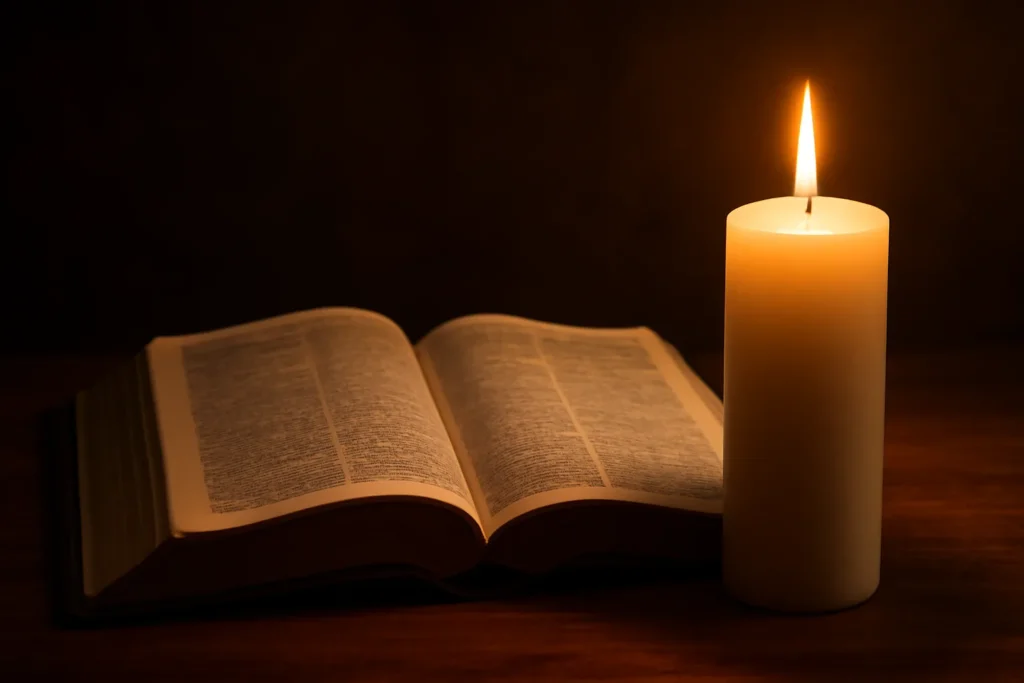
Across many Christian traditions, lighting a candle while studying the Bible or praying is a simple yet profound practice. The Bible candle, also called a scripture candle, Gospel candle, or prayer candle, serves as a tangible symbol of hope, illumination, and communion with the Divine. While the flame itself is a natural phenomenon, its meaning in a spiritual context is shaped by tradition, intention, and personal devotion. This article explores the symbolism behind the Bible candle, the benefits of using it in daily life, and practical ways to incorporate it into prayer and meditation. We will use a range of terms—biblical candle, scriptural flame, and holy light—to reflect the breadth of language associated with this enduring practice.
Light has an ancient and universal resonance in religious life. When a bible candle is lit, it immediately evokes several interwoven meanings that deepen spiritual focus and prayerful attention. Understanding these layers helps practitioners use the candle with intention rather than as a mere ritual gesture.
Light as a Manifestation of the Divine
In Christian thought, the Light of God is closely associated with truth, guidance, and presence. The flicker of a scripture candle can symbolize God’s illumination entering a human heart, revealing what is hidden and guiding paths that are uncertain. The candle becomes a visual metaphor for spiritual enlightenment—a reminder that even in darkness, there is a radiant source drawing us toward wisdom found in the Bible.
Flame as Life, Hope, and Continuous Prayer
The burning holy flame represents living faith in motion. A steady or growing flame can echo sustained prayer, perseverance, and hope in times of trial. Conversely, a small or wavering flame can signal a moment to pause, refocus, or invite grace to bolster one’s resolve. In this sense, the bible candle is not a trophy of piety but a dynamic companion in ongoing spiritual work.
Wax, Time, and Devotion
The wax of a candle contains within it the passage of time, slowly consumed as the flame burns. This aspect invites reflection on the patient work of spiritual formation, study, and the daily choices that shape character. The candle’s life span becomes a metaphor for a disciplined practice—allocating time to read, pray, and listen for God’s voice in Scripture.
Color, Fragrance, and Texture
While many Bible candles are plain white, color and aroma have their own symbolic value. A red candle might symbolize the blood of Christ, sacrifice, or the Holy Spirit’s fire. A golden or amber candle can evoke divine glory and majesty. Fragrance—whether subtle or prominent—can influence mood and openness during meditation. These sensory aspects can deepen contemplation when used with discernment and reverence.
Lighting a scripture candle in a group setting—whether during family prayer, a Bible study circle, or a church liturgy—creates a shared focal point. The visible light becomes a sign of communal faith, inviting participants to bring their prayers, burdens, and gratitude before God together. In this way, the candle supports both individual devotion and collective worship.
Sacred Space and Personal Boundary
A bible candle helps establish a dedicated space for contemplation. By designating a calm corner or tabletop as the place where light dwells, a person creates a boundary that signals, “Here, I slow down to listen.” The candle thereby anchors intention and provides a sensory cue that signals the transition from daily activity to spoken or silent prayer.
Variations of the Bible Candle: Names, Forms, and Traditions
There is a rich vocabulary surrounding the practice of lighting a candle in spiritual contexts. Different traditions and households may favor certain terms or forms, but the underlying purpose remains consistent: to illuminate faith, focus the heart, and invite contemplative response to Scripture.
Common Variants: What People Call It
Scripture candle — Emphasizes the Bible as the source of truth and light.
Biblical candle — A broad descriptor that aligns the practice with biblical narrative and memory.
Gospel candle — Connects illumination to the message and person of Christ as good news.
Prayer candle — Highlights the candle’s role in supplication, intercession, and devotion.
Holy flame — A traditional, poetic term emphasizing reverence and awe before the divine presence.
Forms and Setups You Might Encounter
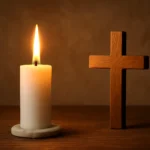
Tabletop votive or pillar candles placed near a Bible or devotional book.
Single-brand candles designed specifically for prayer corners, often with a label bearing a verse or symbol.
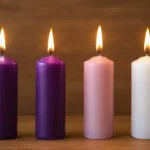
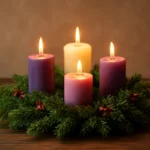
Advent or liturgical candles that align with seasons of the church calendar, which can deepen resonance with specific Scripture readings.
Home altar configurations where the candle sits among icons, rosaries, or sacred imagery to create a focal point for contemplation.
Texts and Verses Often Used Alongside the Candle
Many families or individuals pair their candle with a favorite Bible verse or a short prayer. Common choices include lines about light and guidance, such as:
Psalm 119:105—“Your word is a lamp to my feet and a light to my path.”
John 8:12—“I am the light of the world. Whoever follows me will not walk in darkness, but will have the light of life.”
Matthew 5:14-16—“You are the light of the world.”
Practical Variants in Practice
Sequential lighting during a Bible reading: light the candle at the start and extinguish it at the end, or relight at key verses to mark transitions in the text.
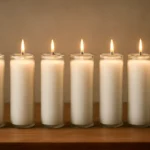
Communal candles during group prayer, where multiple candles are lit and placed in a circle to symbolize shared supplication.
Seasonal candles highlighting Advent, Lent, or Pentecost, aligning the candle’s symbolism with the liturgical calendar.
Benefits of Using a Bible Candle for Prayer and Meditation
Beyond its symbolism, the practice of lighting a candle during prayer or meditation offers concrete benefits that can support spiritual growth, emotional regulation, and mindful focus. Here are some of the most commonly observed advantages:
Enhanced Focus and Reduced Distraction
A steady, softly flickering flame draws the mind toward a single point of attention. This helps reduce scattered thoughts and provides an anchor for contemplative practice. In the presence of the candle’s light, readers often find it easier to settle into slow reading, quiet reflection, and attentive listening for God’s voice through Scripture.
Rhythms of Prayer and Habit Formation
Lighting the prayer candle can become a daily ritual that structures time for devotional life. Ritualized actions—lighting, reading, praying, and extinguishing—create a predictable framework that supports consistency, especially when life feels busy or uncertain.
Psychological Comfort and Emotional Balance
In times of stress or grief, the candle’s presence can be soothing. The ritual invites a pause, a breath, and a shared human experience of seeking solace in faith. For many, this simple practice reduces anxiety, fosters gentleness toward self and others, and creates space for processing difficult emotions within a spiritual context.
As the flame burns, the mind can become more receptive to Scripture’s language and imagery. The candle acts as a symbolic invitation to listen—whether through reading aloud, meditating on a verse, or contemplating a parable. The combination of tactile activity (lighting the candle) and verbal or quiet reflection often deepens comprehension and personal resonance with the text.
Symbolic Continuity Across Life Stages
From childhood prayers at a family altar to adult quiet times, the biblical candle provides a through-line of continuity. It can bridge generations by letting shared prayers and favorite verses travel forward, becoming a personal lineage of faith that families can pass down as a precious practice.
Conclusion on Practical Benefits
Ultimately, the benefits of using a Bible candle emerge when the flame is integrated with sincere intention. The candle is not a magical object but a symbolic tool—a visible sign of inner attention to God, Scripture, and spiritual discipline. The more consistently we pair the light with Scripture, the more we cultivate a habit of divine attentiveness that can enrich daily life.
How to Use a Bible Candle for Prayer: A Practical Guide
If you’re new to using a scripture candle in daily prayer, you can begin with a simple, structured approach and adapt it as you grow more comfortable. The following steps offer a practical framework that respects diverse traditions while remaining accessible to beginners.
Preparation: Creating a Sacred Space
Choose a quiet, undistracted space where you can sit comfortably for 5–20 minutes.
Place a Bible or a selection of verses nearby. Consider a notebook or journal for writing reflections.
Light the candle with a deliberate gesture, acknowledging the intention to seek God’s presence. You might say a short opening prayer or a moment of silence to invite listening.
Turn off or silence electronic devices to protect the space from interruptions.
Opening and Focus: Centering Your Attention
Take a few slow breaths to settle the body and quiet the mind. Let the flame’s movement anchor your attention.
Read a short Scripture passage aloud, or listen to a chosen verse in a meditative way.
Highlight a key word or phrase in the verse and underline it in your mind as a focal point for reflection.
Prayerful Reflection: Listening and Responding
Communicate your needs, fears, gratitude, or intercessions in your own words, using the candle as a witness to your sincerity.
Offer a brief silent listening period, inviting God to speak through Scripture, impressions, or memory.
Repeat the phrase or verse that you centered on, allowing it to shape your conversation with God.
Closure: Returning Light to Daily Life
Close with a short blessing or benediction, again using the candle’s presence as a reminder of God’s ongoing care.
Extinguish the flame slowly, if appropriate, or leave the candle burning if it is safe and customary in your setting.
Journal a brief note about what you learned, felt, or noticed during the practice to sustain memory and growth.
Optional Variations
Scripture selection: Pick a theme (grace, forgiveness, courage) and choose verses that align with it.
Prayer model: Use a structured model such as ACTS (Adoration, Confession, Thanksgiving, Supplication) while the candle burns.
Group practice: In a small group, light a candle together and take turns sharing a verse and a brief personal reflection.
Common Pitfalls to Avoid
Treating the candle as a magic talisman rather than a symbol of spiritual focus.
Neglecting safety: keep the candle away from flammable materials, never leave it unattended, and use a proper holder.
Rushing through the practice; give yourself time to listen beyond words and to sit with a single verse or image.
How to Use a Bible Candle for Meditation: Deepening Stillness and Insight
Meditation with a lit candle emphasizes listening more than speaking. The scripture candle can serve as a doorway to inner stillness, helping the mind rest in God’s presence while Scripture refracts through the heart in fresh ways.
Foundational Approach
Begin with a short prayer for attention and receptivity.
Gaze softly at the flame for a minute or two, allowing it to become a contemplative mirror—reflecting your inner intentions back to you.
Read a brief verse and then close the eyes to reflect on the verse’s meaning, asking yourself how it applies to daily life.
Guided Meditation with a Scriptural Focus
Select a single verse or short passage. Read it slowly twice, each time noticing new nuances.
Close eyes and repeat the verse mentally, tracing its imagery with the breath.
Invite God to illuminate the verse in your heart, paying attention to any thoughts, emotions, or sensations that arise.
Open your eyes, write a one-sentence takeaway, and end with a short prayer of gratitude for the insights received.
Silent Listening and Discernment
Extended meditation with a prayer candle can involve periods of silent listening for God’s guidance. In this mode, the candle remains, not as a spectator, but as a symbol of ongoing attentiveness. You might consider keeping a quiet, ongoing vigil where the flame marks the time you’ve set aside for listening rather than for active speaking.
Safety Tips and Practical Considerations
While a Bible candle can enrich prayer and meditation, safety is essential. Candles involve fire, and thoughtful precautions help ensure a peaceful and secure practice at home or in communal settings.
General Safety Guidelines
Place the candle on a stable, heat-resistant surface away from curtains, papers, and fabric.
Use a proper candle holder to catch dripping wax and to minimize tipping hazards.
Never leave a burning candle unattended. Extinguish it before leaving the room or going to sleep.
Keep candles out of reach of children and pets.
Ensure adequate ventilation, especially if using scented candles or burning for extended periods.
Choosing the Right Candle
White candles often symbolize purity and clarity; colored candles may carry additional symbolic associations, as discussed earlier.
Natural or soy wax candles tend to burn cleaner and longer, which can be more suitable for longer reflection sessions.
Opt for modest burn times if you’re new to this practice; you can gradually increase the duration as you become more comfortable.
Environment and Posture
Find a comfortable, upright posture that supports breathing and alertness.
Dim the room to reduce glare and allow the candle’s glow to dominate your visual field, if possible.
Consider a small, dedicated space or altar that you can return to regularly, reinforcing a sense of sacred space.
Practical Myths and Truths About the Bible Candle
Some questions often arise when people begin exploring the use of a lit candle in spiritual practice. Here are a few common myths, followed by practical truths to guide honest use.
Truth: The candle is a symbolic aid. It helps orient the heart toward God and Scripture, but it does not guarantee outcomes. The real transformation comes through prayer, practice, and grace that accompanies faithful seeking.
Myth: It must be perfect or ceremonial to be meaningful.
Truth: The value lies in intention and consistency. A simple, daily ritual may be more impactful than a grand, infrequent ceremony. Authenticity matters more than extravagance.
Myth: Only certain traditions can use a Bible candle.
Truth: While some denominations have more formal liturgical practices, anyone can adopt a candle as a personal aid to prayer and meditation, respecting safety and personal convictions.
Truth: The candle complements Scripture. The two together—word and light—enhance comprehension and reflection, but neither should displace intentional reading, study, and study-led meditation.
Related Practices and Further Reading
For those who want to expand their contemplative toolkit, several related practices resonate well with the concept of a Bible candle. These approaches can be combined with the use of a biblical candle to deepen spirituality and understanding.
Complementary Quiet Practices
Breath-centered meditation with Scripture reading.
Centering prayer or Christian mindfulness that uses a short verse as a focal point.
Lectio Divina, a traditional method of reading, meditating, responding, and contemplating a sacred text.
Symbolic acts such as lighting a candle at the start of a Sabbath or personal retreat.
Books on contemplative prayer and Christian meditation that discuss how physical elements like candles can aid reflection.
Church calendars and devotional guides that incorporate candles into seasonal or weekly practices.
Faith communities that host candlelight vigils, prayer vigils, or Bible study nights with candlelit settings.
Conclusion: Embracing Light in Scripture and Prayer
A bible candle serves as a simple yet powerful instrument for focusing attention, inviting quiet, and symbolically aligning the heart with God’s Word. Whether you call it a scripture candle, Gospel candle, or prayer candle, the essential idea is the same: light as a sign of divine presence, a reminder of truth in Scripture, and a companion through the rhythms of prayer and meditation. By incorporating this humble practice with care—honoring safety, tradition, and personal receptivity—you can cultivate a richer, more intentional spiritual life that bridges the inner life and the world of faith you seek to embody each day.
As you embark on your own journey with the candle, remember that the flame is a symbol, not a performance. Its value lies in how it helps you engage with Scripture, respond in prayer, and enter moments of stillness where you can hear the gentle promptings of God. May your Bible candle illuminate your path, strengthen your faith, and accompany you as you grow in wisdom, compassion, and devotion.




Leave a Reply