The Bible Verse Great Physician: An Overview of Jesus as the Healer
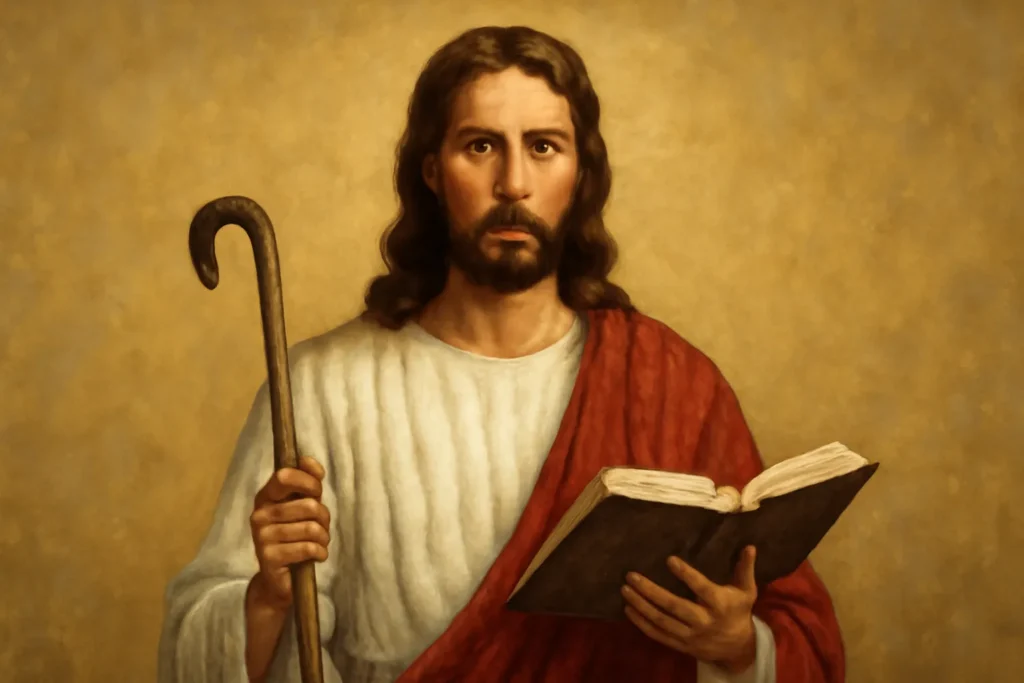
Across biblical literature, readers encounter a powerful image: Jesus as the Great Physician.
This title is not a single word in Scripture, but a faithful description that emerges from a pattern of verses
and stories in which a compassionate healer meets human brokenness. In popular language, people often say the great physician Bible verse or great physician in Scripture when talking about
Jesus’ healing work. In this article, we will explore how the Bible presents the Great Physician,
what it means for physical and spiritual healing, and how believers today can reflect this healing ministry in
prayer, community life, and faithful living.
Foundations: Old Testament Foreshadowing of Healing
The Bible lays groundwork for understanding the Great Physician through prophetic and thematic
statements that anticipate a healer who transcends human medicine. Although the exact phrase “Great Physician”
appears as a devotional title rather than a verbatim name in the old covenant, the imagery of healing and
restoration is abundant. The most cited anchor is the prophetic passage that points to healing through the
suffering servant.
Isaiah 53:5 — "But he was pierced for our transgressions, he was crushed for our iniquities; the punishment
that brought us peace was on him, and by his wounds we are healed." This verse has long been harmonized with the
belief that suffering for others’ healing is a hallmark of the Messiah, a criterion that the Great Physician
fulfills in the New Testament revelation.
Isaiah 61:1 (quoting the prophet in a messianic sense) — "The Spirit of the Lord God is upon me, because the Lord
has anointed me to proclaim good news to the poor... to proclaim freedom for the prisoners and recovery of sight
for the blind, to set the oppressed free." This healing manifesto prepared readers for the fuller
revelation of Jesus as the divine healer who fulfills the scripture in personal form.
Other Old Testament glimpses speak of restoration, renewal, and physical wellness as part of God’s
redemptive work, providing a backdrop for the New Testament claim that Jesus embodies the healing power of God.
New Testament Realizations: Jesus as the Great Physician in Action
In the New Testament, the title Great Physician becomes a descriptive lens through which the
Gospels portray Jesus’ life and ministry. He does not simply heal isolated cases; he inaugurates a ministry of
restoration that touches body, mind, and soul. The healing miracles, combined with his proclamation of good news, reveal
the comprehensive scope of his mission: to restore creation to its intended harmony.
Key Gospel Portraits: Healing as a Sign of the Kingdom
The four Gospels present Jesus' healing as a living sign of God’s reign breaking into the present age. When Jesus
heals, it is not merely an isolated event; it signals that God’s forgiveness, mercy, and social renewal are at hand.
Consider these representative snapshots:
Matthew 4:23-24 — "Jesus went throughout Galilee, teaching in their synagogues, proclaiming the good news of the
kingdom and healing every disease and sickness among the people." This verse immediately ties teaching and healing
together as integral expressions of the messianic ministry.
Matthew 9:35 — "Jesus went through all the towns and villages, teaching in their synagogues, proclaiming the
good news of the kingdom and healing every disease and sickness." A reiteration that healing is part of the
ongoing gospel proclamation.
Luke 5:17 — "And the power of the Lord was with him to heal." Healing is presented as a powerful work that
accompanies the presence of God among people.
Representative Healings: Stories that Teach about Faith and Healing
Several healing narratives become teaching moments about faith, persistence, and the nature of divine mercy. Here are
a few standout accounts that illuminate the healing ministry of Christ:
Luke 8:43-48 — The woman with the issue of blood touches Jesus’ cloak in faith and is healed. Jesus’ gentle response,
"Daughter, your faith has healed you. Go in peace," emphasizes personal encounter and belief as the conduit of healing.
Mark 2:1-12 — The paralytic lowered through the roof is healed after Jesus forgives his sins and declares healing as part of salvation.
John 5:1-9 — The Bethesda pool narrative highlights Jesus’ initiative in healing, challenging cultural assumptions
about healing waters and elucidating faith as a personal response to divine initiative.
John 9:1-12 — The man born blind is healed, prompting a response about spiritual sight alongside physical sight.
Luke 17:11-19 — Ten lepers are healed; only one returns to give thanks, teaching gratitude, faith, and the expansive mercy of God.
Theological Significance: Why Healing Matters in Biblical Theologies
Healing in the Bible is not merely a spectacle of miracle power; it carries deep theological meaning. When the Great Physician
heals, God’s purposes for restoration, mercy, and communal renewal are underscored. Healing is related to recovery from
sin, restoration of relationships, and the renewal of creation. The gospel writer’s emphasis on salvation and healing as interconnected aspects of God’s redemptive work invites readers to view physical
healing as a tangible foretaste of spiritual rescue.
A central biblical claim is that healing points toward deeper salvation. The same Jesus who forgives sins and
welcomes sinners is the one who makes people well in body and spirit. This integrated view of healing is expressed
in many passages that connect compassion, forgiveness, and healing in one divine action. As you study the great physician Bible verses,
you’ll notice that healing often accompanies forgiveness (for example, in stories where Jesus announces the forgiveness of sins
and then demonstrates healing through physical restoration).
The biblical portrayal of Jesus as the Great Physician offers practical guidance for contemporary faith communities.
Believers do not merely study the healing stories as ancient anecdotes; they are invited to participate in compassionate ministry,
cultivate faith in prayer, and support one another in illness, doubt, or despair. Here are some practical avenues to
embody this healing ministry in everyday life.
Faith-Led Approach to Healing
Recognize that faith is not a magic wand but a posture of trust in God’s wisdom and mercy.
Understand healing as a process that can involve medicine, medicine’s wisdom, and the community’s presence.
Pray with expectancy, asking for God’s will to be done and for the comfort and sustainment of those who suffer.
Prayer, Laying on of Hands, and Anointing
James 5:14-16 describes prayer for the sick, the role of elders, and the healing that can come through diligent prayer and confession. This passage has inspired many Christian communities to practice prayer for healing as a meaningful spiritual discipline.
In contexts that practice sacramental or liturgical life, anointing with oil is sometimes used as a symbolic act of faith and care, echoing the New Testament instruction to request healing in the name of the Lord.
Community support—visiting, accompanying, listening—often proves as healing as formal prayers, reflecting the body of Christ at work.
Healing stories train believers in how to respond—with humility, gratitude, and a willingness to be transformed by encounter with God.
Story-driven teaching makes complex theological ideas accessible: compassion, power, mercy, and justice are learned “in the living room of the church” as people witness healing in community.
As with any rich biblical theme, there are potential misunderstandings about the great physician in the Bible that
warrant careful clarification. Here are several common questions and clarifications:
Does God always heal immediately? The biblical record includes both instantaneous healings and gradual restoration. The essential claim is not only the speed of healing but the reign of God’s mercy and integrity in the process.
Is healing always about physical health? Healing often encompasses spiritual, emotional, and relational restoration. Jesus’ healings frequently aligned physical wellness with forgiveness, cleansing, and renewed relationship with God.
Why doesn’t every prayer for healing seem to be answered? The Bible invites believers to approach God with faith, but it also invites trust that God’s wisdom governs outcomes. Healing may come in this life or in the fullness of the age, and often healing includes strength to endure, resilience, and intact community support even when illness persists.
If Jesus is the Great Physician, then his healing ministry also provides a template for how Christians
should approach sickness and pain in their communities. The model includes bold compassion, patient listening,
and a willingness to serve wherever needs arise. In practical terms, this means:
Meeting people where they are, with a listening ear and a readiness to offer comfort.
Offering practical care—meals, rides, help with errands—so that healing can take place within a supportive network.
Praying with others in humility, recognizing that healing is ultimately in God’s hands, and that mercy may unfold in many forms.
Sharing the hope of restoration that the Gospel provides, even in the face of chronic illness or ongoing pain.
Variations of the Great Physician Theme in Worship and Teaching
Across Christian traditions, the theme of Jesus as healer appears in hymns, sermons, and devotional writings under several forms:
The Great Physician as a title used in prayers and songs that emphasize God’s mercy and power to restore.
Jesus, the healer of souls highlighting spiritual restoration as part of healing ministry.
Divine physician offers a language that connects human medicine with God’s higher wisdom.
Healer of nations points to healing not only for individuals but for communities suffering under injustice, war, or poverty.
The Bible presents a compelling portrait of the Great Physician, a healer whose compassion reaches
to the deepest places of need. From the prophetic anticipation in the Old Testament to the tangible healing
encounters in the Gospels, Jesus embodies a healing power that is inseparable from grace, mercy, and restored relationship with God.
Whether we encounter healing as a physical relief, a renewed hope, or a stronger sense of community, the core truth remains:
God’s mercy is active, God’s power is real, and Christ’s healing work continues to unfold among and within his people.
As you read and meditate on the theme of the Great Physician, you might prayerfully consider the following questions:
Where do I most need healing—physically, emotionally, or spiritually?
How can I foster a supportive community that reflects Christ’s healing love?
What fears or doubts arise when I bring needs before God in prayer, and how can I bring them before God with faith?
In what ways can I participate in the healing ministry of my church or community—through service, prayer, or advocacy for justice that leads to restoration?
In closing, the expression Bible verse great physician or great physician Bible verse is more than a keyword
phrase; it is a doorway into understanding how God meets humanity in mercy, how Jesus fulfills the prophetic hope for healing,
and how believers today can participate in healing as a visible sign of the Kingdom. Whether you approach the topic from
a devotional angle, a theological study, or a pastoral concern, the message remains consistent: Jesus the healer
offers mercy, power, and restoration to all who come to him in faith.









Leave a Reply