Brief Overview of the Old Testament: A Concise Guide to Its Books, Themes, and Timeline
The Old Testament is a diverse library of ancient writings that forms the first part of the Christian Bible and the complete Hebrew Bible for Judaism. It spans many genres, from narrative history to poetry, law codes, and prophetic oracles. This article offers a concise guide to its books, the major themes that run through them, and a broad timeline that helps readers see how the stories, laws, and prophecies fit together. By looking at the structure, the central motifs, and the historical horizons, readers can gain a clearer sense of what the Old Testament is trying to accomplish and how its parts relate to one another.
The Book Wallet: How the Old Testament Is Organized
In most Christian canons, the Old Testament is divided into four primary groups, each with distinctive purposes and literary styles. In Jewish tradition, the order and grouping differ slightly, but the core material remains the same. The main divisions you will encounter are:
Pentateuch or Torah — the five foundational books that establish the creation narrative, the founders of the people of Israel, and the covenantal law given at Sinai.
Historical Books — a collection of narratives that trace the fortunes of Israel from conquest and settlement through monarchy, division, exile, and return.
Wisdom Literature and Poetic Writings — a corpus of poetry, reflections on life and worship, proverbs, and philosophical meditations on meaning, suffering, and justice.
Prophetic Books — messages spoken by prophets, calling Israel to fidelity, indicting social injustice, and offering visions of judgment and renewal.
Within these groups, you will find a range of literary forms: genealogies, laws, voyage and war narratives, psalms of praise and lament, songs of ascent, parables, apocalyptic visions, and more. Some readers notice a deliberate structure that mirrors an ancient Near Eastern pattern: beginnings are anchored in creation and patriarchs, middle sections explore nation-building, and later portions address crisis, exile, and restoration. As you study, you may also encounter alternate orders or labels, especially when comparing Jewish and Christian editions. The common thread across all of these writings is their shared concern with covenant fidelity, communal identity, worship, and the question of how God relates to humanity.
The Pentateuch: The Torah and the Foundational Narrative
The Pentateuch (also called the Torah in Jewish tradition) contains the earliest material and serves as the theological foundation for the rest of the Old Testament. It presents creation, sin, promises, law, and the formation of the people Israel. This section is best read as a continuous arc that moves from the primeval world to the establishment of a people under a divine program for living in covenant with their God.
Genesis: Foundations of Creation, Promise, and People
Genesis covers very large timelines and themes. It begins with the creation of the world and humanity, the Fall into disobedience, and the emergence of the covenant people through the patriarchs—Abraham, Isaac, and Jacob. It is in Genesis that you encounter some of the most enduring foundational ideas of the Old Testament: divine promise, blessing, land, and blessing to all nations through Abraham’s offspring. The narrative then widens to include Joseph and a family migration to Egypt, setting the stage for the next major movement in the story: liberation from oppression and the formation of a people under God’s law.
Exodus: Deliverance and the Sinai Covenant
Exodus tells how the Israelites move from bondage to freedom, guided by Moses. The book famously recounts the Exodus from Egypt, the crossing of the Red Sea, and the dramatic revelation at Mount Sinai, where God gives law and establishes the covenant with the people. Core components include the ten commandments, instructions for building the tabernacle, and a legal and liturgical framework intended to shape a people who live in the presence of God. The themes of deliverance, holiness, and worship appear repeatedly as the people learn to trust and obey their God.
Leviticus, Numbers, and Deuteronomy: Law, Wilderness, and Renewal
These books continue the story of the wilderness generation as they learn to live under a formal covenant code. Leviticus emphasizes how Israel is to approach a holy God through purity, sacrifice, and ritual living. Numbers traces the wilderness wanderings and the testing of faith, while Deuteronomy revisits the law in a series of sermons attributed to Moses, shaping a second generation ready to enter the Promised Land. The recurring idea across these volumes is that obedience and fidelity to the covenant are life-giving, whereas disobedience leads to disruption and danger.
Historical Books: From Settlement to Exile and Return
The Historical Books narrate the arc of Israel’s national story: the conquest of Canaan, the era of the monarchies, civil division, foreign domination, exile, and eventual restoration. This section is especially valued for its dramatic storytelling, political realism, and evolving theology about God’s presence among a complex people.
Joshua chronicles the entry into the land and the allotment of territories to the tribal groups. It emphasizes faithfulness, courage, and the dangers of compromise with surrounding cultures.
Judges presents a pattern of cycles: sin, oppression, a deliverer, peace, and relapse. It shows how fragile national cohesion can be when leadership falters and idols resurface.
Ruth provides a poignant narrative about loyalty, family lineages, and the inclusion of Gentiles into God’s people, foreshadowing broader themes of grace.
Samuel and Kings trace the establishment of a united monarchy under Saul, David, and Solomon, followed by the division into the Northern and Southern Kingdoms. They explore how leadership and faithfulness intersect with political power.
Chronicles retells many of the same events with a focus on worship, temple service, and the Davidic covenant, highlighting how proper worship sustains the people even during upheaval.
Ezra and Nehemiah describe the return from exile, the rebuilding of the temple and walls, and efforts to reestablish Torah-centered life in Jerusalem.
Esther offers a story of courage and providence within a foreign empire, illustrating how God’s people can endure even when circumstances seem perilous.
Across this historical arc, readers encounter recurring issues such as conquest, diaspora, the temple, and questions about who belongs to the people of God. The historical books emphasize how God interacts with leaders and communities in concrete, sometimes turbulent, circumstances, shaping a national memory that informs later theological reflection.
Wisdom Literature and Poetic Writings: Reflections on Life, Worship, and God’s World
The Wisdom Literature and the Poetic Writings offer reflective, often philosophical voices within the Old Testament. These books explore questions about human nature, suffering, justice, and the proper posture of worship before God. They complement the legal and narrative portions by providing contemplative perspectives on daily life and the mysteries of existence.
Job, Psalms, Proverbs, Ecclesiastes, and Song of Songs
Job wrestles with the problem of suffering and divine justice, presenting a nuanced dialogue about righteousness, mercy, and the limits of human understanding.
Psalms collects songs and prayers that express praise, lament, gratitude, and trust. It is a resource for individual devotion and communal worship alike.
Proverbs offers practical wisdom—principles for living well, ethical conduct, and the pursuit of virtue—often in concise, memorable form.
Ecclesiastes engages in a sober meditation on the meaning of life, the limits of human effort, and the sense in which faithful living matters beyond immediate outcomes.
Song of Songs presents an allegorical and intimate portrayal of love, relationship, and beauty, often interpreted as a celebration of human love within a broader spiritual frame.
These books do not merely teach facts; they cultivate a language for worship, doubt, joy, and wonder. They remind readers that faith is lived out in daily rhythms and that wisdom often comes through experience, humility, and a reverent posture toward mystery.
Prophets and Their Messages: Voices Beyond the Present Moment
The prophetic books form a central thread in the Old Testament’s conversation about justice, fidelity, and future hope. The prophets spoke to kings and common citizens alike, addressing idolatry, social injustice, and the call to repentance. They also offered visions of renewal and a future in which God would restore his people and heal the world in transformative ways.
Major Prophets: Isaiah, Jeremiah, Lamentations, Ezekiel, Daniel
Isaiah presents a sweeping vision of judgment, hope, and a future messianic rule. It is famous for its calls to righteousness and its expectations of restoration through a suffering servant figure in some traditions.
Jeremiah speaks during a period of national crisis, warning against false security and calling for heartfelt repentance and reform. It emphasizes God’s enduring faithfulness even when circumstances seem bleak.
Lamentations is a collection of mournful poems reflecting on destruction and exile, yet it also holds threads of trust in God’s steadfast love.
Ezekiel offers dramatic visions and symbolic acts that reveal judgment, salvation, and a future temple and renewed people.
Daniel blends narrative and apocalyptic imagery, highlighting integrity under pressure and the supremacy of God over earthly kingdoms.
These books address the tension between immediate political realities and enduring divine purposes. They invite readers to consider how disaster and exile can become opportunities for renewal and how God’s purposes often transcend human plans.
Minor Prophets: The Shorter Voices with Big Impacts
The Minor Prophets—Hosea through Malachi—are not less important merely because their volumes are shorter. They speak with urgency to issues of injustice, faithfulness, and trust in God’s timing. They often address communities in recovery, warning against turning away from the covenant and urging repentance, social righteousness, and hopeful anticipation of restoration.
Hosea’s metaphor of unfaithfulness and steadfast mercy emphasizes God’s persistent love.
Amos and Micah speak directly to social ethics, calling for justice in economic and civic life.
Jonah presents a paradox about God’s compassion extending even to non-Israelite peoples.
Malachi concludes the prophetic collection with calls to fidelity and a preparation for future fulfillment.
Timeline of Key Eras and Events: A Big-Breath View
Readers often benefit from a rough chronology that helps place the books in time. The Old Testament unfolds across several major eras, each with distinctive concerns and literary forms. The dates below are approximate and reflect broad scholarly consensus used for educational purposes rather than a precise historical chronology.
Primeval history and patriarchal era (roughly dated to the second millennium BCE in traditional frameworks): Creation narratives, patriarchs, and the formation of a people who will become Israel.
Sojourn in Egypt and the Exodus (roughly 15th–13th centuries BCE): Liberation from oppression, wilderness wandering, and the founding of covenant life at Sinai.
Conquest and settlement in Canaan (late 13th–12th centuries BCE): Joshua leads the people into the land and allocates territory to the tribes.
Judges and the era of the United and then Divided Monarchy (11th–9th centuries BCE): A period of leadership transitions, cycles of faithfulness and failure, and the rise of centralized worship in Jerusalem.
United and Divided Monarchy (10th–9th centuries BCE for the peak; 9th–6th centuries BCE for the division and decline): Kings such as David and Solomon shape national identity and temple worship; after Solomon, the kingdom splits into Israel (north) and Judah (south). The prophets begin to speak into these crises.
Exile and Return (6th–5th centuries BCE): The Assyrian conquest empties the Northern Kingdom; the Babylonians conquer Judah and exile its leaders and people; later, return under Persian authorization leads to temple rebuilding and reform.
Intertestamental context and the later genres (post-biblical horizon and the development of apocalyptic and didactic literature in some traditions): While not part of the canonical Old Testament in most traditions, this period shapes later interpretations and expectations, especially in Christian circles.
Across these eras, the key milestones—the exodus, the giving of the law at Sinai, the establishment of the temple, the exile, and the return—function as a continuous thread. The timeline helps readers understand why certain books emphasize temple worship, while others focus on exile and hope for renewal. It also clarifies why the prophets speak so often about fidelity to the covenant and hope for a future restoration.
Major Theological Themes That Span the Old Testament
A distinctive feature of the Old Testament is the way certain themes recur with variation across different books and genres. These themes are not merely theological abstractions; they shape the way characters act, communities decide, and readers interpret historical events. The following themes are central to much of the Old Testament literature.
Covenant and promises: A defining relationship between God and the people, based on faithfulness, obedience, and divine initiative.
Law and worship: Instructions for holy living, ritual practice, and devotion that shape communal identity.
Land and nationhood: The land of Canaan is central to identity, blessing, and spiritual mission.
Judgment and mercy: Repeated cycles of discipline for disobedience and opportunities for repentance and renewal.
Prophecy: Calling the people to fidelity, warning against injustice, and pointing toward future hope through God’s timing.
Wisdom and human frailty: Seeking understanding about life, suffering, and the proper posture toward God in daily living.
Restoration and hope: Even after judgment, there is a persistent thread of renewal and a future that God holds out to the faithful.
Reading the Old Testament: How to Approach Its Books
Approaching the Old Testament can be both rewarding and challenging because of its breadth, diversity, and historical distance. The following practical notes can help readers gain the most from their study, whether for personal devotion, classroom discussion, or apologetics and theology.
Read in clusters: Group related books—Pentateuch, historical narratives, wisdom literature, and the prophetic books—to appreciate their shared concerns and contrasts.
Track themes: Note recurring motifs like covenant, obedience, justice, and mercy, and observe how they develop across genres and eras.
Pay attention to genre: Recognize poetry, narrative, law, and prophecy as distinct modes of communication, each needing its own interpretive approach.
Context matters: Consider historical, political, and cultural contexts to avoid reading the text anachronistically or anachronistically imposing modern concerns onto ancient language.
Use cross-references: Compare how a theme or event is described in multiple books to gain a fuller sense of meaning and emphasis.
Balance messianic expectation and historical context: Some passages point forward to future fulfillment, while others speak to immediate concerns of the day.
Variation Across Traditions: Jewish and Christian Canons
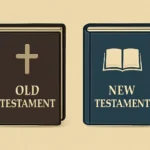
There are subtle but meaningful differences in how the Old Testament is organized and interpreted across traditions. In the Jewish canon, the books are arranged into three divisions—Torah (law), Nevim (prophets), and Ketuvim (writings). In Christian canons, the familiar groupings are Pentateuch, Historical Books, Wisdom/Poetry, and Prophets, with the Major Prophets and Minor Prophets as sub-sections. The Protestant and Catholic Bibles also differ in the inclusion of additional books in the Catholic canon (the so-called Deuterocanon/Apocrypha). These variations influence how readers hear the text and understand its authority, but the underlying content remains largely the same, and the core stories, laws, and prophetic messages overlap across traditions.
A Compact Survey of the Old Testament’s Core Books
To help orient readers, here is a compact list of the main books by group, with one or two framing notes for each.
Pentateuch (Genesis, Exodus, Leviticus, Numbers, Deuteronomy) — foundational stories, laws, and covenantal theology that explain how the people of Israel are called to live with God.
Historical Books (Joshua, Judges, Ruth, Samuel, Kings, Chronicles, Ezra, Nehemiah, Esther) — narratives of conquest, monarchy, exile, and return, with a focus on how worship and obedience shape national life.
Wisdom Literature (Job, Psalms, Proverbs, Ecclesiastes, Song of Songs) — reflections on God, life, and worship through poetry, proverbs, and philosophical inquiry.
Prophetic Books (Isaiah, Jeremiah, Lamentations, Ezekiel,Daniel, and the Twelve Minor Prophets: Hosea–Malachi) — calls to repentance, warnings of judgment, and visions of future restoration and blessing.
Each group contributes to a holistic picture of how the ancient authors understood God’s plan for his people and the world. Readers who greet the Old Testament as a unified library often experience a sense of continuity in God’s dealings with humanity, even as the genres and circumstances shift across centuries.
Practical Takeaways: Why the Old Testament Matters Today
Even though these writings come from a distant era, they continue to shape religious practice, ethical reflection, and literary study in meaningful ways. Several practical takeaways stand out for readers encountering the Old Testament in a modern context:
Ethical formation: The law codes and prophetic indictments challenge readers to consider issues of justice, mercy, and neighbor love in concrete ways.
Worship and reverence: The materials on worship, sacrifice, and festival life reveal the centrality of approaching God with reverence and sincerity.
Identity and community: The stories of leaders, families, and tribes show how a people’s identity is formed through shared memory, practice, and belief.
Faith under pressure: The prophetic and historical narratives depict resilience in the face of oppression, exile, and uncertainty, offering models for endurance and hope.
Truth-telling about power: The prophets frequently challenge rulers, priests, and elites to justice and accountability, a pattern that invites readers to reflect on leadership today.
Literary richness: Reading poetry, wisdom, and narrative together reveals a multi-faceted approach to truth, beauty, and meaning that transcends time and culture.
Because the Old Testament was originally written in Hebrew (with some Aramaic passages in later books), scholarly study often involves translation and textual criticism. Different English translations emphasize different nuances, and study methods range from devotional reading to literary analysis and historical-critical approaches. When reading, you may choose a translation that emphasizes readability for personal devotion or a more literal version for careful study. Regardless of the method, the central aim remains to understand the text in its own terms while allowing modern readers to draw relevant insights for faith, ethics, and life.
For readers who want to build a coherent plan to explore the Old Testament in depth, here is simple guidance that respects the diversity of the library while offering a clear path forward.
Start with the Pentateuch to ground yourself in the core theological language and the covenantal framework that recurs throughout the rest of the books.
Move into the Historical Books to see how the covenant plays out in national life, including the rise and fall of kings, the temple’s fate, and the question of exile.
Read the Wisdom Literature to encounter human experience in dialogue with God—questions about suffering, joy, work, love, and meaning.
Explore the Prophets to understand the critique of injustice, the call to repentance, and the promises that point toward future renewal.
Use cross-references to notice how themes travel across the entire corpus, enriching your understanding of God’s character and purposes.
There is value in reading the Old Testament as a single, interconnected conversation rather than as a pile of ancient documents. The old testament narrative unfolds through a tapestry of stories, laws, songs, and oracles that together invite readers into a larger conversation about who God is, how humans relate to God, and what it means to live with fidelity and hope in a world that often resists both. Whether you approach the text for scholarly study, spiritual formation, or cultural literacy, you will encounter enduring questions and enduring invitations—questions about justice, mercy, power, and the stubborn, surprising ways God remains present with his people.





Leave a Reply