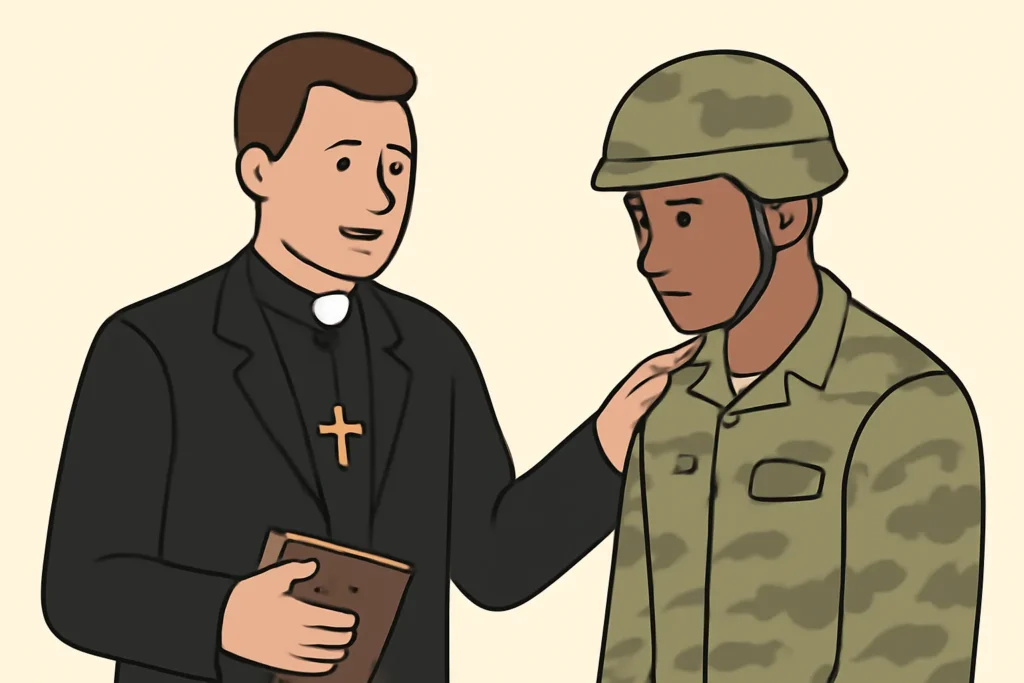
Chaplaincy is a professional practice centered on spiritual care, human connection, and the relief of distress across varied settings. While titles and traditions may differ—be it hospital chaplains, military chaplains, prison chaplains, campus ministers, or community clergy—the core aim remains consistent: to accompany people through life’s most meaningful moments, doubts, and losses. A chaplain’s work is relational, holistic, and ethic-driven. It weaves together the religious, the existential, the cultural, and the emotional to support individuals and communities in ways that respect diverse beliefs while offering a space for meaning-making, hope, and resilience. This practical guide surveys the practical duties of chaplains, while acknowledging that the specifics of practice are shaped by context, tradition, and local policies.
Key ideas that ground every chaplain’s daily practice include presence, listening, discernment, and ethical boundaries. Presence means showing up with attention and without judgment. Listening is not just hearing words but attuning to the whole person—their fears, values, hopes, and sources of strength. Discernment involves recognizing spiritual distress, where belief and meaning may be shaken, and offering timely, respectful pathways toward comfort or decision-making. Boundaries protect both the person served and the chaplain, ensuring trusted, professional care. Together, these foundation stones support a practice that honors individual autonomy while offering compassionate companionship during crises and transitions.
Core Duties in Clinical and Institutional Settings
In hospital wards, clinics, shelters, and other institutions, chaplains perform a suite of interrelated tasks. While duties may vary by setting and faith tradition, several core responsibilities recur across contexts. The following list highlights practical duties and the skills they require.
Assess spiritual and emotional needs of patients, families, and staff to identify sources of distress, resilience, and meaning.
Provide presence and listening as a form of comfort, using silence, reflective questions, and nonjudgmental attention to help individuals express what matters most to them.
Offer pastoral counseling or brief spiritual guidance tailored to the person’s beliefs, values, and goals, including, when desired, faith-based coping strategies.
Facilitate rituals and sacraments or sacred practices—within the person’s tradition or through ecumenical means—to support spiritual well-being during illness, dying, or celebration of milestones.
Coordinate with care teams to align spiritual care with medical goals, patient preferences, and family circumstances, participating in rounds and care-planning meetings as appropriate.
Assist with advance care planning and decision-making conversations by exploring values, goals, and possible scenarios, while respecting patient autonomy.
Support families and caregivers through grief work, practical planning, and communication with medical staff, recognizing the emotional labor involved in care.
Provide crisis intervention in acute situations, offering a stabilizing presence, cultural sensitivity, and resource referrals (social work, palliative care, spiritual support networks).
Offer ethical and cultural consultation when disagreements arise around treatment, boundary issues, or religious accommodations in care settings.
Respect confidentiality and privacy while balancing safety and organizational requirements, and communicate limits of confidentiality clearly.
Promote staff well-being by offering supportive presence, debriefing after traumatic events, and stress-reduction resources when appropriate.
Document appropriately interactions and plans in a way that respects privacy laws, organizational guidelines, and clinical relevance.
Listening and Counseling as Core Practice
Listening is more than courtesy; it is an intervention that can alter a person’s experience of distress. A chaplain’s listening practice typically emphasizes empathetic engagement, reflective listening, and non-directive support, allowing individuals to articulate fears and hopes in their own words. Counseling in chaplaincy is often brief and targeted, designed to stabilize, validate, and empower, rather than to replace specialized mental health care when needed.
Active listening in chaplaincy
Pay attention to verbal and nonverbal cues such as tone, pace, physical posture, and pauses.
Use open-ended questions to invite deeper sharing (e.g., “What does this moment mean for you?”).
Practice reflective paraphrasing to confirm understanding and demonstrate attentiveness.
Offer silence as a resource when someone needs time to compose thoughts or prayers.
Boundaries and ethical listening
Effective listening respects boundaries and consent. Chaplains must be mindful of confidentiality, scope of practice, and the limits of their role in relation to mental health professionals, spiritual leaders, and family members. When listening reveals risk of harm, chaplains follow established protocols to ensure safety while maintaining trust and respect for personal beliefs.
Rituals, Sacraments, and Sacred Space
Rituals and sacred practices anchor people during critical times. Chaplains may initiate, facilitate, or support rituals that reflect the patient’s faith tradition, spiritual framework, or personal meaning system. The scope and manner of ritual care vary with tradition, but several universal themes persist: presence, permission, and reverence for autonomy.
Sacramental administration or distribution of blessed elements, when appropriate and within authorized boundaries, to support palliative or end-of-life care.
Prayer with consent or guided meditation aligned with the individual’s beliefs, including contemplative prayers, breathing exercises, or mindfulness practices.
Blessings, anointing, or laying on of hands when culturally and personally appropriate, observing consent and safety considerations.
Rituals of farewell such as blessing a room, memory rituals, or end-of-life rites that help families articulate meaning and gratitude.
Creation of sacred space—quiet rooms, chapels, or designated areas where people can reflect, pray, or grieve.
Ethical and Cultural Considerations in Chaplaincy
Ethics and culture are inseparable from spiritual care. Chaplains operate at the intersection of personal belief, institutional policy, and community norms. Effective practice requires cultural humility, religious literacy, and a commitment to inclusivity that respects diverse identities and worldviews.
Confidentiality, consent, and autonomy
Respecting privacy is fundamental. Chaplains must explain the limits of confidentiality, obtain consent before sharing information with the care team, and honor a patient’s wishes regarding whether to involve family or clergy from specific traditions. When someone lacks decision-making capacity, chaplains work with surrogate decision-makers and healthcare teams to honor known values and goals.
Cultural humility and religious pluralism
Chaplains must approach every encounter with humility, recognizing that beliefs, practices, and meanings evolve. They strive to:
Learn about diverse faiths and spiritual frameworks without assuming familiarity.
Ask respectful questions to understand what matters most to the person in their current situation.
Avoid imposing personal beliefs or preferred rituals; instead, offer options and support based on expressed desires.
Use inclusive language that honors different identities, including faiths, atheistic or agnostic perspectives, and non-traditional spiritualities.
Crisis Response and Disaster Chaplaincy
Crisis situations demand rapid, grounded, and compassionate response. Disaster chaplaincy emphasizes stability, coordination, and ethical triage of needs, while acknowledging the spiritual dimension of collective trauma. In emergencies, chaplains often function as liaisons among patients, families, hospital staff, and external relief organizations.
Key practices in crisis and disaster contexts
Establish immediacy and safety by introducing yourself, assessing basic needs (food, water, shelter, information), and addressing immediate distress.
Provide presence and listening that validate fear, grief, anger, and confusion.
Help families articulate underlying values and goals as they confront decisions or losses.
Coordinate with other responders to ensure resource referrals (spiritual care networks, burial services, grief support groups).
Offer brief spiritual assessments that inform care plans without becoming invasive or prescriptive.
Respect cultural and faith-based differences in expressing trauma, while guiding toward adaptive coping and communal support.
Interdisciplinary Collaboration and Team-Based Care
Chaplaincy is rarely a solitary enterprise. Interdisciplinary collaboration ensures that spiritual care integrates with medical, psychosocial, and ethical care. Effective teams leverage the chaplain’s skills in communication, cultural understanding, and ethical reflection to support patients and staff alike.
Participating in rounds, case conferences, and family meetings to provide spiritual perspectives on care goals and values alignment.
Consulting with physicians, nurses, social workers, pharmacists, and palliative care teams to address moral distress, decision-making conflicts, and caregiver needs.
Contributing to hospital or facility policy development on visitation, religious accommodations, and sacred spaces.
Providing education on spiritual distress screening, cultural humility, and trauma-informed care for staff and trainees.
Supporting grief and loss teams with specialized resources and ritual options.
Spiritual Assessment and Care Planning
Spiritual assessment is a structured but flexible process that helps chaplains understand a person’s beliefs, values, and sources of comfort. The goal is not to catalog every belief but to identify what matters most in a person’s life at that moment and how spiritual resources might support well-being, decision-making, and coping.
Assessment frameworks and practical steps
Use trusted assessment tools such as brief spiritual screening questions, and if applicable, frameworks like FICA (Faith and belief, Importance/Influence, Community, Address). Adapt tools to fit cultural and personal contexts.
Explore sources of meaning (relationships, faith, art, nature, purpose work) and how illness or stress has affected them.
Identify spiritual resources available to the person, including traditions, clergy, friends, and non-traditional supports.
Develop a care plan that outlines goals, preferred interventions (rituals, counseling, advocacy), and milestones for reassessment.
Document with sensitivity focusing on the person’s values, wishes, and identified resources, while safeguarding privacy and complying with regulations.
Supporting Families, Patients, and Staff
Chaplaincy extends beyond the individual to include families and clinical staff. Supporting the social network around a patient helps create a broader circle of care and resilience. This may involve facilitating difficult conversations, providing memory-building activities, or guiding families through grief processes. For healthcare workers and staff, chaplains offer a space to process moral distress, compassion fatigue, and ethical concerns, reinforcing a culture of care within the institution.
Family-centered and staff-centered care
Offer family meetings that respect patient preferences and ensure clear, compassionate communication.
Provide grief support for loved ones during and after care transitions, including bereavement resources and memorial practices.
Deliver workplace support for staff facing trauma, loss, or burnout, including debriefings and referral to counseling when needed.
Advise on respectful communication strategies with patients who have diverse spiritual and cultural backgrounds.
Assist with community connections to clergy, faith leaders, or spiritual mentors who can offer ongoing support after discharge or release.
Self-Care, Boundaries, and Professional Development
Chaplains must attend to their own well-being and professional growth to sustain long-term effectiveness. The emotionally demanding nature of spiritual care requires ongoing reflection, supervision, and healthy boundaries to prevent burnout and maintain ethical practice.
Self-care and supervision
Engage in supervision or reflective practice to examine personal responses, biases, and spiritual fatigue.
Maintain clear professional boundaries, including time management, scope of practice, and appropriate disclosures.
Participate in continuing education to stay informed about cultural competence, trauma-informed care, and emerging ethical considerations.
Prioritize burnout prevention by balancing workload, seeking peer support, and adhering to self-care plans.
Practice self-awareness through journaling, meditation, or spiritual disciplines that sustain resilience without imposing beliefs on others.
Training Pathways and Certification
Pathways to chaplaincy vary by country and jurisdiction, but common routes emphasize seminary training, clinical exposure, and formal certification. Prospective chaplains typically combine theological education with supervised clinical ministry to gain the skills needed for diverse settings.
Education often includes a master’s degree in divinity, theology, pastoral care, or a related discipline, paired with practical ministry training.
Clinical pastoral education (CPE) programs offer supervised clinical practice in hospital, hospice, or community settings to develop accuracy in assessment, crisis response, and teamwork.
Ordination or credentialing may be required by denominations or institutions, with ongoing credential maintenance through continuing education and supervision.
Interfaith competence training enhances ability to minister across diverse belief systems and develop respectful partnerships with non-Christian and secular communities.
Ethics and law education covers patient rights, confidentiality, and professional standards applicable to chaplaincy in various settings.
Documentation, Evaluation, and Quality Improvement
Administrative rigor ensures that spiritual care is integrated, effective, and accountable. Documentation helps teams understand patient goals, track care plans, and measure outcomes related to spiritual well-being, patient satisfaction, and family experience. It is essential to balance clarity with privacy and to follow institutional policies and legal requirements.
Practical documentation and quality practices
Record interactions and care plans in ways that are accessible to the care team while safeguarding sensitive information.
Note spiritual needs, resources, and goals so that others understand how spiritual care aligns with medical and psychosocial care.
Participate in quality improvement initiatives related to spiritual care delivery, family satisfaction, and staff support.
Engage in outcome measurement by tracking indicators such as patient-reported spiritual well-being, reduce in distress, and improved adherence to patient preferences.
Engage in peer review and professional feedback to continually refine practice and demonstrate accountability.
Ethical Leadership and Community Engagement
Beyond individual encounters, chaplains often engage in ethical leadership within organizations and communities. They may serve on ethics committees, contribute to policy deliberations on religious accommodations, and foster partnerships with spiritual communities. This leadership role requiresnclarity, humility, and collaboration to bridge institutional priorities with deeply held beliefs across a spectrum of faiths and worldviews.
Represent spiritual care in ethics consultations when patients’ values collide with medical recommendations.
Advocate for inclusive visitation policies and access to sacred spaces for patients and families of diverse backgrounds.
Mentor new chaplains or students, helping them develop clinical judgment and ethical discernment.
Develop training materials on trauma-informed spiritual care for staff and volunteers.
Foster community engagement by building partnerships with faith communities, cultural organizations, and civic groups to support resilience and mutual aid.
Practical Tips for New Chaplains
Whether you are starting a clinical rotation, entering a hospital chaplaincy, or serving in a community setting, these practical tips can help you navigate the responsibilities with confidence and compassion:
Begin by listening deeply and validating the person’s experience before offering any guidance.
Learn the organizational policies on confidentiality, documentation, and religious accommodations in your setting.
Develop an interfaith glossary of terms and practices to communicate respectfully across traditions.
Carry a small resource kit with secular and faith-based support options, including crisis lines, community clergy directories, and grief resources.
Practice self-reflection and seek supervision regularly to manage emotional impact and maintain boundaries.
Build a habit of collaborative care by inviting input from patients, families, and the care team about what kind of spiritual support is most meaningful.
In sum, the practical duties of chaplaincy encompass a wide range of actions rooted in presence, discernment, and ethical care. The goal is not only to comfort in times of distress but to empower individuals and communities to articulate what matters most to them, to sustain meaning in challenging circumstances, and to foster resilience across paths of faith, doubt, or no religious affiliation. By weaving together counseling, ritual, advocacy, and collaboration, chaplains help ensure that spiritual care remains an integral part of holistic, patient- and person-centered care.










Leave a Reply