The Daughters of Philip: Women of Faith and Influence in the Early Church
The Daughters of Philip: Women of Faith and Influence in the Early Church
New Testament Women
The Daughters of Philip: Women of Faith and Influence in the Early Church
📅 1st century AD, during the early Christian period · 📜 Her name, Philip, comes from the Greek 'Philippos,' meaning 'lover of horses' or 'friend of horses.'
Daughters of PhilipEarly ChurchWomen in the Bible
And they were all prophecying, and Philip’s daughters, as well as other women, prophecies.— Acts 21:9
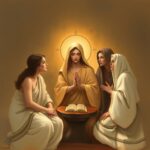
The Daughters of Philip are mentioned in Acts 21:8-9 as four women who had the gift of prophecy and lived in Caesarea. They are significant as examples of women actively participating in the spiritual and prophetic life of the early church. Their mention underscores the role women played beyond domestic spheres, contributing to the dissemination of Christian teachings and prophecy. As descendants of Philip, one of the Seven Deacons, they likely held some social and spiritual influence. Their prophetic ministry indicates the recognition and validation of female spiritual gifts in early Christianity. Although little else is known about their lives, their brief mention signifies their importance in the fabric of early Christian community life and highlights the inclusivity of women in early church leadership and spiritual expression.
🏛️ Cultural & Historical Context
In the Roman Empire during the first century, women’s roles were generally confined to domestic responsibilities, yet early Christianity began providing women opportunities for spiritual leadership. Prophetic gifts and participation in religious rituals allowed women to exercise influence within the community, challenging conventional gender expectations. The mention of their prophetic role suggests that the early church recognized and valued women's spiritual contributions. Caesarea, a prominent city with diverse cultural influences, served as a hub for trade and religious exchange, facilitating the spread of Christianity. Their active participation exemplifies how early Christianity offered a more inclusive approach, empowering women to serve as messengers and spiritual leaders in their communities amid a patriarchal society.
👨👩👧 Family Connections
Daughters of Philip, one of the Seven Deacons, likely had a familial connection to the Apostle Philip, possibly his daughters; specific family details are not documented.
The Daughters of Philip represent the active role of women in God's plan of salvation and the empowerment of spiritual gifts regardless of gender. Their mention affirms that prophetic ministry is accessible to all believers and underscores the importance of women’s contribution to the early church’s spiritual foundation. Their presence in scripture challenges gender stereotypes and highlights the inclusive nature of God's kingdom. By exhibiting faith and prophetic calling, they symbolize the ongoing movement of divine revelation through both men and women. Their example inspires contemporary believers to embrace their gifts and participate fully in God's mission, reflecting the unending reach of God's grace across genders and social roles.
📖 Lessons for Today
📖 Lesson 1
Women’s spiritual gifts are vital to the life and growth of the church, regardless of societal limitations. We are called to recognize and cherish the diverse ways God equips all believers for service.
Active participation in faith communities can empower women to lead and inspire others, just as the Daughters of Philip did in the early church. Gender does not determine spiritual influence or calling.
📖 Lesson 3
Prophecy and spiritual ministry are accessible to everyone, encouraging believers today to seek and exercise their God-given gifts boldly and faithfully.
The Daughters of Philip can be contrasted with women like Lydia or Priscilla, who also played leadership roles but in different contexts. Unlike Mary, the mother of Jesus, their influence was more public and prophetic, highlighting a broader spectrum of women’s participation in early church life. They exemplify how women in scripture fulfilled prophetic and teaching roles, challenging cultural norms and inspiring future generations of women in ministry.
📜 Scripture References
Reference
Acts 21:8-9
❓ Frequently Asked Questions
Who were the Daughters of Philip?
They were four women, believed to be daughters of Philip the Evangelist, who were notable for their prophetic gifts and ministry in the early church, as mentioned in Acts 21:8-9.
What was their role in the early church?
They served as prophetic figures, offering spiritual guidance and prophecy within their community, demonstrating women’s active leadership and spiritual authority.
Why are they significant today?
Their example highlights the importance of women’s spiritual gifts and leadership in the church, encouraging contemporary believers to value and exercise their spiritual callings regardless of gender.
✨ Did You Know?
The mention of the Daughters of Philip is one of the few explicit references to women prophets in biblical scripture, emphasizing that women’s prophetic roles were recognized and valued in the early Christian movement. Linguistically, the Greek word 'propheteia' used for prophecy could encompass both foretelling and forthtelling, indicating their vital role in conveying God's messages.








Leave a Reply