Hebrew Months in Order: A Complete Guide to the Hebrew Calendar
Hebrew Months in Order: A Complete Guide to the Hebrew Calendar
The Hebrew calendar is a fascinating blend of lunar rhythm and solar adjustment, a lunisolar system that keeps religious life in step with the seasons while honoring the cycles of the moon. The months in this calendar are not just placeholders on a wall; they carry a web of holy days, fasts, harvest rhythms, and rituals that shape daily life for communities around the world. In this guide, we will walk through the Hebrew months in order, exploring their names, meanings, lengths, and the major holidays or observances that define each month. We will also note the ways the calendar adapts in leap years and how civil and religious years can begin in different places, depending on tradition. The goal is to provide a practical, comprehensive reference you can use whether you are planning a study, a trip to Israel, or simply trying to understand how the Jewish year unfolds.
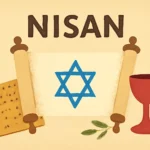
Nisan, sometimes transliterated as Nissan, is the first month of the religious year in many traditions and the month most associated with Passover. The Hebrew name ניסן (Nisan) is often connected with springtime and renewal, and in many older texts the season is called Aviv or Abib, terms still used in poetic or historical contexts. In the civil year, many people consider Tishrei to be the starting point, but in the religious year, Nisan marks the kickoff. The month typically spans 29 or 30 days in a year, and its position in the cycle makes it a pivot between liberation (Pesach) and the counting of the Omer toward Shavuot.
Length: 30 days in a standard year; exact length can vary slightly with the overall year type.
Key observances: Pesach (Passover) begins on 15 Nisan and lasts for seven days in the Diaspora and seven or eight days in Israel, depending on tradition. The counting of the Omer begins on the day after the first seder (commonly 16 Nisan) and continues for 49 days until Shavuot.
Seasonal note: Nisan sits in the spring in the Northern Hemisphere, a time of renewal and agricultural cycles that early verses and later rabbinic writings often link to spiritual renewal as well.
Variations of the name: Nissan, Nisan, Nisán (transliteration varies by language and tradition).
Within Nisan: a look at practice and rhythm
In many communities, the energy of Nisan centers on liberation and release from bondage, both historically and symbolically. The Seder plate with its symbolic foods is a centerpiece of the month, and many families begin the seasonal rhythm of reflection, discussion of freedom, and gratitude. The Omer counting creates a bridge from Passover to Shavuot, turning daily life into a structured spiritual exercise.
Iyar — The Month of Healing and Growth
Iyar, often written as Iyyar or Iyár in transliteration, follows Nisan and continues the springtime theme with growth, healing, and preparation for the next watershed holiday. In most years, Iyar has 29 days, forming a pattern that alternates lengths across the year and contributes to the overall rhythm that keeps the calendar aligned with lunar months and solar seasons.
Length: 29 days in a typical year.
Key observances: Yom HaZikaron (Israel's Memorial Day) is observed on 4 Iyar in many modern Israeli calendars, though the date can vary by community. Lag BaOmer occurs on 18 Iyar and is celebrated with outdoor gatherings, parades, and sometimes barbecues. The Omer count continues through Iyar toward Shavuot.
Seasonal note: Iyar sits toward late spring in the northern hemisphere, a time when the land comes alive with renewal and growth, which mirrors the spiritual theme of healing and restoration.
Variations of the name: Iyar, Iyár, Iyyar—different traditions spell it differently, but the month remains the same in the calendar.
Sivan — The Month of Shavuot and Revelation
Sivan is the month in which the festival of Shavuot (the Feast of Weeks) is celebrated, commemorating the giving of the Torah at Mount Sinai. The date is fixed on 6 Sivan in Israel and many traditions, with some diaspora communities observing Shavuot across 6–7 Sivan due to historical two-day festival practices. The month typically has 30 days, contributing to the overall cadence as the Omer count nears its culmination at Shavuot.
Length: 30 days in a standard year.
Key observances: Shavuot is celebrated on 6 Sivan (with diaspora communities sometimes observing 6–7 Sivan). It marks the culmination of the Omer counting and a harvest festival in ancient Israel. The holiday emphasizes Torah, study, and the giving of the commandments.
Seasonal note: Late spring into early summer in the northern hemisphere; the agricultural and spiritual themes of Shavuot blend harvest and revelation.
Variations of the name: Sivan, Siyvan, Sivan—spelling varies by language and tradition.
Shavuot and the discipline of study
For many families, Shavuot becomes a moment of intense learning, with all-night study sessions and special dairy foods that echo the new covenant of the Torah. The month’s spiritual emphasis on revelation underlines the sense that knowledge, ethics, and community responsibility are learned and shared together.
Tamuz — The 17th of Tamuz and the Pre-Fasting Period
Tamuz (also spelled Tammuz) follows Sivan and leads into Av, a sequence that climaxes with a fast day in the summer. The 17th of Tamuz is observed as a day of fasting in commemoration of the breach of Jerusalem’s walls in ancient times, one of the Three Weeks leading toward Tisha B’Av. In common years, Tamuz has 29 days, and the cadence of Tamuz and Av marks a solemn, reflective stretch in the calendar.
Length: 29 days in a typical year.
Key observances: The 17th of Tamuz is a fast day marking the beginning of the Three Weeks, a period of mourning that culminates on Tisha B’Av. The fast is observed by many communities and is a time for introspection and communal memory.
Seasonal note: Late spring to mid-summer in the northern hemisphere; the fast days form a counterpoint to the warmth of the season, inviting contemplation and spiritual focus.
Variations of the name: Tamuz, Tammuz—the transliteration often varies by tradition.
Av — The Month of Tisha B’Av and Mourning
Av is a month most closely tied to Tisha B’Av, the fast day that commemorates tragedies in Jewish history, including the destruction of the First and Second Temples. The month’s weighty theme is mourning and remembrance, but it sits within a broader cycle of life, since many communities also prepare for the new year with hope and renewal as the calendar moves toward Elul and Tishrei. Av typically has 30 days, though the exact pattern of the year can influence this length in leap years and special calendars.
Length: 30 days in a standard year.
Key observances: Tisha B’Av occurs on the 9th of Av and is observed by fasting and intensive remembrance. In many communities, the nine days from 1–9 Av are a period of increased mourning. The month also includes the culmination of some fasts and the transition into the introspective period that leads to Elul and the High Holidays.
Seasonal note: The austerity of Av sits in the heat of summer in many places, transforming the season into a moment of communal reflection as nature itself seems to pause before the spiritual rebirth of Tishrei.
Variations of the name: Av, Ab (alternative transliteration), Av/Ab are used in different communities and texts.
Elul — Preparations for the New Year
Elul is the month of introspection and preparation for the new year. Traditionally a time for Teshuva (repentance) and reflection, Elul invites people to repair relationships, adjust habits, and realign with spiritual goals before the holidays begin in Tishrei. Elul is generally 29 days long, a brief but powerful lead-in to the autumn season and the emotional surge of Rosh Hashanah and Yom Kippur.
Length: 29 days.
Key observances: Selichot prayers begin during Elul in many communities, marking the season of forgiveness and moral preparation. The month also sees a gradual increase in spiritual alertness and family conversations about the coming year.
Seasonal note: Late summer to early autumn in the northern hemisphere, setting the stage for the dramatic holidays of Tishrei.
Variations of the name: Elul, Elúl—spellings differ in transliteration, but the month remains the same in the calendar.
Tishrei — The High Holidays, Harvest, and the Civil New Year
Tishrei is one of the most significant months in the Jewish calendar. It opens with the glorious, contemplative days of Rosh Hashanah, continues through Yom Kippur’s solemn fast, and culminates in the festive days of Sukkot and Simchat Torah. In many calendars, Tishrei is the anchor of the civil year, and in the religious year it is the first month. This month contains some of the most well-known holidays in Judaism and thus carries a dramatic range of mood—from the awe of the shofar blasts to the joy of dwelling in sukkahs and celebrating Torah with dancing and hakafot. Tishrei typically has 30 days, though the exact distribution of days can be influenced by the holiday calendar and local tradition.
Length: 30 days.
Key observances: Rosh Hashanah (1–2 Tishrei), Yom Kippur (10 Tishrei), Sukkot (15–21 Tishrei), Shemini Atzeret and Simchat Torah (22–23 Tishrei, depending on tradition). The month is a whirlwind of prayer, fasting, festive meals, and the mitzvah of dwelling in a sukkah.
Seasonal note: Autumn in the northern hemisphere, a season of judgment, reflection, and renewal that culminates in joyous Torah celebrations.
Variations of the name: Tishrei, Tishri, Tishre—different transliterations appear in different communities.
Cheshvan — The Variable Length Month (MarCheshvan)
Cheshvan (also called MarCheshvan in many communities to emphasize the two-syllable tradition) is notable for its variability. It can be a shorter month (29 days) or a longer one (30 days) depending on the type of year the calendar is in. This variability helps determine the overall length of the year (common year vs. leap year), and thus Cheshvan is sometimes thought of as a balancing month. It is common for this month to be quiet in terms of holidays, providing a buffer as the year adjusts toward Kislev and Hanukkah.
Length: 29 or 30 days, depending on the year type.
Key observances: There are no fixed major holidays in Cheshvan, but it houses important preparatory time for Kislev and the winter festivals. The month’s status as 29 or 30 days ties into the broader pattern of year length in the lunisolar system.
Seasonal note: Falling in the autumn in the northern hemisphere, a time when days grow shorter and the calendar’s pace slows a touch before Hanukkah and Kislev.
Variations of the name: Cheshvan, Heshvan (two common spellings); MarCheshvan as noted above.
Kislev — Hanukkah and the Light of Bright Days
Kislev is the month that often carries the bright glow of Hanukkah, though the holiday may begin in Kislev or spill into Tevet depending on the year’s structure. Kislev is sometimes described as a bridge between the fall festivals and the winter light, especially when Hanukkah falls entirely within Kislev. The month’s length, like Cheshvan, can be 29 or 30 days, depending on the year’s configuration. Kislev is deeply associated with the theme of divine light and the endurance of tradition during difficult times.
Length: 29 or 30 days.
Key observances: Hanukkah (the Festival of Lights) typically begins in Kislev on 25 Kislev, though the exact start date can vary by year and tradition. The holiday lasts eight days, with eight nights of candle lighting, prayers, and festive foods.
Seasonal note: Autumn turning toward winter in the northern hemisphere; the lights of Hanukkah symbolize resilience, hope, and family celebration.
Variations of the name: Kislev, Kislev in transliteration; Qislev in some transliterations; also spelled as Kislav in very old texts.
Tevet — The Fast Day and Quiet Transition
Tevet is a shorter month that often carries the mood of introspection and transition that follows Hanukkah. The major public fast of Tevet is the Tenth of Tevet, a day of fasting commemorating the siege of Jerusalem and other historical events associated with Jerusalem’s fate. The month, typically 29 days, sits at the edge of winter in the northern hemisphere, completing the sequence that leads into Shevat and Tu Bishvat.
Length: 29 days.
Key observances: The fast of the Tenth of Tevet is observed by many communities. Tevet can mark a period of quiet reflection as the year leans into Tu Bishvat and the deeper winter cycle.
Seasonal note: Late fall to early winter, depending on the climate of the year and the hemisphere.
Variations of the name: Tevet; Teveth; Teveth (various transliterations appear in English texts).
Shevat is often associated with Tu Bishvat, “the New Year for the Trees,” a celebration of nature, fruit, and environmental awareness in many Jewish communities. The month typically contains 30 days, with Tu Bishvat falling within its midst as a day of tree planting, environmental stewardship, and seasonal appreciation for the land.
Length: 30 days.
Key observances: Tu Bishvat (15 Shevat) is the primary observance, though the month can also feature a focus on agricultural symbolism and studies of the Land of Israel.
Seasonal note: The winter-to-spring transition in the northern hemisphere, a time of renewal and growth in the natural world as the trees begin a new cycle.
Variations of the name: Shevat, Shvat, Shvat (different transliterations exist).
Adar — The Month of Purim and the Prelude to Passover
Adar is the month that brims with celebratory energy, most famously due to Purim, but it also serves as a bridge into the intense preparations for Pesach. In a common (non-leap) year, Purim falls on 14 Adar, while Shushan Purim (the “Purim of the walled cities”) is observed on 15 Adar in many communities. In a leap year, the calendar introduces Adar I and Adar II. The festival of Purim typically occurs on 14 Adar II in leap years, while Adar II itself holds its own set of observances and readings. Adar I is a 30-day month in leap years, and Adar II is 29 days long, preserving the overall cycle while adjusting the day-count to keep the calendar in sync with the solar year.
Length: Adar is 29 days in common years; in leap years, Adar I is 30 days and Adar II is 29 days.
Key observances: Purim is observed on 14 Adar in common years, with variations in leap years depending on community practice. Shushan Purim is the later day for many communities, often on 15 Adar or 15 Adar II in leap years. The month also serves as a lead-in to Passover by shifting the calendar toward Nisan in the coming cycle.
Seasonal note: Late winter to early spring in the northern hemisphere, a time of festive energy and communal gathering as the calendar moves toward renewal.
Variations of the name: Adar, Adar II (in leap years), Adar I (in leap years); transliterations include Adar, Adár, Adar II, depending on language.
Leap Years and the Adar Adjustment
A quick note on the structure that underpins all the months: the Hebrew calendar operates on a Metonic 19-year cycle, in which seven years are leap years to keep lunar months in alignment with the solar year. In leap years, an extra month, Adar II, is inserted after Adar I, so the sequence goes Adar I, Adar II in the leap year, followed by Nisan. This adjustment preserves the integrity of holidays like Pesach (Passover) that must occur in spring, and it ensures that the agricultural and seasonal markers stay in roughly the same seasons from year to year.
Leap year pattern: In the 19-year cycle, leap years occur in years 3, 6, 8, 11, 14, 17, and 19 (the exact sequence may vary by tradition). During those years, the calendar inserts Adar II after Adar I.
Impact on holidays: Purim and Pesach shift slightly in date when Adar II is present, which can affect whether Purim falls on 14 Adar II or a nearby date. Shavuot and Sukkot are not directly altered by the insertion of Adar II, but the counting and seasonal alignment are subtly adjusted.
Names to know: Adar I, Adar II, Adar (the name used when there is no leap year); the extra month is a practical mechanism rather than a ceremonial addition.
Putting the months in practical view
For someone planning a calendar or studying Jewish holidays, the months form a loop: Nisan through Adar, with Adar I and Adar II in leap years, then back to Nisan. Here are a few practical takeaways to keep in mind:
Major holidays appear in clusters: Passover in Nisan, Shavuot in Sivan, Tisha B’Av in Av, Rosh Hashanah/Yom Kippur in Tishrei, Hanukkah in Kislev, Purim in Adar. This clustering creates bursts of ritual intensity as the year moves from one set of themes to the next.
Year length varies: The lunar months and leap-year adjustments produce common years of 353–355 days and leap years of 383–385 days. The exact day count depends on the way Cheshvan and Kislev vary to fit the cycle.
Names provide depth: The months are known by multiple transliterations and synonyms (Nisan/Nissan, Iyar/Iyyar, Sivan/Siván, Tamuz/Tammuz, Av/Ab, Elul, Tishrei/Tishri, Cheshvan/MarCheshvan, Kislev/Kislev, Tevet/Tevet, Shevat/Shvat, Adar/Adar I/Adar II). This breadth helps when reading sources from different communities or languages.
Observed patterns differ by location: In Israel, some festivals are observed on a single day, while in the diaspora two days of Yom Tov are often observed for certain holidays. This can shift the practical calendar by one day in some years.
Understanding the rhythm: Recognizing the two-year cycle (religious year starting in Nisan and civil year starting in Tishrei) helps explain why the same month can feel different depending on the frame you use.
Common questions you might have
Why do months sometimes have 29 or 30 days? The Hebrew calendar is lunisolar, so the length of each month is set to align lunar months with the solar year. The practical result is that some months are 29 days and some are 30 days, with Cheshvan and Kislev adjusting their length in leap years to keep the cycle in harmony.
What determines the start of a month? Months begin with the new moon in the Hebrew calendar, but the exact observance of the beginning of the month can be adjusted by calendar calculations and local tradition. The concept of Rosh Chodesh marks the start of a new month and often involves special prayers and observances.
How does leap year affect holidays? In leap years, Adar II is inserted after Adar I, which shifts Purim and other observances slightly in date. Pesach (Passover) is not tied to Adar II’s position; it always occurs in Nisan, but the surrounding days can shift for communities depending on the year’s structure.
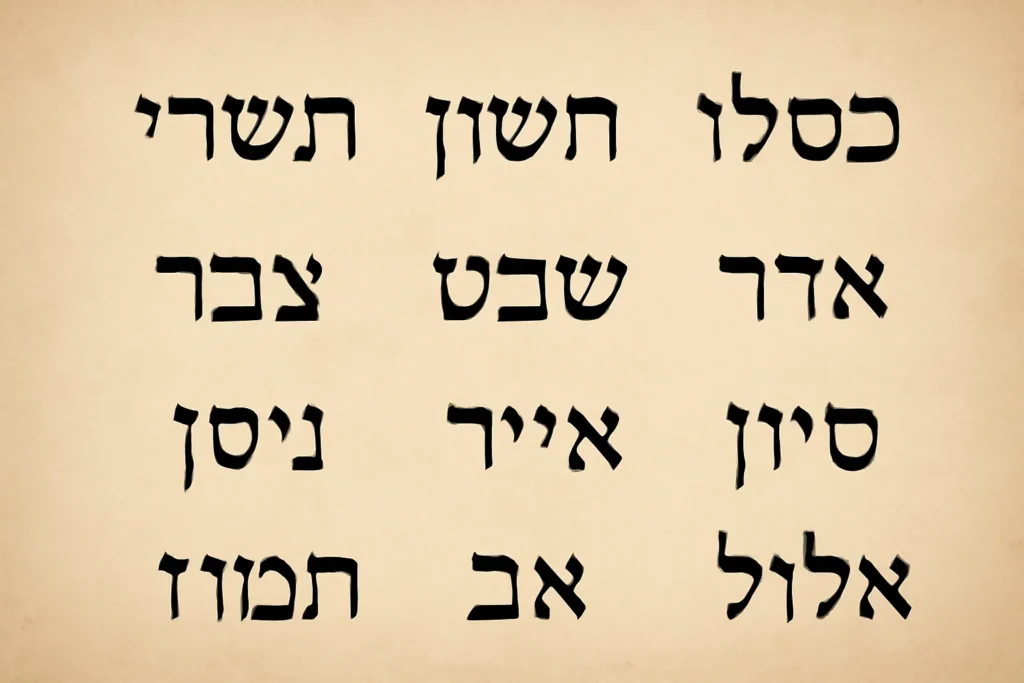
Are there variations in the order of months? The order of months remains consistent: Nisan, Iyar, Sivan, Tamuz, Av, Elul, Tishrei, Cheshvan, Kislev, Tevet, Shevat, Adar (and Adar I/Adar II in leap years). The names and lengths may vary a bit because of leap-year adjustments and transliteration histories, but the sequence is stable.
A compact glossary of spellings and terms
To help you read across sources in English, Hebrew, and transliterations, here is a quick glossary of some common variants you’ll encounter:
Nisan — also Nissan; the spring month with Passover.
Iyar — sometimes Iyár or Iyyar in transliteration.
Sivan — sometimes Siyvan; Shavuot is associated with this month.
Tamuz or Tammuz — the month that includes the 17th of Tamuz.
Av — sometimes Ab; the month of Tisha B’Av.
Elul — a month of preparation for the new year.
Tishrei — sometimes Tishri or Tishre; the central autumn month with Rosh Hashanah and Yom Kippur.
Cheshvan — also written as Heshvan or MarCheshvan; variable length.
Kislev — often connected with Hanukkah; length can vary.
Tevet — contains the fast of the Tenth of Tevet.
Shevat — Tu Bishvat is a central holiday here.
Adar — the month of Purim; Adar I and Adar II appear in leap years.
In closing, the Hebrew calendar is a living tapestry: its months carry ancient meanings while guiding modern life, rituals, and community celebrations. Whether you study the chronology for scholarly reasons, plan travel or liturgy around the holidays, or simply want to understand how time is measured in Jewish tradition, the sequence from Nisan through Adar provides a complete framework. By appreciating the variations in spelling, the leap-year adjustments, and the blend of lunar and solar alignments, you gain a fuller sense of how the year unfolds in communities near and far.







Leave a Reply