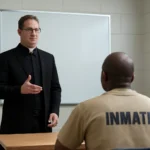
Clinical Pastoral Education—often abbreviated CPE—is a structured education model that blends professional supervision, reflective practice, and hands-on ministry in real clinical settings. At its core, CPE is designed to cultivate the competent presence of a caregiver who can listen, discern, and respond with integrity amidst illness, grief, trauma, or spiritual seeking. This is not merely about acquiring knowledge; it is about developing a disciplined way of being with people in moments of vulnerability.
For many professionals, including hospital chaplains, parish ministers, clergy in training, and lay spiritual caregivers, CPE explains a pathway to deepen pastoral authority grounded in concrete practice. The training answers questions such as: How do I accompany someone who faces life-altering news? How do I care for a patient, a family member, or a caregiver whose beliefs differ from mine? And how do I remain ethically grounded while navigating the complexities of a healthcare or community setting?
In brief, the essence of clinical pastoral education can be captured by three interrelated ideas: experiential learning, reflective supervision, and integration of theory and ministry into daily work. When these elements come together, caregivers grow in their ability to show up authentically, listen deeply, and respond in ways that respect the dignity and autonomy of every person they serve.
Foundations: What Clinical Pastoral Education Explains About Its History and Purpose
The history of CPE traces back to early 20th-century educators who sought to blend theology, psychology, and practical ministry. A key figure in this development, often cited in contemporary explanations of clinical pastoral education, emphasized the value of experiential learning—learning that happens through direct service coupled with thoughtful reflection. Over time, professional bodies such as the Association for Clinical Pastoral Education (ACPE) and its international counterparts have established standardized curricula, supervision norms, and outcome expectations to ensure consistency across programs.
As described in various explanations of clinical pastoral education, the model is not limited to religious professionals alone. It is widely used by healthcare systems, universities, hospices, military chaplaincies, and community organizations that want to elevate the quality of spiritual care. The guiding assumption is that effective spiritual care emerges when practitioners can observe their own responses, examine their biases, and refine their approach within a supportive supervisory relationship.
How Clinical Pastoral Education Works
The functioning of CPE can seem complex at first glance, but it follows a set rhythm that many readers may recognize as a practical blueprint for learning in the field. The following sections outline the main components and processes that constitute clinical pastoral education explained in everyday terms.
Key Elements of the CPE Experience
Hands-on ministry in real clinical or community settings, including hospitals, palliative care units, clinical wards, or community clinics.
Supervision provided by trained and experienced supervisors who guide reflection, identify blind spots, and help translate learning into practice.
Group seminars and individual supervision sessions that structure feedback, theory integration, and professional identity formation.
Reflective practice as a core habit—regular, deliberate reflection on interactions, emotions, boundaries, and theological or ethical implications.
Educational units that typically combine a defined number of clinical hours with a structured educational agenda and assessments.
The CPE Unit Model: Structure and Progression
Most CPE programs operate on a unit-based framework. A standard unit blends direct clinical contact with guided learning experiences and takes place over several weeks. While the exact hours and duration can vary by country and program, a typical unit includes the following features:
Direct clinical contact where the caregiver interacts with patients, families, or clients in meaningful pastoral encounters.
Educational seminars that cover topics such as spiritual care theory, ethics, and cross-cultural sensitivity.
Group reflection sessions that enable peers to learn from one another’s experiences, challenges, and breakthroughs.
Individual supervision where a supervisor reviews particular ministry moments, helps interpret emotional responses, and offers guidance for future practice.
Assessments that monitor both process (how care is provided) and outcomes (how care is experienced by those receiving it).
In the United States, ACPE-type programs generally operate on units with a combination of intensive supervision and structured educational activities. While the specifics may differ in other nations, the overarching logic remains consistent: practice, reflect, learn, and progressively assume greater responsibility in a supervised setting.
Supervision and the Role of Reflective Practice
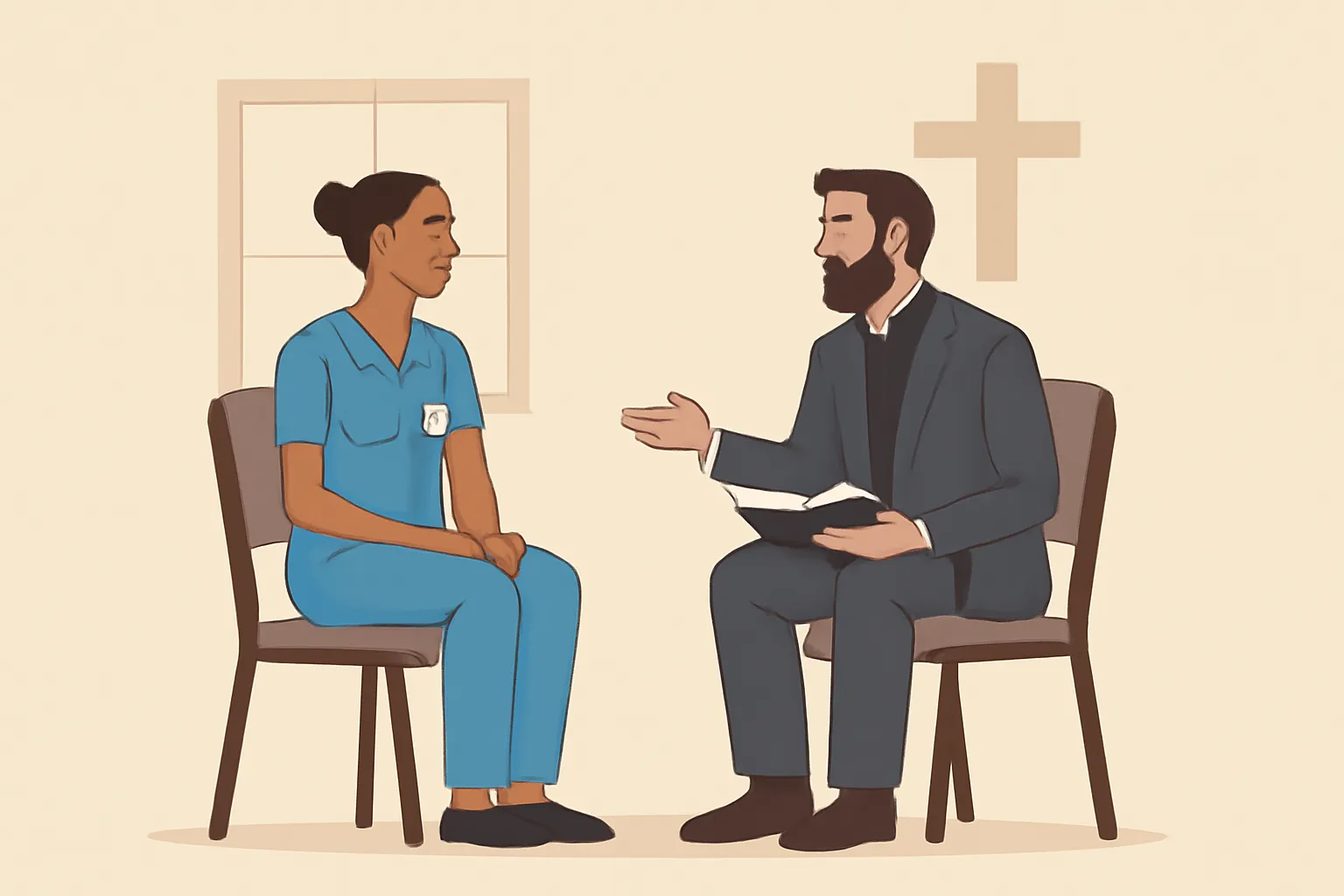
Supervision is the backbone of clinical pastoral education. A supervisor—often a seasoned chaplain or spiritual care educator—creates a safe space for critical reflection. This means caregivers examine what happened in a patient encounter, identify their own emotional responses, and consider alternative ways of engaging with the person in care. The process is less about judging what went wrong and more about learning from the encounter to improve future practice.
Reflective practice in CPE typically uses a structured language and framework. The caregiver may describe the situation, articulate their feelings, analyze the needs of the person served, and propose an alternative approach. Through this kind of deliberate reflection, learners deepen their pastoral presence, strengthen their ethical reflexes, and increase their ability to work within multidisciplinary teams.
Assessments, Competencies, and Outcomes
CPE programs place emphasis on measurable competencies, such as:
Pastoral presence and the ability to accompany someone in their moment of need.
Ethical discernment and adherence to professional boundaries.
Cross-cultural sensitivity and the capacity to honor diverse religious and spiritual expressions.
Interprofessional collaboration within healthcare teams or community organizations.
Self-awareness and ongoing personal development.
Assessments may include supervisor evaluations, reflective journals, case presentations, and demonstrated growth in the ability to facilitate spiritual care conversations across settings and populations. The goal is not only to teach techniques but to cultivate a professional identity rooted in compassionate presence and responsible practice.
Who Participates in Clinical Pastoral Education?
Clinical pastoral education is designed for a broad spectrum of spiritual care providers. Participants may include ordained clergy, lay ministers, seminarians, chaplains-in-training, and other professionals who work with people facing illness, loss, or existential questions. In some settings, healthcare providers such as nurses, social workers, or counselors undertake CPE to enhance their capacity to address the spiritual and emotional needs of patients and families.
Because CPE emphasizes presence and listening rather than doctrinal instruction, it often attracts caregivers from diverse religious traditions, as well as those who identify as spiritual-but-not-religious. The aim is to foster a universal competence in spiritual care that respects individual beliefs while offering meaningful support. In other words, CPE explains a universal skill set: to be with someone in a moment of suffering or transition, and to do so in a manner that honors their autonomy and dignity.
Why Clinical Pastoral Education Matters
There are several compelling reasons why CPE is considered a cornerstone of professional spiritual care. Below are some core arguments explaining its significance, framed in accessible terms.
Impact on Patient and Family Experience
When caregivers complete a robust CPE program, they tend to become more effective at offering meaningful conversations, validating emotions, and supporting patients and families in decision-making. The care offered through well-supervised spiritual care can ease anxiety, improve adherence to treatment plans, and support families during critical moments. In environments where patients confront life-limiting diagnoses, trained caregivers can offer comfort, hope, and a sense of companionship that strengthens the overall care experience.
Professional Integrity and Boundaries
Clinical pastoral education explained in practice emphasizes ethical practice and well-defined boundaries. The supervisory relationship helps learners recognize when a boundary is crossed or when a situation calls for escalation to other professionals. This kind of ethical clarity is essential in high-stakes settings such as intensive care units, emergency departments, or end-of-life care, where relationships and power dynamics can be especially delicate.
Interprofessional Collaboration
Another key reason for the value of CPE is interprofessional collaboration. Spiritual care providers often work as part of multidisciplinary teams, and CPE trains caregivers to articulate the spiritual dimension of a patient’s experience in ways that are accessible to physicians, nurses, social workers, and chaplains alike. This collaborative competence contributes to more holistic care planning, aligns spiritual care with medical goals, and helps teams honor the whole person.
Professional Credentialing and Career Development
For many careers in spiritual care, completed CPE units are prerequisites for credentialing, chaplaincy appointments, or eligibility for fellowship programs. The formal structure of CPE—hours, supervision, and documented outcomes—offers a credible path toward professional advancement. Learners often report that the experience enhances their confidence, resilience, and capacity to lead spiritual care initiatives in hospitals, military settings, universities, or faith-based organizations.
Variations and Models: How Clinical Pastoral Education Is Adapted
Across different contexts and countries, you will find variations on the same core theme: practice, reflect, and learn with guided supervision. Below are some common adaptations and related concepts that expand on the basic idea of clinical pastoral education explained in broader terms.
Hospital-Based CPE
In many regions, hospital CPE units are the most visible form of the program. Learners rotate through patient units, participate in bedside spiritual care, and attend seminars tailored to healthcare ethics, pain management, and family communication. The hospital setting makes the immediacy of care tangible and provides rich contexts for reflective learning.
Community-Based and Faith-Based CPE
Outside hospital walls, community-based CPE or faith-based programs focus on churches, synagogues, mosques, or community organizations. These variants emphasize pastoral presence in community crises, disaster response, refugee support, and social service contexts. They often address a broader range of spiritual concerns beyond illness, including grief, trauma recovery, and resilience building.
Clinical Pastoral Education for Specialized Populations
Some programs tailor CPE to particular populations or settings, such as:
Geriatric and palliative care CPE
Psychiatric and mental health care CPE
Military or veteran care CPE
Chaplains in oncology, pediatrics, or obstetrics units
These specialized avenues allow learners to deepen their competencies within a chosen focus area while still maintaining the core structure of supervision, reflection, and experiential learning.
Getting Started: How to Engage with Clinical Pastoral Education
If you are considering joining or arranging a CPE program, several practical steps can help you get started. The process may vary somewhat by country or institution, but the general pathway follows common patterns.
Identify your goals: Consider what you want to achieve through CPE—was it to become a chaplain, to strengthen pastoral care in a local church, or to deepen your spiritual care skills within healthcare?
Choose a program that aligns with your setting, schedule, and denominational or interfaith orientation. Look for accredited programs affiliated with recognized bodies such as ACPE or its equivalents.
Meet prerequisites which may include a seminary degree, secular master’s degree, clinical experience, or a documented interest in spiritual care. Some programs accept experienced lay leaders as well as clergy-in-training.
Complete the application process, which often includes submitting a resume, references, a personal statement, and possibly an interview focused on your pastoral philosophy and readiness for reflective practice.
Prepare for evaluation by gathering references to attest to your maturity, reliability, and ethical conduct, and by being ready to discuss how you respond to difficult encounters.
Embark on the unit with an open mind, readiness to engage in supervision, and commitment to the reflective process that defines CPE.
Common Questions About Clinical Pastoral Education
Many people approach clinical pastoral education with questions about scope, outcomes, and career implications. Here are answers to some frequently asked questions that illustrate the breadth of this field.
What exactly does a CPE unit involve in daily practice?
A typical day might include brief bedside visits, participation in unit rounds with physicians and nurses, independent reading or case preparation, and scheduled supervision sessions. Learners spend substantial time in direct patient or client encounters, followed by structured seminars and reflective discussions.
Is CPE only for clergy?
No. Although clergy often participate, CPE explained in broader terms includes lay professionals and chaplains who carry spiritual care roles in medical, educational, and community settings. The emphasis is on developing professional competencies that support spiritual care across diverse belief systems.
How long does it take to complete a unit or multiple units?
Units vary in length, but a standard unit typically spans several weeks, with a total engagement of a few hundred hours. Many professionals accumulate multiple units over time, which may lead to full credentialing in their field or organization.
What counts as evidence of learning in CPE?
Evidence may include supervisor evaluations, reflective essays or journals, case presentations, performance in role-plays, and demonstrated improvements in interprofessional communication and ethical practice.
Key Terms in Clinical Pastoral Education Explained
To help readers grasp the field, here is a glossary of important terms repeatedly encountered in clinical pastoral education explained materials and in program handbooks.
Pastoral care – a form of care centered on listening, presence, and spiritual support.
Pastoral presence – the ability to be with someone in their moment of need without rushing to fix the problem.
Reflective practice – a disciplined habit of reflecting on experiences to learn and grow.
Supervisor – an experienced mentor who provides guidance and evaluation.
Unit – the basic educational block in CPE that combines clinical work and learning activities.
ACPE – The Association for Clinical Pastoral Education, the leading accrediting body for CPE programs in the United States and internationally.
Why a Structured Approach to Spiritual Care Matters
Human beings facing illness, loss, or existential questions often experience spiritual distress or longing for meaning. A structured approach, such as clinical pastoral education, helps caregivers provide care that is both emotionally intelligent and spiritually attuned. By combining practical ministry with rigorous reflection, CPE fosters a form of care that is not only compassionate but also ethically responsible, culturally sensitive, and aligned with best practices in modern care delivery.
Impact on Organizations and Institutions
Organizations that invest in CPE typically report improvements in patient satisfaction, reduced moral distress among staff, and more cohesive care teams. When spiritual care is guided by trained professionals who have practiced under supervision, healthcare institutions and faith communities can benefit from more consistent, well-documented spiritual care services. This aligns spiritual care with overall quality improvement and patient-centered care initiatives.
How Clinical Pastoral Education Explains the Role of Spiritual Care in Liberation and Resilience
Beyond reducing distress, CPE can illuminate how spiritual care contributes to resilience and social justice. Some learners explore how spiritual care intersects with identity, trauma recovery, and community healing. In settings that serve marginalized populations, CPE can become a site for liberation-oriented care that respects autonomy, honors diverse pathways to meaning, and supports collective well-being. This broader view of pastoral care explains why CPE remains relevant in contemporary conversations about health equity and human flourishing.
Ethical and Cultural Considerations in Clinical Pastoral Education
Ethical practice is central to all discussions of CPE explained. Learners confront questions about consent, confidentiality, boundaries, and the right to refuse spiritual intervention. Cultural humility—an ongoing, learned posture of listening and adapting to others’ beliefs—remains a cornerstone of effective care. By design, CPE helps caregivers navigate theological diversity, language differences, and spiritual practices that may be unfamiliar or contested within the care context.
Comparing CPE to Other Models of Spiritual Care Education
Besides clinical pastoral education, other educational models aim to prepare individuals for spiritual or pastoral work. Some programs emphasize purely theological formation, preaching skills, or general pastoral counseling without the explicit clinical practice and supervision framework of CPE. The distinctive strength of clinical pastoral education lies in its blend of real-world ministry with reflective supervision and a structured competency framework. The result is a learner who is not only knowledgeable about spiritual care concepts but also practiced in delivering care within the constraints and responsibilities of professional settings.
Future Directions: Innovations in Clinical Pastoral Education
The landscape of spiritual care continues to evolve as healthcare systems and communities face new challenges. Potential future directions for clinical pastoral education include:
Digitally supported supervision and telechaplaincy models that extend the reach of CPE into remote or underserved areas.
Interprofessional data-driven learning that ties spiritual care encounters to patient outcomes while preserving ethical privacy.
Expanded intercultural curricula that prepare caregivers for increasingly diverse patient populations.
Equity-centered training that foregrounds social determinants of health and community resilience in spiritual care discussions.
Final Thoughts: Understanding Clinical Pastoral Education Explained
Across multiple contexts, the phrase clinical pastoral education explained points to a comprehensive approach to preparing spiritual caregivers for the complexities of real life. By emphasizing practice, reflection, and supervision, CPE nurtures professionals who can hold space for others in moments of vulnerability while maintaining ethical integrity and professional competence. The model’s durability stems from its focus on human connection—on being with another person in their struggle and discovery—and on the discipline required to turn that presence into healing, meaning, and respectful care.
Suggested Reading and Resources
If you are exploring this field further, consider the following avenues for additional insight and practical information:
Official outlets from the ACPE and regional accrediting bodies.
Programs offered by major teaching hospitals, medical schools, and seminary-affiliated centers.
Published handbooks and guides on spiritual care ethics, reflective practice, and supervision methods.
Case studies illustrating how clinicians integrate spiritual care into multidisciplinary teams.
Whether you are a student, a clinician, or a lay leader, understanding the framework of Clinical Pastoral Education helps explain why so many organizations invest in its structured, reflective, and collaborative approach to spiritual care. The phrase clinical pastoral education explained is more than a definition; it is an invitation to participate in a rigorous practice that honors both the sacred and the science of care.

 Por Laura Jara