Welcome to the rose named John, a term you may hear whispered among gardeners who love heirloom-styled blooms and reliable performance. In this comprehensive guide, we will treat the John Rose variety as a distinct cultivar with its own growth habit, bloom characteristics, and cultural needs, while also situating it within the broader family of rose care. Whether you encounter Rose Named John in a catalog, a neighbor’s garden, or a seedling you propagated yourself, the essential care principles tend to align with modern hybrid teas and classic shrub roses. This article uses variations of the phrase rose named John to keep the discussion precise, descriptive, and easy to reference in conversations about rose cultivars.
A successful cultivation of the John rose variety begins with understanding what makes this cultivar unique—its bloom form, color palette, fragrance potential, and growth vigor. While no single source can guarantee identical results for every climate, there are consistent patterns you can rely on when planning your planting, pruning, feeding, and protection strategies. The core idea behind caring for the rose named John is to support steady growth, deep root establishment, and an abundance of healthy, well-formed blossoms across the growing season.
Origins, Naming, and Genetic Background
When gardeners discuss the John Rose variety, they often ask about origin stories and naming conventions. In many cases, a cultivar named with a personal tag—such as John—embodies the intention of the breeder or the family who commissioned it. In this guide, we treat the rose named John as a case study that helps readers translate general rose culture into practical steps. Some enthusiasts describe Rose Named John as a hybrid tea or floribunda-like creation, prized for a dependable flowering cycle and adaptable performance. While the exact lineage of the John rose can vary by nursery or country, the cultivation principles discussed here remain consistent across most modern roses.
For gardeners who love the narrative of naming—John as a character in their garden plot, a tribute to a favorite person, or a reminder of a garden club mentor—these associations can enrich the experience of growing a rose. The important takeaway is that, regardless of origin, the practical care workflow does not fundamentally change: sun, soil, water, pruning, and protection drive the results for the rose named John.
Physical Characteristics of the Rose Named John
Understanding the physical traits of the John Rose variety helps in designing its placement, selecting companions, and anticipating maintenance tasks. While individual seedlings or clones may show slight variation, there are common characteristics to look for when assessing this cultivar.
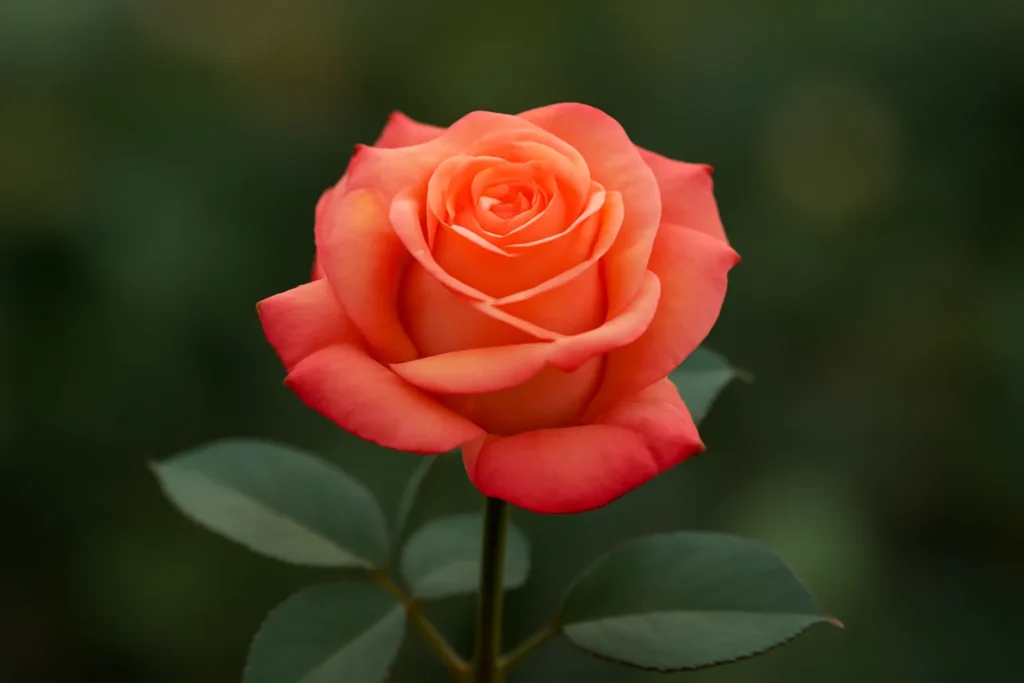
Bloom form: In most iterations of the rose named John, you will encounter classic, multi-petaled blooms with a refined, traditional silhouette. Expect a balanced bloom that transitions gracefully from bud to full bloom.
Flower color: Colors range from warm pinks to soft apricots, with occasional deeper tones in certain climates. The color is often luminous in morning light and softens toward dusk.
Fragrance: Fragrance intensity can vary, but many gardeners describe a sweet, light to moderate perfume that complements other garden scents without overpowering them.
Size and habit: The plant may reach a moderate height with an even, sturdy stance. Branching tends to be fairly even, creating a robust display in mixed borders or as a focal specimen.
Foliage: Glossy, medium-to-dark green leaves with good disease resistance are commonly observed, contributing to a healthy backdrop for the blooms.
If you are catalog searching for the John rose variety, use these keywords to compare with other cultivars: fragrance level, bloom size, repeat flowering habit, and disease resistance. A well-chosen placement can maximize the visual impact of the rose named John across multiple seasons.
Ideal Growing Conditions for the John Rose Variety
The success of the John Rose starts in the site selection and the microclimate you provide. Roses of this type generally prefer full sun, well-drained soil, and a balanced moisture regime. While microclimates differ, the following guidelines apply broadly to the John rose across temperate and warmer regions.
Sunlight: Aim for at least 6 hours of direct sun per day. Morning sun helps reduce mildew risk and supports vigorous growth.
Soil: A loamy, well-drained soil with plenty of organic matter yields the best results. If your soil is heavy clay or sandy, you can amend with compost and aged manure to improve structure and nutrient-holding capacity.
pH range: Slightly acidic to neutral soil, roughly pH 6.0–7.0, generally benefits the John Rose variety. A soil test can guide lime or sulfur amendments as needed.
Watering: Regular, deep watering supports deep root growth. Water at the base to minimize foliar disease. Avoid waterlogging, which can invite root rot and crown issues.
Air circulation: Plant with adequate spacing to promote airflow. Good air circulation reduces fungal pressure and keeps leaves drier on humid days.
Planting and Establishment: Getting a John Rose Off to a Strong Start
Whether you acquire a bare-root Rose Named John or a container-plug plant, the planting steps are largely the same. Early preparation, careful handling, and correct planting depth are the keys to a long-lived, floriferous shrub.
Site Preparation
Remove weeds and debris from the planting bed. This reduces competition for water and nutrients.
Prepare a planting hole that is wide enough to accommodate the rootball with the roots spread out gently.
Consider incorporating about 2–4 inches of rich compost or well-rotted manure into the bottom of the hole to boost microbial activity and soil structure.
Planting Steps
For bare-root the John Rose variety, soak roots in water for several hours before planting. This helps rehydrate the plant and reduces transplant shock.
Set the graft union (if grafted) slightly above soil level when planting in regions with cold winters to prevent graft rot or burial of the union. In milder zones, you can plant closer to soil level as directed by nursery guidance.
Backfill with a blend of native soil and amended compost, gently firming as you go. Water deeply after planting to settle the soil and eliminate air pockets.
Mulch with a 2–3 inch layer of organic mulch—such as wood chips or pine bark—to conserve moisture and regulate soil temperature. Keep mulch a few inches away from the stem.
Care and Maintenance for the John Rose
Consistent care throughout the growing season helps the John rose variety deliver repeated flushes of healthy blooms. This section covers routine tasks, with emphasis on timing and technique that preserve plant vigor and bloom quality.
Fertilization and Nutrition
Apply a balanced rose fertilizer in early spring when new growth appears. A typical schedule might be every 4–6 weeks through mid-summer, reducing frequency as growth slows in late summer.
Include micronutrients such as iron and magnesium if new leaves show chlorosis or interveinal yellowing. Adjust based on soil test results.
Mulch and organic matter contribute to steady nutrition. Composted material provides slow-release nutrients that support root health and bloom production.
Watering Regimen
Water deeply at the base of the plant, aiming to moisten the root zone to a depth of 12–18 inches. This encourages deep roots and drought resilience.
In hot, dry spells, increase watering frequency slightly but avoid keeping the soil constantly soggy.
Use mulch to reduce evaporation and maintain consistent soil moisture, particularly during the peak growing season.
Mulching and Soil Health
Apply a 2–3 inch mulch layer to conserve moisture, regulate soil temperature, and suppress weeds.
Feed the soil with organic matter during the off-season to build a living root zone. Worm-friendly compost works well for the John Rose and its companions.
Pruning and Training
Pruning is essential for shaping the John Rose variety, maintaining vigor, and encouraging a strong flower display. The approach depends on whether you have a shrub form, a climber variant, or a standard training goal.
In late winter or early spring, remove dead, diseased, or crossing wood to open the center of the plant and improve air circulation.
Shorten longer shoots selectively to promote a balanced structure and more side shoots that will carry the next waves of blooms.
Remove spent blossoms to encourage a new flush, especially during a long blooming period. Deadheading helps maintain visual appeal and plant health.
Support or train weak canes with soft ties to a trellis or stake to prevent wind damage and sunburn on newly forming growth.
Pruning and Training the John Rose
Proper pruning is a cornerstone of the John Rose care routine. While some gardeners treat roses as a maintenance task, others see pruning as artful shaping. For the John rose, a balanced approach yields a long, flower-rich season.
Inspect for dead or damaged wood and prune back to healthy tissue with clean, sharp shears.
Remove inward-growing branches that crowd the center to improve air movement and reduce disease risk.
Focus on establishing a few strong main canes and pruning lateral shoots to promote a well-spaced canopy.
Disinfect tools between cuts when dealing with diseased material to prevent spread.
Pests, Diseases, and Integrated Management for the Rose Named John
Roses are attractive to a range of pests and diseases. The John Rose, like many modern cultivars, benefits from proactive monitoring, good cultural practices, and timely interventions. This section outlines common challenges and practical responses.
Common Problems to Watch For
Powdery mildew: Often shows up on leaves as a white, powdery coating. Improve air circulation, avoid overhead watering, and consider resistant cultivars or fungicidal options as appropriate.
Black spot: Dark lesions on foliage that can cause premature leaf drop. Remove infected leaves, ensure proper spacing for airflow, and apply fungal-safe products if needed.
Aphids and spider mites: Thin outbreaks may be managed with water jets or horticultural oils; beneficial insects can also help.
Canker or crown rot: Often related to poor drainage or injury at the crown. Protect the base of the plant and ensure good soil conditions.
Integrated Pest Management for the Rose Named John
Monitor regularly and identify problems early to prevent severe damage.
Use cultural controls first: water at the base, mulch, prune for airflow, and remove diseased material promptly.
Choose targeted, least-toxic treatments when necessary, and follow label directions for timing and rate.
Encourage natural predators, such as lady beetles and predatory mites, by avoiding broad-spectrum insecticides when possible.
Propagation: How to Duplicate the John Rose
If you are pleased with the performance of the John Rose variety, you may wish to propagate it to share with friends or populate a larger garden area. Propagation is a practical way to clone desirable traits, ensuring that the offspring carry the same bloom form and habit. There are several reliable methods, each with its own timing and success factors.
Propagation Methods: Cuttings, Grafting, and Budding
Softwood cuttings: Take cuttings from new growth in late spring or early summer. Dip in rooting hormone and plant in a sterile mix that stays evenly moist until roots form. This method is accessible for many hobby gardeners.
Semi-hardwood cuttings: In late summer or early autumn, collect semi-hardwood sections from current season’s growth. This timing often yields higher rooting success in favorable climates.
Grafting and budding: For some rootstock combinations or performance traits, grafting a John Rose scion onto compatible rootstock can be a durable option. This technique is more advanced and is best attempted with guidance or after some practice.
Layering: A simple method that involves bending a flexible cane to the soil, securing it, and encouraging a new plant to form roots where it touches the ground. This method can be satisfying for propagating the John rose without cutting mature wood.
Winter Care and Longevity for the John Rose
In colder regions, winter protection is essential to ensure that the John Rose variety emerges strong in spring. Even in milder zones, a light winterizing routine can help protect the plant from temperature fluctuations and moisture stress.
Reduce irrigation in late fall as growth slows and the plant begins to go dormant.
Apply a thick mulch layer around the base to insulate roots, but avoid piling mulch against the crown to prevent rot.
In regions with freeze-thaw cycles, consider wrapping or shielding the plant with breathable fabric or a rose dome to reduce temperature fluctuations.
Inspect for any winter damage and prune cautiously once new growth appears in early spring.
Design Ideas, Landscaping Uses, and Companion Planting
The visual and tactile appeal of the John Rose variety makes it a versatile addition to garden beds, borders, and even containers. Consider these design ideas to maximize impact and maintain garden health.
: Plant the John Rose as a centerpiece in a mixed border, where its blooms can be admired from multiple angles.
: Use the John Rose alongside evergreen shrubs and perennials with complementary foliage colors to create a year-round framework.
: Because of its manageable size, this rose also performs well in large containers with good drainage and steady sun exposure.
Companion planting: Pair with alliums, lavender, sage, or yarrow to deter pests, attract beneficial insects, and harmonize color schemes.
Common Myths and FAQs about the Rose Named John
As with many garden legends, there are myths and questions surrounding the John Rose variety. Here are a few common inquiries and practical answers to help you manage expectations.
Myth: This rose requires perfect conditions to thrive. Reality: While all roses prefer consistent care, the John Rose is adaptable to a range of conditions with proper soil preparation and regular maintenance.
Question: Is it a repeat bloomer? Answer: In most cases, you can expect multiple bloom cycles during the growing season, with peak performance occurring in mid-to-late spring and again in late summer, depending on climate and pruning.
Question: How much sun is enough? Guidance: A minimum of 6 hours of direct sun daily is typically sufficient for steady blooms, though some color and fragrance intensity may vary with light exposure.
Maintenance Schedule: Quick Reference
Below is a practical calendar you can adapt to your climate. Use this as a quick reference for the John Rose maintenance throughout the year.
Spring: Planting, initial pruning, fertilization, and mulch refresh.
Early summer: Deadhead spent blooms, monitor for pests and diseases, and resume regular watering.
Mid to late summer: Light pruning to shape and promote rebloom; monitor for heat stress and provide shade if needed in extreme heat.
Fall: Stop heavy fertilization, prepare for winter, and apply mulch for protection.
Conclusion: Embracing the John Rose in Your Garden
The journey of growing the John Rose variety can be rewarding for gardeners of all experience levels. By paying attention to site selection, soil health, watering practices, pruning discipline, and proactive pest management, you can enjoy a robust display of blooms year after year. Whether you refer to it as the rose named John, John Rose, or simply the John cultivar, the underlying principles remain: provide sun, nourish the soil, prune with purpose, and protect the plant from stressors. This comprehensive guide has aimed to equip you with a holistic understanding of how to care for the John Rose variety, from planting to propagation to winter protection. May your garden be filled with the graceful beauty of blossoms that honor the name you chose to celebrate with this venerable rose.











Leave a Reply