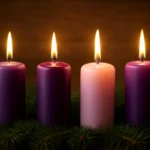
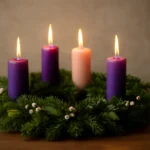
Advent Candles Colors: Meaning, Symbolism, and How to Use Them
Advent is a season of waiting, preparation, and anticipation that culminates in the celebration of Christmas. A common and meaningful way communities and families observe Advent is through the use of an Advent wreath and its candles. The colors chosen for these candles, and the way they are lit over the four weeks (and sometimes beyond), carry rich symbolic significance. In this article, you will find a thorough exploration of advent candles colors, what each hue represents, how the lighting sequence works, and practical guidance on using them in home devotion, worship settings, and family rituals. Whether you are new to the practice or looking to deepen your understanding, this guide will help you appreciate the depth and beauty of Advent candle symbolism.
The Tradition and Meaning Behind Each Color
The most widely recognized Advent candles are arranged in a wreath and come in a few traditional color schemes. While the structure of the wreath—an evergreen circle symbolizing eternal life—remains constant, the colors of the candles convey distinct themes for each week. The following sections outline the principal colors you are likely to encounter, how they are interpreted, and why they are chosen.
Purple (Violet) or Blue: A Tone of Expectation and Penance
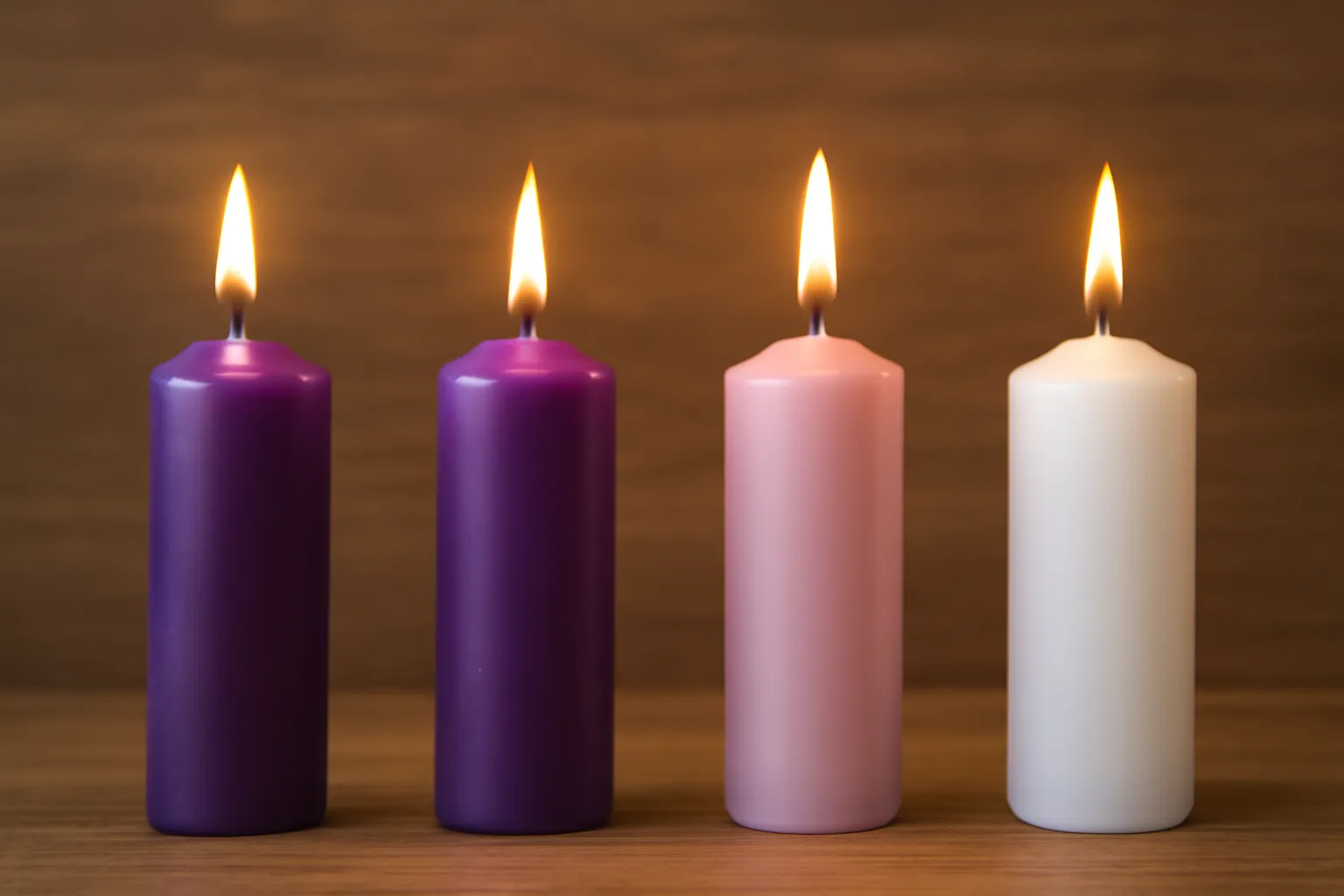
In many Western Christian traditions, purple is the dominant Advent color. This hue evokes several interlocking ideas:
Penitence and Preparation: Advent is a season of spiritual preparation—by confession, reflection, and turning toward God. Purple has long been associated with repentance and self-examination in liturgical settings.
Hopeful Expectation: The color signals that the faithful are waiting in anticipation for the coming of Christ, just as they awaited the Messiah in prophetic times.
Rite of Readiness: The solemn tone of purple invites a slower, more contemplative pace in worship and personal devotion.
While purple is the most common, some traditions use blue as the Advent color to emphasize a nocturnal, contemplative mood and to distinguish Advent from the color palette of Lent. Blue can feel cool and serene, inviting quiet anticipation and trust in God’s promises.
Rose (Pink): Joy in the Midst of Waiting
A distinctive feature of Advent is the inclusion of a rose or pink candle on the third week. This candle stands for a turn toward joy in the midst of the penitential season. Its symbolism includes:
Joy During a Time of Preparation: On the third Sunday of Advent (often called Gaudete Sunday in the Catholic tradition), the rose candle signals a temporary shift from austerity to praise and anticipation as Christmas nears.
Hope Realized: The rose candle is a reminder that the faithful’s discipline in preparation gives way to thanksgiving and expectancy as the coming of Christ approaches.
The use of pink or rose in Advent emphasizes that the season is not only about penance but also about the gladness that God’s promises will be fulfilled.
In many Advent wreath configurations, a white candle (the Christ Candle) stands at the center. It is lit on Christmas Eve or Christmas Day to commemorate the incarnation—the coming of Christ into the world. The white candle embodies:
Purity and Light: White signals the purity of Christ and the radiance of God’s light breaking into the world.
Fulfillment of Prophecy: It marks the moment when the waiting reaches its culmination—the birth of Jesus as the long-awaited Savior.
Unity and Victory: The central candle is often lit last, uniting the weeks of preparation with the culmination of the season.
Not all Advent wreaths include a white Christ Candle, and some congregations reserve it for Christmas Eve services; other traditions candle-light the white candle during Christmas celebrations, giving the season a sense of continuity from Advent to the Christmas feast.
While purple, rose, blue, and white cover the most common color scheme, Advent candle practice varies by tradition. Some communities use all four purple candles with one white candle added for Christmas, while others may use blue instead of purple and adjust the sequence accordingly. In some Anglican and Lutheran settings, the rose candle assumes greater emphasis, and the white Christ Candle may be lit earlier or later depending on the local parish custom. In certain Orthodox and Eastern Christian communities, Advent practices may differ from Western liturgical calendars altogether, but the motif of waiting and light remains central.
Structure and Lighting Sequence of the Advent Candles
The standard Advent wreath bears four candles that represent the four weeks of Advent. In many traditions, a fifth candle—the Christ Candle—is placed in the center or atop the wreath. The sequence of lighting typically follows a pattern that reinforces the progress of Advent from preparation to fulfillment.
Common Lighting Order (Four Candles + Christ Candle)
Week 1: Light the first purple (or blue) candle. This week invites believers into humble reflection and the anticipation of God’s promises.
Week 2: Light the second purple (or blue) candle. The theme deepens, often focusing on longing for the Messiah and the coming of light into a world that longs for redemption.
Week 3: Light the rose (pink) candle. A sense of joy begins to emerge as the arrival of Christ draws nearer, even as the season still calls for preparation.
Week 4: Light the third purple (or blue) candle. The anticipatory mood intensifies as Christmas approaches.
After the four candles are lit across the weeks, the Christ Candle is lit on Christmas Eve or Christmas Day, depending on local custom. The lighting sequence is not merely ceremonial; it is a structured path that mirrors the Church calendar: moving from waiting and penitence to rejoicing in the Incarnation.
Five-Candle Variants and Their Implications
Some Advent wreaths include a fifth candle, the central white Christ Candle, lit after the four weeks of preparation. In this variant:
The first four candles are arranged around the circle (often in a ring or triangle, depending on the figure), and the fifth is placed at the center.
The Christ Candle often remains unlit until Christmas Eve or Christmas Day, symbolizing the arrival of Christ into human history.
In some churches, the Christ Candle is lit together with the final purple or blue candle on Week 4 as a foretaste of the Incarnation.
The Advent Wreath: Form, Symbolism, and Variations
Beyond color and sequence, the Advent wreath itself carries meaningful symbolism. The circular shape represents the eternal life offered by God through Christ. The evergreen leaves signify endurance and immortality, reminding worshipers that God’s promises endure beyond the changing seasons.
Common Configurations
Four Candles Plus Christ Candle: The most widely recognized form in Catholic, Protestant, and Anglican circles. Four outer candles (purple/blue and one rose) surround a central white candle.
Four Candles Only: Some churches use four candles without a central Christ Candle. In this variant, the focus is on preparation and expectancy through the weeks, with Christmas illumination coming from other liturgical observances or from the Christmas Eve service.
Color Patterns: The color arrangement can differ by tradition. In some settings, the rose candle may be placed on the second or third position, and the purple candles can be all the same color or alternate with blue.
Alternative Styles in Different Traditions
Different liturgical cultures customize the Advent wreath to reflect local practice:
Catholic Parishes: Often emphasize the pink rose candle on Gaudete Sunday and may rely on purple for the other weeks, with a central white Christ Candle for Christmas Eve or Day.
Anglican/Episcopal Churches: Similar to Catholic practice, but regional variations may place more emphasis on the third Sunday’s rose candle and the timing of the White Candle’s lighting.
Lutheran and Some Protestant Traditions: May opt for blue in place of purple to signal Advent’s penitential character, while maintaining a rose candle for the third Sunday and a white Christ Candle.
Home observance of Advent candles can be an intimate, meaningful practice for individuals, couples, and families. The act of lighting the candles can become a daily or weekly rhythm that anchors prayer, scripture reading, and shared reflection during the busy weeks leading up to Christmas.
Preparing Your Advent Wreath and Space
Choose a stable base for your wreath or candle holder to prevent tipping. A tray or non-slip surface helps protect furniture and provides a safe place for the ritual.
Arrange the candles in the traditional or your preferred color pattern. Ensure you have a fit for the number of candles you’re using (four plus a central Christ Candle is common).
Set a time and place for your lighting, such as the dinner table, a kitchen counter, or a dedicated devotional corner where you can read Scripture and pray.
Simple Weekly Ritual
Light the appropriate candle for the week (and if you are using a Christ Candle, its lighting follows the weekly candles in the December sequence).
Read a passage from Scripture that relates to Advent themes—prophetic anticipation, the coming of Jesus, or the light breaking into darkness (for example, Isaiah 9:2 or John 1:5).
Pray together with a short prayer focusing on preparation, repentance, or gratitude for God’s promises.
Reflection or song Offer a brief reflection, a hymn, or a favorite Christmas carol. Some families enjoy a short meditation on a virtue like hope, peace, joy, or love for the week.
Variations for Different Family Routines
Your Advent candle practice can be adjusted to suit the ages and needs of family members:
Children’s stations: Use picture prompts or short devotionals that describe the weekly theme in simple terms. Let children help light the candle(s) and extinguish at the end of the session (with adult supervision).
Couple’s devotion: Use a short devotional guide to discuss the week’s theme, followed by a shared prayer or gratitude journal entry.
Individual practice: Treat Advent candle lighting as a daily moment of quiet reflection—perfect for morning or evening routines, paired with a brief Bible verse and a personal prayer.
Cultural and Denominational Variations
Advent is celebrated across many Christian traditions, and the use of candles reflects diverse liturgical calendars and devotional practices. While the core idea remains the same—preparation, expectation, and the coming of Christ—the coloration, order, and accompanying rituals show regional and denominational flavor.
In Catholic practice, the Advent wreath becomes a visual summary of the season’s journey. The purple candles emphasize penance and preparation, the rose candle marks Gaudete Sunday as a moment of joyful anticipation, and the white Christ Candle is lit on Christmas Eve or Christmas Day, symbolizing Christ’s birth and the light entering the world.
Anglican and Episcopal communities often align with Catholic symbolism but may vary in color usage. Some use blue candles, others maintain purple and rose. The central white Christ Candle is common in many Episcopal observances, underscoring unity with the liturgical year and the Advent-to-Christmas transition.
In Lutheran and other Protestant settings, blue is frequently used in place of purple to convey a distinct Advent mood. The pink candle remains a meaningful highlight in many congregations, and the Christ Candle remains a powerful symbol of the Incarnation. The emphasis tends to be on God’s promises breaking into the world and the illumination Christ brings to human life.
Some Eastern Christian communities or local customs may not emphasize Advent wreaths in the same way, and the color symbolism can differ. Nevertheless, the underlying themes of waiting for the Messiah, preparing the heart, and celebrating the light entering the world are universally resonant. Families and churches often adapt the practice with reverence, ensuring the simplicity and beauty of the candles honor the spiritual meaning.
Practical Tips for Safety, Maintenance, and Aesthetics
Lighting candles indoors requires careful handling. A thoughtful approach to safety ensures that your Advent observance remains a blessing without risk.
Use stable holders and keep candles away from flammable materials. Place the wreath on a non-flammable surface if possible, and never leave lit candles unattended.
Trim wicks to about 1/4 inch before each lighting to minimize smoke and prevent excessive flame height.
Ventilation and placement Ensure adequate air flow and avoid drafts that can cause candles to burn unevenly or wax to spill.
Waste management Have a plan for wax drips—towels or mats beneath the wreath can protect surfaces.
Replacement and storage If you use soy or beeswax candles, store them in a cool, dark place to preserve scent and color, and replace burned-out candles after the season if needed.
Prayers, Readings, and Devotional Suggestions
The richness of Advent candles is heightened when paired with meaningful readings and prayers. Here are some ideas you can integrate into weekly or daily practice:
Scripture suggestions: Isaiah 9:2-7; Isaiah 40:3-5; Luke 1:26-38; Luke 2:1-14; John 1:4-9.
Prayer themes by week: Week 1: Orientation toward God’s coming; Week 2: Humble patience; Week 3: Joy in the waiting; Week 4: Hope fulfilled in the birth of Jesus.
Hymns and songs: Choose carols or Advent hymns that resonate with your tradition and that reflect the week’s theme (e.g., «O Come, O Come, Emmanuel,» «People Look East,» «Come Thou Long Expected Jesus»).
Frequently Asked Questions
Below are common questions about Advent candles, with concise explanations to help you implement and understand this tradition more deeply.
Why are the colors purple and rose used in Advent?
Purple signals penitence and preparation, inviting a sober, reflective mood as believers await the coming of Christ. The rose candle signifies joy that grows as Christmas approaches, offering a gentle counterbalance to the more somber tones of the weeks ahead.
Is there a universal rule for which color goes where?
Not strictly. Most traditions place purple on Weeks 1, 2, and 4, with a rose candle on Week 3. Some communities substitute blue for purple; others may adapt the placement of the rose. The central Christ Candle is optional in some churches but common in many, lit on Christmas Eve or Christmas Day.
The Christ Candle represents the Incarnation—God’s Word made flesh in Jesus Christ. Lighting it on Christmas Eve or Day completes the Advent journey and serves as a visible reminder of the fulfillment of God’s promises.
Can Advent candles be used in public worship as well as at home?
Yes. In many churches, Advent wreaths are central to public worship for the four weeks of Advent, with additional lighting and readings during services. Home observances mirror this rhythm on a smaller scale and can provide a consistent devotional routine for families.
Closing Thoughts: The Spirit of Advent Candle Lighting
Advent candles are a powerful symbol of the Christian story—the long wait for a promised Savior, the ascent from penitence to joy, and the ultimate light that Christ brings into a world often marked by darkness. The colors, the sequence, and the ritual of lighting invite a disciplined, hopeful, and communal form of worship that can enrich individual faith and family life alike. Whether you follow the traditional Catholic pattern, the Anglican or Lutheran variant, or a personalized home practice, the essential message remains: God keeps promises, and the season invites us to prepare our hearts to receive him with humility, gratitude, and joyful anticipation.
If you’d like to personalize your Advent candle practice, consider keeping a small prayer journal or a family booklet that records the year’s readings, songs, and reflections. You might also incorporate a brief act of service or charity during Advent as a concrete way to live out the season’s themes of hope, peace, joy, and love.

 Por Laura Jara