Sabbath keeper: meaning, practices, and weekly observance
Sabbath keeper: meaning, practices, and weekly observance
A Sabbath keeper is someone who deliberately sets apart a recurring day for worship, rest, and attention to God. The exact day and customs depend on the person’s religious tradition: Jewish observance centers on Saturday from sunset to sunset, while many Christians worship and rest on Sunday, and several Christian groups observe the seventh-day Sabbath.
Keeping Sabbath usually involves more than attending a religious service. It can shape your schedule, meals, work, technology use, family time, and approach to rest. Some people follow detailed community standards; others focus on worship, stopping ordinary work, and creating space for spiritual renewal.
The phrase Sabbath keeper is descriptive rather than the official name of one single religion. It may refer to an observant Jew, a member of a seventh-day Christian denomination, or any person who believes that a weekly day of sacred rest should be practiced consistently.
The word Sabbath comes from a Hebrew term associated with stopping or ceasing. In the biblical creation account, the seventh day is presented as a day of rest after the work of creation. Later, the Sabbath becomes part of Israel’s covenant life and is connected with worship, rest, and remembrance of God’s work.
For many observant Jews, the Sabbath is called Shabbat. It begins before sunset on Friday and ends after nightfall on Saturday, with the precise timing determined by local sunset and religious practice. The period includes prayer, meals, family fellowship, study, and refraining from categories of work defined in Jewish law.
For many Christians, Sunday is the principal day for congregational worship because of its connection with Jesus’ resurrection. Other Christians understand the biblical seventh day, Saturday, as the continuing Sabbath and observe it from Friday evening to Saturday evening. Some believers regard one day as especially sacred, while others see the Sabbath principle as fulfilled through a broader pattern of rest and worship.
Meaning in practice: Calling yourself a Sabbath keeper generally communicates that you intentionally protect a regular period for sacred rest. It does not, by itself, identify your denomination or answer every question about permitted activities.
People may use the term with different levels of formality. One person may avoid employment, shopping, cooking, driving, and electronic entertainment during the Sabbath. Another may work within a tradition that permits some of those activities but still reserves the day for worship and rest. The shared idea is deliberate separation from ordinary routine.
Where Sabbath keeping appears in the Bible
The Bible presents Sabbath observance through several connected themes rather than one isolated instruction. Genesis 2 describes God resting on the seventh day after creation, establishing a pattern of blessing and setting apart that day. The creation account does not describe human beings performing a ritual there, but it supplies the theological foundation later developed in Israel’s worship.
The Ten Commandments address Sabbath observance in Exodus 20 and Deuteronomy 5. Both passages connect the day with stopping regular work, but they emphasize different reminders. Exodus points back to creation, while Deuteronomy connects rest with Israel’s liberation from slavery. Together, these themes present Sabbath as both trust in God and protection from endless labor.
The command includes other people and animals, not only the head of a household. Servants, visitors, livestock, and household members are included in the rhythm of rest described in the biblical law. That broad scope matters because it shows that Sabbath is not meant to be a private privilege reserved for religious leaders or wealthy people who can easily take time off.
Prophetic passages also describe Sabbath as a sign of covenant faithfulness and a source of delight when approached with the right purpose. The prophets criticize people who observe outward practices while exploiting others or pursuing dishonest gain. This connection gives Sabbath keeping an ethical dimension: rest should not depend on another person’s unnecessary burden.
The Gospels describe Jesus participating in synagogue worship and engaging in disputes about Sabbath practice. In Mark 2:27, Jesus explains that the Sabbath was made for humanity rather than humanity being made merely to serve the Sabbath. The statement is commonly understood as affirming the day’s beneficial purpose while challenging interpretations that turned it into a tool for harm or condemnation.
Several Gospel accounts describe Jesus healing or allowing acts of mercy on the Sabbath. These stories are interpreted differently among Christian traditions, but they consistently raise questions about whether strict observance should prevent compassion, rescue, healing, or necessary care. Jesus’ Sabbath controversies are one reason Christian communities differ about how the command applies today.
The New Testament also contains discussions about special days and conscience. Romans 14 addresses disagreements over the significance of particular days, and Colossians 2 refers to disputes involving festivals, new moons, and Sabbaths. Some Christians read these passages as allowing freedom from a required Sabbath day; others believe they address ceremonial observances or disputes without canceling the weekly Sabbath.
Because the biblical material is interpreted through different theological frameworks, two sincere Sabbath keepers may reach different conclusions. A careful explanation should distinguish between what the text says, how a tradition interprets it, and how an individual applies that interpretation to modern life.
How a Sabbath keeper observes the day
A weekly Sabbath generally has a beginning, a period of observance, and an ending. In Jewish practice, preparation begins before Friday evening so that the sacred period can be welcomed without unnecessary household work. In seventh-day Christian practice, people often prepare before sunset on Friday. Sunday-observing Christians may organize their worship and rest around Sunday, though the exact boundaries vary.
Common elements include:
Worship: attending a synagogue, church, prayer gathering, or home service.
Rest: stopping ordinary employment, schoolwork, business activity, or household tasks as required by the person’s tradition.
Spiritual attention: reading religious texts, praying, singing, reflecting, or discussing faith.
Relationships: sharing meals, visiting family, welcoming guests, and strengthening community ties.
Renewal: enjoying nature, quiet, sleep, conversation, or other activities that restore rather than exhaust.
Mercy and care: meeting genuine needs and responding to emergencies rather than treating religious rules as an excuse for neglect.
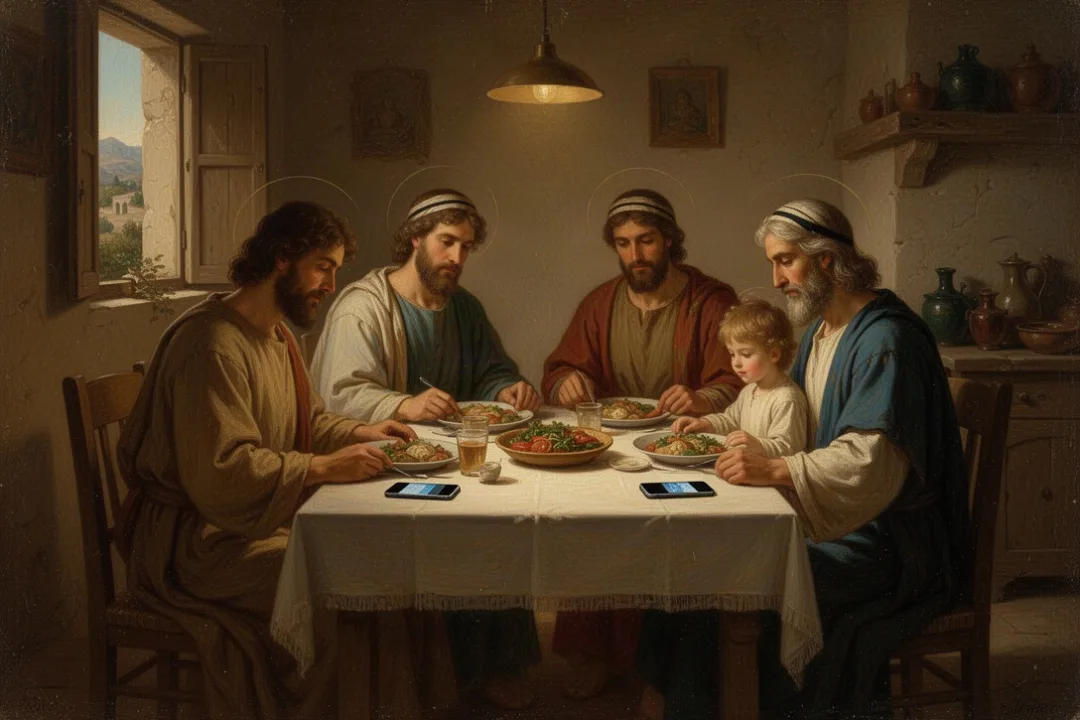
Meals often give the Sabbath a recognizable shape. Some households prepare food in advance, set the table carefully, and treat the meal as a welcome to the sacred day. Others cook simple food on the day itself, especially where their tradition permits it. The goal may be to reduce routine labor and make room for gratitude, hospitality, and unhurried conversation.
Worship can take place in a congregation or at home. A Sabbath keeper might attend a formal service, pray with family, read Scripture, sing, listen to a sermon, or study a weekly portion. The setting matters less than the intentional shift away from ordinary productivity and toward reverence, fellowship, and reflection.
Rest does not necessarily mean lying still or avoiding all movement. Walking, gardening, reading, visiting friends, eating with others, and spending time outdoors may feel restful to one person and burdensome to another. A useful question is whether an activity supports the purpose of the day or simply reproduces the pressure of the workweek.
Many Sabbath keepers also limit commercial activity. They may avoid shopping, restaurants, paid entertainment, online purchases, or professional communication. These choices can express solidarity with workers who also need rest, although the practical consequences differ depending on a person’s location, job, household, and religious rules.
Technology presents modern questions that ancient Sabbath laws do not address directly. Communities may differ about phones, computers, television, photography, social media, streaming services, and transportation. Some people switch off devices entirely. Others use a phone for emergency contact, Scripture, accessibility, or essential family communication while avoiding entertainment and work.
Personal observance often requires planning. A person who works shifts, cares for children, lives with nonobservant relatives, or depends on public transportation may need a flexible and realistic approach. Planning meals, completing errands, notifying colleagues, arranging transportation, and setting an automatic work message can prevent avoidable pressure.
Practical preparation before the Sabbath begins
Identify the hours of observance according to your tradition and local sunset if applicable.
Finish essential work, school assignments, shopping, cleaning, and meal preparation ahead of time when your practice calls for it.
Tell other people clearly when you will be unavailable and how to reach you for an emergency.
Plan worship and meals so the day has a positive shape rather than becoming a list of prohibitions.
Decide how you will handle technology, transportation, medication, caregiving, and urgent needs.
Leave room for recovery instead of scheduling every hour with religious activities.
A helpful test: Ask whether a choice helps you stop ordinary work, honor God, receive rest, and treat other people with dignity. If it creates fear, exhaustion, or needless harm, discuss it with a trusted religious leader rather than relying on appearances alone.
Why people choose to become Sabbath keepers
Some people begin keeping Sabbath because they become convinced that the seventh day remains a command for believers. Others grow up in a Sabbath-observant family or join a community whose weekly practice is central to its identity. Still others begin with a desire for healthier boundaries and later discover that regular rest deepens their prayer and understanding of Scripture.
Worship and obedience are common motivations. A person may believe that setting aside a day is a direct response to biblical instruction and an expression of loyalty to God. Observance becomes a recurring act of trust: work is not treated as the ultimate source of security, identity, or worth.
Rest is another major reason. Modern schedules can make constant availability feel normal, especially when work enters the home through email and mobile devices. A protected Sabbath creates a dependable interruption. Even when the day requires preparation, it can provide relief from the pressure to produce, purchase, respond, and compete.
Community also plays a strong role. Shared meals, worship services, study groups, and regular hospitality can give a week a stable center. For families, Sabbath may become a time when children learn religious practices through participation rather than through explanation alone.
Sabbath keeping can also carry a social and ethical meaning. The biblical pattern includes rest for dependents, workers, visitors, and animals. A person may therefore see Sabbath as a challenge to systems that assume people should remain available at all times. Choosing not to buy, sell, or work can prompt reflection on who bears the cost of convenience.
For some Christians, seventh-day observance is connected with a conviction that the biblical Sabbath was not transferred to Sunday. Seventh-day Adventists, Seventh Day Baptists, Church of God groups, and other communities have differing beliefs and practices, but they commonly treat Saturday as a significant day of worship. The label alone does not tell you the group’s complete theology.
For Jewish people, Shabbat is not simply a Christian-style decision to adopt a spiritual discipline. It is part of Jewish covenantal life, liturgy, law, family identity, and communal tradition. A respectful understanding should avoid treating Jewish Sabbath practice as a menu of customs detached from its religious and historical context.
People also discover that Sabbath observance exposes their assumptions about productivity. If stopping feels impossible, that may reveal dependence on work or constant stimulation. If observance produces severe anxiety, conflict, or scrupulosity, the person may need pastoral guidance and a healthier distinction between faithful practice and fear-driven control.
How Sabbath traditions differ from one another
There is no single checklist that every Sabbath keeper follows. Jewish communities differ in how they interpret and apply halakhic requirements, while Christian denominations differ over the Sabbath’s continuing authority, proper day, and relationship to Sunday worship. Even within one congregation, members may apply shared principles differently because of family responsibilities, health needs, or local circumstances.
The day itself is the most visible difference. Traditional Jewish observance follows the seventh day, from Friday evening through Saturday evening. Seventh-day Christians also observe Saturday, although their theology and rules may not be the same. Most Christian churches hold their main weekly worship on Sunday, and some describe Sunday as the Lord’s Day rather than calling it the biblical Sabbath.
Definitions of work also vary. Jewish law identifies specific categories of prohibited labor, and observant communities may address lighting fires, writing, carrying, cooking, commerce, and technology through detailed interpretations. Christian Sabbath keepers may avoid paid employment and ordinary business while permitting household cooking, driving, recreation, or other activities.
Worship practices range from synagogue services with established prayers and readings to Christian services featuring preaching, music, communion, and group prayer. Home observance can include candles, blessings, songs, Scripture reading, family discussion, or a simple quiet meal. No single format represents everyone who uses the term.
Differences also arise over necessary work. Medical professionals, emergency responders, caregivers, parents of young children, and people responsible for public safety may face obligations that cannot simply be postponed. Many religious traditions make room for preserving life, caring for the sick, and meeting urgent needs, though the precise boundaries should be learned from the relevant community.
When comparing traditions, avoid assuming that a stricter-looking practice is automatically more faithful or that a more flexible practice is automatically less serious. A tradition’s rules may express a complete theological and communal vision that cannot be judged from one visible behavior. Ask what the practice means to the people who follow it.
Jewish Shabbat: commonly begins Friday evening and includes synagogue worship, home rituals, meals, rest, and observance of Jewish law.
Seventh-day Christian Sabbath: commonly runs from Friday sunset to Saturday sunset and emphasizes worship, Bible study, rest, and service within a Christian framework.
Sunday observance: centers on Christian worship on Sunday, with practices ranging from a full day of rest to attendance at church alongside ordinary weekend activities.
Personal Sabbath practice: may use a weekly period for prayer and rest without adopting all the formal rules of Judaism or a specific denomination.
How to begin keeping a weekly Sabbath thoughtfully
If you are considering Sabbath keeping, begin by identifying the conviction behind the practice. Are you responding to a particular biblical command, joining a religious community, seeking regular rest, or exploring a tradition? A clear reason helps you choose a day and set of practices without copying rules whose meaning you do not understand.
Study the teachings of the community you are considering. Read the relevant biblical passages, attend a service, speak with members, and ask how they handle employment, shopping, technology, travel, illness, children, and emergencies. A community’s everyday answers often reveal more than a short statement of beliefs.
Choose a realistic starting point. You might set aside a period from Friday evening to Saturday evening or reserve a consistent Sunday block, depending on your convictions. Begin with worship, one shared meal, reduced work communication, and a period of genuine rest. Add practices gradually as you learn what supports the purpose of the day.
Tell your household what you are doing and invite cooperation without forcing identical behavior. Children may need age-appropriate activities, and a spouse or roommate may not share your beliefs. Planning together can prevent Sabbath from becoming a source of resentment or from shifting all ordinary labor onto another person.
Consider your job before making a public commitment. Review your schedule, speak with a supervisor, and understand workplace policies. In the United States, religious accommodations may sometimes be available, but they depend on the circumstances and the employer. Do not assume that an accommodation is automatic; ask early and seek qualified advice if your employment is affected.
Keep a brief record for several weeks. Notice when you feel rested, what activities create pressure, and which preparations make the day more peaceful. This is not a productivity scorecard. It is a way to refine your practice so that rest remains restorative and worship remains sincere.
Finally, let Sabbath include joy. A day built only around restrictions can become tense and self-focused. Shared food, meaningful conversation, prayer, music, a walk, hospitality, and quiet can make the day feel like a gift rather than a weekly examination that you are always afraid of failing.
Frequently asked questions
Is a Sabbath keeper the same as a Seventh-day Adventist?
No. A Seventh-day Adventist is a member of a particular Christian denomination that observes the seventh-day Sabbath. Sabbath keeper is a broader description that may include Jews, members of several seventh-day Christian groups, and people who follow a personal weekly Sabbath practice. The phrase does not identify a person’s denomination by itself.
Can a Sabbath keeper use a phone or computer?
The answer depends on the person’s religious tradition and the purpose of use. Some avoid electronic devices entirely, while others permit emergency contact, accessibility tools, Bible applications, or essential communication but avoid work and entertainment. Ask the individual or community about its practice rather than assuming every Sabbath keeper follows the same rule.
What happens if someone must work on the Sabbath?
People who cannot freely control their schedules may face difficult circumstances, including healthcare duties, emergency work, caregiving, or financial necessity. Many traditions distinguish unavoidable responsibilities from deliberate pursuit of ordinary business and emphasize compassion. A person should seek guidance from a trusted religious leader and consider practical workplace options instead of treating the situation as a simple test of sincerity.
Is Sunday the biblical Sabbath?
Religious traditions answer this differently. Jewish and seventh-day Christian interpretations identify the seventh day, while most Christian churches emphasize Sunday worship because of Jesus’ resurrection and call it the Lord’s Day. Some Christians believe the Sabbath command remains binding; others understand believers to have freedom concerning particular days. The answer depends on theology and interpretation.







Leave a Reply