What Are the Jewish Holidays? A Comprehensive Guide
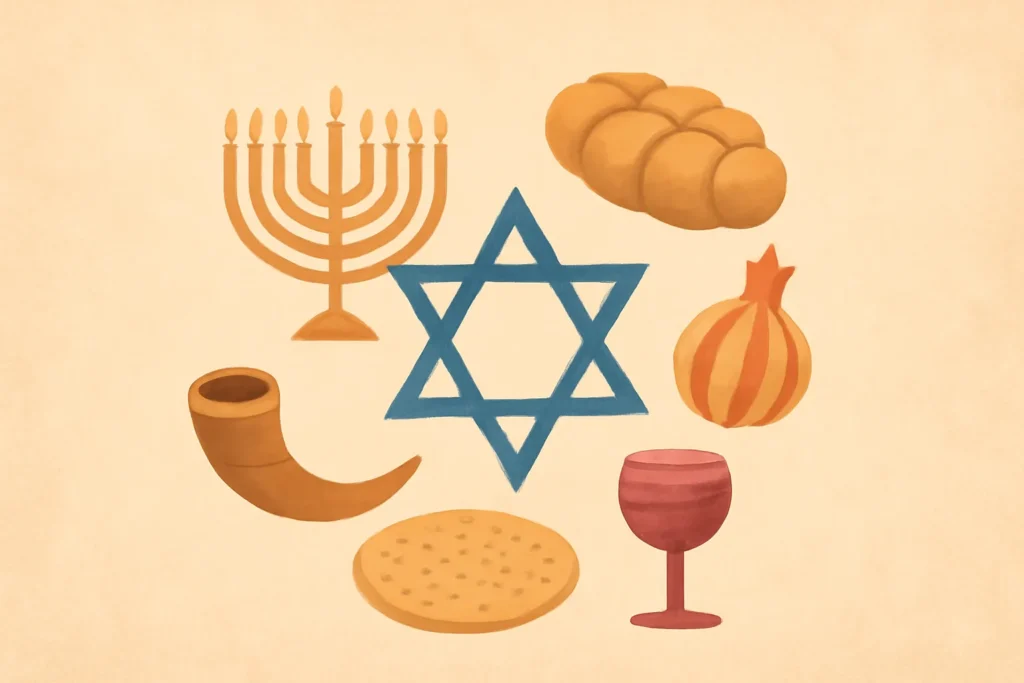
The Jewish calendar is a rich tapestry of sacred time, memory, and renewal. Across the year, communities around the world observe a rhythm of days that mark Creation, liberation, gratitude, repentance, and hope. This guide answers the central question: what are the Jewish holidays in practical terms, historical context, and contemporary practice. It offers an overview of the main festivals, fast days, and seasonal observances, as well as how people today celebrate them in homes, synagogues, and public life. By exploring the calendars, rituals, foods, and symbolism, readers can gain a clear sense of why these days matter and how they fit into a long Jewish tradition of memory and meaning.
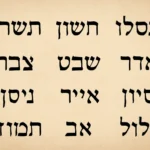
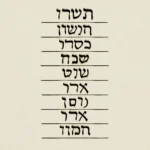
The Concept and Structure of the Jewish Calendar
To understand what the Jewish holidays are, it helps to start with the structure of the calendar itself. The Jewish year is lunisolar, meaning it tracks both the moon’s cycle and the solar year to ensure that seasons stay aligned with their agricultural and liturgical significance. This framework creates distinct periods: the weekly Sabbath, seasonal harvest festivals, and fasts or days of mourning. Some celebrations are tied to historical events, others to biblical narratives, and still others to agricultural cycles that became symbolic over time.
Two broad categories emerge when describing the holidays: Yom Tov (festivals or holy days with full or partial holiday status) and fast days and days of mourning (which recall tragedy and loss). A third recurring element in Jewish life is the weekly Shabbat, a day of rest and spiritual focus that anchors the cadence of the year. In addition, there are several minor holidays and seasonal moments—each with its own customs and symbols—that contribute to the overall rhythm of the Jewish year.
The Weekly Holy Day: Shabbat
Often the first question people ask about the Jewish calendar is what is Shabbat and how does it fit with annual festivals? Shabbat is the weekly day of rest from Friday evening through Saturday night, observed by many Jewish communities around the world. It is not merely a day off; it is a sacred time set apart for family, prayer, study, and reflection. The rituals emphasize blessing, gratitude, and sanctuary from the ordinary routines of work and commerce.
Observing Shabbat: core practices
Lighting candles at sundown on Friday, blessing the home, and inviting peace and warmth into the household.
Sharing a festive Shabbat meal on Friday night and a second meal on the day itself.
Attending synagogue services on Friday evening and Saturday morning, though practice varies across communities.
Avoiding work and the use of electronic devices in many observant households, with variations by tradition and level of observance.
Speaking words of rest, delight, and spiritual focus, often accompanied by singing or study.
In this sense, Shabbat forms the quiet center around which the yearly calendar orbits. It gives people time to pause, connect with family, and reflect on the week’s experiences within a larger faith tradition. Shabbat also foreshadows the idea that time itself can be sanctified, a theme echoed across many of the annual holidays that follow in the months ahead.
The High Holidays: Rosh Hashanah and Yom Kippur
Among the major Jewish holidays, the fall festival period stands out as a time of introspection, judgment, and renewal. The two central days are Rosh Hashanah (the Jewish New Year) and Yom Kippur (the Day of Atonement). Together, they frame a season traditionally called the “Days of Awe” or the “Ten Days of Repentance.”
Rosh Hashanah: The Jewish New Year
Rosh Hashanah marks the beginning of the Jewish year and introduces themes of memory, accountability, and renewal. Observances are centered on prayer, reflection, and symbolic foods. Common elements include:
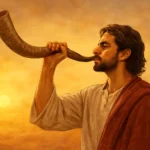
The blowing of the shofar, a ram’s horn whose blasts call for attention and spiritual wakefulness.
Special services in the synagogue, including penitential prayers and liturgy that invites people to review the past year and plan for the year ahead.
Festive meals featuring apple and honey to symbolize sweetness in the coming year.
Symbolic foods and ritual phrases that emphasize creation, blessing, and the sanctity of life.
Reflective customs in homes and communities that encourage reconciliation and peace.
In many communities, Rosh Hashanah also introduces the Ten Days of Repentance, a period of introspection culminating in Yom Kippur. The exact customs can vary among Ashkenazi and Sephardi traditions, but the overarching aim is shared: to examine actions, mend relationships, and seek spiritual renewal.
Yom Kippur: The Day of Atonement
Yom Kippur stands as the holiest day in the Jewish calendar. Its focus is purification, confession, and reconciliation before God and with others. Observance is defined by intense prayer, fasting, and a full day of rest. Key components include:
Fasting from sunset to nightfall the following day, typically lasting around 25 hours for many observant Jews.
Kol Nidre, a solemn evening prayer acknowledging vows that may not have been kept and seeking absolution for them.
Leniencies and restrictions that emphasize reflection: abstaining from work, bathing, anointing, leather shoes for some communities, and sexual activity may be curtailed.
Formal confessional prayers (the Vidui) and the concluding Ne'ilah service, which emphasizes final opportunity for seeking forgiveness.
White garments or a symbolic sense of purity in many traditions; communities often gather in the synagogue for lengthy services with readings from the Torah and special chants.
Yom Kippur is not merely about personal atonement; it is a communal moment to seek wholeness and repair in relationships with family, friends, and fellow members of the community. The day’s tone is somber, but the aim is hopeful: a clear path toward a better year.
Sukkot, Shemini Atzeret, and Simchat Torah
After the introspection of the High Holidays, the calendar shifts to celebrations that remember protection, harvest, and the joy of Torah. The trio of festivals in the autumn—Sukkot, Shemini Atzeret, and Simchat Torah—is rich in symbolism and communal practice. They are sometimes grouped as a single festival season, yet each day carries distinctive rituals.
Sukkot commemorates the Israelites’ wandering in the desert and God’s protection during that journey. It is also a harvest festival with a strong agrarian dimension. The central practices include:
Dwelling in a sukkah, a temporary booth or hut with an open roof to symbolize the fragile dwellings of the ancients.
Rituals with the Four Species — the etrog (citrus fruit) and the lulav (palm branch) with hadassim (myrtle) and aravot (willow).
Processions, festive meals, and community gatherings, often with cheerful songs and shared meals that strengthen communal bonds.
In Israel, Sukkot is a major national and religious festival, while in diaspora communities it is observed with careful attention to home and synagogue rituals that emphasize gratitude for harvest and protection.
Some traditions place extra emphasis on hospitality and welcoming guests into the sukkah, turning the festival into a time of communal generosity.
Shemini Atzeret and Simchat Torah
These days complete and celebrate the Torah-reading cycle. In the diaspora, Shemini Atzeret and Simchat Torah are distinct days, while in Israel they are observed on consecutive days that some communities treat as a single festival with a long Sabbath-like rest. Distinct features include:
Special prayers and the addition of Simchat Torah services that celebrate completing and restarting the Torah-reading cycle.
Joyous processions in the synagogue with Torah scrolls, dancing, and festive singing.
Blending of appreciation for divine revelation with a sense of communal gratitude for a year of study and teaching.
Hanukkah and Tu B’Shvat: Winter and Early Spring Moments
The winter season features one of the most widely recognized modern-ancient combinations: the Festival of Lights, Hanukkah, followed by Tu B’Shvat, the New Year for Trees. These days offer a mix of historical memory, family celebration, and connection to nature.
Hanukkah: The Festival of Lights
Hanukkah commemorates the miracle of oil and the rededication of the Temple in Jerusalem during a period of oppression. It has become a popular cultural and family celebration with distinctive rituals:
Lighting the menorah for eight nights, adding one candle each evening until all eight are lit.
Traditional foods such as latkes (potato pancakes) and sufganiyot (jelly doughnuts) that celebrate oil and joy.
Playing with a dreidel, a spinning top with four Hebrew letters that carry a playful, nostalgic meaning.
Giving and receiving gifts in many communities, especially in North American and European environments, alongside charitable acts and acts of generosity.
Hanukkah blends a historical memory with a familial and communal sense of warmth, often emphasizing resilience, faith, and the miracle of continuity in difficult times.
Tu B'Shvat: The New Year for Trees
Tu B’Shvat marks an agricultural milestone rather than a mythic deliverance. It is often observed as a time to reflect on the natural world, sustainable living, and the interdependence of humans and trees. Common practices include:
Eating fruit traditionally associated with the land of Israel and the biblical mention of trees, sometimes including simple fruit-based meals or fruit imagery in prayers.
Environmental education and tree-planting initiatives in many communities, linking ancient ritual to modern ecological concerns.
Torah study or communal gatherings that connect the bounty of nature to spiritual gratitude and responsibility.
Pesach and Shavuot: Passover and the Festival of Weeks
In the spring, the Jewish calendar centers on two major commemorations: Passover (Pesach) and Shavuot. Passover emphasizes liberation and memory of the Exodus from Egypt, while Shavuot marks the giving of the Torah at Mount Sinai and is associated with sweetness, study, and harvest symbolism.
Pesach (Passover)
Pesach is one of the most widely observed holidays in Jewish life, with several distinctive elements:
The prohibition of cooking and eating leavened bread (hametz) in favor of matzah, the unleavened bread that recalls the haste of the Israelites leaving Egypt.
The Passover Seder, a guided, ritual meal in which families retell the Exodus story, ask the Four Questions, and consume symbolic foods such as bitter herbs and sweet-charoset.
The Counting of the Omer, a period of 49 days between Passover and Shavuot, linking the two festivals through a structure of preparation and anticipation.
Longer festival days in the diaspora, with a sense of pilgrim or national memory that has shaped communal life for centuries.
Across homes and synagogues, Passover serves as a powerful reminder of freedom, justice, and the ongoing relevance of ancient narratives to contemporary concerns about human dignity and equality.
Shavuot completes the journey from release to revelation. It is traditionally celebrated with all-night study sessions, dairy foods, and the reading of the Book of Ruth in many communities. Core elements include:
The receiving of the Torah at Mount Sinai, which gives Shavuot its primary theological significance.
Special prayers and liturgical readings that emphasize wisdom, law, and covenantal responsibility.
The delight of dairy foods, which is explained in various customs and interpretations, bringing together taste and spiritual nourishment.
Purim: A Festival of Deliverance and Joy
Another major and distinctly joyful holiday is Purim, a celebration of triumph over oppression as recounted in the Book of Esther. Purim is known for its playful and festive atmosphere, symbolic foods, and acts of charity. The main features include:
The reading of the Megillah (the Scroll of Esther), where the story of Esther and Mordecai is read aloud, and the audience often responds with cheers or groans depending on the villain’s name.
Costume-wearing, masquerade-like celebrations, and a general sense of revelry that emphasizes the reversal of fortunes.
Haman’s pockets full of sweets, the exchange of foods and gifts (mishloach manot), and charitable giving to the poor (matanot la’evyonim).
Purim highlights the idea that even in dangerous times, courage, resourcefulness, and communal solidarity can prevail. It is celebrated with a combination of storytelling, humor, and acts of generosity that reinforce social bonds within the Jewish community.
Fast Days and Days of Mourning
While most holidays are days of joy or remembrance, several fast days emphasize mourning, reflection, and penitence. These days recall historical losses and national tragedies and invite communities to examine their conduct, both personally and collectively.
The Fast Days: Tzom and Observances
There are several fast days in the Jewish calendar, with varying degrees of observance depending on tradition and community. Common fast days include:
The fast of the 10th of Tevet, observed as a day of fasting that commemorates the siege of Jerusalem in ancient times.
The fast of the 17th of Tammuz, marking a breach in the walls of Jerusalem prior to the destruction of the Temple.
The fast of Tisha B’Av (the ninth of Av), a major day of mourning for the destruction of the First and Second Temples and other tragedies in Jewish history.
In some communities, additional minor fast days may be observed to commemorate other historical events or to express communal repentance.
These fasts typically involve abstaining from food and drink for designated hours, paired with prayer, readings from the prophetic and historical texts, and a focus on humility, repentance, and social responsibility.
Tisha B'Av: Mourning the Temples
Tisha B’Av is the most well-known fast in this category. It is observed with a solemn atmosphere that includes readings from the Book of Lamentations, kinot (dirges), and restrictions on certain expressions of joy. The day invites people to consider how communities can prevent future tragedies by promoting justice, peace, and mutual care.
Holidays in Israel and the Diaspora
Across the Jewish world, the way holidays are observed can differ in important ways, especially between life in Israel and life in the Diaspora. Some of these differences arise from calendar planning, local customs, and national calendars that intersect with religious observance. For example, in Israel, certain holidays may be observed with distinct national or civic elements, and the length of the festival period may vary between Israel and diaspora communities.
Two modern additions have become central to Jewish public life, particularly in Israel:
Yom Ha’atzmaut (Israel Independence Day) celebrates the establishment of the modern state and is observed with national pride, ceremonies, and community events.
Yom HaZikaron (Israel Memorial Day) honors fallen soldiers and victims of terror, often observed with ceremonies and moments of remembrance that connect with the broader rhythm of national life.
These days show how the calendar can accommodate historical memory, national identity, and communal values alongside traditional religious observances. They also illustrate the ways in which Jewish timekeeping both preserves ancient memory and adapts to contemporary life in the modern nation-state context.
How Jewish Holidays Are Observed Today
In contemporary practice, there is great diversity in how these holidays are observed. Some families and communities emphasize strict adherence to halachic (Jewish law) guidelines, while others prioritize cultural, educational, or historical dimensions. The common thread, however, is a shared sense of time as a conduit for meaning, connection, and ethical reflection.
Several recurring themes recur across celebrations:
Prayer and study increase during festival periods, with special liturgy, readings, and sometimes study sessions that explore biblical texts, rabbinic interpretations, and modern applications.
Family and community are central to the experience, with gatherings, meals, festive songs, and communal rites that reinforce bonds across generations.
Food and symbolic meals link culinary traditions to spiritual ideas—matsah during Passover, apples and honey during Rosh Hashanah, latkes during Hanukkah, and dairy or fruit-focused meals during Shavuot, among others.
Home and synagogue life reflect the dual nature of Jewish holidays: personal devotion and communal worship. Families may light candles, recite blessings, or participate in public services, depending on tradition and circumstance.
Ethical themes surface across the calendar, including gratitude, generosity to the poor, repentance, justice for the vulnerable, and care for the environment and fellow humans.
When considering what are the Jewish holidays, it’s helpful to distinguish between the essence of each festival and the practical customs that communities adopt. Some holidays emphasize liberty and national identity, others stress atonement and personal growth, while others focus on harvest, memory, or divine revelation. Yet all of them contribute to a shared sense of belonging and purpose within the Jewish people.
Lifecycle Moments and Personal Observance
Beyond the annual calendar, many Jewish families connect the holidays to personal milestones and lifecycle events. Celebrations such as weddings, B’nai M’rith reunions, a newborn’s naming, and other rites of passage may be integrated into or timed around holiday observances. The purpose is often to link personal growth with communal memory, weaving individual experience into the larger story of the Jewish people. In some communities, the holidays also serve as occasions for education—teaching children and adults about history, ethics, and the evolving interpretation of sacred texts.
A Quick Reference: Key Terms and Quick Facts
The following short glossary can help readers quickly identify important terms related to the Jewish holiday calendar. This section uses concise definitions to reinforce understanding of the many concepts described above.
Shabbat — the weekly day of rest from Friday sunset to Saturday night; a central rhythm of Jewish life.
Yom Tov — “festival days” with special observances; a category that includes major holidays with restrictions on work.
Rosh Hashanah — the Jewish New Year; a time of introspection and prayer, marked by the shofar blasts.
Yom Kippur — the Day of Atonement; a day of fasting, repentance, and intensive prayer.
Sukkot — the Feast of Tabernacles; commemorates the desert wanderings and harvest with sukkah dwellings and the Four Species.
Shemini Atzeret, Simchat Torah — festivals of completion and renewal of the Torah reading cycle.
Hanukkah — the Festival of Lights; eight days of lights, latkes, and dreidels.
Tu B’Shvat — the New Year for Trees; a focus on nature, fruit, and environmental responsibility.
Pesach (Passover) — commemorates liberation from Egypt; involves the Seder and the prohibition of leavened bread.
Shavuot — the Festival of Weeks; marks the giving of the Torah and is often associated with dairy foods and all-night study.
Purim — a joyful festival of deliverance as told in the Book of Esther; characterized by costumes, feasting, and acts of charity.
Tisha B’Av — a day of mourning for the destructions of the Temples and other tragedies; marked by fasting and lamentation.
A Note on Variations and Interpretations
Because Jewish practice spans diverse communities—Ashkenazi, Sephardi, Mizrahi, and others—the way holidays are observed can differ significantly. Some families follow stricter norms around photography, internet use, or work restrictions; others emphasize educational programming, charitable giving, or cultural celebrations. The dates themselves are fixed by the Jewish calendar, but the length of holidays, the number of days observed in Israel versus the diaspora, and the ritual emphases may vary. For learners exploring what are the Jewish holidays, it’s helpful to recognize this diversity as a sign of the living, evolving nature of Jewish tradition rather than as a contradiction or a problem to be resolved.
How to Approach Learning About Jewish Holidays
For readers new to the subject, a practical approach can help you build understanding without feeling overwhelmed. Consider the following steps:
Start with the weekly structure (Shabbat) to build a baseline for how time is sanctified in Jewish life.
Move to the major holidays (Rosh Hashanah, Yom Kippur) to understand themes of judgment, repentance, and renewal.
Learn the festivals of harvest and remembrance (Sukkot, Hanukkah, Purim) to experience the variety of expressions in Jewish time.
Study the spring cycle (Pesach and Shavuot) to see how liberation and revelation are woven into a narrative of freedom and covenant.
Explore fast days and mourning to gain insight into communal memory and responsibility.
Observe how modern life integrates these days in the Land of Israel and abroad, including national days of remembrance and identity alongside religious observance.
Conclusion: The Living Rhythm of Jewish Time
In answering the question what are the Jewish holidays, we see not a single static list but a living rhythm that blends history, faith, and culture. The annual cycle invites participation—through prayer, study, food, and acts of kindness—while also honoring memory and tradition. The diverse ways communities observe these days reflect a shared commitment to sanctifying time, strengthening communal bonds, and supporting a hopeful future. Whether you approach the calendar as a scholarly inquiry, a spiritual journey, or a cultural exploration, the Jewish holidays offer a framework for reflection, celebration, and renewal that resonates across generations.




Leave a Reply