Zion as Mother: The Biblical Motherly Symbol of Jerusalem
Zion as Mother: The Biblical Motherly Symbol of Jerusalem
Symbolic Figures
Zion as Mother: The Biblical Motherly Symbol of Jerusalem
📅 Ancient Near East, circa 8th century BCE to 1st century CE · 📜 Zion derives from the Hebrew root צון (tsōn), meaning 'border' or 'fortification,' referring originally to a specific hill in Jerusalem but later symbolizing the city itself and the spiritual homeland of God's people.
ZionJerusalemMotherhood in the BibleBiblical Symbols
Rejoice greatly, O daughter of Zion! Shout aloud, O daughter of Jerusalem! Behold, your king is coming to you; righteous and having salvation is he, humble and mounted on a donkey, on a colt, the foal of a donkey.— Zechariah 9:9
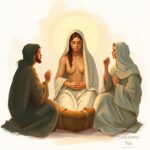
Zion is symbolically portrayed as a maternal figure representing Jerusalem—the spiritual and physical heart of God's people. In prophetic writings, she is depicted as a mother who mourns her fallen children and yearns for restoration, embodying divine care and nurturing. God’s promises rekindle her identity as a motherly figure, illustrating His covenantal love and commitment to His people’s salvation. In Revelation, Zion is personified as a bride, signifying divine motherhood and eternal security. This symbolism highlights the divine compassion, protection, and nurturing care that God provides through His chosen city, emphasizing her role as a maternal symbol of hope amid desolation and renewal. As such, Zion as Mother reflects God's unwavering love, His covenantal promises, and His desire to bring salvation and comfort to His children throughout biblical history.
🏛️ Cultural & Historical Context
In the ancient Near East, cities like Jerusalem held immense cultural and religious significance, often personified as mother figures embodying divine favor and protection. Women's roles were primarily centered on family and community stability, but divine personifications like Zion elevated the concept of motherhood into a spiritual symbol representing national loyalty and divine love. The imagery of a mother city reinforced ideas of protection, refuge, and nurturing for the Israelite people, especially during periods of exile and hardship. Such personifications served to deepen the religious connection between the people and their land, illustrating God’s protective and nurturing relationship with Israel through the metaphor of motherhood.
👨👩👧 Family Connections
Zion is personified as a woman rather than a literal individual; however, she is depicted figuratively as the mother of Jerusalem, representing the collective nation and faithful community of Israel. In prophetic texts, she is often linked to divine divine motherhood and beloved city, embodying God's enduring relationship with His people.
Zion as Mother underscores God's tender care and covenantal love for His people, portraying Jerusalem as a divine nurturing presence. This symbolism emphasizes God's providence, compassion, and faithfulness, illustrating His role as protector and sustainer. The maternal imagery elevates the divine-human relationship to a profound level of intimacy and trust, highlighting the hope of restoration and divine mercy. In salvation history, Zion as Mother points to the fulfillment of God's promises of salvation, embodying both the city and its spiritual significance as the chosen place where God's presence dwells and salvation is nurtured. She signifies both the divine mercy and the eschatological hope of eternal communion with God.
📖 Lessons for Today
📖 Lesson 1
Just as Zion endures trials and hardships, believers are called to maintain hope and faith in God's promises amid adversity.
Zion as Mother differs from women like Mary or Ruth by embodying a collective national and spiritual identity rather than individual personhood. While Mary is an individual maternal figure representing divine incarnation, Zion personifies city and community as a nurturing, maternal symbol of divine love and promise, contrasting the personal motherhood to a broader divine-maternal archetype connected to faith and hope.
📜 Scripture References
Reference
Isaiah 1:8
Isaiah 49:15
Lamentations 2:13
Revelation 21:2
❓ Frequently Asked Questions
What does Zion as Mother symbolize in the Bible?
Zion as Mother symbolizes Jerusalem's spiritual significance, divine protection, and God's nurturing love. It emphasizes the city’s role as a maternal figure representing God's covenant and care for His people.
Is Zion a literal woman or a symbolic figure?
Zion is a symbolic figure personifying Jerusalem and Israel as a maternal city. She embodies divine protection and hope, rather than being a historical individual woman.
How does the imagery of Zion as Mother influence Christian theology?
The image accentuates God's nurturing, protective nature and His covenantal love. It also foreshadows the Church as a spiritual mother, emphasizing divine mercy and salvation through Jesus Christ.
✨ Did You Know?
The term 'Zion' originally referred to a specific hill in Jerusalem before becoming a symbol of the entire city and the divine presence. Linguistically, its transformation from a geographical feature to a maternal and spiritual symbol reflects its profound cultural and religious importance in Judaism and Christianity.





Leave a Reply