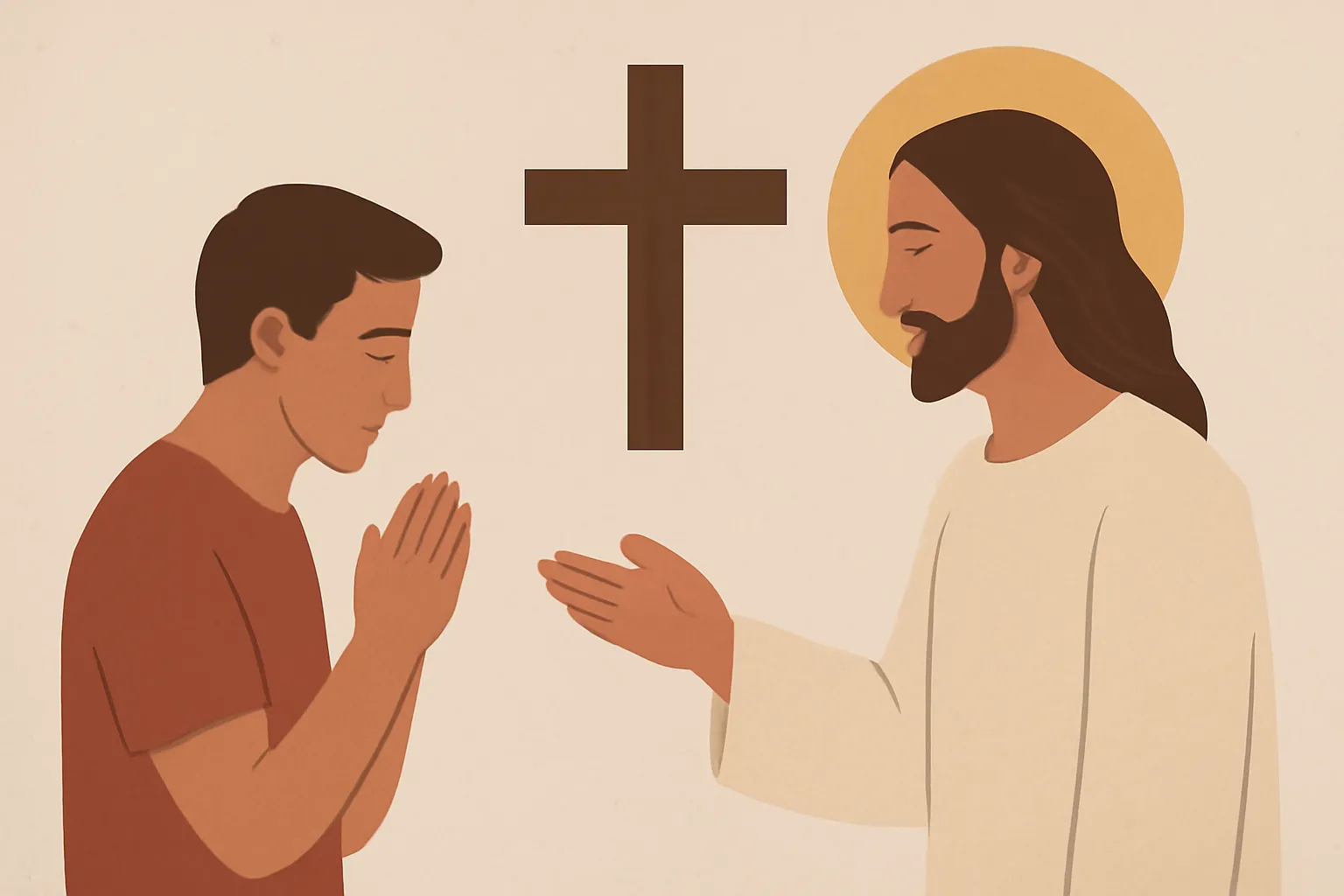
For many seekers, the journey toward embracing the Christian faith is a life-changing process that combines curiosity, reflection, community, and daily practice. Whether you are exploring conversion to Christianity from another religious tradition, from cultural secularism, or from a skeptical or uncertain place, this guide offers practical steps, thoughtful questions, and reliable resources. The path to becoming a Christian is not a single moment in time for everyone; it often unfolds as a process of discovery, listening, and choosing to follow Jesus Christ in daily life. The purpose of this guide is to present clear information, encourage honest exploration, and respect that the decision to turn toward the Christian God is both deeply personal and profoundly communal.
A practical framework for considering conversion to Christianity
Before describing steps and practices, it helps to name the core idea that often motivates people who are contemplating a shift toward the Christian faith: trust in God and a desire for a life shaped by love, forgiveness, and purpose. People describe this moment in different ways—some speak of a sudden inner conviction, others speak of a gradual sense of God’s presence, and many speak of a combination of study, prayer, and relationships that converge into a turning point. The aim is not merely to adopt a label but to enter into a living relationship with God as revealed in Scripture, demonstrated in the life of Jesus, and nurtured in a community that follows Him. Here are practical considerations for a thoughtful, informed, and respectful transition into the faith.
Steps toward a meaningful decision
Explore honestly. Begin by naming your questions, doubts, hopes, and expectations. It is normal to wrestle with difficult topics such as suffering, the problem of evil, the reliability of the Bible, and the nature of God. Approach these questions with curiosity and patience, not fear.
Read and reflect. Engage with accessible, reliable sources about Christian belief, practice, and history. A good starting point is the Gospels (Matthew, Mark, Luke, and John) to understand the life of Jesus Christ and the core claims of the faith. Supplement with letters from early Christians (the Epistles) and brief summaries that explain the narrative of salvation history.
Pray and listen. Prayer is not a magic formula but a conversation that helps align your heart with truth. Even simple, honest prayers—such as asking for guidance, wisdom, and openness—can be meaningful. Prayer can be a practice you begin with a few minutes each day, then extend as you grow more comfortable.
Seek trustworthy guidance. Talk with a pastor, mentor, or a trusted Christian friend who can answer questions, model faith, and provide accountability. It is often helpful to have someone walk with you through the process, listening well and offering guidance without pressuring you toward a quick decision.
Experience Christian community. Visit a local church to observe and participate in worship, teaching, and fellowship. Observe whether you sense hospitality, integrity, and a desire to love your neighbor. The experience of community is frequently a decisive factor in whether a person feels equipped to pursue baptism and ongoing discipleship.
Learn the distinctives. There are many Christian traditions—Catholic, Orthodox, Protestant, evangelical, Anglican, Pentecostal, and more. Each places emphasis on certain practices, interpretations of Scripture, and modes of worship. It is important to understand these differences as you discern which tradition best aligns with your convictions and your sense of God’s leading in your life.
Consider baptism and profession of faith. In many Christian communities, baptism is a significant public step affirming a person’s decision to follow Jesus. It is commonly accompanied by a profession of faith, a public declaration of trust in Christ, and an entrance into church life. If you are curious about baptism, meet with a pastor to explore its meaning and the steps involved in your tradition.
Integrate daily practices. Even after a decision, the Christian life is ongoing work. Begin to integrate intentional practices such as regular Bible reading, prayer, worship, acts of service, and spiritual formation through mentors and small groups. These disciplines help deepen belief and shape behavior over time.
Be patient and honest about progress. Conversion is often gradual. Allow room for questions and for experiences that may challenge your assumptions. Give yourself time to integrate beliefs with daily life, relationships, work, and personal history.
Prepare for changes. Turning toward faith can affect relationships, routines, and even your worldview. It is natural to experience both consolation and tension as you reframe aspects of your life around Christian beliefs. A thoughtful, compassionate approach to these transitions can help maintain healthy, respectful interactions with others.
Key beliefs to understand on the path to Christianity
Traditional Christian teaching centers on certain non-negotiable convictions that shape the way a person moves from inquiry to faith to discipleship. While there are differences among denominations, the following core beliefs are broadly shared in one form or another across the Christian family. These topics provide a foundation for someone who is aiming to become a Christian or who is exploring the Christian life.
The Person and Work of Jesus
At the heart of the Christian message is the person of Jesus Christ, the Son of God who became human. Christians believe that Jesus lived a sinless life, died on a cross for the forgiveness of sins, and rose again to inaugurate God’s new creation. To consider conversion to Christianity is to encounter who Jesus is, what He claimed, and what He accomplished through His life, death, and resurrection. The Christians’ confession is that faith in Jesus is the decisive response to God’s invitation to reconciliation with Him.
The Authority of Scripture
Most Christian communities teach that the Bible is the divine revelation given to human beings. It bears witness to God’s character, promises, and plan of salvation. When evaluating faith, readers often hear the claim that Scripture is trustworthy for guiding belief and conduct. Understanding the nature of biblical inspiration, its historical context, and its interpretation is an important part of genuine conversion to Christ.
Salvation and Grace
A central teaching across Christian groups is that people are saved by grace through faith, not by works alone. This does not negate the importance of good deeds; rather, it emphasizes that God’s love initiates the relationship and empowers ethical living. For someone seeking to become a Christian, grasping the idea of grace and the role of personal trust in Christ is essential for a robust, lifelong walk with God.
Trinity and Creation
Christians typically affirm belief in the Trinity—that God exists as Father, Son, and Holy Spirit—one God in three persons. Additionally, the created order is viewed as good, yet broken by sin, and in need of restoration through the work of Christ and the Spirit. These doctrinal points shape how a person understands prayer, worship, and mission in daily life.
Beyond belief, the Christian life is expressed through discipleship: learning, obeying, and being formed into the image of Christ. This includes practices like worship, service, mercy, and sharing faith with others in ways that honor God. For those pursuing a serious commitment, discipleship becomes a practical framework for living out the Christian faith in all areas of life.
Prayer, Scripture, and spiritual disciplines
Adopting Christian beliefs often goes hand in hand with adopting certain spiritual disciplines that nurture faith and transform daily routines. The following practices are commonly used to deepen one’s relationship with God and to align life with Christian values.
Daily Bible reading paired with reflection or journaling to discern God’s voice and to understand the story of salvation.
Prayer, including adoration, confession, thanksgiving, and requests (often summarized as ACTS) to maintain ongoing conversation with God.
Worship gatherings, whether in a church setting or in smaller communities, to express devotion to God and to learn from others’ experiences of faith.
Fellowship with other believers through small groups, study groups, or mentorship relationships that provide encouragement, accountability, and practical guidance.
Service and generosity, putting faith into action by helping those in need, contributing time, talents, and resources to initiatives that reflect God’s love for others.
Spiritual accountability, seeking honest feedback from trusted peers or mentors about growth, habits, and ethical choices.
These practices are not burdensome rules but means of grace that strengthen conviction and foster a lifestyle that mirrors the teachings of Christ. When someone moves from curiosity toward a more settled faith, these disciplines often move from optional adds-on to central habits in daily life.
Community, worship, and belonging
One of the most significant aspects of conversion to Christianity is becoming part of a community that shares beliefs, affirms love for neighbors, and participates in shared worship. Church life provides guidance, correction, encouragement, and opportunities to serve. There are several important considerations when engaging with a Christian community as you pursue following Christ.
Hospitality and welcome. A good church should practice warmth toward newcomers, openness about questions, and patience with late-stage doubts as you grow in faith.
Teaching and proclamation. Consistent, clear teaching about Jesus, the gospel, and the Christian life helps you understand what it means to be a disciple.
Worship style and tradition. Churches differ in music, liturgy, and structure. It is wise to visit several communities to observe what resonates with your conscience and your sense of God’s presence.
Sacraments or ordinances. Many traditions practice baptism and communion as tangible expressions of faith. Understanding their meaning can be a meaningful part of your journey toward deeper commitment.
Service opportunities. Engaging in mission and mercy initiatives helps translate belief into action and helps you connect with others on a shared path.
Engaging with a local church is often a decisive factor in the process of entering the Christian faith. The church is not a credentialing body but a family that helps you grow, heal, and become more like Christ in everyday life.
The practical language of turning toward Christ
People describe their experience of moving from inquiry to belief with a variety of terms. Here are some common phrases and nuances that reflect the breadth of how conversion takes shape in real life. Using multiple expressions can help you articulate your path to others and to yourself as you explore what it means to become a Christian.
Converting to Christianity as a formal or informal transition into a life centered on Christ.
Becoming a Christian as a personal transformation that includes trust in Jesus and a commitment to follow Him.
Embracing the Christian faith emphasizing assent to core beliefs and a desire to live accordingly.
Turning to Christ highlighting a shift in allegiance and the decision to trust Jesus for forgiveness and new life.
Entering the faith focusing on the transition from outsider to member of the Jesus-following community.
Submitting to God as a posture of surrender to God’s will and guidance as learned in Christ.
Regardless of the phrase chosen, the core motion is that a person moves toward a relationship with God through Jesus, and into a life shaped by the teachings of the Bible and the witness of the church. The language may vary, but the trajectory often includes discovery, trust, baptism or profession of faith, and ongoing formation in a life of discipleship.
Common questions and clarifications about the path to Christ
As you consider moving toward Christian faith, you may encounter questions that are common and worth naming explicitly. Addressing these concerns with honesty can help you make a more informed decision and avoid glossing over real issues. Below are a few topics frequently discussed in conversations about Christianity.
Is it necessary to abandon my previous beliefs?
Many people discover that pursuing the Christian faith does not require discarding every belief system or cherished value. Instead, it often requires reevaluating how those beliefs align with the Christian claims about God, truth, and love. Some people retain elements of their previous framework while integrating new insights from Christian teaching. The process is personal and gradual, and it should proceed at a pace that allows genuine understanding and integrity.
What about other faiths or worldviews?
Christianity, like other major religious traditions, presents a particular set of claims about God, humanity, salvation, and purpose. Respectful dialogue with other faiths can be enriching and instructive. In the practical years of discernment, many seekers benefit from studying comparative perspectives, asking how differing views address questions about meaning, justice, and the problem of evil. Ultimately, the Christian path emphasizes fidelity to Jesus and His message as the guiding criterion for belief and practice.
How should I deal with doubt in the process?
Doubt is a normal companion on the journey to faith. Rather than treating doubt as a barrier, many people find that approaching doubt with curiosity, seeking reliable information, and engaging with a trusted mentor helps. A healthy approach to doubt involves asking questions, seeking answers, and still choosing to remain open to God’s guidance as you continue to explore.
What role does emotion play?
Emotions often accompany spiritual transformation, but lasting faith rests on truth, character, and reliable experience. It is common for people to feel a strong sense of peace, conviction, or even discomfort as they confront challenging beliefs or lifestyles. Emotional responses can be meaningful indicators of movement toward faith, but they are best understood in light of evidence, reason, and the witness of the Christian community.
Is baptism required for genuine conversion?
Different Christian traditions have different requirements regarding baptism. For many communities, baptism is a public sign of the inner decision to follow Christ and an entry point into church life. It is typically associated with the grace of God and the individual’s public commitment. If you are curious about baptism, speak with a local pastor who can explain the meaning and steps in that particular tradition.
Making a thoughtful decision and planning next steps
Turning toward God in faith is best approached with intentional preparation. The following practical considerations can help you move forward with clarity, integrity, and care for yourself and others.
Set realistic timelines. If you are in a busy season of life, allow yourself time to study and reflect without pressure to rush into a decision.
Document your journey. Keep notes of questions, readings, sermons, conversations, and moments of insight. This record can help you see patterns and sources of insight that shaped your decision.
Honor relationships. Be honest with friends, family, and colleagues about your process. Explain that you are exploring a faith tradition and that you value their respect and understanding as you learn more.
Seek responsible roles in the church where appropriate. If God seems to be guiding you toward a particular community, consider how you might contribute through service, mentorship, or study groups—always at a pace that fits your readiness and comfort level.
Guard your integrity. It is wise to avoid situations that promote inconsistency between professed beliefs and behaviors. Build habits that reflect the values you are studying and seeking to live out.
As you reach a point of decision, you may find you are turning to Christ’s invitation for forgiveness, life, and purpose. The invitation is the same for many: a life oriented toward love for God and neighbor, a trust in the gospel, and a commitment to live in the light of Jesus’ teachings. If you decide to pursue baptism or formal membership, you will typically meet with church leadership, participate in the necessary catechesis or orientation, and join in the life of the church in a meaningful way.
Practical resources and next steps for your journey
There are many paths to learn more about the Christian faith, and a careful, thoughtful approach is best. The following resources can help you deepen your understanding, connect with communities, and begin or continue the process of embracing Christianity in a healthy, informed way.
Available study materials. Look for beginner-oriented study Bibles, short systematic summaries of Christian doctrine, and introductions to the life of Jesus that emphasize historical context and practical application.
Local churches and denominations. Visiting multiple congregations can reveal different styles of worship, community life, and theological emphasis. Don’t hesitate to ask questions about beliefs, baptism, and discipleship expectations.
Guided mentorship. A mentor or faith-friend can provide accountability, share personal stories, and help interpret Scripture in a way that is accessible and relevant to your life stage.
Online resources. Reputable websites, podcasts, and video series can supplement your reading and church participation. Prioritize sources that are clear, well-supported, and consistent with traditional Christian teaching.
Apologetics and questions. If you encounter obstacles, look for resources that address the rational and historical foundations of Christian belief. A strong foundation helps sustain faith during times of doubt.
When you decide to pursue conversion to Christianity, the journey often becomes a trajectory of ongoing growth rather than a single milestone. It is a lifelong invitation to walk with God through Jesus, nourished by Scripture, affirmed by community, and expressed in love for others. The practical steps outlined here aim to support you in making informed decisions, cultivating spiritual disciplines, and engaging with a local faith community in a way that is responsible and respectful to yourself and to others.
A final note on authenticity and personal integrity
Every genuine move toward the Christian faith is ultimately measured by character and consistency. The sincere pursuit of truth, humility to listen, and courage to follow where God leads are the hallmarks of a healthy journey. People who consider conversion to Christianity often find that authenticity—speaking honestly about what they believe, what they doubt, and how they live—yields the most durable faith. It is not a possession of facts alone but a living relationship with God, evidenced in love, hope, and transformation that extends to family, friends, and the wider world.
Summary: turning toward Christ as a personal and communal journey
In the end, the path from inquiry to faith is both personal and communal. It involves asking meaningful questions about Jesus, the Bible, and God’s character; engaging with Scripture and prayer; seeking guidance from trusted mentors; and participating in a community where faith is learned, tested, and lived out. Whether you describe the process as becoming a Christian, entering the faith, or converting to Christianity, the essential aim remains: to know God more truly, to love others more deeply, and to live with integrity and purpose in light of the gospel. May your exploration be honest, your questions be answered with care, and your steps toward faith be guided by grace and truth as you walk the path of discipleship.

 Por Laura Jara