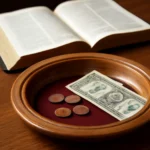
Across many faith communities, the acts of tithes and offerings are not merely financial transactions; they are expressions of worship, gratitude, and trust. When believers give, they participate in a long-standing practice that links personal blessing to communal flourishing. This article presents a broad, practical, and spiritually grounded view of short exhortations about giving tithes and offering, offering ideas that can be shared aloud in small groups, taught from the pulpit, or used as personal reflections. The aim is to help readers understand the significance, cultivate a generous heart, and practice giving with clarity, joy, and accountability.
In contemporary faith communities, a tithe is traditionally understood as a disciplined portion of one’s income—often considered to be the first tenth—given back to God through the church or ministry of one’s choice. An offering is the broader, voluntary gift given beyond the tithe to support specific needs, projects, or missions. Both acts are rooted in the conviction that all we have ultimately belongs to God, and that our resources are a trust to steward well. Giving with intention aligns our finances with our beliefs, turning money into a tangible sign of faith and a conduit for blessing others.
As you reflect on short exhortations about giving, consider three guiding ideas: generosity as worship, generosity as stewardship, and generosity as transformation. When giving becomes worship, it moves beyond obligation toward praise. When giving is stewardship, it carries accountability and care for how resources are used. When giving fosters transformation, it reshapes habits, priorities, and community life in ways that reflect God’s justice and mercy.
The Spiritual Value of Generosity
Cheerful Giving as a Core Habit
One of the most powerful exhortations about giving is to give with cheerful hearts. The apostolic invitation to God loves a cheerful giver (a formulation drawn from scripture) invites us to align our emotions with our decisions. When we give with joy, we acknowledge that generosity is not merely a duty but a response to grace. A cheerful giver models contentment, trust, and hopeful expectation that God’s work continues through these gifts. In practical terms, cheerful giving often looks like planning gifts in advance, choosing amounts that honor the season of life we’re in, and celebrating what generosity accomplishes in the lives of others.
Joyful consistency makes giving a rhythm rather than a reaction.
Gratitude-led decisions connect blessings received to blessings shared.
Public or private affirmation of what generosity accomplishes amplifies encouragement within the community.
Generosity as Worship and Identity
Giving is not only a financial action; it is a statement about who we are. When we give, we declare that we trust God’s provision, acknowledge our responsibility to others, and participate in ongoing work in the world. In this frame, tithes and offerings become acts of worship, inseparable from prayer, scripture, and fellowship. An exhortation here is to see giving as part of your spiritual identity—your daily, weekly, and monthly rhythm of responding to God’s generosity with generosity of your own.
Biblical Foundations of Giving
Tithe: The Principle of the Tenth
The practice of giving a portion of income has ancient roots in many faith traditions, and in the Christian context, the concept of a tithe—often understood as a tenth—emerges as a disciplined starting point. A short exhortation on the tithe emphasizes consistency, reliability, and humility. When believers commit to a regular tithe, they acknowledge that they are part of a larger story in which material resources serve a larger purpose than personal comfort alone. The exhortation to give a tenth is not primarily about numbers but about trust: choosing to allocate a portion toward the work of God as a visible sign of dependence on divine provision.
Practical note: many communities offer guidance on how to calculate a tithe in today’s economy, acknowledging that wages, irregular income, and financial responsibilities vary widely. The overarching aim remains: prioritize regular giving as a deliberate act of worship and stewardship.
Offerings: Beyond the Tenth
Beyond the tithe, offerings provide flexibility to respond to immediate needs, special campaigns, missions, or charitable endeavors. The exhortation here centers on voluntary generosity—giving beyond the amount that is routinely set aside. Offerings enable churches to respond to emergent needs, support compassionate ministries, and fund ministries that would otherwise be unavailable. The rhythm of offerings should be guided by prayerful discernment, transparency, and a clear sense of purpose.
Two guiding questions can shape offerings: What needs are present right now? and How can my gift partner with others to amplify impact? When answered with care, offerings become a living conduit for justice, mercy, education, and community transformation.
Practical Ways to Give
Ways to Build a Habit of Generosity
Developing a robust practice of giving involves more than a one-time action. It requires planning, accountability, and spiritual framing. The following short exhortations can be shared with a group or used privately to cultivate a healthy habit of generosity.
Establish a regular date for reviewing finances and making gifts, so generosity becomes a weekly or monthly cadence rather than an afterthought.
Set meaningful amounts that reflect gratitude, not guilt. A thoughtful percentage or a consistent dollar amount can anchor your discipline.
Involve your family in discussions about giving. Let children and youth participate in age-appropriate decisions to cultivate a generosity mindset early.
Plan for the unexpected by including a line item for spontaneous needs, ensuring that generosity remains flexible and responsive.
Record intentions of giving in a journal or a digital tool, creating a narrative of your spiritual journey through finances.
Methods of Giving in a Modern Context
Today’s church and ministry ecosystems offer a spectrum of giving methods. The exhortation here is to choose pathways that align with your values while ensuring accountability and ease of use. A few common avenues include:
Online giving with secure platforms that offer recurring gifts and reminders.
Bank transfers or direct deposits for consistent tithe payments.
Checks or cash for those who prefer traditional methods and who may attend worship services in person.
Special offerings tied to specific campaigns, missions, or relief efforts with clear purpose statements.
In-kind giving—donating goods or services that support ministries and community programs when cash gifts aren’t feasible.
In all these methods, leadership emphasizes transparency and accountability. Do not equate technology with trust automatically, but do look for clear reporting that demonstrates how gifts are used to advance the mission and serve the vulnerable.
Impact of Giving on Community
Generosity has a tangible impact on churches, ministries, and communities. Short exhortations about giving often center on the transformative power of funds when they are used to advance justice, educate the next generation, care for the marginalized, and sustain essential programs. Financial gifts enable ministries to:
Provide local relief to families facing hardship, building resilience within neighborhoods.
Fund educational initiatives such as scholarships, after-school programs, and literacy campaigns.
Operate outreach and evangelism efforts that share hope, compassion, and practical help.
Support pastoral care through staff, counseling, and community building activities.
Maintain facilities that host worship, learning, and service opportunities for all ages.
One practical exhortation to communities is to celebrate milestones of giving—without turning generosity into virtue signaling. Acknowledging impact reinforces that gifts are not merely numbers but evidence of shared purpose, care, and risk taken for the common good.
Common Questions About Tithes and Offerings
Is the tithe mandatory, and does it apply to modern income? The concept of a tenth is a traditional guideline aimed at fostering discipline and dependence on God. Different communities interpret and apply it in ways that respect personal circumstance, ethical concerns, and the needs of the church’s mission.
What about people with limited resources? The core exhortation remains: give what you can with a grateful heart, and seek guidance in prayer to grow in generosity as circumstances allow. Even small, regular gifts can be meaningful when offered consistently over time.
Should offerings replace the tithe? In many traditions, offerings complement the tithe rather than replace it. The emphasis is on giving proportionally and joyfully, with the understanding that different seasons require different expressions of generosity.
How can I ensure accountability? Look for clear financial reporting, oversight by trusted committees, and opportunities for donors to learn how funds are allocated and used for impact.
What is the role of obedience versus freedom in giving? The exhortation is that generosity flows from a thankful, voluntary heart. Obedience and freedom meet when we give not from compulsion but from a grateful response to God’s grace.
Developing a Personal Practice of Giving
At the heart of every short exhortation about giving is a call to personal formation. A robust practice of giving shapes how we view money, time, and resources, inviting us into a learned generosity that permeates all areas of life. Consider these guiding thoughts as you cultivate a personal rhythm of giving:
Prayerful discernment precedes every major gift. Ask God to reveal where your resources can best serve the vulnerable and advance justice.
Consistency over intensity—long-term steadiness often yields more enduring impact than sporadic generosity.
Gratitude as fuel—let gratitude for daily blessings move you toward blessing others in practical ways.
Sharing resources and time—giving is not only money; it also includes volunteering, mentoring, and offering your expertise.
Transparency with self—be honest about your finances and set goals that align with your values and responsibilities.
In practice, a short exhortation for an individual might be: “Give with faith, give with joy, and give with a plan.” For a family, it could be: “Let generosity be a family habit that grows with you.” For a community leader, the exhortation might be: “Lead with integrity, model generosity, and celebrate collective impact.”
Accountability, Transparency, and Stewardship
Healthy giving is inseparable from healthy governance. Short exhortations about giving often emphasize accountability and stewardship as non-negotiable values. Donors deserve clear information about where their gifts go, while ministries deserve a framework that ensures resources are used wisely and ethically. Core practices include:
Regular financial reporting to the congregation or community.
Independent audits or third-party reviews when possible to build trust.
Clear allocation of funds to programs, operations, and reserves so donors understand impact.
Open communication about challenges, needs, and adjustments in budgeting.
Respect for donor intent—using gifts in ways that honor the purposes stated by the giver when that is appropriate.
These practices uphold the integrity of giving and empower more people to participate confidently in generosity. The exhortation you share in a group—whether a sermon, a devotional, or a classroom discussion—should consistently remind participants that generosity is a means of blessing others and growing in faith, not a tool for control or reputation.
Encouragement for Different Seasons
People encounter different financial seasons—prosperity, scarcity, transition, or hardship. Short exhortations about giving should acknowledge these realities while remaining hopeful and practical. Here are some flexible, encouraging reminders that can be adapted to any season:
Prosperous seasons invite larger or extra gifts to fund expansion, relief, or mission work.
Scarce seasons emphasize steady giving at a manageable pace, focusing on essential needs and spiritual nourishment.
Transition periods encourage establishing a plan for how to adapt giving as income or obligations change.
Support during hardship highlights compassion by offering what you can, whether a gift, a resource, or service to others in need.
In every season, a thoughtful exhortation might be: “Give what you can, with what you have, toward what you believe.” This perspective helps believers avoid guilt and instead embrace a hopeful, principled approach to generosity that matches their life circumstances.
To close, here is a compact toolkit you can use in conversations, teaching moments, or personal reflection. Each item is a short exhortation that can be spoken aloud, printed as a card, or used as a meditation prompt. Feel free to mix and match according to context and audience.
“Giving is worship in motion.” Let your gifts be a song of praise expressed through acts of mercy and justice.
“Proportional generosity sustains community.” Aim to give in a way that reflects your means and your gratitude for blessings received.
“Regular, joyful, and intentional giving builds trust.” Reliability in giving mirrors reliability in following Christ.
“Let money serve the mission, not rule your life.” Reorder your finances so that generosity shapes priorities.
“Give with a story in mind.” Each gift tells a narrative of care, hope, and transformation that others can share.
Ultimately, the practice of tithes and offerings is about aligning resources with purpose, cultivating a generous heart, and partnering with God to bless others. The exhortations above are designed to be practical, repeatable, and adaptable across diverse communities and settings. They invite you to see giving not as an obligation, but as an invitation—to participate in God’s work, to support those in need, and to become more like the generous person you aspire to be.
As you move forward, consider creating a personal or family prayer that centers on giving. A short, sincere prayer could be: “Lord, help me to give with joy, wisdom, and integrity; guide my finances toward your purposes; may my generosity reflect your heart for the world.” Recite it before planning your gifts, and let it shape the way you engage with money, time, and talent. Short exhortations about giving tithes and offering, when spoken, practiced, and shared with humility, become a powerful catalyst for transformation—within you, within your faith community, and beyond.

 Por Laura Jara