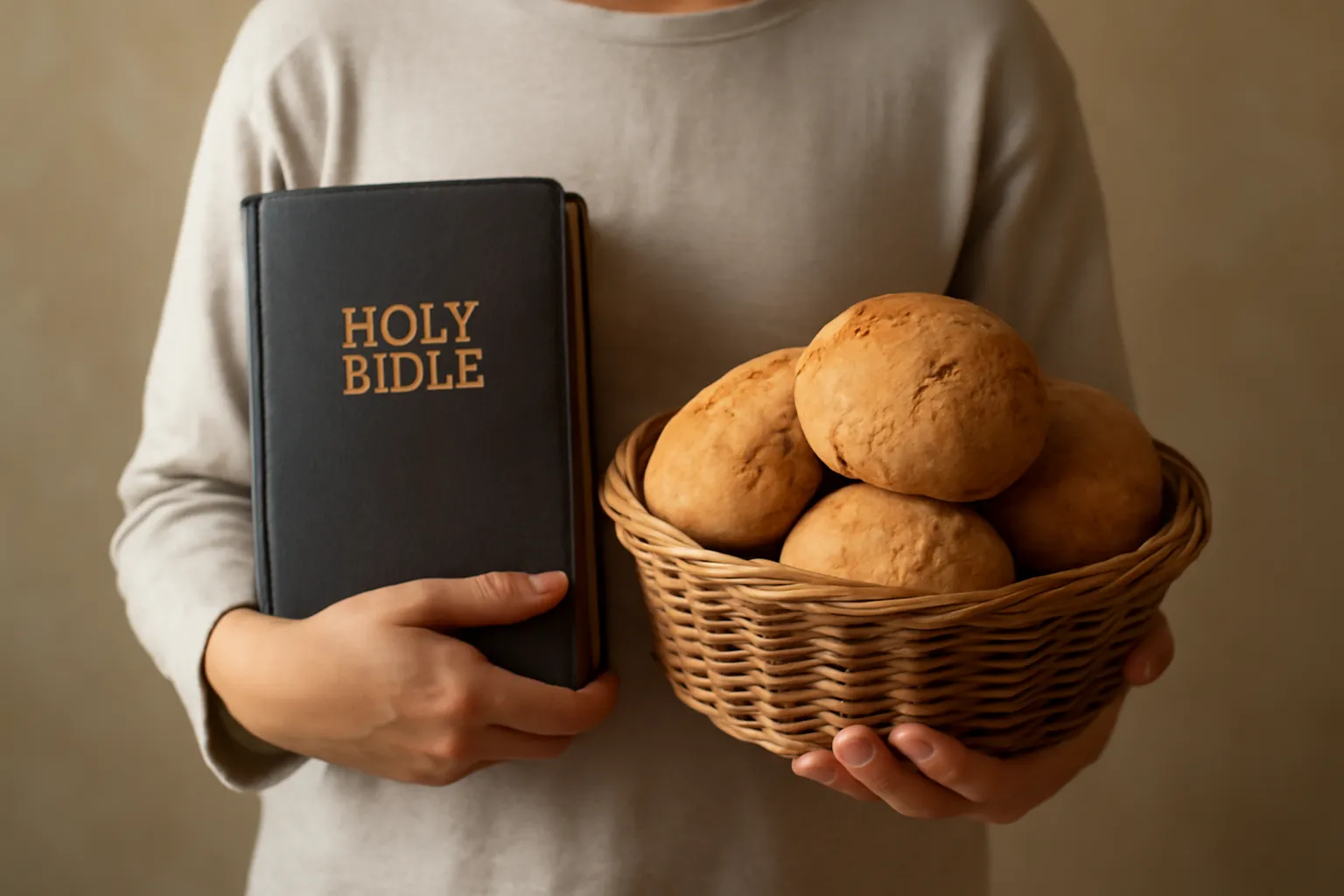
Bible Verse About Providing explores the rich tapestry of Scripture that speaks to God’s provision and the call to generosity. From the Old Testament’s testimonies of Jehovah‑Jireh to the New Testament’s teaching on cheerful giving, the Bible presents a consistent message: God cares for his people, invites trust, and invites a response of generosity that blesses others as it blesses the giver.
This article gathers and discusses a wide range of verses about providing—phrases about God supplying our needs, about seed sown and harvest, about daily bread, and about the joy and responsibility of giving. The goal is not only to quote verses but to explain their meaning, show their theological breadth, and offer practical ways to apply them in everyday life. While there are many translations, this article uses verses in their traditional, widely recognized forms (primarily public‑domain renderings such as the King James Version) to preserve the cadence and potency of the original language.
Throughout the Bible, two overlapping themes recur with striking coherence: God’s provision sustains life, and human generosity advances God’s purposes. This isn’t a call to a passive faith or a prosperity gospel, but a invitation to trust God in every season—whether in plenty or in want—and to respond with love, mercy, and tangible help to others.
God’s Provision in Scripture
Promises for Daily Needs
Philippians 4:19 — «But my God shall supply all your need according to his riches in glory by Christ Jesus.» Commentary: This verse anchors trust in God’s sufficiency, reminding believers that God’s provision is rooted in his abundance, not in our limited resources. It invites us to bring our needs to him with faith, confident that he can meet them in ways that honor him.
Psalm 23:1 — «The Lord is my shepherd; I shall not want.» Commentary: A pastoral image of care. When God shepherds his people, need is addressed within the context of relationship with the God who leads, protects, and provides.
Matthew 6:31-33 — «Therefore take no thought for tomorrow: for the morrow shall take thought for the things of itself. Sufficient unto the day is the evil thereof. But seek ye first the kingdom of God, and his righteousness; and all these things shall be added unto you.» Commentary: The passage reframes anxiety about provision as a matter of rightly ordered priorities. When we prioritize God’s kingdom, he promises to add the essentials—a reminder that provision follows faithfulness, not mere calculation.
Psalm 34:10 — «The young lions do lack, and suffer hunger: but they that seek the Lord shall not want any good thing.» Commentary: Provision is linked to pursuit of the Lord, not to fear or scarcity. The verse encourages trust in God’s goodness even when circumstances seem lean.
Psalm 145:15-16 — «The eyes of all wait upon thee; and thou givest them their meat in due season. Thou openest thine hand, and satisfiest the desire of every living thing.» Commentary: Here provision is framed as both daily sustenance and a vivid image of God’s open-handed generosity.
Promises Rooted in Covenant Faithfulness
Genesis 22:14 — «And Abraham called the name of that place Jehovahjireh: as it is said to this day, In the mount of the Lord it shall be seen.» Commentary: The name Jehovah‑Jireh (“the Lord will provide”) emerges from a test of faith in which God supplies in a dramatic way. The verse testifies that provision can be a matter of divine revelation in the moment of trial.
Proverbs 3:9-10 — «Honor the Lord with thy substance, and with the firstfruits of all thine increase: So shall thy barns be filled with plenty, and thy presses shall burst out with new wine.» Commentary: The principle of honor through generosity yields practical benefit, but the motive is worship, not mere profit. The result is flourishing abundance as a sign of God’s favor.
James 1:17 — «Every good gift and every perfect gift is from above, and cometh down from the Father of lights.» Commentary: Provision is a divine gift, reminding believers to recognize God as the source of every blessing and to respond with gratitude and stewardship.
2 Corinthians 9:6-8 — «But this I say, He which soweth sparingly shall reap also sparingly; and he which soweth bountifully shall reap also bountifully. … God loveth a cheerful giver. And God is able to make all grace abound toward you; … that ye, always having all sufficiency in all things, may abound to every good work.» Commentary: The Bible links generosity to harvest and to the overflow of God’s grace in a believer’s life. The motive matters: true giving emerges from a cheerful heart.
Luke 6:38 — «Give, and it shall be given unto you; good measure, pressed down, and shaken together, and running over, shall men given into your bosom. For with the same measure that ye mete, it shall be measured to you again.» Commentary: A call to generous measure, promising that generosity tends to return in blessing—often through God‑ordained channels such as community, friendship, and tangible aid.
Acts 20:35 — «It is more blessed to give than to receive.» Commentary: The Christian life is oriented toward giving as a blessed practice, not merely as duty. Generosity becomes a pathway to joy and spiritual enrichment.
Proverbs 11:25 — «The liberal soul shall be made fat: and he that watereth shall be watered also himself.» Commentary: The metaphor of watering others describes a mutual blessing—as we invest in others, we are refreshed and enriched in return.
Proverbs 19:17 — «He that hath pity upon the poor lendeth unto the Lord; and that which he hath given will he pay him again.» Commentary: Generosity is a form of service to God; God’s faithfulness upholds the promise of reward and care for the vulnerable.
Malachi 3:10 — «Bring ye all the tithes into the storehouse, that there may be meat in mine house, and prove me now herewith, saith the Lord of hosts, if I will not open you the windows of heaven, and pour you out a blessing, that there shall not be room enough to receive it.» Commentary: The covenantal invitation to sustain ministry and mission demonstrates that generosity fuels God‑centered work, and God responds with abundant provision beyond measure.
Luke 12:32 — «Fear not, little flock; for it is your Father’s good pleasure to give you the kingdom.» Commentary:Provision expands beyond material needs—the Father invites us into a larger, eternal generosity that aligns with his kingdom values.
Verses for Confidence During Scarcity
Trust Over Fear
Psalm 37:25 — «I have been young, and now am old; yet have I not seen the righteous forsaken, nor his seed begging bread.» Commentary: A testimony of God’s steadfast care across generations, encouraging believers to rely on God during difficult seasons and to expect faithful provision.
Matthew 6:25-26 — «Therefore I say unto you, Take no thought for your life, what ye shall eat, or what ye shall drink; nor yet for your body, what ye shall put on. Is not the life more than meat, and the body than raiment? Behold the fowls of the air: for they sow not, neither do they reap, nor gather into barns; yet your heavenly Father feedeth them.» Commentary: God’s paternal care extends to everyday needs, inviting believers to anchor their confidence in him rather than in material calculations.
Luke 12:24-31 — «Consider the ravens: for they neither sow nor reap… How much more are ye better than the fowls? And which of you with taking thought can add to his stature? If God so clothe the grass… Seek ye what ye shall eat, or what ye shall drink… for the nations of the world seek after these things; your Father knoweth that ye have need of these things.» Commentary: Jesus encourages a trust‑and‑care dynamic with God, inviting believers to seek first the Kingdom while confidently relying on the Father’s provision for daily needs.
1 Timothy 6:6-8 — «But godliness with contentment is great gain. For we brought nothing into the world, and we can take nothing out of it. But if we have food and clothes, we will be content with that.» Commentary: Contentment anchors provision in a spiritual posture, reminding believers that true wealth is found in relationship with God, not merely in possession.
2 Corinthians 9:10-11 — «Now he that ministereth seed to the sower both minister bread for your food, and multiply your seed sown, and increase the fruits of your righteousness; Being enriched in every thing to all bountifulness, which causeth through us thanksgiving to God.» Commentary: This passage links generosity with spiritual growth, showing that provision enables joyful, grateful response that blesses many.
Historical and Theological Perspectives on Providing
Across Christian history, theologians have understood provision and generosity as two sides of the same coin: God sustains, and humans respond with stewardship. Some traditions emphasize the landscape of mercy in which God’s people are called to care for the poor, the widow, and the alien—not as a political program but as a sacred expression of love and justice. Others highlight the trust‑building function of provision: when believers see God supply, their faith is strengthened, their hope deepens, and their witness becomes more compelling.
A common thread in Biblical theology is that provision is relational—God provides in response to prayer, obedience, and community support. Generosity is likewise relational: it builds bonds, sustains ministries, and creates a culture of mutual care. When read together, the verses invite readers to cultivate a rhythm of seeking God first, honoring him with resources, and then sharing generously in ways that reflect his character.
Putting It Into Practice
Practical Steps for Living a Theology of Provision and Generosity
Pray for provision and discernment: Begin by bringing your needs before God with honesty and faith. Ask for wisdom to steward what you have and to discern opportunities to bless others.
Assess your resources with gratitude: Take stock of daily provisions and blessings. Gratitude becomes the soil in which generosity grows.
Honor God with your giving: As Proverbs 3:9-10 describes, returning a portion of your income to God’s purposes sustains ministry and aligns your heart with divine priorities.
Give cheerfully and regularly: Following 2 Corinthians 9:6-8, cultivate a generous posture that reflects joy rather than obligation. Consistency matters as much as amount.
Look for practical needs in your community: Acts 20:35 reminds believers that blessing others can be transformative. Start with small, concrete acts of kindness and scale up as you are able.
Cultivate contentment and trust: Scriptures such as 1 Timothy 6:6-8 teach that contentment frees energy and resources to bless others, rather than accumulating beyond need.
Practice responsible stewardship: Save wisely, avoid debt when possible, and invest in relationships that build lasting good. Generosity should be strategic and sustainable.
Invite others into the practice: Teach family, friends, and a faith community about the biblical vision of provision and generosity, so others can participate in the cycle of blessing.
Readers often ask how to balance realistic finances with the spiritual call to give. Some frequent questions include:
Does God promise material wealth for Christians who give? The Bible presents provision in many forms, sometimes material, sometimes spiritual, and emphasizes the heart’s posture, not a guaranteed ledger of wealth.
What about those who are in need and cannot give back? Generosity is not only about money; it includes time, hospitality, encouragement, and advocacy. God honors every legitimate act of mercy.
How should a believer approach tithing and offerings today? Tithing is a discipline rooted in gratitude and trust. Offerings extend beyond a fixed percentage to include sacrificial and voluntary giving to meet various needs within the church and the broader community.
How do I know if I am sowing or hoarding? Ask for God’s wisdom, seek counsel, and observe the fruit of your decisions. Generosity should align with God’s heart for justice, mercy, and the good of others.
From the oldest patriarchal narratives to the earliest church letters, the biblical vision of providing and generosity is not merely about money. It is about a life anchored in trust, worship, and service:
God is the ultimate provider—he supplies our needs out of his riches and faithfulness.
Provision invites thankfulness and dependence on God, not on wealth or circumstances alone.
Generosity blesses others and shapes character—sowing leads to fruit that extends beyond personal gain.
Trust in God reduces fear about scarcity and enables thoughtful, courageous giving.
Whole‑life stewardship includes gifts of time, talent, resources, and influence in service to others and to God’s kingdom.
Closing Reflection on Providing in a Modern Context
In today’s world, the biblical call to provision and generosity remains profoundly relevant. Economic pressures, acts of disaster, and daily needs can press on the mind and heart. Yet the Scriptures invite us to see provision not as a private possession but as a trust given to us by a generous Father. When we respond with grateful stewardship, our lives become channels through which grace flows to others. In a culture that prizes accumulation, the Bible’s vision is countercultural but compelling: we gain by giving, we are strengthened by faith, and we honor God as the ultimate source of daily bread and lasting blessing.
Whether you are at the start of your financial journey, navigating a season of scarcity, or seeking to expand a ministry of mercy, the verses collected here offer a sturdy framework. They remind us that provision flows from a relationship with God, that generosity is a disciplined practice, and that the act of giving itself is an expression of trust in the God who loves to provide.

 Por Laura Jara