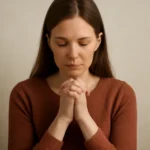
Prayer is more than a moment in a pew or a weekly ritual. For many people, Acts Pray—the idea of structuring prayer around Adoration, Confession, Thanksgiving, and Supplication—becomes a practical roadmap for daily conversation with the divine. In this article, we explore the ACTS framework and its variations, and we offer concrete, actionable ways to bring prayer into your daily life without turning it into a run-of-the-mill routine. Whether you are new to prayer or you want to deepen an established practice, these ideas are designed to be adaptable, scalable, and sustainable in real life. We’ll treat Acts Pray not as a rigid formula but as a flexible approach that helps you stay present, honest, and hopeful throughout the day.
Understanding the ACTS Framework: Acts Pray in Everyday Life
The ACTS acronym represents four core dimensions that many people find useful as a scaffold for prayer. It’s sometimes described as a sequence, but in practice it is more helpful to think of ACTS as a set of priorities you can cycle through at different moments. The four components are:
Adoration — opening with reverence and praise for who God is or for a sense of the sacred in life.
Confession — naming faults, shortcomings, or ways you’ve missed the mark, and seeking forgiveness or clarity.
Thanksgiving — acknowledging what you are grateful for, noticing gifts large and small, and cultivating gratitude.
Supplication — bringing personal needs, the needs of others, and hopes for the world into the conversation.
Using the ACTS prayer framework is not about ticking boxes; it’s about guiding attention. When you practice acts pray in a conscious way, you invite your heart to align with reality, your speech to reflect sincerity, and your mind to stay present in the moment. You might begin with one dimension and gradually incorporate the others, or you might cycle rapidly through them in a single session. The key is to stay authentic and practical—the aim is not perfection but presence.
Adoration: Centering Your Attention on the Worthiness of the Divine
Adoration is less about what you want and more about who or what you believe is worth your time, attention, and praise. In everyday life, acts of adoration can take many forms. You might name one or two attributes of the divine you find most meaningful—such as mercy, creativity, constancy, or justice—and reflect on how those attributes show up in your world. Adoration also invites you to slow down and savor the beauty around you: the way light falls on a window, the generosity of a friend, the resilience of a community, or the quiet moments of stillness you find in nature.
Begin with a breath and a simple statement of praise: “You are good.” or “Your mercy endures forever.”
Choose a few attributes (e.g., loving-kindness, faithfulness, creation) and reflect on evidence of them in your day.
Incorporate a short ritual—a candle, a favorite icon, or a meaningful sound—that marks the start of your time of adoration.
Variations like acts pray that foreground praise can also take the form of a gratitude corner in your home or a standing reminder on your phone to pause and acknowledge something beautiful. The practice doesn’t require perfect words; it requires honest attention. When you regularly practice adoration, you train your heart to notice the good, which often becomes the seedbed for other dimensions of prayer.
Confession in the ACTS model is not primarily about guilt trips; it is about honesty, healing, and clarity. In daily life, acts of confession can free you from lurking patterns you don’t want to repeat and can open space for growth and accountability. Confession may be explicitly theological in some contexts, or it may take the form of self-honesty, vulnerability with a trusted friend, or an internal inventory of motives and actions. The goal is not to wallow in guilt but to acknowledge where you want to grow and to seek grace, wisdom, or practical steps to change.
Admit a recent fault or recurring fault pattern in a specific, non-judgmental way (e.g., “I raised my voice when I was stressed about this project.”).
Pair confession with a practical corrective action: a plan to apologize, repair a relationship, or implement a habit that reduces the likelihood of repeating the fault.
Invite accountability by naming a trusted person you can contact for support or accountability in a given area.
In practice, confessional prayers can be brief and targeted. A quiet, honest sentence whispered in a moment of tension can be transformative. You do not need grand rhetoric; you need honesty that leads to restoration and movement toward the good.
Thanksgiving: Cultivating a Grateful Heart
Thanksgiving is a counterweight to complaint and a practice that shifts attention from lack to abundance. A daily rhythm of gratitude can reframe your perspective and align expectations with reality. When you pause to name gifts—both big and small—you engage in a practice that nourishes resilience and joy. Thanksgiving also opens a generous posture toward others and toward life itself, inviting you to recognize that you are surrounded by signals of care, even in the midst of challenge.
Keep a simple gratitude list—three things you noticed today that you are grateful for.
Offer thanks for people who contributed to your day, even indirectly (the barista who remembered your name, a colleague who sent a helpful message).
Tell a person you appreciate what they did for you, at least once a day, to turn gratitude into relationship.
In some contexts, Thanksgiving can be integrated with a daily ritual such as a short journal entry or a quick note in a digital diary. The practice of thanks doesn’t require big words; it requires an attentive heart ready to notice goodness and share it with others. For many, this is the most practical and sustaining element of the Acts Pray approach in daily life.
Supplication: Presenting Needs with Trust
Supplication is the moment you bring your cares and the needs of others into the conversation. It can take the form of requests for help, guidance, protection, or strength, as well as intercession for the well-being of family, friends, communities, and even larger concerns like justice and peace. In the act-prayer tradition, supplication is not about demanding outcomes; it is about placing yourself in a relationship where needs are heard, and where you can respond with courage, patience, and action if needed.
Focus your requests on specific outcomes or actions you can take alongside your prayers (e.g., asking for patience while you practice a difficult conversation).
Include intercession for others who are facing trials, illness, unemployment, or isolation.
Close supplication with a moment of surrender: “Not my will, but yours be done,” or a personal reflection on how you can participate in the answer to your own prayers.
When you practice supplication, it’s helpful to separate requests from gratitude and praise. This structure helps you stay honest about needs while remaining open to the possibility that outcomes may look different than you expect. It also invites practical action on your part—the kind of action that often accompanies a faith-filled life, whether that means seeking support, offering help to another, or making changes you’ve been avoiding.
Practical Ways to Include ACTS in Daily Routines
Integrating the ACTS framework into daily life is less about adding a long ritual and more about weaving brief moments of intention into ordinary activities. Here are practical strategies to help you practice Acts Pray at home, at work, and on the move.
Build a morning rhythm that begins with a short Adoration and a quick Confession before you step into the day.
Place a small reminder by your coffee maker or on your phone to prompt a two-minute admiration and confession session.
Choose one attribute to praise and one small fault to confess, then transition to prayerful planning for the day ahead.
Create micro-prayers for the workday that you can utter silently or write in a notes app during breaks.
Adoration: Remind yourself of purpose and meaningful work.
Confession: Acknowledge impatience, perfectionism, or harsh judgments you noticed.
Thanksgiving: Name a team or project you appreciate.
Supplication: Ask for wisdom to navigate a tricky meeting or a calm energy for a long shift.
Practice grace during meals with a quick blessing or a moment of gratitude for the nourishment and the hands that prepared it.
You can make this a quick prayer ritual that demonstrates both appreciation and humility before a meal.
End the day with reflection—a short Adoration and Thanksgiving for the day, followed by Supplication for tomorrow.
Incorporate a weekly review to assess how well you integrated the ACTS components into your life and where you’d like to adjust.
Starting your day with intention sets the tone for the hours ahead. A simple morning routine can be as quick as a six-minute practice that includes Adoration and Confession, followed by a note of Thanksgiving and a brief moment of Supplication. Over time, this short ritual can become a anchor that grounds you through distractions and stress.
Use lunch breaks, commutes, or a brief moment after completing a task to re-center your heart. A three-minute ACTS reset can be powerful: praise the day’s growth, acknowledge a challenge, name one thing you’re grateful for, and ask for strength to finish the day well.
Evening Reflections
Evenings are an ideal time to process the day. A short Adoration-Confession-Thanksgiving-Supplication practice can help you let go of what you cannot control and prepare for rest. A note in a journal or a quiet breath cycle helps sustain the habit.
Variants and Expansions: Beyond the Classic ACTS Framework
While the traditional ACTS approach provides a solid foundation, many people find value in expanding or adapting the framework to fit their life, temperament, and beliefs. The goal is to keep prayer practical, tactile, and meaningful. Here are some variations of acts pray that can enrich your practice:
Breadth of prayer: In addition to the four core elements, add a short segment of lament when you face pain, injustice, or grief. This acknowledges real sorrow and invites healing.
Prayer walks: Combine movement with reflection by taking a short walk and offering prayers aloud or in silence as you move through a familiar neighborhood or a park.
Scripture-infused prayers: Let a verse guide your adoration, confession, or supplication. Reciting or meditating on a particular line can anchor your heart.
Breath prayers: Simple prayers that synchronize with breathing (e.g., inhale “You are peace,” exhale “Be with me”) can be deeply centering in busy moments.
Prayer journaling: Record evolving conversations with the divine, including insights, worries, and answered prayers. Journaling can reveal patterns and growth over time.
Intercessory prayer groups: Gather with others to bring the needs of the world into your practice, expanding the sense of community and responsibility.
Solitude and listening: Incorporate times of quiet listening—opening a space to hear beyond your own voice. Listening is a form of prayer that invites depth and humility.
In this broader approach, Acts Pray becomes less about a rigid sequence and more about a living practice that adapts to different contexts, relationships, and moments. The key is to maintain intention and authenticity, while allowing flexibility to honor your own pace and personality.
Overcoming Common Barriers to Daily Prayer
Even when you commit to integrating Acts Pray into daily life, obstacles can appear. Here are some common barriers and practical strategies to overcome them:
Time scarcity: Shorten your practice to 2–5 minutes and gradually extend as you find pockets of time. A compact routine is better than none at all.
Silence and distraction: Create a predictable space, even if it’s a chair in a quiet corner or a dedicated time slot on your calendar. Use a gentle reminder like a chime or a timer to anchor your practice.
Boredom or dryness: Mix up the methods—read a short verse, try a breath prayer, go for a prayer walk, or journal a single sentence of praise.
Pride or perfectionism: Embrace imperfect prayers as a normal part of being human. Focus on honesty and regular practice rather than ornate language.
Redirection of energy: If you feel called to action, pair your prayers with tangible acts—volunteering, advocating for justice, or supporting someone in need.
Addressing these barriers often requires small, repeatable adjustments rather than dramatic overhauls. The Acts Pray approach is designed to be forgiving of miss or missteps, while still inviting ongoing growth and consistency.
Tips for Different Contexts: Home, Work, Travel, Family, and Digital Life
Life is diverse, and so can be your prayer practice. Here are practical tips tailored for different environments and circumstances:
At home: Create a dedicated space with a small symbol of your faith or a favorite image; keep a journal nearby for short reflection notes after meals or before bed.
At work: Use brief, discreet pauses for PRA (Praise, Repent, Acknowledge) during transitions between tasks; consider a portable card with prompts for Adoration and Supplication.
While traveling: Practice in the car (if you’re a passenger) or during layovers with quick breath prayers; carry a compact prayer booklet or app for on-the-go reflection.
With family: Invite others to join in a short family prayer before meals or bedtime; rotate leadership to share responsibility and give everyone a voice.
In digital life: Use reminders to pause scrolling and offer a quick gratitude note or a prayer prompt; consider a digital diary that syncs across devices for consistency.
These context-based adaptations show that prayer can be woven into virtually any activity. The objective is not to add burden but to cultivate a habit of awareness and a practice of presence wherever you are.
Cultivating a Personal Rhythm: How to Start and Sustain an Acts Pray Practice
Getting started and staying with it are two different challenges. Here is a practical blueprint to help you begin or renew your Acts Pray journey:
Define your intention: Decide that you want to bring more prayerful attention to daily life, not to complete a checklist. Set a gentle, sustainable goal (e.g., 5 minutes a day, five days a week).
Choose your starting pattern: Start with a simple sequence—Adoration, Confession, Thanksgiving, Supplication—and adapt as needed.
Set a regular time and place: Consistency matters more than duration. A predictable slot helps form a habit, but remain flexible when life requires changes.
Experiment with formats: Use spoken words, written notes, breath prayers, or silent listening. Allow the method to evolve with you.
Review and adjust: Periodically assess what’s working, what’s not, and how the practice affects your mood, relationships, and sense of purpose.
As you cultivate a personal rhythm, you’ll notice that acts pray becomes less about performing a routine and more about living with intentionality. You might find that small, quiet moments carry as much weight as longer sessions, and that the practice becomes a steady anchor through daily storms and seasons of change.
A Final Word on Prayer as a Practiced Art
Prayer, at its best, is not a performance but a lived relationship—between you and what you hold sacred, between your inner life and your outer actions. The Acts Pray approach offers a practical language for that relationship: Adoration shapes your worshipful gaze; Confession frees honesty; Thanksgiving renews gratitude; and Supplication invites care for yourself and the world. The beauty of this approach lies in its adaptability. You can keep the structure while letting your spirit breathe and your daily life unfold in response to the needs around you.
Experiment with the ACTS framework in small, manageable ways, and allow yourself to grow into a more integrated practice over time. Whether you call it Acts Pray, prayers in daily life, or simply a regular moment of quiet, the essential work remains the same: to open your heart to connection, to act with compassion, and to live with greater intention. May your practice nourish you, anchor your days, and illuminate the path you walk with others, as you continue to discover the many ways prayer can shape a meaningful life.

 Por Laura Jara