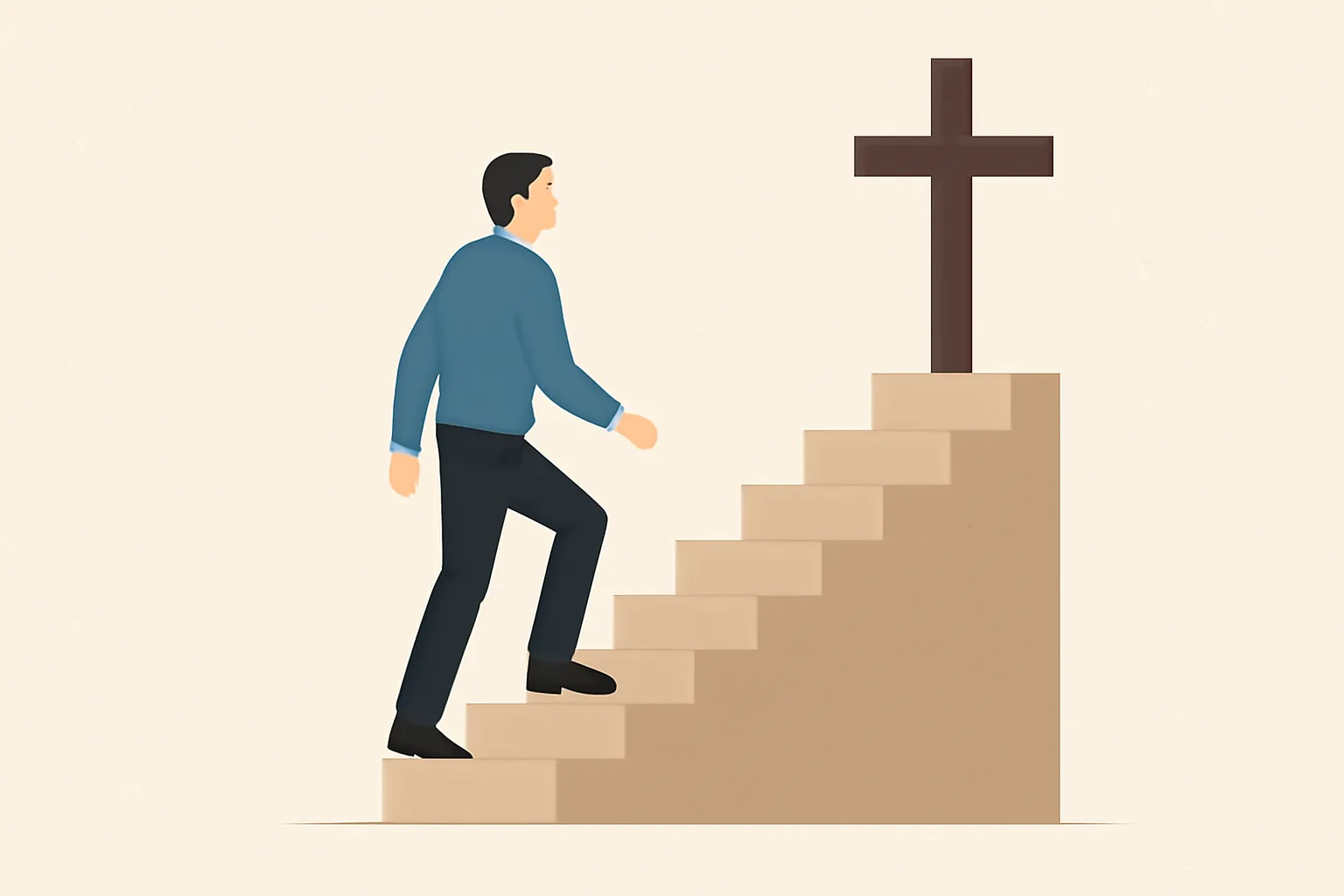
Across generations, Christians have sought practical paths to deepen faith, grow in Christlikeness, and live out the gospel in everyday life. One approach that has resonated with many believers is the concept of a twelve-step Christian journey, often framed as a 12-step Christian program or a Christian twelve steps pathway. While the language borrows from established recovery frameworks, this article presents a distinctly Christian, biblically grounded, and pastorally helpful version of the twelve steps. It is designed as a practical guide to strengthening your faith, building spiritual disciplines, and inviting healthier relationships with God, yourself, and others. In this article, we’ll explore 12 Steps Christian in a way that is accessible to individuals, small groups, and church communities seeking a coherent rhythm of growth.
The twelve-step Christian approach is not a replacement for church life, prayer, or Scripture study; instead, it is a structured framework that helps believers apply biblical truth to daily living. The goal is not simply to check boxes but to cultivate a living, ongoing relationship with God through Jesus Christ. In practice, this path invites confession, surrender, repentance, accountability, and compassionate action. It blends timeless biblical principles with practical exercises—inventory, confession, amendment, and continual spiritual renewal—that many Christians find transformative.
Because language matters in spiritual formation, you may encounter several variations of the phrase used to describe the same overarching journey. A few common variations include a twelve-step Christian program, a twelve-step faith journey, a Christian twelve steps, or a 12-step discipleship path. No matter the wording, the core aim remains the same: to become more like Christ by aligning daily life with God’s truth and grace.
Important notes as you begin: this approach is designed to support spiritual growth within a Christian framework. It is not a substitute for professional medical or mental health care when needed, nor is it a universal prescription for every life circumstance. Adjust the steps to fit your context, church tradition, and personal conscience, and seek wise counsel from pastors or mature believers as you begin. The purpose is humble devotion, not a rigid program; the aim is to cultivate a heart that loves God and loves others.
The twelve steps in a Christian context
Below is a practical, paraphrased outline of the 12 Steps Christian approach. Each step is framed to support spiritual growth, repentance, and relational healing under God’s grace. In some church settings this may be referred to as a Christian twelve steps guide, a twelve-step path for believers, or a 12-step discipleship journey. The emphasis is on biblical alignment, ongoing conversion, and outward living.
Admit the need for God’s help and acknowledge that life–in its brokenness, temptation, or crisis–is more than we can manage on our own. This first step is not a defeat but a posture of dependence on God’s grace.
Believe in a higher power grounded in Christ—a power greater than ourselves who can restore, redeem, and renew. For many Christians, this is a renewed trust in the living God revealed in Jesus Christ through the Holy Spirit.
Turn control over to God by surrendering daily authority to Him. This is not passivity but intentional submission to the will and plan of God as revealed in Scripture and in community.
Make a spiritual inventory of your life, noticing patterns, temptations, sins, and gifts. Use Scripture, prayer, and honest reflection to name areas that need renewal.
Confess to God, yourself, and someone you trust the areas where you have sinned or fallen short. Honest confession opens the way for forgiveness, healing, and accountability.
Be ready for God to remove defects and deepen your transformation. This step invites God’s holy work in your life, recognizing that some distortions require repentance, grace, and sustained discipline.
Ask God to remove shortcomings with humility acknowledging that change often comes through prayer, Scripture, and the support of the Christian community.
Make amends to those you have harmed where possible and where it does not cause harm to others. The aim is to restore relationships and practice reconciliation in the light of truth and love.
Make direct amends when appropriate while seeking wisdom so that the act of restoration leads to healing rather than further injury. This may involve apologies, restitution, or restoration of dignity.
Continue personal inventory and practice ongoing accountability—reviewing progress, confessing new faults promptly, and seeking renewal in the Spirit.
Seek ongoing spiritual growth through prayer, Scripture, worship, and mindful attention to God’s presence. This step emphasizes a lifestyle of daily communion with God and a conscientious effort to be aware of the divine work in your life.
As you can see, these twelve dispositions are designed to be practical and biblically grounded. They help a believer move from awareness to action, from confession to healing, and from personal restoration to outward service. In the following sections, we’ll translate these steps into concrete practices you can apply in daily life.
A practical, day-by-day roadmap: applying the 12 steps Christian in daily life
The true power of a 12-step Christian path comes when it is lived out on a daily basis. Here is a practical roadmap that translates each step into ordinary rhythms you can weave into your day.
Begin with humility in prayer. Each day, start with a simple prayer acknowledging dependence on God. Ask for clarity to see truth, courage to face what is difficult, and grace to respond with love.
Study Scripture intentionally. Choose a short reading plan or a devotional that reinforces the theme of surrender, grace, and transformation. Keep a notebook for insights and questions.
Name your needs in a quiet moment. Write down areas where you see need for God’s help, whether it’s anger, fear, pride, or a particular habit you want to change.
Invite accountability. Share your plan with a trusted friend, mentor, or small group. Accountability is not judgment; it’s support for growth.
Confess before God, then to others as appropriate. This may be a personal confession in prayer, and in some cases, a sincere, face-to-face confession to the person you have wronged, when feasible and safe.
Identify defects and patterns. List recurring sins or ineffective behaviors. Use short entries that help you see triggers, choices, and consequences.
Ask God to help remove shortcomings with a petition that aligns with Scripture—“Create in me a clean heart, O God, and renew a right spirit within me” (Psalm 51:10, paraphrased for daily use).
List people you may have harmed and consider how you can restore or repair those relationships in a responsible, loving way.
Take concrete steps to make amends, while protecting the safety and dignity of others. This may entail making a sincere apology, offering restitution, or changing patterns that caused harm.
Practice ongoing personal inventory by setting a weekly check-in: what has God shown you this week, what needs changing, and what victories can you celebrate?
Serve others and share your testimony. The 12-step Christian journey culminates in mission: carry the message of grace and hope to others and live in such a way that your life testifies to Christ’s work in you.
Each day is a new opportunity to engage with the divine, extend grace to others, and grow in a faith that is observable in love. This day-by-day rhythm is designed to be gentle enough for beginners and robust enough for seasoned believers who want a clear framework for spiritual growth.
Starting steps for beginners: a practical first week
If you’re new to the 12 Steps Christian, a phased start can help you ease into the practice without feeling overwhelmed. Here is a simple plan for your first week, with practical actions you can take each day.
Day 1: Commit to starting the journey. Write a one-sentence purpose statement: “I want to grow closer to God and live with greater love for others.”
Day 2: Create a short inventory. List two areas where you feel stuck and two gifts you recognize in yourself that honor God.
Day 3: Pray for humility. Ask God to reveal what you cannot see about yourself and invite Him to lead your steps.
Day 4: Read a passage about transformation (for example, Romans 12:1-2 or 2 Corinthians 5:17) and reflect on what it means for your life.
Day 5: Confess to God and to a trusted Christian friend or mentor. Share honestly about your struggles and ask for prayer.
Day 6: Identify two practical changes you can make this week to address one shortcoming.
Day 7: Review your week. Name any amends you will make and commit to follow through in a way that honors others and God.
As you proceed, you’ll build momentum. The emphasis remains on God’s grace and the church’s mercy rather than legalistic self-discipline. These steps are a resource to help you mature in Christ.
Involving your community: churches, groups, and accountability
Christian growth is seldom a solitary journey. The 12-step christian journey thrives when embedded in a supportive community. The following approaches can be especially helpful:
Small groups or Bible study circles that meet regularly to read Scripture, share experiences, and pray for one another.
Mentor relationships with a more mature believer who can offer guidance, accountability, and encouragement.
Church-based recovery or discipleship programs that provide structure, resources, and a safe space for honest conversation.
Sacramental life and liturgy—participating in regular worship, confession, and the sacraments, which anchor the steps in a communal rhythm of grace.
Whether you are exploring a twelve-step Christian program or integrating this approach into your existing church life, the aim remains the same: to grow in faith, to heal, and to be a blessing to others. Community is not a side note; it is essential for real transformation.
Benefits, potential challenges, and how to navigate them
Engaging with a Christian twelve steps path can bring many blessings, including greater self-awareness, deeper repentance, stronger prayer life, and more compassionate service. Yet, like any spiritual discipline, it may present challenges. Here are common dynamics and how to navigate them:
Benefits to expect
Deeper repentance and a renewed sense of God’s forgiveness.
Stronger accountability through relationships with trusted peers.
Improved emotional and relational health as patterns of sin are addressed.
Increased spiritual maturity as Scripture, prayer, and service become regular habits.
Hopeful witness to others as you share how God is at work in your life.
Common challenges and responses
Resistance to confession: Remember that confession is a pathway to freedom, not a public shaming. Start with God and a trusted confidant.
Overemphasis on works: The steps are a means to receive God’s grace and live out that grace, not to earn salvation. Anchor your practice in faith and God’s promises.
Guilt or legalism: Balance discipline with mercy. If you feel overwhelmed, pause, pray, and ask for guidance from a pastor or counselor.
Healing requires time: Some areas need ongoing effort and patience. Sustainability matters more than speed.
Variations and naming: broaden the semantic breadth
Throughout discussions of spiritual formation, people use different phrases to describe the same journey. Here are several variations on the theme to help you recognize it in different church contexts, curricula, and conversations:
Twelve-step Christian program
Twelve-step faith journey
Christian twelve steps
12-step discipleship path
Twelve-step spirituality for believers
Spiritual renewal through the twelve steps
Using varied language can help you discuss these concepts in ways that fit your church’s language, whether you speak of discipleship pathways, spiritual formation tracks, or simply a grace-led growth plan. The key is to maintain biblical integrity, pastoral sensitivity, and a hopeful outlook toward transformation in Christ.
Common questions about the 12 Steps Christian approach
As you explore this path, you may have questions about its compatibility with your tradition, its goals, and how to implement it responsibly. Here are some frequently asked questions with concise answers.
Is this approach compatible with all denominations? Yes, when framed in a biblically faithful way that emphasizes grace, repentance, and community. Local church cultures may adapt language or emphasis.
Does this replace church disciplines like confession or accountability? No. It should complement and strengthen a healthy church life, not substitute for sacraments, pastoral care, or corporate worship.
What if someone is dealing with serious addiction? Consider integrating professional oversight (counselor, therapist, physician) with spiritual support. The steps should never discourage seeking medical or psychological help.
How do I assess progress? Look for consistent patterns of growth in prayer, Scripture, repentance, and relational restoration, rather than perfect behavior.
Getting started with a 12 Steps Christian program or the twelve-step Christian journey can be as simple as gathering a few trusted friends, selecting a Scripture-based devotional, and agreeing on a regular meeting time. Here are some practical resources and steps to begin:
Choose a devotional or a short Bible plan focused on repentance, grace, and transformation.
Identify a small group or a mentor who will walk with you through the steps with kindness and truth.
Set realistic goals for the first month, such as daily prayer, weekly inventory, and monthly check-ins with accountability.
Establish boundaries that protect your relationships, work, and faith community while pursuing growth.
Some churches offer formal programs or curriculum inspired by the twelve steps, often under the banner of Christian recovery or discipleship and renewal. If your church has such options, consider participating with a careful, biblically grounded mindset. If not, you can adapt the framework informally with guidance from a pastor or counselor.
Conclusion: embracing a grace-filled path of growth
The 12 Steps Christian approach is not a shortcut but a framework for deepening faith, cultivating humility, and living out the gospel in practical ways. When understood and practiced in a church-anchored, Christ-centered way, the twelve steps can become a powerful catalyst for lifelong spiritual formation. The aim is not mere self-improvement but a transformed life that loves God and loves neighbors in concrete, tangible ways. If you are ready to begin, approach the journey with patience, openness to change, and a willingness to be known in community. May your path be marked by grace, truth, and the steady work of the Spirit as you pursue a closer walk with Jesus Christ.

 Por Laura Jara