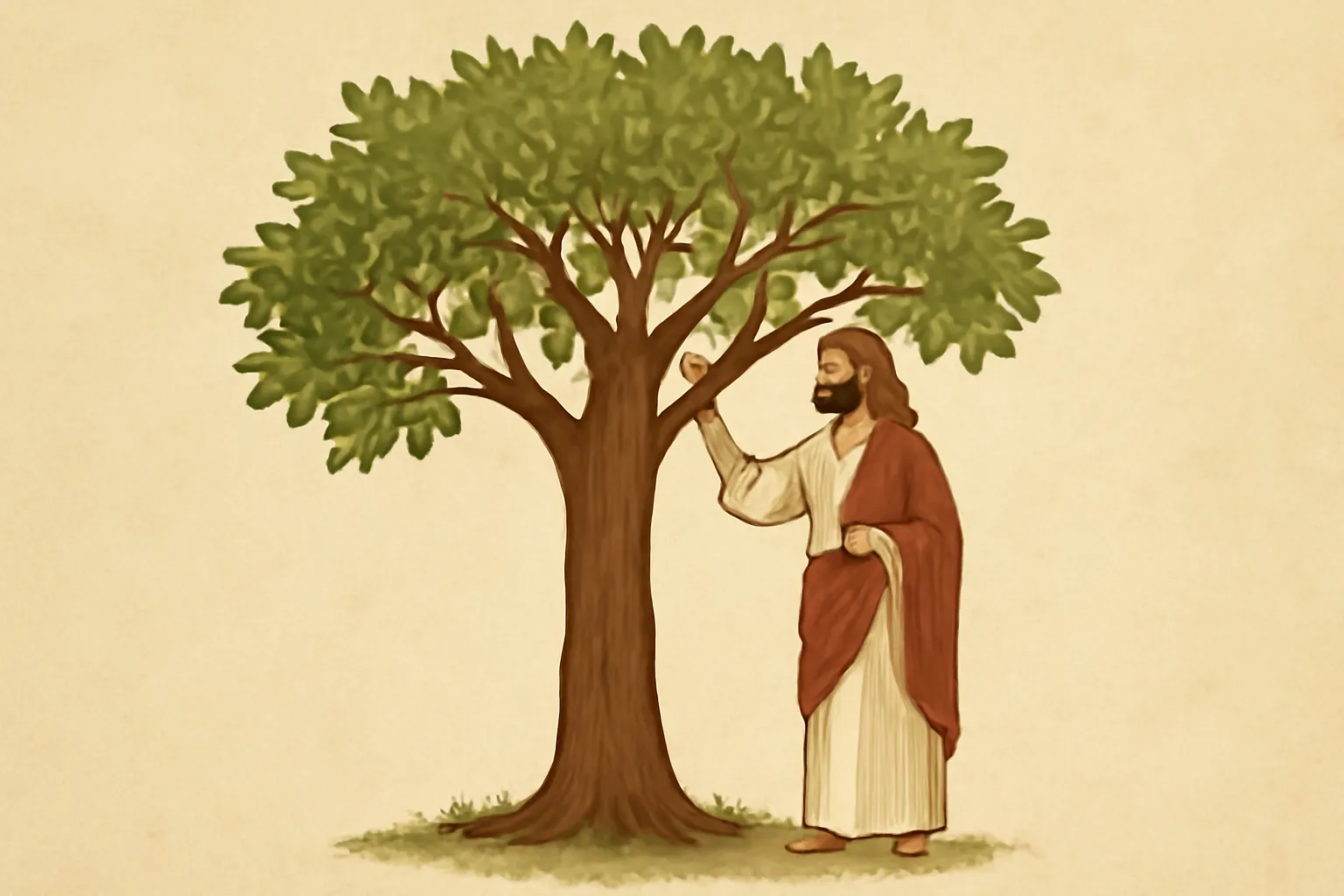
In Christian teaching, the phrase abiding in Christ points to a life that stays connected to the source of spiritual vitality. It is more than mere belief or occasional prayer; it is ongoing, daily dependence on Jesus so that His life flows through every area of a believer’s heart and choices. The classic abiding in Christ verse is found in John 15, where Jesus uses the vine and branches image to describe a relationship that yields genuine, lasting fruit. This article explores what it means to abide in Christ, how that work unfolds in real life, and why it matters for personal growth, faith communities, and the witness of the church. We will repeatedly circle back to the language of remaining in Him, staying connected to the source of life, and letting His words abide in us.
To abide in Christ is to cultivate a relationship in which the believer’s life is continually derived from Jesus. It is not a momentary decision but a sustained posture. In the language of Scripture, abiding conveys both residence (being with Christ) and dependence (drawing life from Him). The image of a vine and branches helps us picture this dynamic: as long as the branch remains connected to the vine, life-giving sap flows through and the branch bears fruit. When it is severed, life ceases and fruitfulness stops. In practical terms, abiding in Christ involves trust, obedience, and receptivity to His presence through the Holy Spirit, Scripture, and community with other believers.
Key dimensions of abiding
Connection — staying connected to Jesus as the source of life, identity, and purpose.
Submission — yielding one’s will to His will, especially in moments of choice and difficulty.
Word immersion — allowing Christ’s words to shape thoughts, desires, and actions.
Love and obedience — letting love for God and neighbor guide daily behavior.
Fruitfulness — as a natural outcome of abiding, evidenced in kindness, justice, and faithful living.
The biblical foundation: John 15 and the idea of remaining in Him
The teaching about abiding in Christ is deeply rooted in the farewell discourse of Jesus to His disciples. In John 15, Jesus declares, “Abide in me, and I in you.” Then He adds, “As the branch cannot bear fruit of itself unless it abides in the vine, neither can you unless you abide in me.” This pairing emphasizes mutual indwelling: the believer remains in Christ while Christ remains in the believer, enabling a life that honors God. The following verses extend the idea: “If you abide in me, and my words abide in you, you shall ask what you will, and it shall be done unto you.” and “I am the vine; you are the branches: he that abideth in me, and I in him, the same bringeth forth much fruit.” These statements sketch a rhythm of dependence, reciprocity, and fruitfulness that characterizes genuine discipleship.
The term commonly translated as abide in English captures ideas of remaining, dwelling, residing, and persevering. It is more than a temporary check-in; it is a sustained posture. In the New Testament, the concept of remaining in Christ aligns with belonging to Him and living under His authority. This includes trust in His promises, reliance on His grace, and obedience that flows from relationship rather than compulsion. When abiding in the vine becomes a pattern, the believer’s life mirrors the life of Jesus—characterized by mercy, truth, humility, and love.
Practical ways to abide daily
Abiding in Christ is not abstract; it translates into concrete rhythms and disciplines. Here are practical pathways that church traditions and spiritual mentors often emphasize. Each path can help cultivate a life that remains in Him day by day.
Prayer as a daily conversation
Begin with adoration and gratitude, acknowledging God’s sovereignty and goodness.
Bring honest requests, including areas where you struggle to trust God.
Practice listening in prayer, inviting the Holy Spirit to reveal truth and next steps.
Scripture as life-sustaining nourishment
Read regularly with a plan—gospel-centered passages that guide identity in Christ.
Ask questions like: What does this passage reveal about Jesus? How should I respond in faith? Who is hurt or helped by this truth?
Memorize key verses that anchor your thinking and decisions when you face pressure or fear.
Obedience as the visible sign of trust
Act on what you learn rather than you merely hear; obedience is a practical expression of faith.
Identify habitual sins or competing loves and invite God to transform them.
Practice integrity in small choices, knowing that small acts of faithfulness compound over time.
Community and accountability
Build relationships with fellow believers who model abiding in Christ and encourage one another.
Join a small group, class, or spiritual mentorship that fosters accountability in prayer and growth.
Practice confession in safe spaces, receiving grace and offering grace to others.
A heart of worship and gratitude
Let worship infuse daily life—singing, art, or acts of service that honor God.
See ordinary moments as opportunities to acknowledge God’s presence and goodness.
Let love guide decisions, prioritizing the good of others and seeking reconciliation where needed.
Serve the marginalized, care for the vulnerable, and pursue justice as expressions of a heart abiding in Christ.
Abiding in Christ, remaining in Him, and bearing fruit
One of the clearest effects of abiding in Christ is fruitfulness. The “fruit” Jesus describes includes love (for God and neighbor), joy even amid trials, peace, patience, kindness, faithfulness, gentleness, and self-control. While these qualities are spoken of as fruits of the Spirit (Galatians 5:22-23), they arise most authentically in a life that remains tethered to Jesus. When a believer remains in Him and lets His words abide in them, the resulting life reflects the character of Christ and advances God’s kingdom in tangible ways. Therefore, fruitfulness is not merely individual virtue; it is communal and missional—impacting families, churches, neighborhoods, and workplaces.
During seasons of hardship, uncertainty, or spiritual dryness, the call to abide in Christ can feel challenging. Yet that very testing can become the crucible in which faith deepens. In difficult seasons, the following practices can help keep a believer anchored in Christ:
Return to the basics: prayer, Scripture, and community—even when motivation is low.
Practice honesty about pain while inviting God to meet you in weakness.
Remember Jesus’s example in Gethsemane and the cross—often the path of abiding goes through surrender rather than control.
The relationship between abiding and divine guidance
To abide in Christ is also to trust in His guidance. When Jesus says that if His words abide in you, you can ask for what you desire and it will be done, He ties abiding to attentive listening and aligned longing. The practice of discernment—learning to distinguish God’s voice from competing voices—becomes a natural outgrowth of a heart that is listening to Scripture and led by the Spirit. In this sense, remaining in Him includes receptivity to divine direction as well as obedience to His commands.
Abiding, obedience, and the rhythm of life together
Some readers wonder whether abiding in Christ means a withdrawal from the world or a withdrawal from responsibility. In biblical terms, abiding is not about escapism; it’s about alignment. Jesus invites His followers into a relationship that bears fruit in daily life—work, family, community involvement, and public witness. The rhythm combines intimate communion with practical service. A life that remains in Christ will look outward as it looks upward: love demonstrated in actions, not only beliefs expressed in words.
Common questions about abiding in Christ
Is abiding in Christ a one-time event or a continuous practice? It is a continuous practice. The gospel invites us into ongoing relationship, not merely a single moment of decision. The vine-and-branches image depicts a life that remains connected day after day.
Can I abide in Christ if I sin or fail? Yes. Abiding is not about perfection but dependence. Confession, repentance, and returning to Jesus are part of the abiding lifestyle.
What is the role of grace in abiding? Grace enables and sustains abiding. We do not earn life by works, but grace enables us to desire and pursue a life aligned with Christ, through the Spirit’s work in us.
How does Scripture help me abide? Scripture shapes identity, clarifies truth, and provides concrete guidance for living in response to God’s promises.
What about spiritual dryness? Even in dryness, you can continue to seek God, practice worship, and engage in disciplined rhythms. Often, perseverance becomes part of abiding itself.
Abiding as identity and mission
To abide in Christ is to adopt a new identity rooted in Jesus and to discover a mission shaped by His love. When we remain in Him, we begin to see ourselves not as independent agents but as dependent, beloved members of God’s household. This perspective reorients ambitions, priorities, and daily choices. It also fuels a life of mission: sharing testimony, offering hope, and serving others in ways that reflect the life of Christ within us. The call to remain in Him is, in effect, a call to live as citizens of God’s kingdom rather than solely as citizens of this world.
Theological reflections: abiding, faith, and assurance
The doctrine of abiding intersects with several key theological themes, including faith, grace, and assurance. The abiding in Christ verse invites believers to trust in Jesus as the source of life and to lean into His words as the path of truth. When believers practice abiding, they often experience a growing assurance that their lives are being shaped by the One who loved them first. Yet assurance does not come from striving alone; it comes as the Spirit bears fruit and confirms God’s work in a person’s heart. The lifelong journey of remaining in Christ involves growth, repentance, and a sustained confidence that God’s faithfulness endures even when circumstances are uncertain.
Historical and communal dimensions of abiding
Across Christian history, the call to abide in Christ has taken shape in various spiritual traditions and practices. Some communities emphasize liturgical rhythms—daily offices, seasonal fasts, and contemplative prayer—that help believers stay connected to Jesus through the turning of the year. Other communities stress charismatic renewal, where abiding expresses itself through felt experience of God’s presence and empowerment for service. Regardless of tradition, the essential invitation remains to remain in Him, to let His words dwell richly within, and to allow that abiding life to overflow into love, justice, and mercy in the world.
Practical resources to support abiding in Christ
For readers looking to deepen their practice of abiding in Christ, here are some practical resources and methods that can be adapted to different contexts:
Personal devotional plan with a one-year itinerary of Gospel readings and key sayings of Jesus.
Scripture-memory challenges focusing on verses about abiding, fruit, love, and obedience.
Scripture meditation guides that encourage slow, repeated reading and reflection on a short passage.
Small group discussions centered on questions like: How does this text shape the way I treat others today?
Service projects that embody love in action, demonstrating the fruit that comes from abiding.
Pastoral counseling or mentorship focused on spiritual growth and healthy rhythms of life with God.
Conclusion: a lifelong invitation to remain in Him
In the end, the call to abide in Christ or to remain in Him is an invitation to a lifelong relationship that reshapes every facet of life. It is a declaration that life is found not in autonomous efforts but in a daily, growing union with Jesus. The abiding in Christ verse—rooted in Jesus’s vine-and-branch imagery and reinforced by His promises about prayer, fruitfulness, and love—offers a framework for living with clarity and hope. When believers practice abiding, they cultivate a sustained trust that God is at work, even when circumstances are uncertain; they become people who bear witness to the reality of God’s kingdom here and now; and they grow into the kind of life that reflects the heart of the Father, the mercy of Christ, and the guiding presence of the Holy Spirit. If you are new to this language, begin with small, faithful steps—regular Bible reading, brief prayer each day, honest conversation with a trusted friend, and a simple act of service—and watch how the life of Christ begins to permeate every ordinary moment.

 Por Laura Jara