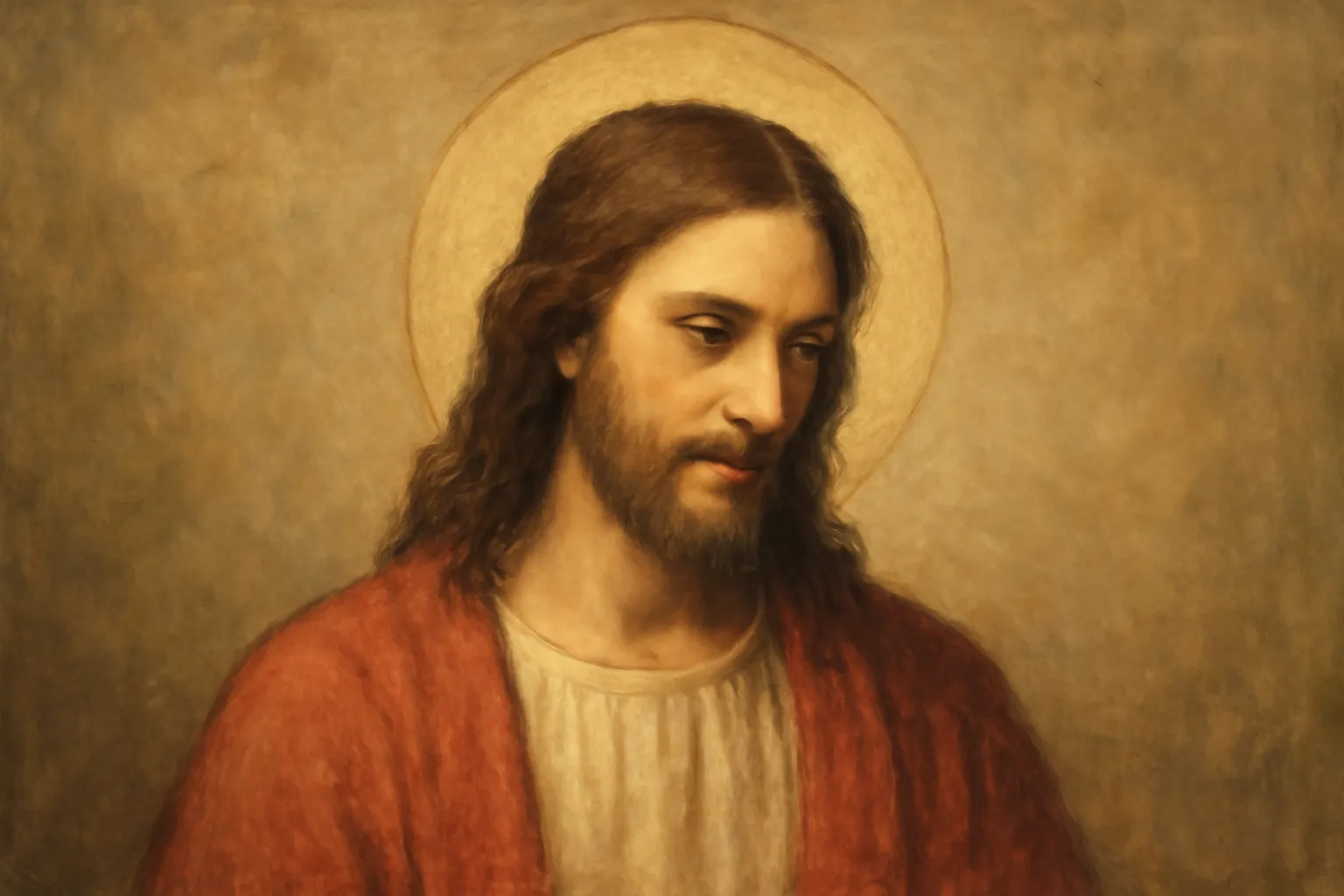
Christ Poem and its close relative, the broader idea of poems about Christ, stand as a vibrant thread in Christian literary tradition. From the early hymns that echoed through church walls to the contemporary free verse that fills online prayer spaces, these works aim to illuminate the person and work of Jesus through language that is at once intimate and grand. This article offers a comprehensive survey of inspiring Christian poems about Jesus, often called simply Christ poems, and explains how readers and writers can engage with, appreciate, and craft this kind of devotional literature.
A Christ poem is any poem whose central subject is Jesus and his significance in Christian faith. This broad category encompasses secular-looking verse that nonetheless centers on faith, as well as overtly liturgical or doctrinal pieces. The term can apply to a range of forms, from hymn-like stanzas and sonnets to free verse and contemporary prose poetry. While some poems about Christ explicitly narrate events from the Gospels—such as the nativity, miracles, crucifixion, and resurrection—others explore the spiritual meanings of Christ’s life, humanity, divinity, or the ongoing presence of Christ in daily life and the church.
Key ideas that commonly appear in a Christ poem
Incarnation—the mystery of God becoming human in Jesus.
Salvation—the belief that Jesus’s life and death bring reconciliation with God.
Grace—the unearned favor demonstrated in Christ’s actions and love.
Redemption—the idea that humanity is bought back, healed, and renewed through Christ.
Hope—trust in Christ’s ongoing presence and the promise of eternal life.
Immanuel—“God with us” as a central theme for many Christ poems.
Historical Context and Traditions
The practice of composing poetry in praise of or reflection on Christ stretches across centuries and cultures. In the ancient church, poets and hymn writers helped shape doctrine and devotion, often using lyric form or chant-like rhythms to teach biblical truths. Over time, christ poem traditions diversified: sacred hymns in metered verse, devotional psalms that reframe Old Testament language around Christ, and later, Christ-centered poetry that experiments with form and voice while preserving doctrinal focus. A few notable currents include:
Medieval and Renaissance religious verse—poets like Richard Rolle or George Herbert used intense devotion and concrete imagery to make Christ feel near and real.
Hymnody and psalmody—shared in worship settings, these pieces emphasize praise, confession, and liturgical rhythm centered on Jesus.
Evangelical and revival poetry—clearly gospel-centered, often with a focus on personal conversion and assurance in Christ.
Modern and contemporary Christ poems—free verse, spoken word, and multimedia poetry that wrestle with modern questions while staying anchored in Christ’s significance.
Forms and Styles in Christ Poems
Christ poems appear in many forms. Each form provides different tools for conveying spiritual truth, emotion, and narrative. Writers choose form based on what aspect of Christ they wish to illuminate and whom they imagine as their audience.
Traditional forms
Sonnets—tight, reflective, and often paradoxical; a Christ poem in sonnet form can balance law and grace, judgment and mercy.
Odes—elevated, devotional, and praise-filled; suitable for celebrating the majesty and mercy of Jesus.
Hymns—lyrical and singable, designed for corporate worship as well as personal devotion.
Elegies—contemplative pieces reflecting on Christ’s life in the face of human mortality.
While every poem is singular, certain themes recur in Christ poems, helping readers encounter Jesus in fresh ways. Here are some of the most prevalent motifs, along with brief examples of how poets approach them:
The Person of Christ
Poems that explore the dual nature of Christ—fully God and fully human—often to grapple with how divinity and humanity meet in everyday life. A Christ poem on this theme might describe the tenderness of Jesus with children, or the exhaustion of ministry, or the paradox of divine glory appearing in humble settings.
The Work of Christ
Focusing on the crucifixion, resurrection, and ongoing work of redemption, these poems engage with the salvific actions of Jesus. They may emphasize sacrifice, forgiveness, or the power of Christ to transform broken places into spaces of new life.
Grace and Mercy
Many Christ poems center on divine grace as a gift freely given through Christ. These pieces often address guilt, doubt, or fear, inviting readers to rest in the mercy of Jesus.
Hope and Warfare
In times of hardship, poems about Christ provide imagination for hope, resilience, and courage. They frame suffering within a larger story of redemption and eternal life.
Incarnation in Everyday Life
Some poets write Christ poems that situate Jesus in ordinary moments—a meal with a friend, a silent morning, or a chaotic city street—asserting that the divine intersects the mundane.
Engaging with a Christ poem deeply involves slowing down, listening for meaning beyond the surface image, and paying attention to symbolism, sound, and structure. Here are practical steps to get the most from a Christ poem:
Read aloud to hear rhythm, cadence, and breath. Poetry often reveals its spiritual pace through sound.
Note imagery that evokes biblical or doctrinal themes—light, water, bread, wounds, crowns, fields, mountains—then ask what each image is doing in relation to Jesus.
Identify the poem’s speaker and perspective. Is the voice addressing Jesus directly, speaking about Jesus, or imagining dialogue with him?
Consider the central claim or revelation. What truth about Christ is the poem inviting you to see more clearly?
Reflect on personal response. How does the poem shape your trust, awe, or devotion?
For writers who want to craft their own Christ poem, here are practical guidelines and reflective prompts. Writing a Christ-centered poem can be a disciplined spiritual practice as well as a creative one.
Steps for crafting a Christ-centered piece
Choose a focal theme—incarnation, crucifixion, resurrection, or present-day presence of Christ in life.
Decide on form—whether a traditional form like a sonnet or an open, free-verse approach best serves the truth you want to convey.
Gather sensory details—sight, sound, touch, taste, and smell to make the poem tangible and visceral.
Use precise images—avoid clichés; aim for fresh, concrete pictures that illuminate spiritual realities.
Weave in sound—alliteration, assonance, and rhythm can carry devotional tone and liturgical feel.
As you draft, you might test a few questions: What is Jesus doing in the scene? How does this action change the speaker or the reader? What is the emotional truth you want to leave with the reader—comfort, challenge, thanksgiving, or awe?
Across centuries, poets have produced Christ-centered works that are still read and studied today. While space doesn’t permit exhaustive listing, here are some representative examples and the roles they play in the Christ poem tradition:
Medieval and early modern devotional pieces—often compact and doctrinal, these poems taught readers about the person and work of Christ while guiding prayer life.
Elizabethan and Restoration-era religious verse—poets used rich imagery to bring biblical scenes into a lush, contemplative space.
Hymn writers—the tradition of Christian hymnody is full of short stanzas that function as prayer and proclamation, repeatedly invoking Christ.
Contemporary poets—modern voices may experiment with form, embrace personal testimony, and address current social and spiritual concerns through the lens of Christ’s message.
Readers can explore anthologies and online archives to encounter a diversity of Christ poems. Look for collections that emphasize devotional depth, canonical grounding, and imaginative engagement with the life of Jesus.
If you are building a personal library or classroom curriculum focused on inspiring Christian poems about Jesus, consider these strategies:
Thematic shelves—organize poems by theme: incarnation, atonement, discipleship, mercy, and hope.
Historical roots—pair a modern Christ poem with a classic hymn or psalm for contrast and continuity.
Author study—each poet brings unique spiritual vocabulary and craft; study how voice shapes meaning.
Creative response—invite readers to respond with their own short poems or prayers after reading a piece.
Discussion prompts—questions about imagery, theology, and ethical implications can deepen engagement.
For churches, schools, or community groups, a structured reading program can foster thoughtful encounter with Christ poems. Here is a practical blueprint:
Choose a theme (e.g., the miracle of incarnation, the cross as paradox, or Easter hope).
Select a sampling of poems representing different forms and eras to illustrate breadth.
Prepare study questions focusing on imagery, theology, and personal application.
Facilitate discussion with an emphasis on listening and respect for diverse interpretations.
Close with practice—a reflective exercise such as writing a brief prayer-poem to accompany a short reading.
Christ-centered poetry and worship frequently inform one another. Hymns and liturgical poems have shaped how communities articulate faith in public settings, while personal poems about Christ often nourish individual prayer and private devotion. The liturgical use of Christ poems can include readings in worship services, meditative moments during a prayer service, or as devotional aids for daily quiet time. In contemporary worship cultures, poets and songwriters collaborate to translate biblical narratives and theological truths into accessible language and memorable refrains, ensuring that the mystery of Christ remains approachable without sacrificing depth.
Here are some frequently asked questions that readers and writers often have about Christ poems:
Are Christ poems only about the crucifixion?
Not at all. While many Christ poems explore the crucifixion, the category also encompasses poems about the incarnation, the life and ministry of Jesus, his teaching, and his ongoing presence in believers’ lives. A robust Christ poem collection will include pieces that celebrate Jesus’s birth, healings, parables, as well as his role as the risen Lord.
Can Christ poems be written in non-religious literary contexts?
Yes, many poets write Christ-centered work that appears in literary magazines, academic journals, or standalone poetry books. These pieces may foreground moral or existential questions and address readers who may not identify with a particular religious tradition, yet still encounter beauty, truth, and spiritual reflection through the figure of Jesus.
What makes a Christ poem powerful?
The most enduring Christ poems tend to combine precise imagery, theological clarity, emotional honesty, and a voice that feels intimate yet universal. A powerful Christ poem becomes a doorway—inviting readers to see Jesus with fresh eyes and to respond in faith, hope, or gratitude.
Whether you come to a christ poem as a student of literature, a student of theology, or as someone seeking quiet inspiration, you will likely find that great poetry about Jesus helps name mysteries that words alone cannot fully capture. The best Christ poems serve as channels for awe and devotion, offering both a lens to understand Christ more deeply and a doorway to encounter Christ more intimately. In a culture crowded with voices, these poems stand out by anchoring beauty in truth and placing Jesus at the center of human experience.
To help navigate the vocabulary that often accompanies discussions of Christ poems, here is a short glossary of terms you may encounter:
Incarnation — the Christian doctrine that God became human in Jesus Christ.
Atonement — the reconciliation between God and humanity achieved through Christ’s life, death, and resurrection.
Salvation — deliverance from sin and its effects, often described in terms of new life through Christ.
Grace — the unmerited favor of God extended through Christ to humanity.
Mystery — a truth about Christ that surpasses complete human comprehension but invites faith and contemplation.
This glossary is not exhaustive, but it provides a starting point for readers new to the field and a handy reference for writers shaping a Christ poem that communicates clearly while inviting reverence.
A Christ poem is more than a literary exercise; it is a spiritual invitation. Whether you are reading the poetry of the past to glean doctrine, enjoying the music of a hymn, or crafting a new verse that speaks to your moment in history, you are participating in a long and meaningful tradition. The art of writing or reading a Christ-centered poem—one that holds together clarity of faith and the beauty of language—can deepen understanding, nurture worship, and widen the circle of those drawn toward Jesus by the power of carefully chosen words. May your journey through inspiring Christian poems about Jesus be filled with insight, courage, and grace, and may you discover new facets of Christ’s presence in both sacred spaces and ordinary life.

 Por Laura Jara