Advent Candlelight: A Cozy Guide to Meaningful Holiday Lighting
Advent Candlelight: A Cozy Guide to Meaningful Holiday Lighting
As the days shorten and the calendar counts down to Christmas, many families, churches, and individuals seek a weekend rhythm of warmth, reflection, and connection. Advent candlelight offers a simple, tangible way to mark this holy season at home. By welcoming a small, disciplined glow each week, you can cultivate mindfulness, anticipation, and a sense of cozy togetherness that carries through the busy holidays. This article invites you to explore the history, symbolism, and practical joys of the Advent candlelight tradition and to discover how to create a meaningful, sustainable, and accessible liturgy in your own space.
Advent candlelight refers to the practice of lighting candles during the weeks of Advent—typically four weekly stages leading up to Christmas. Each flame is more than a decorative touch: it is a deliberate reminder of spiritual themes, a cue for family ritual, and a way to invite a slower pace amid holiday noise. In a home setting, candlelit Advent moments can become a shared micro-ritual—a pause to reflect, breathe, and consider how light can be a symbol of hope in difficult times.
Beyond symbolism, the ritual of lighting candles is a sensory invitation. The glow softens the room, the scent of beeswax or beeswax blends or even unscented candles can become comforting, and the simple act of candles being lit at a specific time each week builds a sense of predictability that is soothing for kids and adults alike. In a culture saturated with screens and perpetual busyness, Advent candlelight offers a counterbalance—an intentional, hands-on practice that makes the season feel personal rather than performative.
To many families, the candlelight experience is not merely decorative; it becomes a family story. Advent lighting is often a doorway to sharing stories about hope, patience, and generosity. It is a chance to introduce younger children to the idea that anticipation can be accompanied by gratitude, and it’s a gentle way to begin conversations about the deeper meanings of the season.
History and symbolism of Advent candles
Origins of the Advent wreath
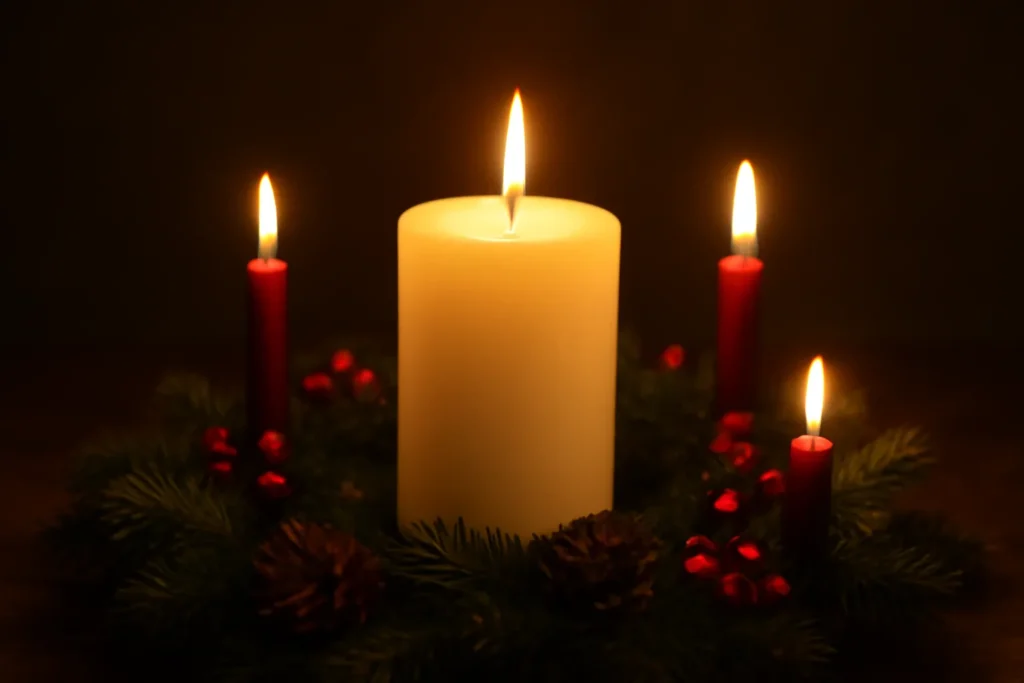
The most familiar form of Advent candlelight centers on the Advent wreath—a circular evergreen arrangement bearing four candles, and sometimes a fifth Christ candle in the center. The wreath originated in Western Christian practice as a way to mark time during the four weeks of Advent. It was designed to be a visible, tactile countdown: as each week passes, the number of lit candles increases, and the room fills with a softer, increasing glow.
Historically, the wreath’s evergreen base symbolizes enduring life through winter, while the circular shape represents the endless life that many believers attribute to God or the divine. The candles themselves carry narrative meaning: they are a light against darkness, a reminder that even small flames can drive away fear or despair. The ritual of lighting and sometimes singing or reciting prayers around the wreath becomes a communal practice that can span generations and traditions.
The four candles and their meanings
Most traditional Advent wreaths use four candles, each associated with a distinct theme. While regional customs vary, the following meanings are widely recognized in homes and churches:
Hope (often the first candle): “Let there be light in the darkness” is the refrain here—an invitation to anticipate something good that is coming.
Peace (second candle): A quiet, patient glow that encourages reconciliation, calm, and gentleness in family life and community dealings.
Joy (third candle): A brighter, more celebratory light that marks progress toward Christmas and acknowledges small mercies and shared laughter.
Love (fourth candle): The culmination of the weekly arc, inviting acts of kindness, generosity, and the embracing warmth of relationship.
In other cultural expressions, some traditions pair the four candles with additional symbols or adjust the order to reflect local liturgical calendars. Regardless of exact wording, the arc is designed to move from expectation to action, from inward reflection to outward care, a progression that mirrors the season’s hopeful arc.
Variations in symbolism and practice
While the core idea remains universal—the lighting of candles as a sign of the light breaking into darkness—Advent candlelight enjoys a rich tapestry of traditions. Some households add a fifth candle, the Christ candle, lit on Christmas Eve or Christmas Day. Others use colored candles (purple or blue) to reflect the liturgical color of Advent in many churches. Still others use white or a warmer ivory to emphasize a sense of gentleness and welcome.
In certain regions, families replace the traditional wreath with other arrangements such as a linear candlestick display, a circular centerpiece on the table, or a multi-tiered stand. The essential truth remains: light becomes a focal point for off-screen conversations, storytelling, and shared rituals that strengthen family bonds.
Creating a home Advent candlelight ritual
Setting up your space
Choose a stable, safe surface away from curtains, papers, and high-traffic areas. A sturdy table or a shelf with a dedicated recess is ideal.
Decide on the arrangement—a classic wreath, a circular centerpiece, or a simple stack of four candles. If you use a wreath, consider a base with a wide diameter so you can place a candle in front of each segment without crowding.
Consider candle types—beeswax candles are long-burning and have a natural warm aroma; soy or plant-based options often offer cleaner burning and lower soot. If safety is a priority, opt for LED candles with a flicker animation that mimics real flames.
Provide a candle snuffer or extinguisher to avoid drafts knocking flames or creating heat near heat-sensitive decorations.
Pair lighting with a small ritual guide—a printed card, a tablet note, or a family handbook that explains which candle to light each week and what it represents.
Lighting schedule and weekly rhythm
Most households light one candle in the first week, two in the second, three in the third, and all four in the final week. If your arrangement includes a Christ candle, you might light it only during Christmas week or on Christmas Eve. A gentle, predictable schedule helps children anticipate the moment and contributes to a sense of continuity through December.
Week 1: Light the first candle and share a short reading or reflection about hope.
Week 2: Light the first two candles; pause for a family discussion about peace in the home or in the world.
Week 3: Light three candles; invite gratitude and joy through a brief sharing of good news or small wins from the week.
Week 4: Light all four candles; consider acts of love—a neighborly gesture, a donation, or a thoughtful note to someone you care about.
Practical activities to pair with each lighting
Readings from a daily devotional, a seasonal poem, or a short story about lights in the darkness.
Music—soft instrumental tracks, carols, or lullabies that fit the mood of each week.
Gratitude journaling—one line per candle that captures a moment of grace, mercy, or shared kindness.
Cooking or baking—prepare a comforting treat to share; the scent of cinnamon and pine can deepen the sensory ritual.
Acts of service—a simple gesture toward a neighbor, a friend in need, or a charity you support.
Accessibility and inclusivity considerations
Advent candlelight can be adapted for households with young children, pets, or sensitivities. For families that cannot burn candles due to safety, allergy, or noise concerns, LED candle alternatives provide a visually similar glow with zero flame risk. For visually impaired participants, a tactile ornament or a crisp, narrated plan for the lighting sequence can ensure everyone can follow the ritual. The goal is to maintain the sense of shared occasion while keeping it practical for your home.
Another option is to use twinned arrangements—two smaller candle displays placed in different rooms. This can help families stay connected even when members are apart across households or schedules. The key is to keep a clear, repeated pattern that everyone can recognize and honor.
Worlds of Advent candlelight: styles and cultural variations
European traditions
In many parts of Europe, the Advent wreath is a beloved fixture in churches and homes alike. In Germany and parts of Central Europe, families frequently incorporate blue or purple candles and public singing or storytelling as part of the weekly lighting. The scent of evergreen and resin becomes nostalgic for generations who remember winters past and festive preparations.
Scandinavian approaches
In Nordic countries, the winter ritual often emphasizes calm, hygge-inspired warmth. The lighting of candles, often with soft, amber tones, is paired with simple, cozy activities like hot beverages, woolen textures, and quiet conversations. In some households, a single candle burning in the window signals hospitality to travelers and neighbors alike.
In parts of Latin America and the Caribbean, Advent traditions blend nativity scenes, processions, and communal feasts with candlelight. Families might gather for song, scripture readings, and shared meals as the candles glow, turning home spaces into small sanctuaries of hospitality and community resilience.
Ways to adapt Advent candlelight for diverse households
Non-religious interpretations—frame the candles as a symbol of light, hope, and care for one another, rather than a religious ceremony.
Interfaith or inclusive versions—invite readings, songs, or poems from multiple traditions that celebrate light in wintertime.
Family-friendly customization—let oldest child write the weekly theme, decorate the display, or propose a small act of kindness tied to the candle.
Practical guidance: safety, sustainability, and accessibility
Safety essentials
Never leave burning candles unattended. Extinguish flames before leaving the room or going to bed.
Keep candles away from flammable decor—paper, fabric, and dried greens can ignite quickly.
Use candle holders or trays with a wide base to catch wax and prevent tipping.
Trim wicks to 1/4 inch before lighting to minimize soot and flicker.
Place candles on heat-resistant surfaces and avoid drafts that can cause uneven burning or splattering.
Consider LED alternatives for households with pets or small children, or when candles must burn for extended times.
Sustainability and aesthetics
Choose natural waxes like beeswax or soy for a cleaner burn and fewer toxins.
Support local artisans by buying candles from nearby makers who source materials responsibly.
Repurpose and recycle containers, ribbons, and decorative elements after Epiphany or the Christmas season ends.
Minimal packaging reduces waste while preserving the candle’s beauty in your home.
Accessibility and inclusivity in candle rituals
To ensure the practice is welcoming for all, consider:
Clear, large-print guides for the lighting schedule and meanings.
Audio descriptions or a narrator to guide younger participants through the ritual.
Alternate formats like a print-at-home card or a smartphone-friendly version for people who travel or live far apart.
Meaningful activities that accompany Advent candlelight
Reading plans and reflections
Pair each week with a short reading—a devotional excerpt, a poem, or a children’s story about light in darkness. If you prefer secular options, select passages that speak to themes of hope, resilience, and community.
Hope week—a passage about new beginnings and the power of a small flame to pierce the dark.
Peace week—a reflection on reconciliation and the quiet courage it takes to forgive.
Joy week—an uplifting story about shared laughter and generosity.
Love week—an invitation to service, hospitality, and caring for others.
Music, art, and sensory experiences
Music playlists featuring carols, instrumental pieces, and seasonal favorites.
Visual arts—simple crafts like paper stars or pine cone decorations to accompany each candle’s theme.
Sensory rituals—incorporate a favorite scent (cinnamon, pine, vanilla) to deepen the sensory memory associated with each week.
Acts of service and hospitality
Use the candlelight as a prompt to reach out beyond your household. Ideas include:
Deliver warm drinks to neighbors; offer comfort to someone who feels lonely.
Prepare a small care package for essential workers or community volunteers.
Organize a neighborhood toy or food drive with a modest, candle-lit ceremony to welcome contributors.
Frequently asked questions about Advent candlelight
Is Advent candlelight a religious practice?
While the most common form of Advent candlelight has Christian roots, many households use the ritual as a spiritual or secular practice focused on warmth, gratitude, and togetherness. The core ideas—light in darkness, anticipation, and generosity—translate across beliefs and personal values.
Absolutely. A simple trio of candles on a tray, a single-branch candlestick, or a small cluster of tea lights can serve as a substitute. The important thing is a consistent rhythm, a safe setup, and a meaningful intention behind the lighting.
How long should each lighting moment last?
Many families aim for 5–15 minutes per week, depending on age and interest. A shorter ritual may work best for busy evenings with small children, while a longer session can be meaningful on weekends or holidays.
What if I celebrate Advent in a non-traditional way?
There is room for adaptation. You can map the four weeks to personal themes—growth, patience, compassion, and curiosity—or align candlelight with a family project, such as a community project or a creative project you complete by Christmas.
Conclusion: embracing warmth, meaning, and community through Advent candlelight
In a season that often moves quickly from planning to gifting to hosting, the Advent candlelight tradition invites a slower, more intentional pace. By designating a regular moment to light a candle, you create a home-centered signal that the days are being held with care. The candles’ glow becomes a metaphor for the human capacity to brighten one another’s lives—one week at a time. Whether your display is a classic wreath, a minimal arrangement, or an LED alternative, the practice offers a cozy ritual that can be passed down, adapted, and shared across generations. It transforms the holiday lighting from mere decoration into a meaningful, communal act of love, hope, and hospitality.
As you consider starting or refining your own Advent candlelight routine, remember that the power of this tradition lies not in perfection but in presence. The soft flame, the shared space, and the deliberate pauses together create a memory bank you can draw from long after the season has passed. May your Advent candlelight illuminate your home with warmth, deepen your relationships, and remind you of the enduring light that guides you through winter and toward Christmas joy.









Leave a Reply