Advent Candle Colors: Meaning, Traditions, and How to Observe Advent
Advent Candle Colors: Meaning, Traditions, and How to Observe Advent
Advent is a season of expectation and preparation that leads up to Christmas. Across many Christian traditions, families and congregations mark this time with a circle of evergreen greenery, a ring that holds candles as symbols of light breaking into darkness. The colors of Advent candles carry meanings as old as the season itself, yet they also adapt to local customs and denominational practices. In this article, you will find a thorough guide to Advent candle colors, what each shade traditionally signifies, and practical ways to observe and celebrate Advent in your home or church. Whether you are drawn to classic purple and pink, or prefer a blue color scheme, the candles can illuminate a path to hope, peace, joy, and love during this holy season.
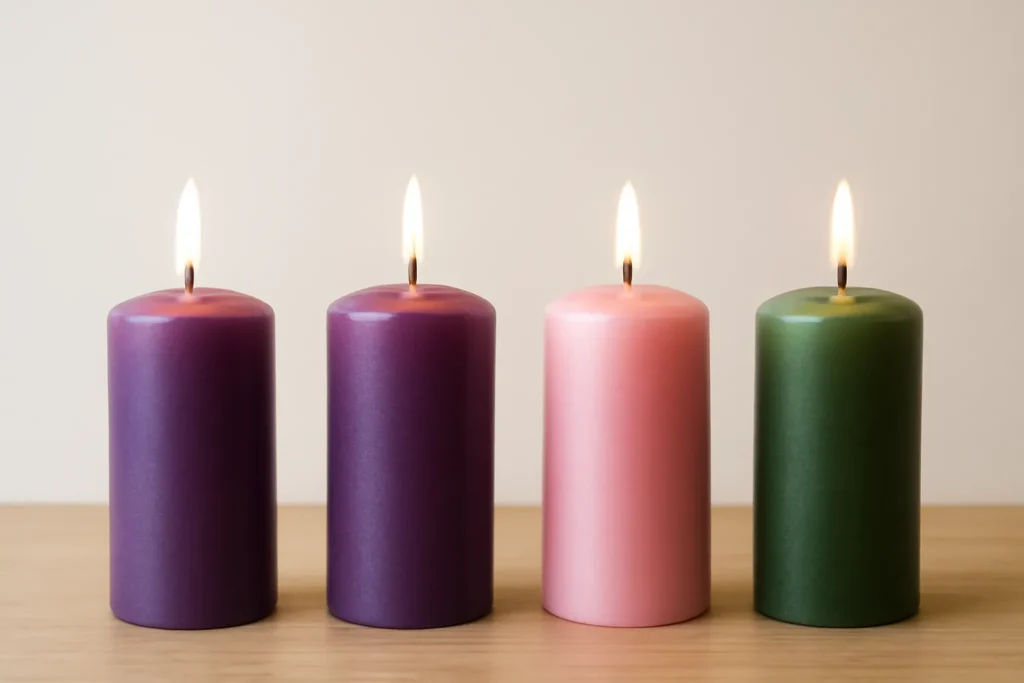
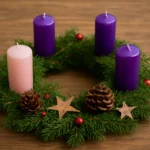
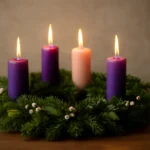
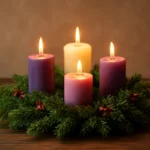
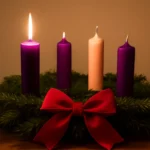
Traditionally, many Western Christian communities use four candles around a wreath: three of one color and a fourth of another. In most common practice, the candles are purple (or blue) and rose, with a possible white Christ candle in the center. Each candle is lit on successive Sundays of Advent, and the light grows as Christmas approaches. Here is a detailed look at the colors commonly seen in Advent candles and the symbolism associated with them.
Purple or Violet Candles
Purple, violet, or blue candles are the left-most in many traditional Advent wreaths. The color is closely tied to themes of preparation and penance in the liturgical calendar. In many traditions, purple conveys the sense of anticipation as believers ready themselves for the coming of Christ. The use of this color also echoes the royal imagery of royal purple, suggesting the dignity and hope of the Messiah who is to come. For families and churches, purple candles invite a steady rhythm of reflection: a quiet, contemplative pace that accompanies prayer, scripture reading, and quiet acts of service in the weeks before Christmas.
Rose (Pink) Candle
The rose or pink candle is placed as the third candle in the sequence and is lit on Gaudete Sunday, the Sunday of rejoicing. The symbol here is joy—a celebratory note that even in the season of waiting, gladness is appropriate because God’s promises are unfolding. The rose candle breaks the somber cadence of the purple candles with a note of hopeful celebration. For many families, lighting the pink candle invites a family moment of gratitude and a reminder that the season is moving toward the holiday itself, not only toward Advent’s solemnity but toward Christmas joy.
Blue Candles: An Alternative Palette
In some churches, blue is used instead of purple to mark Advent. The blue color can convey a sense of expectation, calm, and contemplation. For communities that historically used blue, the effect is similar to purple in terms of penitential tone, but with a distinct hue that some find easier to distinguish from violet during services or in visual displays. If your tradition uses blue candles, you may notice a slightly cooler mood in worship spaces and home devotionals—a reminder that waiting is not passive but filled with patient longing.
White Christ Candle
In many Western Christian practices, a white Christ candle is placed at the center of the wreath and lit on Christmas Eve or Christmas Day. This candle represents the arrival of Jesus Christ as the Light of the World. In some home-centered traditions, the Christ candle is lit only at the end of Advent, or at the moment of Christmas itself, marking the culmination of the season’s waiting with a bright, hopeful climax. When a white center candle is used, it often serves as a focal point for readings and carols that celebrate the incarnation. For families who prefer a more symbolic approach, the white candle can be lit along with or after the four outer candles to signify that Christ is ultimate light entering the world.
Traditions Surrounding Advent Candles
The practice of lighting Advent candles has both historical roots and regional adaptations. While the core idea is shared—lighting candles to signify advancing light as Christmas approaches—the details can vary depending on denomination, locale, and family tradition. Here are some of the most common traditions and how they manifest in church life and home devotionals.
The modern Advent wreath is widely credited to 19th-century German Protestant practice. The tradition evolved from a circle of evergreen representing unending life and the continuous hope of salvation. The arrangement typically includes four candles placed on the ring, with the possibility of a fifth, white Christ candle in the center. Over time, congregations adopted the practice as a structured way to mark the four Sundays of Advent, with readings, prayers, and hymns accompanying the lighting.
Regional and Denominational Variations
Across the Christian world, Advent candle practices diverge in meaningful ways. Some key variations include:
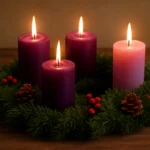
Catholic, Anglican, Lutheran, and many Protestant churches: The traditional wreath features three purple (or blue) candles and one pink candle, lit on successive Sundays, with a possible Christ candle lit at Christmas. The order and emphasis may shift slightly depending on liturgical calendars and local customs.
Blue-advent traditions: In certain communities, blue candles replace purple to emphasize contemplation and waiting. The effect may be used in conjunction with specific regional hymns or readings that highlight hope and expectation.
Christ candle center: Some churches add a fifth white candle in the center and light it on Christmas Eve or Christmas Day, while others light it on the first Sunday of Christmas or during a Christmas Eve service.
Advent wreath and calendar in homes: Families often create personal or family Advent wreaths with a combination of candles, scripture verses, and devotional activities. The home version may align with the church calendar but is tailored to family routines and children’s participation.
How to Observe Advent: Practical Steps for Home and Community
Observing Advent can be a rich, communal, and deeply personal practice. Below are practical ways to incorporate candle lighting into weekly worship, family life, and community gatherings. The ideas balance tradition with flexibility, so you can adapt them to your context, whether you worship in a church setting or gather at home with friends and family.
Set up your Advent wreath in a central, visible place. Use a sturdy base, evergreen greens, and a stable holder for the candles. If you have small children or pets, place the wreath where it can be supervised and safe. Consider highlighting the outer four candles and, if you use a Christ candle, position it prominently in the center.
Choose your color scheme based on your tradition. If you follow the traditional pattern, you will have three purple (or blue) candles and one pink candle. If you prefer, you can arrange the colors differently or incorporate a white Christ candle in the center to reflect the advent-to-incarnation progression.
Establish a lighting schedule for the four Sundays of Advent. A typical pattern is:
First Sunday: light the first purple candle (hope) and say a prayer or read a scripture about longing and expectation.
Second Sunday: light the second purple candle (peace) and reflect on the ways peace begins in our hearts and in the world.
Third Sunday (Gaudete Sunday): light the pink candle (joy) in addition to the first two purples, acknowledging the budding joy of God’s promises coming true.
Fourth Sunday: light the final purple candle (love) to emphasize the completeness of the proclamation that God loves us and is near. If you have a Christ candle, you may light it on Christmas Eve or Christmas Day.
Readings and reflections pair each lighting with short readings. Possible sources include prophetic passages from Isaiah, Gospel narratives about the birth of Jesus, and prayers from your denomination’s lectionary. Encourage family members to take turns sharing a personal hope or a prayer request as each candle is lit.
Involve children and guests by letting them help light a candle or recite a verse. Create a simple ritual that honors each week’s theme—hope, peace, joy, and love—so that everyone feels included in the season’s meaning.
Incorporate music, art, and service as enrichments to your candle-lighting practice. Singing Advent hymns, crafting small acts of service, or displaying seasonal artwork can deepen the sense of anticipation and communal worship.
Safety and stewardship: Never leave burning candles unattended. Place the wreath on a non-flammable surface away from drapes or textiles. Keep matches and lighters out of reach of children. If you are away from home, consider LED candles as a safe alternative that preserves the visual rhythm without the fire risk.
Advent Wreath Etiquette in Worship and Home
In a church setting, the advent wreath is often accompanied by a brief prayer, a reading, and a hymn. In homes, the ritual can be shorter or longer depending on family tradition. Some families light the candles during a brief devotion after dinner, while others reserve the lighting for Sunday evening gatherings. The key is consistency: a reliable cadence helps anchor the season’s mood and message.
Observing Advent through Color, Scripture, and Prayer
Colors convey intention, but so do the accompanying practices. You can deepen the sensory experience by pairing colors with Scripture readings, prayers, and creative responses that reflect the week’s theme. Here are some ideas to enrich your Advent observance with color and contemplation:
Scripture and contemplation: Align each candle with a weekly theme—hope, peace, joy, love—and select verses that illuminate that theme. For example, passages about light coming into darkness can accompany the first candle, while celebratory announcements about the Savior's birth can accompany the final candle.
Prayers and liturgy: Craft brief prayers or a liturgical response for each lighting. You might include a confession of longing for God’s presence on the first Sunday and an affirmation of God’s faithfulness as Christmas nears.
Artwork and symbolism: Create small banners, ornaments, or cards representing each week's color and theme. Children can color or decorate with simple symbols, linking color to meaning in a tangible way.
Music: Choose Advent hymns or simple contemporary songs that reflect hope, peace, joy, and love. A brief musical reflection after lighting a candle can reinforce the week’s mood and help connect heart to liturgy.
Using Advent Candles in Community Worship
Churches may adapt the candle tradition to fit the pace and size of their worship gatherings. Some communities emphasize a formal liturgy with ordained readings, confession, and a unified response; others use a lighter approach with spontaneous prayer and devotional readings. Regardless of the format, you can maintain the core message: Advent is about preparing the heart for Christmas through light, prayer, and hopeful anticipation.
Liturgy Ideas for Worship Services
In a worship setting, consider including the following elements alongside Advent candle lighting:
Processional light: A procession of light as candles are lit, creating a visual arc of increasing brightness.
Responsive readings: Short scriptures or prayers read aloud by the congregation in response to each candle.
Choral or congregational singing: Hymns that reflect the themes of each week, linking the candle’s color to its message.
Community acts of service: A simple call to serve others during Advent, aligning with the season’s call to live out faith in practical ways.
Theological Reflection: Advent as a Time of Waiting and Fulfillment
Beyond the aesthetic and ritual aspects, Advent is a time of deep theological reflection. The candles symbolize not only historical anticipation of the Messiah but also the ongoing hope that God’s promises are being fulfilled in the present world. The colors cue believers to move from personal introspection to communal hope, from quiet waiting to joyful proclamation. In many homes and churches, Advent becomes a discipline—a rhythm of waiting that culminates in Christmas where the light of Christ is welcomed into the world in a tangible way.
Here are some guiding ideas to frame your Advent discipline with color and intention:
Expectant longing: Purple or blue candles remind us that waiting is active, not passive. Waiting is a posture of faith that acknowledges need and faithfulness.
Turning toward joy: The pink rose candle marks a shift from penitence to celebration, signaling that the season’s pace changes as Christmas nears.
Incarnational hope: The white Christ candle makes explicit the center of Advent’s ultimate meaning—the arrival of Jesus, Light entering the world.
Community and shared light: As each candle is lit, the lights multiply, symbolizing how the faith community grows in illumination when lived out in love and service.
Regional and Cultural Variations in Advent Candle Observance
Across different regions and cultures, Advent candle practices are adapted to local tastes and liturgical norms. Some communities emphasize more austere symbolism, while others incorporate vibrant cultural expressions into the lighting ritual. Consider these cultural variations as you explore Advent candle observance:
European northern churches: A heavier emphasis on liturgical color and formal readings; the wreath and candles often appear in church sanctuaries as a central seasonal feature during services.
Anglo-American congregations: A balanced blend of tradition and family-friendly devotion; home Advent wreaths are common, and many churches publish a weekly propersheet guiding families in candle lighting and prayers.
Latin American and global communities: Advent may include additional musical traditions and devotional practices that emphasize community life, hospitality, and social outreach during the season.
Ways to personalize: Some households add a fifth “family candle” or integrate interactive elements for children, such as simple art projects or video reflections that align with each Sunday’s theme.
Practical Tips for Safe and Meaningful Candle Use
Lighting candles, whether in a church or at home, requires mindful safety and intentionality. Here are practical tips to ensure a safe and meaningful Advent candle experience:
Sturdiness and placement: Use a stable holder or tray and place the wreath away from flammable materials. Ensure candles have a secure base and can stand upright.
Supervision: Keep matches and lighters out of reach of children. Never leave burning candles unattended.
Ventilation: Light candles in a well-ventilated area to avoid a buildup of smoke or fumes, especially in smaller rooms.
Alternative lighting: If real flames are a concern, consider LED taper candles that mimic the look of real flames without the fire risk.
Reusability: After Christmas, preserve the wreath for the next season by refreshing candles and renewing greens as needed; many wreaths last for several years with proper care.
Advent Colors in Home Decor and Everyday Life
Beyond the wreath and church paraments, Advent colors can influence home decor, crafts, and family routines. Incorporating color into daily life can help keep the season fresh and meaningful throughout December. Some approaches include:
Color-coordinated Advent décor: Use napkins, table runners, or ornaments in purple, blue, pink, or white to reflect the weekly themes.
Weekly reflections: Tie a family activity to each candle color—storytelling, a charitable act, or a small service project that embodies hope, peace, joy, or love.
Alternative rituals: If you prefer less formal liturgy, consider a simple family devotion with a candle lighting, a short reading, and a prayer or song.
Why are there four candles, and what do they represent?
The four candles typically symbolize a progression of themes over the four Sundays of Advent: hope, peace, joy, and love. In some traditions, a white Christ candle is placed in the center and lit at Christmas, representing the incarnation of Christ. The colors—purple (or blue) and pink—serve as visual reminders of penitence, preparation, and joyful anticipation.
Can I use a different color scheme in my home?
Absolutely. While purple and pink are traditional, many families and churches adapt Advent colors to reflect local culture or personal preference. Blue can stand in for purple, and a central white Christ candle can be added for emphasis on incarnation. The most important element is the meaning you attach to the candles and the way you use them to cultivate hopeful, reflective worship.
Is the Advent wreath a church-only practice?
No. Although Advent wreaths are common in churches, they are also widely used in homes and schools as a devotional tool. The home wreath creates an approachable, family-friendly way to pace the season with regular moments of prayer and scripture reading. It is a way to invite neighbors and friends into meaningful seasonal reflection as well.
Final Thoughts: Turning Light into Life During Advent
Advent candles are more than decorative symbols. They are a practice that invites believers to slow down, reflect, and prepare the heart for Christmas. The colors provide a visual grammar for the season—each hue signaling a distinct mood and a call to action. Purple or blue signals expectant preparation; pink marks a turning point toward joy; and white centers the season on the Incarnation, reminding us that the Light has entered the world. Whether your tradition follows the classic four-candle pattern or a localized version with its own color palette, the underlying goal remains the same: to cultivate hope in the waiting, to seek peace in a troubled world, to celebrate joy as the story unfolds, and to rest in love as Christmas draws near.
In adopting Advent candle colors, you are choosing a rhythm of devotion that helps you and your community center on what matters most: the coming of Christ and the transformation that his coming offers. As the candles glow week by week, let their light accompany your prayers, your acts of kindness, and your shared moments of worship. May your Advent season be rich with meaning, warmth, and a growing sense of the Christmas light that shines in the darkness.




Leave a Reply