Introduction to the Nativity and Its Timeless Message
The birth of Jesus stands at the heart of Christian faith and Christmas celebrations around the world. This moment in history, described across the Gospels and echoed in prophetic voices from the Hebrew Scriptures, is not merely a story of a baby in a manger. It is a cosmic revelation wrapped in humble language: God with us, bringing light to a world shadowed by longing, fear, and brokenness. When we read the bible verses about Jesus born, we enter into a spiritual meditation on hope fulfilled, peace announced, and divine love poured out for all peoples.
In this article, you will find a curated collection of Nativity Bible verses and their variations across translations and paraphrases. The aim is not to catalog every reference, but to present the core strands—the annunciation, the birth in Bethlehem, the heavenly chorus, the signs for shepherds, and the identity of the Child—as a resource for Christmas reflections, sermons, family devotion, and personal prayer. We will move through the oftcited verses, offer paraphrased and alternate renderings for breadth, and provide practical ideas for using these passages in daily life during the Advent and Christmas seasons.
Throughout this article, look for bolded phrases that highlight the essential ideas: birth of a Savior, Emmanuel, Prophecy, Bethlehem, swaddling clothes, manger, glory to God, and peace on earth. These touchstones help us remember why the Nativity remains a living story—one that invites reflection, gratitude, and renewed faith.
Core Nativity Verses: Luke and Matthew
Luke's account: shepherds, angels, and the newborn King
The Gospel of Luke offers one of the clearest, most intimate portraits of the moment when the angel announces good news, and a chorus of heavenly hosts declares peace on earth. Luke’s narrative anchors the scene in a real place at a real time, yet the words carry universal significance for every generation that reads them.
Luke 2:10-12 (KJV) demonstrates the shift from fear to joyful certainty:
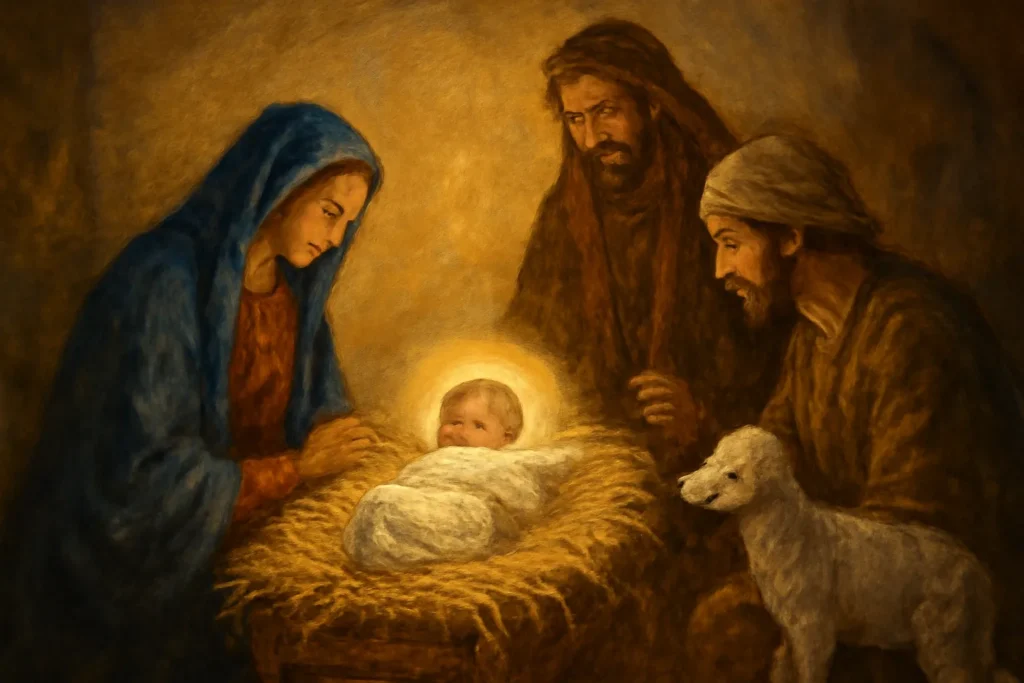
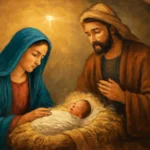
"And the angel said unto them, Fear not: for, behold, I bring you good tidings of great joy, which shall be to all people. For unto you is born this day in the city of David a Savior, which is Christ the Lord. And this shall be a sign unto you; Ye shall find the babe wrapped in swaddling clothes, lying in a manger."
A few salient phrases emerge from this small but profound passage: the birth of a Savior, the identification of Jesus as Christ the Lord, and the humble sign of a baby wrapped in swaddling clothes in a manger. The passage further emphasizes that this good news is not limited to a single group but is intended for all people, underscoring the universal scope of God's redemptive plan.
Luke 2:11 (KJV) highlights the core identity of the child:
"For unto you is born this day in the city of David a Savior, which is Christ the Lord."
“And this shall be a sign unto you; Ye shall find the babe wrapped in swaddling clothes, lying in a manger.”
Luke 2:14 (KJV) then lifts the worship to the heavens:
"Glory to God in the highest, and on earth peace, good will toward men."
A common pattern in Luke is the juxtaposition of humble circumstances with extraordinary revelation. The shepherds—watching their flocks at night—are among the first to receive the divine message and to respond with faith and wonder. The verse sequence invites readers to consider three responses: awe at God’s plan, trust in the message given to ordinary people, and a commitment to emulate the shepherds’ quick response to set aside fear and seek the newborn King.
Variations and paraphrases of Luke 2:10-14 can help readers in different cultural contexts. You might hear or read: “I bring you news of great joy for all people,” or “Today, in David’s city, a Savior is born to you; this child is Christ the Lord,” followed by a sign you’ll recognize—an infant wrapped in cloth and laid in a lowly manger—so that even in our modern settings, the message remains accessible to children and adults alike.
Matthew's account: fulfillment of prophecy and the naming of Emmanuel
The Gospel of Matthew emphasizes the fulfillment aspect of the Nativity, particularly through the quotation that ties Jesus’ birth to the promise of God with us. This connection anchors the Christmas story in the lineage and plan of God, bridging prophetic expectation with the concrete events surrounding Jesus’ birth.
Matthew 1:23 (KJV) presents the fulfillment language directly:
"Behold, a virgin shall be with child, and shall bring forth a son, and they shall call his name Emmanuel, which being interpreted is, God with us."
The title Emmanuel—meaning “God with us”—highlights the extraordinary claim of the Incarnation: that the eternal God takes on human flesh and dwells among people. This verse provides a bridge between prophecy and day-to-day experience, inviting readers to reflect on what it means for God to be present among us, in ordinary settings, in ordinary lives.
In addition to Matthew 1:23, readers often pair this verse with Luke’s accounts to form a fuller picture of the Nativity. The theological claim is consistent in both gospels: the birth of Jesus marks a turning point in salvation history, bringing God’s presence into the world in a new, tangible way.
Variations and paraphrases of Matthew 1:23 can include expressions such as: “Behold, a child will be born; his name will be called Emmanuel—God with us.” Depending on the translation, wording shifts, but the central meaning remains: the divine enters human history, not as distant power, but as a companion and savior.
Prophetic Foundations: Isaiah’s Voice and the Promise of Light
The Nativity is inseparable from Old Testament prophecy. The prophets foreshadow the coming King, and their words become interpretive lenses through which the birth narratives are understood. Two passages are especially central to this prophetic framework: the promise of a child who bears God’s name and the description of a ruler who brings illumination and peace.
Isaiah 9:6-7: a child is born, a son is given, and the government rests on his shoulders
Isaiah 9:6-7 (KJV) proclaims:
"For unto us a child is born, unto us a son is given: and the government shall be upon his shoulder: and his name shall be called Wonderful, Counsellor, The mighty God, The everlasting Father, The Prince of Peace."
This passage frames Jesus’ birth as the fulfillment of a divine plan that involves sovereign authority, divine attributes, and a longing for peace that the world cannot satisfy by human means alone. The titles capture facets of who Christ is and what his coming promises: guidance, strength, enduring relationship with God, and a reconciling peace that extends beyond political boundaries.
Isaiah 7:14 also anchors the Nativity in prophecy: “Behold, a virgin shall conceive, and bear a son, and shall call his name Immanuel.” This verse is frequently cited in Christmas contemplation as a reminder that God’s action to save and dwell with his people begins in the most human and intimate way—through birth.
When readers connect Isaiah 7:14 and Isaiah 9:6 with the Gospel accounts, the continuity of biblical witness becomes evident: the birth of Jesus is not an isolated incident but the climactic fulfillment of divine intention across centuries.
Variations and paraphrases of Isaiah’s prophecies often present them in modern or poetic form to aid meditation. A paraphrase might read: “A child will be born who carries God’s name; in him, light will dawn and peace will deepen universal harmony.” In prayerful reading, such renderings invite us to consider how Christ’s identity matters for day-to-day decisions, communal life, and global concerns—wherever people seek justice, mercy, and hope.
Variations and Translations: How to Read Nativity Verses Across Versions
The Bible exists in many translations, languages, and literary styles. While the core truths of the Nativity remain constant, the wording can shift in ways that illuminate different portions of the story for diverse audiences. Here are some practical notes to help you engage with the Nativity verses across versions:
King James Version (KJV) often preserves a formal, poetic cadence that can heighten reverence and tradition. It uses phrases like “glory to God in the highest” and “the babe wrapped in swaddling clothes” that evoke imagery of humility and worship.
New International Version (NIV) and English Standard Version (ESV) tend to render the same verses in contemporary English, which can aid accessibility while preserving meaning. They may read with smoother syntax, making it easier for modern readers to hear the narrative’s emotional current.
Paraphrase Bibles (like The Message) rephrase sentences to emphasize glossed themes—such as joy, wonder, and God’s present help—through modern idioms. Paraphrases can spark fresh reflections while serving as a bridge to more formal translations.
Regardless of translation, you can use a single verse in multiple ways: read it aloud, reflect on its imagery, journal a response, or prayerfully memorize a line to carry into daily life.
For devotional use, consider a practice of cross-reading: choose a passage from Luke 2 and then compare it with Matthew 1:23 or Isaiah 9:6. Note the nuances—how the message of good news expands from shepherds to all people, how the name Emmanuel anchors divine presence, and how the prophetic voice frames Jesus as the long-awaited King who ushers in peace.
Practical exercises for personal devotion
Read a Nativity passage in two different translations and write a short reflection on how the wording shapes your imagination of the scene.
Choose one keyword per reading (e.g., glory, peace, Emmanuel) and write a prayer centered on that theme.
Use one verse as a nightly meditation during Advent, letting the words guide gratitude, repentance, or acts of generosity.
Liturgical and Devotional Uses: Turning the Verses into Daily Practice
The Nativity verses are not only delicious to read; they are powerful to practice. Here are several ways to incorporate these scriptures into Christmas reflections, family routines, and communal worship.
Daily Advent reflections focusing on a single verse each day, paired with a short prayer, a line of praise, and one concrete action that mirrors the verse’s call.
Family devotion time where children and adults together memorize a verse, act out a brief scene from the shepherds’ encounter, or sing a carol that echoes the verse’s themes.
Church or small group study using a guided discussion on how nativity scriptures illuminate the character of God, the mission of Jesus, and the implications for justice, mercy, and peace in the world.
Creative expressions such as poetry, art, or music inspired by key phrases—“Emmanuel,” “the babe in a manger,” or “glory to God in the highest.”
A practical approach to devotional use is to pair a verse with a reflective question. For example:
Luke 2:11 — What does it mean that a Savior has been born “unto you” in your current life situation?
Luke 2:14 — Where can you cultivate peace and goodwill toward others in your daily interactions?
Matthew 1:23 — How does the reality of God-with-us impact your sense of burden, fear, or loneliness this season?
By weaving these questions into routine life, verses about Jesus born become a living part of faith rather than distant memory.
Thematic Threads: Joy, Peace, and Hope as Nativity Echoes
The Nativity poems and narratives carry three dominant themes that recur across the Scripture’s pages: joy, peace, and hope. These are not abstract sentiments but concrete verbs and dispositions—expressions of trust in God, acts of mercy toward neighbors, and a hopeful posture in the face of hardship.
Joy as a response to divine intervention
The angelic proclamation in Luke 2 awakens a sense of radiant joy. The news of a Savior’s birth changes the mood of the night shift, turning fear into worship and ordinary work into a sacred drama. The word joy in these contexts is more than happiness; it is a buoyant confidence that God is active in history to redeem and bless humanity.
Peace as a reconciliation that begins in the heart
“Glory to God in the highest, and on earth peace, good will toward men” is not merely a political statement but a spiritual invitation. The Nativity calls believers to be agents of peace—pursuing reconciliation, showing mercy, and extending goodwill in relationships, both near and far.
Hope as a future-filled promise
The birth of Jesus anchors a forward-looking hope: that injustice will be addressed, that light will dawn in dark places, and that God’s presence will continue to manifest in the world through the church, through prayer, and through compassionate action. This sense of hope gives Christmas its forward-facing energy, encouraging communities to live with purpose and gratitude.
When you reflect on these themes alongside the specific nativity verses, you gain a more robust understanding of why Christians celebrate Christmas with both reverence and joy. The verses become not antique lines on a page but living words that shape faith, worship, and daily conduct.
Conclusion: The Nativity as a Window into God’s Heart
In the end, the bible verses about Jesus born are an invitation to behold the story from fresh angles. Whether you read a line from Luke’s account, a prophecy from Isaiah, or a verse from Matthew, you encounter a consistent message: the God of love enters human history in vulnerability to rescue, restore, and surround us with grace. The Nativity invites believers to cultivate praise and generosity, to extend peace to a fractured world, and to rest in the assurance that the divine Presence has come near.
If you are assembling a Christmas devotional, you may want to end with a simple practice: choose a verse, write a brief personal reflection, and commit to one concrete act in the coming week that embodies the verse’s call. It could be a gesture of kindness to a neighbor, a prayer for someone in need, or a decision to forgive and reconcile. By doing so, you carry the meaning of the Nativity beyond December into the ordinary rhythms of life.
May these Nativity Bible verses for Christmas reflections illuminate your season, deepen your faith, and renew your sense of wonder at the incalculable mercy demonstrated in the birth of Jesus Christ, our Savior, Emmanuel, and Lord.







Leave a Reply