Christian Candles: Handmade Religious Candles for Prayer
Candles have been a sacred companion to Christian devotion for centuries. Christian candles—whether described as altar candles, votive candles, or home devotional candles—serve as tangible expressions of faith, hope, and reverence. In a world of fast moments and quick prayers, handmade religious candles offer a quiet ritual that invites mindfulness, steadiness, and sustained meditation. This article explores the craft, symbolism, and practical use of handmade Christian candles, presenting guidance for buyers, makers, and worshipers seeking to deepen their prayer life through light.
The Spiritual and Historical Role of Candles in Christianity
Light is a fundamental symbol in Christian theology. It represents the presence of God, enlightenment in the soul, and the triumph of life over darkness. From biblical narratives to liturgical practice, candles are more than mere objects; they are signs of devotion and extending grace into daily life. In many Christian communities, candles mark stages of worship, sacraments, and seasonal celebrations.
Historically, church candles and altar candles emerged as a practical and symbolic element of worship. In the early church, simple oil lamps evolved into more formalized candle systems as Christian communities grew and congregations sought a consistent way to honor sacred moments. Over time, the use of beeswax candles, protected wicks, and ceremonial candles became standard in liturgy. Today, the tradition continues, with a modern emphasis on handmade craftsmanship, ethical sourcing, and sustainable production practices.
Key roles of light in Christian practice include:
Prayer and intercession: Lighting a candle is a visual cue that prayer continues beyond spoken words, inviting personal reflection and communal hope.
Sacraments and rites: Candles mark milestones such as baptisms, confirmations, and ordinations, underscoring the sacred presence in these moments.
Liturgical seasons: Different candles and colors symbolize Advent, Christmas, Lent, Easter, and ordinary time, guiding worshipers through the church year.
Remembrance and vigil: Vigil candles accompany periods of mourning, remembrance, and solidarity with those in need.
Handmade Christian Candles: Materials and Craftsmanship
When you encounter a handmade religious candle, you are observing more than a product—you are witnessing a collaboration between craft, faith, and intention. The materials chosen, the method of pouring, and the care given during creation all contribute to a candle that is designed to burn cleanly, safely, and with lasting symbolism.
Beeswax candles are often associated with high quality, clean-burning performance, and a natural honey-like fragrance. They tend to burn slowly, producing less soot, and they create a warm, radiant light that many find spiritually uplifting. In many Christian traditions, beeswax is favored for:
Purity and sacred resonance with creation
Longer burn times for extended prayer vigils
Minimal artificial additives, preserving a more natural flame
Other natural options: Soy and vegetable wax candles
In addition to beeswax, many natural wax candles are crafted from soy or other plant-based waxes. These provide clean burning, are often renewable, and can be a more affordable option for large-scale votives. They may be unscented to avoid fragrance distractions during prayer or may be lightly scented with essential oils for a calming atmosphere.
Petroleum-based options: Paraffin and blended waxes
Paraffin candles are common in commercial production and can be highly affordable and versatile. Some handmade artisans blend paraffin with natural waxes to balance cost and performance. While paraffin candles can burn well, many practitioners prefer beeswax or soy for a more natural burn and lower emissions. For those who practice environmentally conscious devotion, choosing pure or blended natural waxes is often a priority.
The wick is a critical component of a candle’s performance. Traditional Christian candles often use cotton wicks or other natural fibers that burn evenly. A well-made wick reduces smoking, minimizes soot, and helps a candle burn steadily through long prayers. Some makers experiment with braided wicks for a consistent flame in larger altar candles, while smaller votives may use single-strand wicks for rapid yet controlled burning.
Color, fragrance, and symbolism
In many churches and devout homes, colors and subtle fragrances carry symbolic weight. While some Christian candles are unscented to maintain clarity during meditation, others feature gentle essential oil infusions that complement prayer and mindfulness practices. Colors—such as white for purity, red for the Holy Spirit, or purple for penance during Lent—may be reflected in the outer container or glaze but are most commonly expressed in the liturgical context rather than as a mere decoration.
Ethics and sustainability in production
Ethical sourcing and environmental stewardship matter to many candle artisans and Christian consumers. Responsible producers:
Source responsible beeswax from managed apiaries with humane practices
Prefer natural soy or plant-based waxes with low environmental impact
Use lead-free or low-sulfide wicks and avoid heavy-duty chemical additives
Consider recyclable or reusable containers and reduce packaging waste
For those who seek eco-conscious Christian candles, it is common to ask questions about origin, materials, and life cycle—from the farm or apiary to the flame.
Types of Christian Candles for Prayer and Worship
There is a rich vocabulary of candle types used in churches, chapels, and homes for devotional practices. Here is a practical overview of the most common varieties and their typical settings:
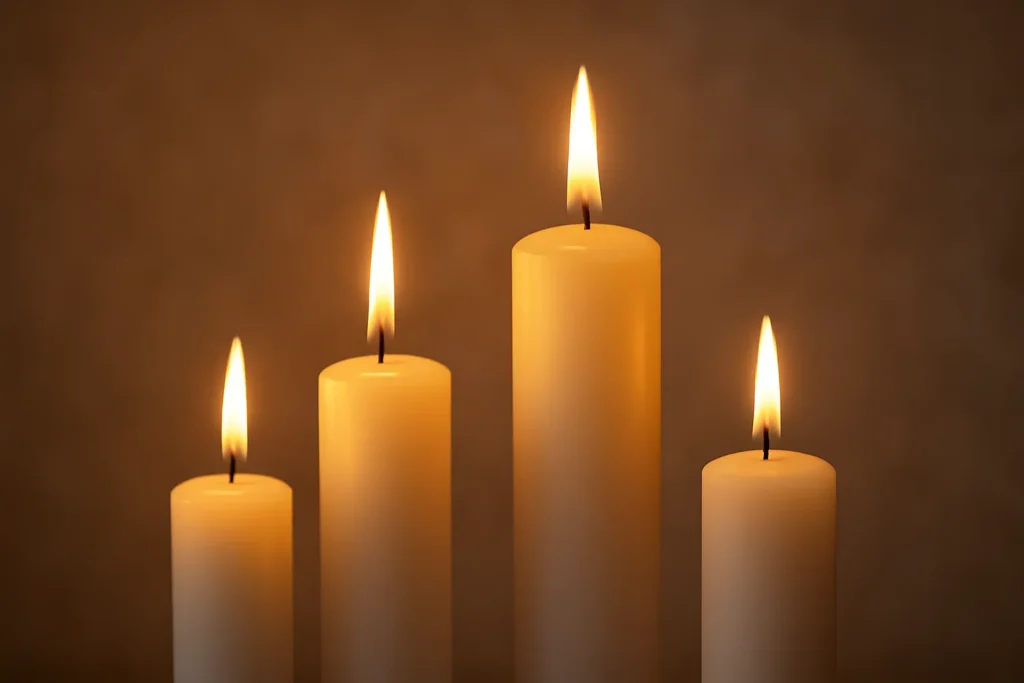
Altar candles — Tall, tall cylindrical or tapered candles placed on the altar; used during Mass, prayer services, and sacred moments. They symbolize the presence of Christ and the prayers of the faithful rising to heaven.
Votive candles — Small, often placed on a rack or table dedicated to prayer requests. The act of lighting a votive candle is a personal or communal act of intercession and remembrance.
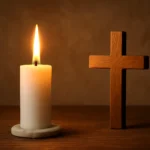
Prayer candles — Simple, unscented or lightly scented candles designed for individual devotion in homes or churches. They provide a focused light for contemplation and daily prayer routines.
Baptismal candles — Used during the baptism ceremony to symbolize the light of Christ entering a new life. These are often given as keepsakes to families after the rite.
Paschal candles — Large, ceremonial candles lit during the Easter Vigil and kept throughout the Easter season in many churches. They symbolize Christ’s resurrection and the light of the world.
Saints candles — Dedicated to specific saints, these candles accompany intercessory prayer, feast days, and novenas. They often bear iconography or the saint’s name.
Home devotion candles — Smaller, decorative candles designed for daily prayer in the home, often used in families or personal meditative spaces.
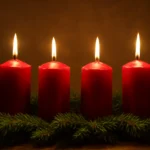
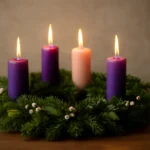
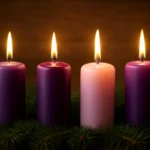
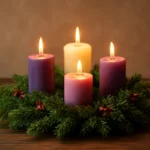
Advent and Christmas candles — Candles used to mark the season of Advent, often in wreaths with symbolic colors and additional candles for each Sunday, culminating in Christmas celebrations.
Lent and Holy Week candles — Used in processions and prayer times to reflect penance, preparation, and the journey toward Easter.
Different Christian traditions may emphasize particular candle forms or colors. For example, Catholic practice often features a prominent Paschal candle and various votive and sanctuary candles, while Protestant traditions may emphasize simple, unscented devotional candles or tealights for group prayer. Regardless of tradition, the core purpose remains the same: to illuminate faith, remember the divine presence, and support prayerful living.
The role of color and symbolism in liturgical candles
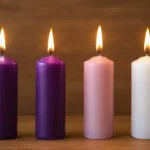
Color carries symbolic weight in many Christian settings. When candles are used within colored liturgical seasons, they help worshipers enter the mood of the moment. For instance, purple candles during certain services evoke penitence and preparation, while white or gold candles celebrate purity and glory. In Christian ceremonies, the careful selection of color, shape, and size communicates reverence and intention without words.
Symbolism and Meanings of Candlelight in Christian Practice
Light as a spiritual metaphor is rich and multifaceted. The glow of a candle can symbolize:
Divine presence in worship and prayer
Guidance through life’s challenges and spiritual discernment
Hope in times of sorrow or uncertainty
Purification through repentance and renewal
Communal unity in shared worship and intercession
Many people find that the physical act of lighting a candle creates a rhythm of attention. The flame becomes a focal point for quiet prayers, memory, and intention-setting. This ritual can help practitioners connect with scripture, saints, or loved ones in an intimate, embodied way. The simple, tangible form of a candle can be a bridge between inner life and outward devotion.
Religious symbolism across Christian traditions
While practices vary, the symbolic value of light tends to converge around a few shared ideas: the presence of God in the world, the calling to witness, and the hope for redemption. In Orthodox, Catholic, Anglican, and many Protestant communities, candles are not merely decorative but are integral to the spiritual landscape—an outward sign of an inward grace.
For individuals and families seeking to incorporate handmade religious candles into daily practice, here are practical approaches that balance reverence with accessibility:
Choose a dedicated prayer space: a small table or shelf where the candle can burn safely without disturbing others.
Decide on a purpose for the candle: gratitude, intercession, healing, or contemplation. You can use a different type of candle for each intention if desired.
Prepare the setting: light the candle during a quiet moment, maybe with a short verse or a personal intention written nearby.
Use a timer or a fixed burn window: for example, a 15- to 30-minute prayer period, with the candle burning safely in its holder.
Offer consistent prayer: vowels or mantras are optional; the key is steady attention, not length of speech.
Close the ritual with a blessing or a closing prayer, letting the flame gradually remind you of sustained intention.
Tips for making the most of home devotion candles:
Keep the candle away from drafts to avoid uneven burning and excessive soot.
Trim the wick to about 1/4 inch before each use to promote a clean, steady flame.
Place the candle on a heat-resistant surface with a protective tray or plate.
Reflect on the light’s symbolism in your daily life: where is hope needed, and how can you respond with compassion?
Caring for and Extending the Life of Handmade Candles
To get the most from handmade Christian candles, implement thoughtful care that respects their craftsmanship and your space. Here are practical care guidelines:
Storage — Store candles in a cool, dry place away from direct sunlight to prevent warping or fading of color and scent.
Container and holder — Use a sturdy, fire-safe holder that fits the base diameter and preserves a steady burn.
First burn — Allow the candle to burn long enough for the melt pool to reach the edges on the first use, typically one hour per inch of diameter. This helps prevent tunneling and ensures even burning.
Burn duration — For small votives, extinguish after a few hours to avoid overheating the vessel; for larger altar candles, follow safety guidelines and never leave a burning candle unattended.
Recycling and reuse — When a candle nears the end of its life, clean the container for reuse or repurpose the vessel for decorative or devotional uses, depending on safety considerations.
In addition to practical care, consider the spiritual care of your candles. A well-used candle can become a symbol of a life of prayer. Some communities bless candles before they are gifted, in a ceremonial gesture that imbues the object with intentionality and sanctity.
Safety Tips for Burning Candles in Homes and Chapels
Safety is essential when engaging with candles for prayer. Here are core safety practices to protect families, worship spaces, and sacred memories:
Never leave a burning candle unattended. Extinguish candles if you must leave the room.
Keep candles away from flammable materials, including fabrics, paper, and curtains.
Place candles in stable, heat-resistant holders and on flat surfaces away from edges where they could be knocked over.
Maintain a safe distance between multiple candles to prevent heat buildup and smoke.
Keep children and pets at a safe distance; consider unscented or low-smoke options in shared spaces.
Use appropriate extinguishing methods—prefer snuffers over blow-drying flames to minimize splatter and hot wax.
If you burn candles regularly during long prayer sessions or vigils, consider smaller, dedicated devotional candles or LED alternatives that provide a similar ambiance with greater safety for prolonged use.
Choosing the Right Christian Candles for Different Occasions
Choosing the right type of candle depends on the context, the liturgical or personal occasion, and the desired ambiance. Here are some guidelines for selecting among church candles and home devotion candles for various moments:
Daily prayer at home — Opt for small, unscented votive candles or prayer candles in a simple holder. They create a serene backdrop for personal devotion without overpowering the room.
Family devotions — Consider a set of tealight or pillar candles that can be used together to designate shared intentions. A visually harmonious arrangement can become a routine family ritual.
Rituals and sacraments — For baptisms, weddings, or confirmations, larger altar candles and ceremonial candles convey the solemnity of the occasion and connect participants to centuries of tradition.
Seasonal observances — Advent wreaths, Lenten vigils, and Easter celebrations benefit from color-coded candles and a progression of light that mirrors the season’s spiritual journey.
Saints and intercession — Saint candles or prayer candles be dedicated to specific intercessions or saints, providing focal points for devotion and reflection.
When evaluating handmade Christian candles, inquire about the materials, the craftsmanship, and whether the candle aligns with your values—whether you prioritize organic wax, animal-friendly sourcing, or sustainably produced packaging. Your selection can be both a personal expression of faith and a statement about stewardship of creation.
The Ethical and Environmental Considerations in Candle Making
Many believers today seek candles that reflect ethical integrity and environmental responsibility. The ethics of candle making often encompass:
Animal welfare and bee health in beeswax products
Carbon footprint and energy use in production facilities
Biodegradability and recyclability of containers and packaging
Non-toxic additives and clean-burning formulas to minimize indoor air pollution
Fair-trade sourcing and community impact in candle supply chains
For those who value sustainable devotion, artisan makers may offer options like:
Beeswax candles produced from ethically managed apiaries
Plant-based waxes with transparent sourcing
Natural colorants derived from minerals or plant extracts
Minimalist packaging and reusable containers
These considerations do not merely affect the environment; they also shape the spiritual experience. When a devotion is aligned with ethical values, the act of lighting a candle can become a holistic practice—one that honors the Creator, respects creation, and supports communities that supply materials and labor with dignity.
Conclusion: The Ongoing Significance of Light in Faith
In a world saturated with images and signals, handmade Christian candles offer a quiet, steadfast way to connect prayer with presence. They invite believers to slow down, attend to intention, and witness a ritual that has endured across generations. From the altar candles in sacred spaces to the home devotion candles on a kitchen table, the flame remains a symbol of faith’s resilience, healing, and hope.
Whether you are a long-time practitioner, a church volunteer, or a curious newcomer to Christian devotion, exploring the world of candles for prayer opens a path to deeper contemplation. The craftsmanship, tradition, and symbolism woven into each handmade piece can help illuminate your spiritual practice, turning daily act into a joyful and meaningful ritual. In that sense, a candle is more than light—it is a companion on the journey of faith, a tangible sign of prayer that endures beyond the moment it is lit.
Handmade Christian candles are not just objects; they are vessels of intention, memory, and grace. When you choose one, you choose a small, luminous doorway into prayer, a reminder that even in quiet flame, faith can illuminate the path ahead.


Leave a Reply