Advent Candles Color: Meaning, Symbolism, and Traditions
Advent Candles Color: Meaning, Symbolism, and Traditions
Advent candles are a quiet, luminous thread through the weeks leading up to Christmas in many Christian homes and churches. The colors of these candles are not merely decorative; they carry rich symbolism that speaks to themes of hope, preparation, joy, and the arrival of Jesus. Whether you keep a traditional four-candle Advent wreath with violet and pink candles, or you opt for blue candles, or you introduce a white Christ Candle in the center, the color choices shape the mood, focus, and interpretation of the season. In this article, we explore Advent candles color, their meanings, their symbolism, and the diverse traditions that accompany them around the world.
What are Advent candles and how do they fit into the season?
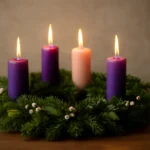
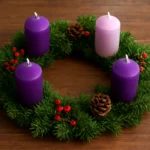
An Advent wreath is typically a circular evergreen arrangement with four candles placed around its perimeter. In many churches and homes, a fifth candle—often white and called the Christ Candle—is added at the center or on a separate holder and lit on Christmas Eve or Christmas Day. The candles are lit in succession over the four Sundays of Advent, sometimes with prayers, reflections, and readings that align with the liturgical color of the season.
The lighting pattern is commonly described as a progression of light that mirrors the season’s themes: the growing light represents increasing anticipation for the coming of Christ. The color of each candle is part of that message, with each week emphasizing a particular virtue or hope. While a traditional arrangement uses purple (violet) and pink (rose) in many Western Christian communities, there are notable regional variations that reflect local liturgical customs.
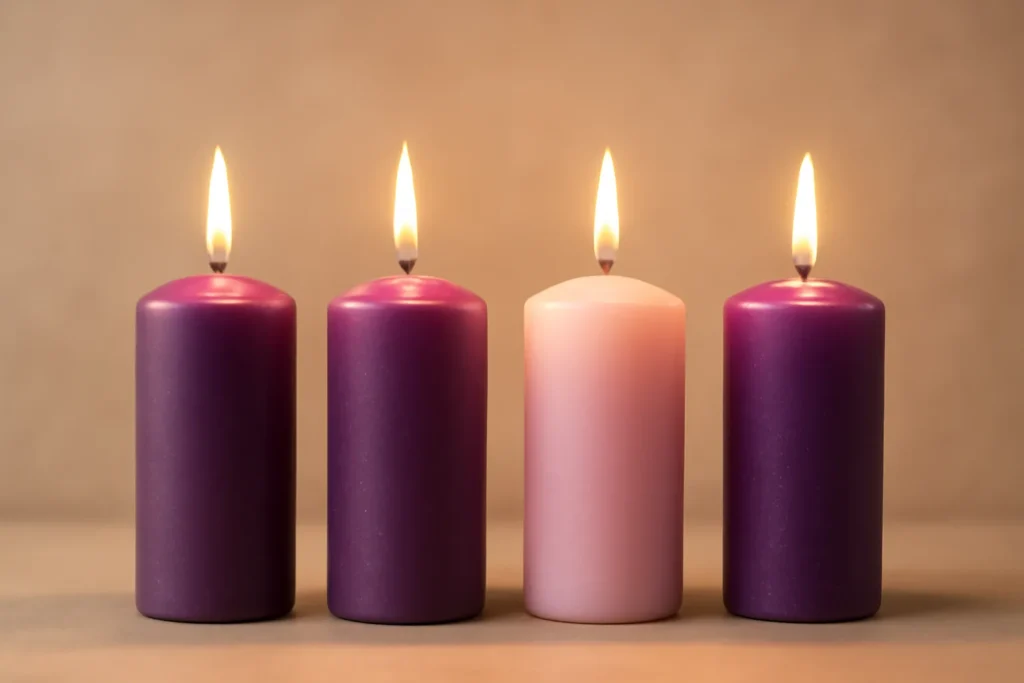
The most widely recognized palette for Advent candles includes violet or purple, pink (rose), white, and sometimes blue. Each color has a symbolic meaning that resonates with the themes of the season.
Purple or violet: Penitence, expectation, and preparation
The purple (violet) candle is the color most associated with Advent in many Catholic, Anglican, and Lutheran traditions. It evokes penitence, preparation, and anticipation as believers ready their hearts for the coming of Christ. Purple can be seen as a reminder of the need to examine one’s life, to repent of shortcomings, and to align daily conduct with the teachings of Jesus.
Week 1 emphasis: Hope through patient waiting and spiritual alertness.
Week 2 emphasis: Peace and reconciliation as the community grows in readiness.
Week 3 emphasis: Joy in the approaching fulfillment of God’s promises, often marked by a lighter, more celebratory mood on the third Sunday.
Week 4 emphasis: Continued preparation and expectation as Christmas nears.
The pink (rose) candle is lit on the third Sunday of Advent, also called Gaudete Sunday. This candle symbolizes joy in the midst of the season of anticipation. Its lighter hue signals a shift from solemn preparation toward a more hopeful, celebratory mood as Christmas approaches.
In many worship settings, the pink candle stands as a reminder that although the season remains focused on waiting, it is appropriate to rejoice because the Messiah is near. The pink candle’s message emphasizes balance: faithfulness and anticipation can coexist with delight and gratitude.
Blue: A regional alternative with a distinct symbolism
While violet is the most common Advent color in many Western churches, some communities—especially in Northern Europe and parts of Scandinavia—use blue candles instead of purple. The blue color conveys a slightly different mood: steadfast hope, contemplation, and expectation that aligns with winter light and the long nights of Advent in those regions.
In places where blue is traditional, the Advent wreath might feature several blue candles and one pink candle, or a mix of blues with a single pink for Gaudete Sunday. The symbolism remains about waiting for Christ, but the color invokes a different cultural resonance—one that harmonizes with local liturgical practice and aesthetic.
White: The Christ Candle and the culmination of Advent
A growing number of traditions add a white Christ Candle as the center of the wreath or on a separate stand. This candle is lit on Christmas Eve or Christmas Day and stands for purity, light, and the incarnate Word who comes into the world. The central white candle can be a powerful focal point, signifying that the season’s culmination is not merely the anticipation of Jesus’ birth but the manifestation of God’s light among people.
When a white Christ Candle is included, it often changes the color logic of the four outer candles, turning the seasonal emphasis toward the advent’s fulfillment rather than a single uniform color scheme. In some traditions, the four surrounding candles remain purple/blue/pink, while the white candle at the center is lit only on Christmas Eve or Christmas Day, reinforcing the transition from Advent to Christmas.
Other color variations and regional practices
Beyond violet, pink, blue, and white, you may encounter:
Gold or yellow accents, used to symbolize glow, divine light, or the glory of God in some modern or celebratory displays.
Earth tones (forest green, deep red) in some cultures that blend Advent themes with regional Christmas customs.
Alternating color schemes in family or church settings where creativity and educational goals lead to a mix of colors to highlight different biblical themes.
It is important to note that the selection of colors is not universally fixed. Local heritage, denominational tradition, and even a family’s preference can shape how Advent candles are colored and used. The central idea remains consistent: color is a vehicle for meaning, memory, and liturgical mood.
The symbolism of Advent candle colors by week
The practice of lighting Advent candles usually follows a weekly pattern that corresponds to the four weeks of Advent. Each candle’s color and the associated theme work together to tell a cohesive story of longing, preparation, and expectation.
Week 1: Hope
The hope candle (often purple or blue) is lit first to symbolize anticipation of the coming Messiah.
Scripture themes commonly invoked include prophecies about a Savior who will come to redeem and restore.
Week 2: Peace
The second candle, frequently purple or blue, embodies peaceful waiting in the face of uncertainty and hardship.
Prayers and readings emphasize reconciliation, mercy, and the Manger’s humble gift of peace to the world.
Week 3: Joy
The pink (rose) candle is lit on Gaudete Sunday to acknowledge joy in the waiting and in God’s promises fulfilled in time.
Joy is presented as a response to the nearness of Christ, even amid the challenges of life.
Week 4: Love and the approaching Nativity
The final candle often uses purple/blue or a combination of the remaining colors, signage that Advent’s hopeful expectation moves toward the celebration of Jesus’ birth.
Some traditions place the white Christ Candle in the center, lit on Christmas Eve or Christmas Day to mark the culmination of Advent and the arrival of the Light of the World.
Advent candle traditions around the world
Advent practices vary across denominations and regions, producing a rich tapestry of color, ritual, and interpretation. Here are some regional snapshots and how color plays into local customs.
North America: Purple, pink, and center-white in many churches
In the United States and Canada, many Catholic and Protestant churches continue to use historically purple candles with a pink one for Gaudete Sunday. The addition of a central white Christ Candle is common in some parishes, especially those that emphasize a formal Advent sequence. Homes often mirror the church’s arrangement when possible, with a wreath placed on a dining room table or entryway to welcome guests throughout the season.
Latin America and Europe: Violet, rose, and occasionally blue
In many Spanish-speaking and Portuguese-speaking communities, you’ll often see violet and rose as the primary colors. In several European countries, the use of blue candles on Advent wreaths appears in national or regional contexts, reflecting local liturgical calendars and historical influences. White candles are used in some places to signal the advent’s culmination in Christ’s birth.
Germany and the Nordic countries: Deep tradition of violet/blue with regional variations
Germany, Sweden, Norway, and Finland have long traditions of Advent wreaths with violet or blue candles. In these regions, the symbolism of winter and waiting is closely tied to the season’s climate and climate-inspired imagery. The pink candle often designates the halfway point, where light begins to stand out more visibly against the dark winter days.
Africa, Asia, and the Pacific: Adaptations and inclusivity
In diverse Christian communities around the world, Advent candles serve as a bridge between universal Christian symbolism and local cultural expressions. Some communities use LED candles or non-traditional colors to suit environmental considerations, safety, or aesthetic preferences, while maintaining the core message: the light shines in the darkness, and darkness does not overcome it.
Symbolism beyond liturgy: personal meaning and home practice
For many families, Advent candles become a personal practice that complements worship services. The colors serve as daily or weekly reminders of spiritual themes that shape daily life.
Hope as a daily stance: lighting the first candle invites a posture of hopeful expectation in the face of trials, whether personal, communal, or global.
Peace as a household practice: the second candle can accompany conversations about mercy, forgiveness, and reconciliation with others.
Joy as gratitude: the pink candle invites moments of celebration and shared joy, even amid busy holiday tasks.
Love as commitment: the final week’s reflection often centers on love in action—service to neighbors, generosity, and acts of kindness.
Some families add a reflective prompt or a small card for each week, tying the color to a daily practice: praying for peace, reaching out to someone in need, or sharing a meal with someone who would otherwise be alone during the season.
Craft, safety, and presentation: practical notes for the home
If you’re planning to create an Advent wreath at home, consider these practical points to ensure a safe and meaningful display.
Placement matters: place the wreath on a stable, non-flammable surface away from curtains, candles, and decorations that can catch fire.
Stability is key: use a sturdy holder or a dedicated wreath stand that can support the candles securely.
LED candles are a safe alternative for households with children or pets, while still providing the warm glow and reflective mood of Advent.
Color choices can reflect personal or family significance; even if you diverge from traditional palettes, the visual cue remains a powerful reminder of the season’s message.
Education and conversation: use the weekly lighting as an opportunity to talk about scriptural themes, moral virtues, and communal caring.
How to weave color into theology and pedagogy
Color in Advent is not merely ornamental. It can be a pedagogical tool for teaching children and adults about the Christian narrative. When you explain what each color stands for, you create a tangible rhythm of reflection:
Explain that purple points to repentance and preparation for Christ’s coming.
Describe how pink signals a shift toward joy and gratitude as Christmas nears.
Discuss why some communities prefer blue for a mood of contemplation and winter light.
Describe the significance of white as the sign of Christ who comes into the world as light.
Frequently asked questions about Advent candles color
Why do Advent candles use purple?
Purple has long been associated with penance, repentance, and preparation in many Western liturgical traditions. It signals readiness for the coming King and invites reflective season-long waiting.
What is the pink candle for?
The pink (rose) candle is lit on Gaudete Sunday to celebrate a moment of joy and to acknowledge that the season still holds hope despite the penitential tone of the other weeks.
Why would a church use blue candles instead of purple?
Blue is used in some regions as an alternate color that maintains the theme of waiting and longing while offering a different cultural and liturgical nuance. It reflects local tradition and calendar practice.
When is the white Christ Candle lit?
The white Christ Candle is typically lit on Christmas Eve or Christmas Day, signifying the fulfillment of Advent and the arrival of Jesus, the Light of the World.
Are Advent candles only for churches?
No. Many families use Advent wreaths at home for daily or weekly prayer and reflection. The practice helps families mark the passage of the season and create a shared spiritual rhythm during the busy weeks leading up to Christmas.
Putting it all together: a sample plan for a four-week Advent lighting practice
Here is a practical approach you can adapt for a church group, family, or classroom. It combines color meaning with reflective activity to deepen the Advent experience.
Week 1 — Hope: Light the first violet or blue candle. Read prophecies about the coming Messiah. Share a story of hope in your community or personal life, and commit to one act of hopeful service.
Week 2 — Peace: Light the second violet or blue candle. Reflect on forgiveness and reconciliation. Consider writing a letter of peace to someone with whom you’ve had conflict.
Week 3 — Joy: Light the pink/candle. Celebrate small blessings and lighthearted moments. Sing a carol that evokes joy, and perform a simple act of generosity for others.
Week 4 — Love: Light the final outer candle and, if you have a Christ Candle, light it on Christmas Eve or Day. Reflect on the love God showed in sending Jesus. Plan a family or community act of service that embodies that love.
Conclusion: embracing color as a guide through Advent
The colors of Advent candles are more than a decorative scheme. They create a narrative arc through the season—one that invites contemplation, communal worship, and daily practice. Whether you follow a traditional violet-and-pink arrangement, substitute blue for violet, or incorporate a white Christ Candle to mark the Nativity, the color of the candles offers a visual theology of waiting, preparation, joy, and love.
As you light the candles week by week, you participate in a long tradition that stretches across continents and centuries. You join a practice that honors both the sacred text and the lived experience of anticipation: the desire for peace in a world that longs for its true King, the hope that dawn will break when the Light arrives, the joy that spills over when the promise draws near, and the love that culminates in birth, mercy, and renewal.
Whether you are a member of a church congregation, a family preparing for Christmas, or an educator introducing students to Christian liturgy, the color of Advent candles provides a tangible, memorable way to engage with the season. Embrace the variations, honor the symbolism, and let the candles guide you toward a deeper experience of Advent.






Leave a Reply