Feast of Trumpets 2026: Dates, Traditions, and How to Celebrate
The Feast of Trumpets 2026 is primarily observed as Yom Teruah in the Jewish calendar, known popularly as Rosh Hashanah, the start of the Jewish New Year. This holiday is a time of reflection, prayers, and renewal as the community prepares for the Ten Days of Repentance leading up to Yom Kippur. In 2026, practitioners and families around the world mark the occasion with distinct customs, from solemn liturgy to festive meals. Whether you are observing within Israel or in the diaspora, the celebration centers on awakening the heart, sounding the shofar, and welcoming the new year with hope and intention.
For those planning attendance at a synagogue, family gatherings, or personal observance at home, understanding the dates and the main traditions can help create a meaningful experience. The following sections offer a comprehensive guide to the Feast of Trumpets 2026, including calendar details, symbolic practices, and practical ideas for celebrating in a way that honors the heritage and spirit of this autumn festival.
The holiday begins with the eve of Yom Teruah, when the sun sets and the new day in the Hebrew calendar begins. In 2026, the commonly observed pattern is:
Yom Teruah starts at sundown on Sunday, September 13, 2026. The first day of the festival follows with the daytime of Monday, September 14, 2026.
Two-day observance outside Israel (the diaspora) typically continues through Tuesday, September 15, 2026.
One-day observance in Israel (as required by the local calendar) corresponds to Monday, September 14, 2026, with the holiday concluding at nightfall on the same day.
In practice, the 1st of Tishrei (the Hebrew date for Yom Teruah) marks the spiritual start of the year cycle, and the exact Gregorian mapping can vary slightly by location and calendar conversions. If you are planning travel, synagogue attendance, or family meals, it’s wise to check a trusted Jewish calendar or a local rabbi for the precise schedule in your area.
Traditions and Symbolism of the Feast
The core purpose of Yom Teruah
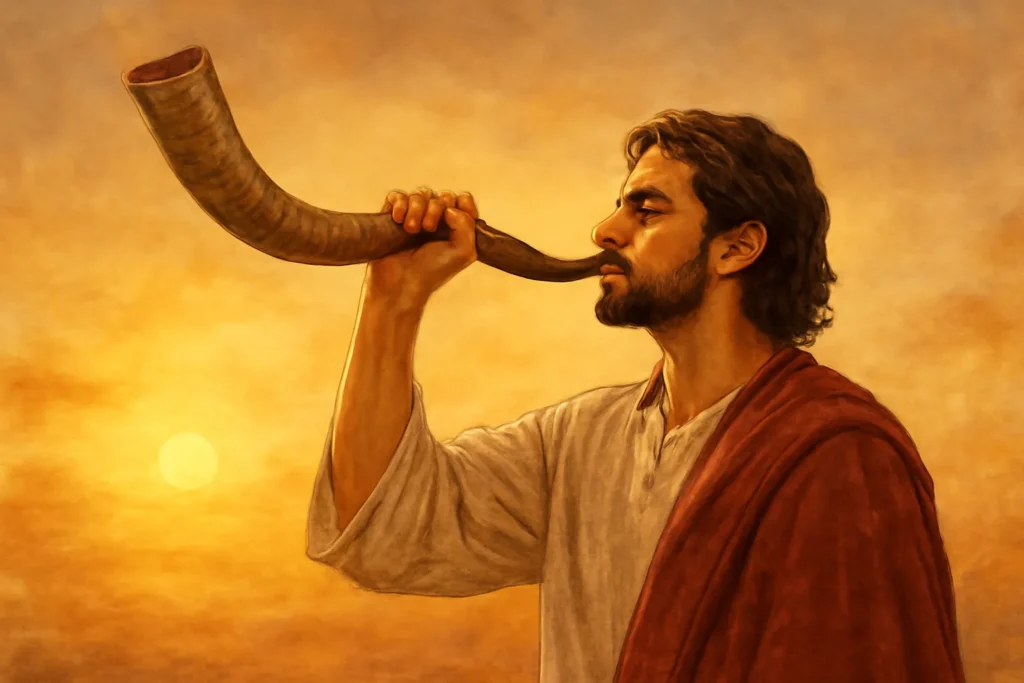
The primary focus of the Feast of Trumpets is wakefulness and renewal. Central to this day is the commandment to hear the blasts of the shofar, a ritual gesture that calls for introspection, repentance, and spiritual readiness for the year ahead.
Shofar blasts and liturgical moments
The ceremonial sounds of the shofar are not mere musical notes; they function as a call to attention and a reminder of accountability. The standard sequence often includes:
Tekiah – a long, clear blast signifying an undivided, complete awakening.
Shevarim – a series of broken sounds symbolizing lament and reflection.
Teruah – a rapid, staccato sequence inviting urgent contemplation.
Tekiah Gedolah – a concluding, extended blast that caps the day with clarity and resolve.
In many communities, the shofar performance during the services is a focal point, with congregants listening intently, drawing spiritual energy for the Ten Days of Repentance that follow Rosh Hashanah.
Liturgy, Prayers, and Spiritual Themes
The religious observance of the Feast of Trumpets 2026 features special prayers, blessings, and selichot (penitential prayers). The liturgy emphasizes themes of judgment, mercy, and the possibility of renewal:
Avinu Malkeinu recitations and other penitential supplications are common in the service.
Central readings often include passages about divine sovereignty, the sounding of the shofar, and the call to repentance.
The Tashlich ceremony, an optional practice on the afternoon of the first day or later, invites participants to symbolically cast away sins in flowing water.
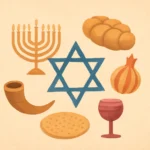
One of the most recognizable aspects of the Feast of Trumpets is the pairing of sacred moments with traditional foods that symbolize sweetness, renewal, and a good year ahead. Common customs include:
Apple dipped in honey and other sweet fruit dishes to express the wish for a sweet new year.
Pomegranate as a symbol of fruitfulness and blessings (the many seeds are a reminder to fulfill mitzvot).
Round challah to symbolize the cyclical nature of the year and continuity.
Fish heads or other dishes that evoke the sentiment of “leading” the new year, often accompanied by blessings for leadership in the community or family life.
In some communities, meals may also include symbolic symbolic foods chosen to reflect personal or family aspirations for the year ahead. The goal is to blend reverence with warmth, creating a nourishing atmosphere for both soul and body.
Traditions Across the World: Variations and Celebrations
While the central ritual—the shofar—is shared, Jewish communities around the world adapt the celebration to their own contexts. Here are a few notable variations you might encounter:
Diaspora observances often span two days, Monday and Tuesday, with synagogue services and home rituals that mirror the prayers and customs described above.
Israel and some communities generally observe a single day of Rosh Hashanah, focusing the liturgy and the meal on a single, intimate gathering on the first day.
In some locales, blowing before dawn and after the main services is a sentimental practice used to awaken the community to the new year’s possibilities.
Practical Guides: Celebrating the Feast of Trumpets 2026 at Home
For families and individuals who want to observe the holiday without traveling to a synagogue, the home can become a meaningful sanctuary for renewal and reflection. Here is a practical framework for a home-centered celebration:
Set up a quiet space with candles, a shofar (or a recording if you do not own one), and a small table that can hold symbolic foods.
Plan a short ceremony that includes a candle lighting, a family blessing, and a moment of silent reflection on personal growth for the coming year.
Read excerpts from liturgical texts or poetry about renewal, hope, and mercy. If you have a siddur or a family prayer book, select prayers that resonate with your household.
Sound the shofar if you have access to one. If not, you can use a virtual or audio recording to accompany your reflections.
Share symbolic foods such as honeyed apples, pomegranates, and round challah, explaining the meanings to children and guests.
Discuss intentions as a family, writing down one personal goal or act of kindness you want to carry into the year ahead. Place the note in a prominent spot as a reminder.
Schools, Communities, and Youth: Engaging Older and Younger Participants
The Feast of Trumpets 2026 offers opportunities for education, intergenerational learning, and community service. Schools and youth groups may incorporate:
Storytelling sessions about the themes of judgment, mercy, and renewal.
Hands-on projects like making round challah or starting a small charity drive to emulate the spirit of teshuvah (repentance and atonement).
Creative arts activities focusing on the themes of the year ahead—music, poetry, or visual arts inspired by the shofar’s calls to awakening.
Planning for the Ten Days of Repentance
The period that begins with Yom Teruah leads into the Ten Days of Repentance, culminating in Yom Kippur. If you are preparing for this broader season, consider these suggestions:
Set aside time for personal introspection and confession in a format that suits your beliefs—journal prompts, or a family discussion about personal growth.
Engage in acts of kindness (gemilut hasadim) to enact the spirit of mercy that characterizes the season.
Plan charitable activities or volunteer experiences for the High Holiday period to translate intention into action.
Connecting with Local Communities: Synagogues, Dates, and Etiquette
Beyond the home, many people participate in services at a synagogue or community center. When attending a service for the Feast of Trumpets, some practical notes:
Be mindful of the dress codes that may be observed by the congregation—some communities favor formal attire, while others are more casual.
Arrive early to acclimate to the acoustics, the shofar sounds, and the order of prayers.
Consider purchasing or borrowing a prayer book (siddur) appropriate for the High Holiday season to follow the cadence of the liturgy.
Words of Blessing and Greeting
A common social custom around the Feast of Trumpets is offering well-wishes for the coming year. Phrases include "L’Shanah Tova Tikatevu" (May you be inscribed for a good year) and "Shanah Tovah" (a good year). Sharing these greetings can deepen the sense of community and mutual support that defines the season.
Glimpses of the Year Ahead: Personal and Communal Goals
The spirit of renewal invites both individuals and communities to articulate goals for the year ahead. Some ideas:
Commit to learning more about Jewish history, culture, and ritual practices.
Commit to acts of justice and charity, elevating compassion in daily life.
Enhance family rituals by creating a new annual tradition that reinforces shared values.
Frequently Asked Questions about the Feast of Trumpets 2026
What is another name for the Feast of Trumpets?
The holiday is also called Rosh Hashanah and Yom Teruah, the Day of the Blasts of the Shofar.
Is the Feast of Trumpets celebrated for one day or two?
Traditionally, two days are observed outside Israel, while many Israelis observe a single day. Always verify with your local community calendars.
What foods are typical for the feast?
Common items include apples dipped in honey, pomegranate, round challah, and symbolic dishes that express blessings for the year ahead.
What is the significance of the shofar?
The shofar serves as a wake-up call to repentance and spiritual renewal, echoing through the services and inspiring reflection.
Resources for Further Learning
If you want to deepen your understanding of the Feast of Trumpets and the broader High Holiday season, consider exploring:
Introductory guides to Yom Teruah and Rosh Hashanah for beginners.
Textual explorations of the Ten Days of Repentance and the spiritual themes of renewal.
Local synagogue or community center programs that offer workshops, family activities, and musical performances related to the holiday.
Final Reflections: Making the Feast of Trumpets 2026 Meaningful
Whether you approach this autumn festival as a deeply religious observance or a cultural tradition, the core ideas of reflection, repentance, and renewal are broad enough to resonate across backgrounds. The Feast of Trumpets 2026 invites everyone to pause, listen to ancient calls to conscience, and embark on a path toward a more compassionate and intentional year. By combining reverent liturgy, meaningful meals, and intentional acts of kindness, the holiday can be a catalyst for personal transformation and communal solidarity.




Leave a Reply