Introduction: The Nativity Scene Advent Calendar as a Christmas Countdown
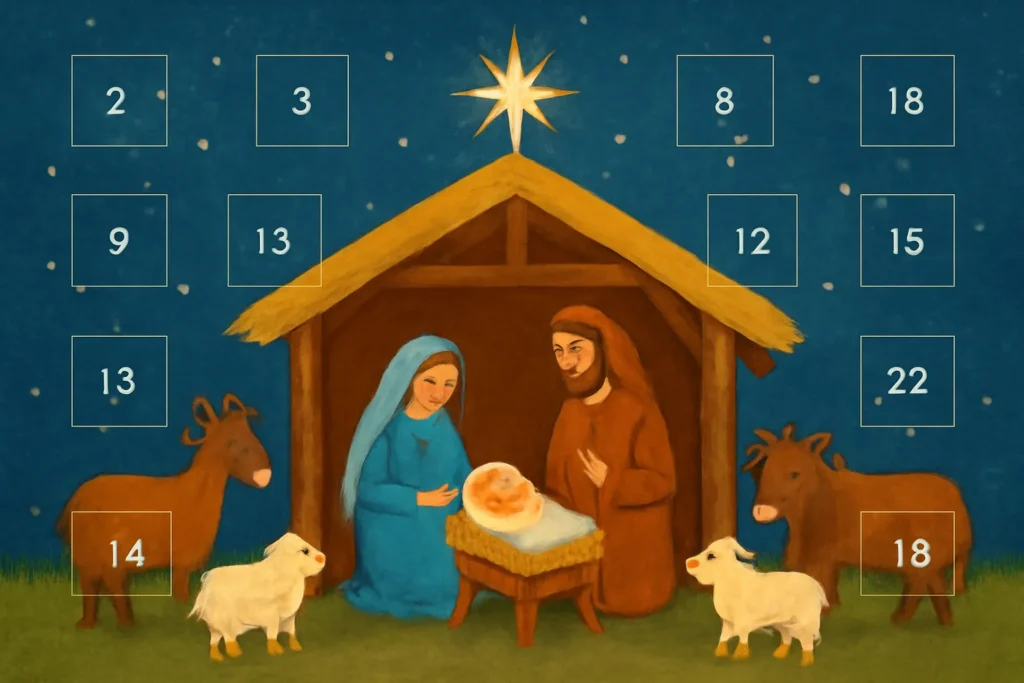
As the holiday season arrives, families search for meaningful ways to celebrate the days leading up to Christmas. A nativity scene advent calendar offers a timeless approach that blends the joy of anticipation with the reverence of the Christmas story. Rather than a generic countdown of little treats or trinkets, this approach centers on a miniature nativity display—a tiny, evolving tableau that grows as the days pass. A well-made Nativity Advent Calendar can become a cherished annual tradition, a keepsake for generations, and a tactile reminder of the gratitude, hope, and wonder that define the season.
The idea is simple but powerful: each day of Advent, a new piece of the scene is revealed or added, gradually forming the complete nativity picture from the Annunciation and the journey to Bethlehem to the manger, the shepherds, the angels, and beyond. The nativity scene countdown calendar invites families to slow down, to reflect, to discuss the characters and symbols of the nativity, and to translate ancient stories into personal meaning in the present moment.
What is a Nativity Scene Advent Calendar?
A nativity advent calendar is a calendar that centers around a portable or modular nativity display. Instead of revealing a chocolate or toy every day, it reveals a figurine, a backdrop piece, a story card, a jewel-tone token, or a symbolic prop that advances the nativity narrative. Over the course of Advent (typically December 1 through December 24 or 25), families add pieces to the scene in a deliberate sequence, often mirroring the biblical sequence or a thematic journey through the Christmas narrative.
The variety of designs is broad, but the core idea remains the same: transform the countdown into a learning experience, a devotional routine, and a visual reminder of the season’s core message. When well planned, the advent calendar nativity display becomes more than a decorative object; it becomes a storytelling instrument—one that invites conversation, gratitude, and shared anticipation.
History and Tradition
The concept of Advent calendars traces back to 19th-century Germany and has since become a staple in many Christian households around the world. Early calendars often involved chalk marks on doors or simple devotional practices. Over time, consumer products expanded the idea into door-based calendars with small treats behind each window. A nativity scene advent calendar is a natural evolution of this tradition, merging the festive countdown with a sacred depiction of the nativity narrative.
The evolution of nativity-themed calendars aligns with a broader cultural interest in making religious stories accessible to families, including children. By integrating a creche advent calendar or a fabric nativity calendar, makers offered tactile, durable, and child-friendly options that can be used year after year. Modern adaptations also reflect a renewed interest in storytelling, artful design, and sustainable materials, while preserving the core intention: guiding families through Advent with intention, beauty, and shared meaning.
Types of Nativity Scene Advent Calendars
Traditional Wooden Nativity Calendars
A classic option uses wooden pieces that fit into a small shelf, stand, or backdrop. The pieces typically consist of figures (Mary, Joseph, Baby Jesus, shepherds, wise men, animals, angels) and architectural elements (stable, manger, palm trees, star). Some wooden sets are designed to be assembled and disassembled daily, while others simply reveal a new piece that sits on a fixed stage.
Durability and heirloom quality: Wooden parts can endure decades if stored properly, making them a family treasure.
Simple maintenance: Wipe clean and reassemble as needed; minimal repairs are usually necessary.
Timeless aesthetic: The natural textures of wood complement many home décors—from rustic to modern.
Fabric, Felt, and Plush Nativity Calendars
For a softer, child-friendly approach, fabric-based calendars use felt or plush figures that either attach to a fabric backdrop or nestle into a dedicated layout. These are particularly appealing for younger children who enjoy tactile experiences and soft textures. They can be hand-sewn or machine-produced, and some designs incorporate pockets or Velcro attachments to create daily reveals.
Safe for little ones: Avoid small, hard components; choose soft, washable materials.
Studio or at-home crafting opportunities: Great for a family craft day to sew or assemble your own pieces.
Customizable: Easily personalized with fabric paints, embroidery, or patches to reflect family heritage or seasonal motifs.
Digital or Interactive Nativity Calendars
In the digital era, interactive calendars blend physical displays with apps, QR codes, or augmented reality experiences. A digital nativity advent calendar might present daily prompts, lessons, or virtual scenes that accompany the physical pieces, or it could be entirely virtual with downloadable printables that complement a home display.
Versatility: Daily prompts can be customized to different age groups or faith traditions.
Accessibility: A digital companion can be shared across devices, making it easier for blended families or long-distance relatives to participate.
Educational value: The calendar can include scriptures, prayers, or reflective questions connected to the nativity story.
DIY and Custom Creche Sets
A do-it-yourself nativity calendar gives maximum control over design, materials, and meaning. DIY sets can range from simple cardboard cutouts with a backing to more elaborate constructions using reclaimed wood, crocheted characters, or hand-painted scenes. Crafting your own calendar adds a layer of intention and can be an annual bonding project for families.
Creative collaboration: Involve kids in planning, cutting, painting, and placement to deepen engagement.
Cost control: DIY projects can be budget-friendly and adaptable to what you already own.
Teach practical skills: Painting, sewing, routing, or gluing provide learning opportunities alongside the narrative.
Materials and Construction Considerations
When selecting or designing a nativity scene advent calendar, the materials and construction matter almost as much as the storytelling. Durability, safety, display space, and environmental impact are all worth weighing. Here are some practical considerations to guide your choice.
Durability: If you want a lasting heirloom, choose sturdy materials such as wood, high-quality felt, or heavy cardstock with protective coatings.
Safety: For children under the age of three, avoid small parts that could be a choking hazard. Look for pieces that are either large enough or securely attached.
Storage: Consider how you will store the pieces after Christmas. A clamshell box, a fabric bin, or a dedicated storage tin will help preserve colors and shapes.
Size and scale: Ensure the calendar fits your display space and that pieces are appropriately scaled to one another for visual harmony.
Maintenance: Some fabrics require gentle cleaning; wooden pieces may benefit from a light oiling to prevent cracking or warping.
Eco-friendliness: If sustainability matters, seek local artisans, responsibly sourced wood, natural fibers, or recyclable packaging.
Buying Guide: What to Look For
If you’re shopping for a nativity calendar this season, use this practical checklist to choose a model that best fits your family’s needs.
Theme alignment: Decide if you want a strictly traditional nativity story, a simplified scene, or a modern interpretation that adds non-biblical elements (like the Star of Bethlehem or angels with inclusive representations).
Number of pieces: Some calendars reveal a new piece every day, while others progress in larger steps (e.g., weekly reveals). Make sure the pace aligns with your Advent observances.
Age appropriateness: For households with young children, look for larger pieces and fewer small components.
Display options: Consider whether the calendar stands on a shelf, hangs on a wall, or folds into a portable display for travel or visiting relatives.
Visual style: Whether you prefer rustic, minimalist, ornate, or cartoonish art, select a design that resonates with your home’s aesthetics.
Maintenance needs: Some calendars require seasonal setup and annual storage prep; others are low-maintenance but may have more fragile bits.
Budget: Prices vary widely. A handmade DIY calendar can be more economical but demands time; factory-made pieces may cost more but offer consistent quality and guarantees.
Story depth: If your goal is devotional depth, look for calendars that include a short scripture, reflection, or prompt with each piece.
Personalization options: Some sets offer customization—names, family portraits, or local cultural motifs—that add personal meaning.
DIY Nativity Scene Advent Calendar Ideas
A DIY approach lets you tailor a nativity advent calendar to your family’s values, space, and budget. Here are several robust ideas you can adapt, whether you want a hands-on weekend project or a longer, year-round craft plan.
Idea 1: Wooden Block Nativity Calendar
Build a simple display using untreated wooden blocks. Carve or paint silhouettes of the Nativity characters onto individual blocks. On each day of Advent, place a block on the display to gradually build the scene.
Supplies: wooden blocks, non-toxic paint or stain, brushes, sealant, a backing board or shelf.
Process: sand blocks, paint figures, assign each day’s piece, seal for longevity.
Tip: incorporate small, hidden messages or Bible verses on the back of blocks for a daily devotional reveal.
Idea 2: Felt Board Nativity Calendar
Create a felt-backed board with Velcro-attached figures. Daily reveals are achieved by adding new pieces to the board. Felt pieces are soft, safe for children, and easy to replace or patch.
Supplies: felt sheets, fabric scissors, Velcro, a sturdy backing (foam board or cork), glue appropriate for fabric.
Process: design a broad stable scene, cut figures, apply Velcro, and plan a sequence of characters to reveal.
Tip: incorporate interchangeable backgrounds (stable, night sky, temple) to extend storytelling possibilities.
Idea 3: Cardboard or Printable Nativity Calendar
For a budget-friendly option, use repurposed cardboard and printable templates. Each day reveals a new printable piece or a small three-dimensional element built from cardboard.
Supplies: cardboard, printouts of nativity elements, scissors, glue, optional paint.
Process: print daily pieces, cut, fold or assemble, mount on a reusable display.
Tip: add a QR code on a card that links to a brief devotional or a family reflection video.
Idea 4: Textile Blanket Nativity
For a cozy, heirloom-quality piece, sew a blanket or banner that features outlines of nativity characters. Use pockets or small removable patches that reveal daily figures or phrases.
Supplies: natural or recycled fabrics, embroidery thread or appliqué materials, stuffing as needed, needles or sewing machine.
Process: design a large scene, sew patches for daily reveals, add a backing and finishing edging.
Tip: teach children basic sewing skills by letting them stitch simple figures or borders.
A nativity calendar is most meaningful when paired with a daily devotional practice. Here are practical methods to integrate scripture, prayer, and reflection into the countdown.
Daily scripture pairing: pair each day’s piece with a short verse or story excerpt that connects to the day’s reveal. For example, place a shepherd on December 5 and couple it with Luke 2:8–12.
Reflection prompts: after revealing a piece, discuss a prompt such as “What does this figure teach us about faith, hope, or generosity?”
Family prayer moments: use the daily reveal as a springboard for a short family prayer focused on gratitude, peace, or service.
Advent virtues: align each piece with a virtue (humility, hospitality, charity, mercy) and encourage acts that reflect that virtue.
Story sequencing: if you follow the biblical order, ensure the sequence starts with the Annunciation or the journey to Bethlehem and ends with the nativity scene and the adoration of the shepherds and wise men (as culturally appropriate for your tradition).
Thematic Variations and Modern Spins
While the classic nativity theme remains central, designers and families experiment with variations that reflect inclusivity, global cultures, and contemporary values. Here are some recognizable variations you might encounter or consider when choosing a calendar.
Inclusive and Diverse Nativity Scenes
Modern calendars may feature diverse figures and inclusive stories while preserving the core symbolism. This can include varied cultural representations of Mary and Joseph, diverse shepherds, or animals from different habitats. A thoughtful inclusive nativity calendar enriches discussion about universality and welcome.
Conversation starters: use the diversity of figures to discuss why hospitality matters and how different communities approach Advent.
Artistic texture: varied skin tones, fabrics, and adornments add depth and beauty to the display.
Global and Cultural Infusions
Some calendars incorporate elements from cultures that celebrate Advent and Christmas in unique ways. This can include additional symbols (e.g., lunar calendars, regional storytelling motifs) that broaden understanding of the season’s global reach.
Educational value: children learn that Christmas traditions appear in many places, not just one geography.
Respectful representation: when presenting cultural motifs, ensure accuracy and sensitivity to faith practices.
Nature, Light, and Night Sky Motifs
A nature-focused or celestial nativity calendar emphasizes creation, light, and the wonder of the night sky. Elements such as stars, constellations, camels traversing a desert night, or trees in winter can accompany the standard nativity figures.
Symbolic depth: lights or stars draw attention to the guiding light motif that anchors Advent.
Some families integrate acts of service into the Advent calendar. For example, a daily reveal may be paired with a small family mission—donating food, volunteering, or offering a family blessing to someone in need.
Practical impact: the calendar becomes a prompt to translate faith into action during the Advent season.
Age-appropriate service: choose age-appropriate tasks, such as making cards for neighbors, baking for a local shelter, or collecting supplies for a charity drive.
Care, Storage, and Longevity
A nativity calendar is an investment in family memory. Proper care and thoughtful storage help ensure that the calendar remains functional and beautiful year after year.
Cleaning: wooden pieces can be wiped with a damp cloth and dried; fabrics may require gentle hand washing or spot cleaning.
Dry storage: keep pieces in a dry, cool place to prevent mold or warping. Use silica gel packs if humidity is a concern in your region.
Labeling: store daily piece numbers with the components so you can reassemble the scene in the correct order next year.
Repairs: minor fixes—re-gluing a loose tab or repainting a chip—can extend the life of wooden or fabric pieces.
Seasonal transition: consider retiring a year or two for restoration before returning it to service in upcoming seasons, especially if pieces show wear.
Integrating with Family Traditions and Devotions
The beauty of a nativity calendar lies in its flexibility. You can embed it within existing family rituals or craft a new routine around it. Here are some practical approaches to ensure that the calendar enhances your Christmas traditions rather than just filling a shelf.
Story-first approach: begin Advent with a short family reading about the nativity, then reveal the day’s piece and discuss its significance.
Prayer and gratitude: after each daily reveal, offer a quick gratitude moment—what you’re thankful for today, and how you can share that gratitude with others.
Educational threading: link the nativity calendar to a broader learning plan—cultural history, biblical literacy, or art appreciation—through short, age-appropriate lessons.
Intergenerational engagement: invite grandparents or extended family to add a piece during a video call, preserving connection across distances.
Seasonal storytelling: use the calendar as a launching pad for a home-made Advent or Christmas story that evolves each year.
Practical Tips for Display and Setup
The right display can transform a nativity advent calendar into a focal point of your living space. Consider the following practical tips to maximize impact and ease of use.
Choose a prominent location: place the calendar where it is visible to daily visitors and accessible for family members to interact with during Advent.
Background enhancement: craft a simple backdrop—a painted night sky, a manger scene, or a soft textile gradient—to create a cohesive stage for the pieces.
Lighting: soft, warm lighting can accentuate the pieces and create a contemplative mood, especially in evening moments.
Clear labeling: number or sequence each piece clearly to help children learn ordering and to prevent misplacement.
Rotation and rotation safety: if pieces are displayed on shelves, ensure the display is stable and not prone to tipping; grandchildren or pets should be kept in mind for safety.
Seasonal Adaptations and Longevity
A nativity scene advent calendar is versatile beyond the Christmas season. You can adapt its structure for other holidays or annual milestones, preserving the concept of a countdown that builds toward a meaningful culmination.
Post-Christmas storage: after Christmas, store the pieces in a way that protects them from sun damage and moisture, so that the colors remain vibrant for the next year.
Off-season display: keep a smaller, more concise version or a reduced set on display year-round to remind the family of the ongoing narrative.
Anniversary editions: in some families, a related calendar is created each year, reflecting the year’s events or family memories, while keeping the same core nativity theme.
Frequently Asked Questions
What is the best material for a nativity advent calendar?
The best material depends on your priorities: durability, budget, and aesthetics. Wood offers heirloom quality and a classic look; fabric or felt is child-friendly and washable; cardboard or printable options are budget-friendly and customizable. For sustainability-minded households, look for recycled materials, responsibly sourced wood, and low-toxicity paints or dyes.
How do I choose the right size for my space?
Measure your display area before shopping or crafting. Consider a calendar that fits on a mantel, a dedicated shelf, or a wall-mounted backdrop. If space is limited, opt for a compact calendar with smaller figures or a vertical layout that can be hung mid-wall without occupying floor space.
Should the pieces be religiously exact to scripture or allow for artistic interpretation?
This depends on your family’s tradition and comfort level. Some calendars adhere strictly to biblical sequencing and characters, while others use artistic or culturally adapted representations to convey the spirit of the story. It’s possible to strike a balance by keeping essential elements (the nativity scene in the manger) central while allowing artful interpretation in the surrounding figures or backdrop.
Can I incorporate gifts into a nativity calendar?
If you wish, you can combine the countdown with small, age-appropriate gifts placed in pockets or behind doors. However, many families prefer to keep the focus on the narrative and devotional practice, reserving any gifts for other Advent activities outside the calendar.
What if I have a child with sensory sensitivities?
Choose a calendar with low-noise, large pieces, and soft textures. Avoid tiny parts that could be choking hazards, and consider fabric or felt pieces with minimal texture changes. Create a quiet, predictable routine to help the child feel secure during the daily reveals.
Conclusion: Embracing the Nativity Scene Advent Calendar as a Christmas Countdown Guide
A nativity advent calendar is more than a decorative object; it is a purposeful tool for guiding families through Advent with intention, storytelling, and shared quiet moments. Whether you select a traditional wooden set, a cozy fabric calendar, a digital companion, or a hands-on DIY project, the core value remains the same: use the countdown to slow down, reflect on the Christmas story, and cultivate qualities such as generosity, gratitude, and wonder in daily life.
In a world filled with busy schedules and constant distraction, the nativity scene advent calendar invites families to come together, to discuss meaningful questions, and to celebrate a season of light. By choosing a design that resonates with your home’s aesthetics and faith practices, and by pairing it with thoughtful daily devotions, you create a durable, joyful tradition that can be passed down through generations. Whether you call it the creche advent calendar, the Nativity Advent Calendar, or simply a Christmas countdown with a holy heart, this practice centers on what truly matters during the days leading to Christmas: the arrival of hope into the world and the bonds that tie us together as a family.









Leave a Reply