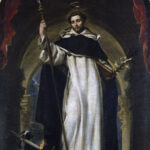
🖨️ You can print your free prayer card at the bottom of this pageGo to print →
Discover the life and legacy of Saint Bede the Venerable, a remarkable figure in Christian history and scholarship. His contributions continue to inspire many today.
Canonized by the Catholic Church in the 8th century
Religious order
Benedictine
Biography of Saint Bede the Venerable
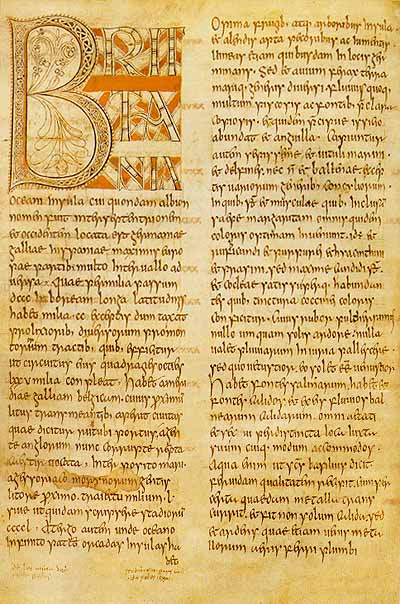
Saint Bede the Venerable, born in 673 AD in England, is renowned as one of the greatest scholars of the early Middle Ages. He spent his life in the monastic community of Jarrow, where he dedicated himself to the study of the Scriptures and the history of the Church. His most famous work, the Historia ecclesiastica gentis Anglorum, provides a detailed account of the history of England from its earliest days up to his time. Bede was not only a historian but also a theologian, poet, and scientist who made significant contributions to various fields of knowledge. Throughout his life, Bede was known for his piety and dedication to God, often spending long hours in prayer and reflection. He was deeply respected by his contemporaries and was considered a living saint even before his canonization. Bede’s writings were characterized by their clarity and depth, making complex theological concepts accessible to the average reader. Despite facing challenges, including limited resources and the tumultuous political landscape of his time, Bede’s contributions flourished. He was a pioneer in the use of dates in historical writing, and his work laid the groundwork for future historians. His influence extended beyond his own time, impacting generations of scholars and laypeople alike. Bede passed away on May 26, 735 AD, and his legacy continues to be celebrated within the Church. He was canonized in the 8th century, and his feast day is observed on the anniversary of his death. His dedication to learning and faith serves as a model for all who seek to understand and deepen their relationship with God.
One notable miracle attributed to Saint Bede occurred shortly after his death. It is said that a blind man was miraculously healed while praying at Bede’s tomb, restoring his sight and faith. Another miracle involved a woman who was suffering from a debilitating illness. After invoking Bede’s intercession, she experienced a sudden and complete recovery, which many attributed to the saint’s miraculous powers. These miracles highlight Bede’s enduring influence and the belief in his intercession among the faithful.
Legacy and influence
Saint Bede’s legacy continues to resonate today, particularly in the fields of history and education. His meticulous approach to historical documentation set a standard for future historians, and his works remain essential reading in theological studies. Moreover, Bede’s influence extends into popular culture, with his life and writings inspiring countless books, films, and academic discussions, ensuring that his contributions are never forgotten.
💡 Did you know? A fascinating fact about Saint Bede is that he was the first to use the term ‘AD’ (Anno Domini) in historical writing, marking the years since Christ’s birth.
Prayer to Saint Bede the Venerable
O glorious Saint Bede, you who illuminated the Church with your wisdom and faith, intercede for us that we may grow in knowledge and holiness. Help us to follow your example in our studies and prayers. Amen.
Novena to Saint Bede the Venerable
Day 1
Day 1: As we begin this novena, let us reflect on the life of Saint Bede. His dedication to learning and faith inspires us to seek knowledge in our own lives.
Day 2: Today, we focus on Bede’s contributions to history. His meticulous writings remind us of the importance of preserving our own stories and heritage.
Day 3
Day 3: In this prayer, we ask for Bede’s intercession. May we emulate his commitment to the truth and strive to live a life of integrity.
Day 4
Day 4: Let us honor Bede’s love for Scripture. May we deepen our understanding of God’s Word and apply it to our daily lives.
Day 5
Day 5: Reflecting on Bede’s humility, we ask for the grace to remain humble in our pursuits and to serve others with love.
Day 6
Day 6: As we pray, let us remember Bede’s commitment to prayer. May we cultivate a spirit of prayerfulness in our own lives.
Day 7
Day 7: We seek Bede’s guidance in our studies. May we approach our learning with curiosity and a desire for truth.
Day 8
Day 8: In this final week, let us prepare our hearts. Anticipate the blessings that will come from our devotion to Saint Bede.
Day 9
Day 9: On this final day of our novena, we give thanks for Saint Bede’s life. May his example inspire us to live fully in faith, serving God and others with joy and diligence. Amen.
Frequently asked questions about Saint Bede the Venerable
What is Saint Bede known for?
Saint Bede is known for his contributions to history, particularly his work ‘Historia ecclesiastica gentis Anglorum.’

 Por Mario Acevedo