Old Testament Women | Women of Prophets | Biblical Figures
Huldah: The Prophetess and Keeper of God's Word in the Bible
📅 7th century BCE (late Iron Age, during reign of King Josiah of Judah) · 📜 Huldah’s name means 'Weasel' or 'Maiden' in Hebrew, symbolizing agility or youthfulness, possibly reflecting her lively spirit or status.
HuldahProphetsWomen in the BibleOld Testament
Thus says the LORD, the God of Israel: tell the man who sent you to me, ‘Behold, I will bring disaster upon this place and its inhabitants, all the words of the book that the king of Judah has read, because they have forsaken me and have made offerings to other gods, provoking me to anger— and because of all the other works of their hands. Therefore my wrath will be kindled against this place, and it will not be quenched. But to the king of Judah, who sent you to inquire of the LORD, thus shall you say to him, ‘Thus says the LORD, the God of Israel: Because your heart was penitent, and you humbled yourself before the LORD when you heard how I spoke against this place and against its inhabitants—that they should become a desolation and a curse—and because you have torn your clothes and wept before me, I also have heard you,’ declares the LORD.”— 2 Kings 22:17-19
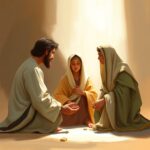
Huldah emerges prominently during the reign of King Josiah of Judah, around 640-609 BCE. When the Book of the Law was discovered during temple refurbishment, the high priest Hilkiah consulted her for prophetic counsel. Recognized as a prophetess, Huldah delivered a divine message confirming God's judgment of judgment on Jerusalem's disobedience but also offering hope for restoration. Her affirmation played a crucial role in shaping King Josiah’s religious reforms, inspiring widespread repentance and the renewal of covenant practices. Despite the limited biblical details, Huldah's authoritative voice underscores the vital role women held as custodians and conveyors of God's word, especially in significant national moments. Her story highlights her spiritual authority and influence, affirming that women, too, served as key figures in God's divine plan. She exemplifies faithfulness, wisdom, and courage, standing as a testament to women’s vital spiritual roles in biblical history.
In ancient Israel, women’s roles were generally centered around family, but prophetesses like Huldah held revered positions when it came to spiritual and prophetic matters. Women who served as prophetesses or spiritual advisors were respected for their divine insight and piety, often occupying roles that intersected with religious leadership. During the late 7th century BCE, Jerusalem experienced religious upheaval and reform, especially under King Josiah, who sought to purify worship practices. The presence of prophetesses was culturally accepted, and their messages carried divine authority. Huldah’s role as a prophetess demonstrates that women could serve as spiritual authorities, particularly in moments demanding divine guidance, reflecting a nuanced understanding of gender and spiritual authority in ancient Israelite society.
👨👩👧 Family Connections
Her immediate family is not detailed in the Bible; she was likely part of the religious elite or a respected woman in Jerusalem, serving in a prophetic or advisory role.
✨ Character Traits
WisdomFaithfulnessCourageAuthority
⛪ Theological Significance
Huldah’s story underscores the vital role of women as carriers and messengers of God’s word, emphasizing that divine approval transcends gender. Her prophetic affirmation validated the spiritual reforms of King Josiah and reinforced that God's communication could come through women, challenging conventional gender roles. She exemplifies the continuity of divine revelation and highlights God's use of diverse individuals to accomplish His salvation plan. Her role affirms that faithfulness and divine calling can elevate women to positions of spiritual authority, contributing to the broader narrative of God's active engagement with His people. Huldah’s prominence exemplifies the inclusiveness of God's covenant community and affirms that genuine spiritual leadership stems from divine appointment rather than societal status.
Women can serve as powerful instruments of God’s truth and leadership, just as Huldah did. Recognizing and valuing women’s spiritual gifts can strengthen faith communities.
📖 Lesson 2
Listening to divine guidance requires humility and courage, especially when delivering or receiving difficult messages. Huldah’s example encourages boldness in faith.
📖 Lesson 3
Remember that God’s calling is inclusive and can manifest through unlikely individuals. Trust in God’s divine plan regardless of societal expectations.
🔗 Connections to Other Biblical Women
Huldah’s role as a prophetess can be contrasted with other biblical women prophets like Miriam or Deborah, who also held leadership roles. Unlike some women whose influence was primarily familial or devotional, Huldah’s prophetic voice was directly authoritative in national affairs. Her story complements themes of women’s spiritual authority shared by other female figures in the Bible, illustrating that divine calling transcends gender boundaries and societal expectations. Like Esther or Anna, she exemplifies women’s capacity to impact God's plan through courage and faithfulness.
📜 Scripture References
Reference
2 Kings 22:14-20
2 Chronicles 34:22-28
❓ Frequently Asked Questions
Who was Huldah in the Bible?
Huldah was a prophetess during the reign of King Josiah of Judah, known for her authoritative prophetic counsel regarding the Book of the Law and God’s judgment (2 Kings 22:14-20).
What was Huldah’s role in King Josiah’s reforms?
Huldah confirmed the authenticity and divine origin of the Book of the Law found in the temple, which motivated King Josiah to implement religious reforms and renew covenant worship in Judah.
Why is Huldah considered significant in biblical history?
Huldah’s significance lies in her spiritual authority as a woman prophetess who validated divine revelation, encouraging national repentance and illustrating women’s vital role in God’s prophetic work.
✨ Did You Know?
Huldah's name, meaning 'Maiden' or 'Weasel,' is unique among biblical prophetesses. Her prominence in a male-dominated society highlights the exceptional divine calling and respect she earned as a spiritual authority in Jerusalem.

 Por Mario Acevedo