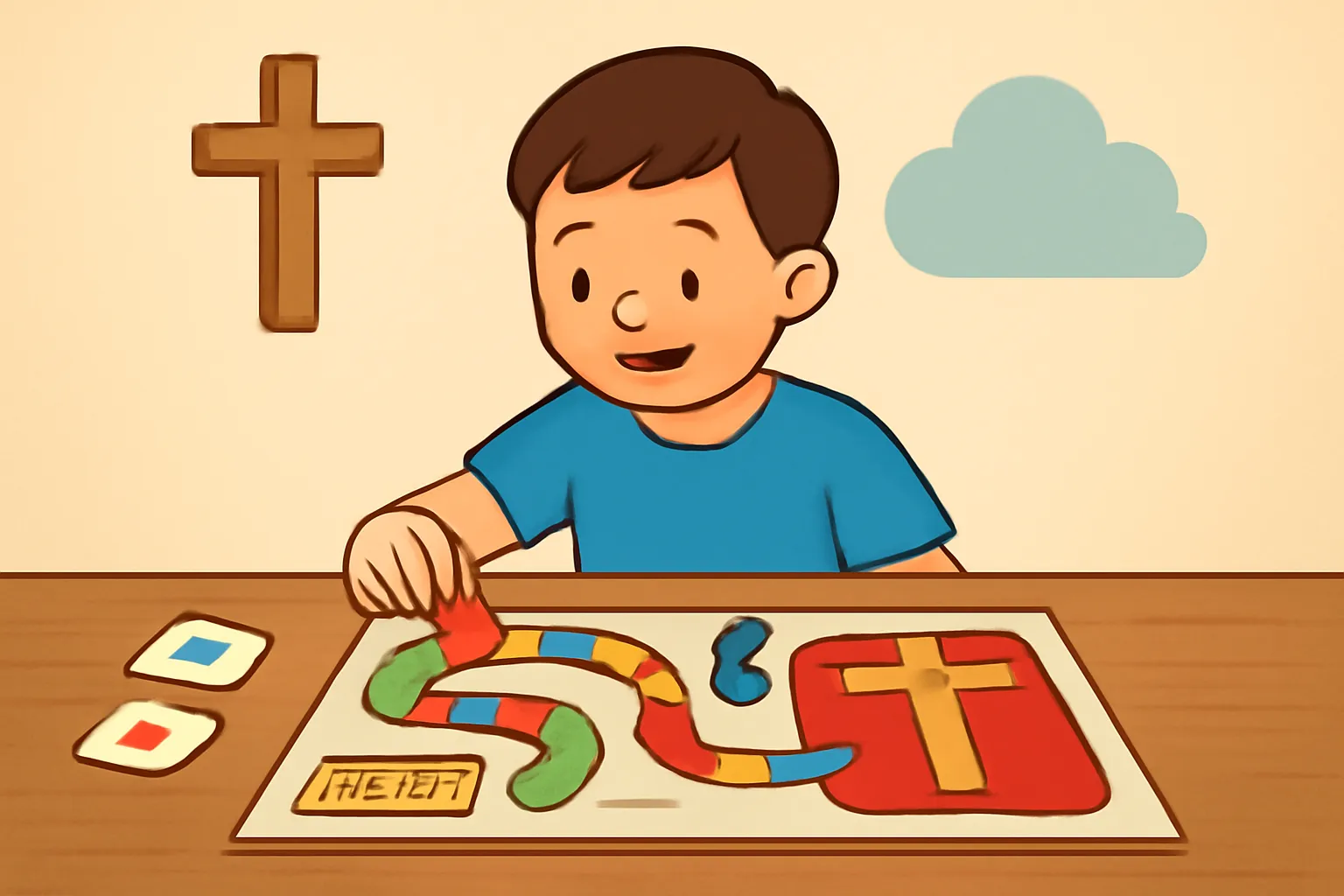
Christian Games to Play: Top Faith-Based Games for All Ages
Games have long been a way to learn, connect, and grow together. When these activities are built around shared beliefs and values, they become more than just leisure—they become opportunities for spiritual growth, scripture literacy, and family bonding. This article explores faith-based games that can be enjoyed by people of every age. Whether you’re planning a quiet at-home Bible night, a church group activity, or a lively family gathering, there are plenty of options that blend reliable spiritual content with engaging gameplay. Below you’ll find ideas, examples, and practical tips to help you choose the best options for your situation.
Choosing Christian games to play isn’t just about filling time. It’s about deliberately shaping moments where truth, community, and joy intersect. Good faith-based games:
Make learning about God fun and memorable, turning biblical content into hands-on experiences rather than abstract concepts.
Encourage family participation with activities that can be enjoyed by children, teens, and adults alike.
Foster teamwork and grace as players practice listening, patience, and respectful dialogue while competing or collaborating.
Support spiritual disciplines such as memory work, prayer, and biblical literacy in a relaxed, low-pressure setting.
Provide safe spaces for questions and discussion about faith, doubt, and everyday life through guided prompts and reflective activities.
When selecting age-appropriate and family-friendly titles, you’ll want to consider your group’s size, time constraints, and preferred format—board games, card games, video games, or outdoor/active games. The right mix can turn a regular evening into a memorable experience that reinforces beliefs while strengthening relationships.
Top Christian games for all ages: categories and examples
To help you navigate the wide world of faith-based entertainment, here are several categories with practical examples and how they work. Each entry emphasizes interactive gameplay, accessible content, and opportunities for discussion or reflection.
Preschoolers and early elementary audiences
Bible-themed memory and matching games: Simple matching, picture recall, and color-matching activities built around familiar Bible stories are perfect for younger children. They help with memory skills and introduce basic biblical concepts in a friendly, non-threatening way.
Verse-in-a-jar or verse-match activities: Put Bible verses on cards and have kids find the matching verse or assemble a verse based on a prompt. These games strengthen scripture recall and familiarization with well-known passages.
Coloring-and-activity bundles with devotional prompts: Short devotional reflections paired with coloring or sticker activities offer a gentle bridge to longer study later on.
Outdoor biblically themed scavenger hunts: Simple hunt games that lead kids to find items or clues tied to a Bible story encourage exploration, cooperation, and spiritual curiosity.
Elementary and middle school ages
Bibleopoly and Bible-themed board games: A blend of classic board-game mechanics with biblical trivia, story prompts, and character roles invites strategic thinking while reinforcing storylines from Scripture.
Bible trivia games: Quick-fire questions about people, places, miracles, and parables help with bible literacy and healthy competition. Use a timer to add excitement, or play in teams to emphasize collaboration.
Pictionary- or charades-style Bible games: Players act out or illustrate Bible terms, events, or characters while teammates guess. This builds communication skills and helps kids remember biblical facts in a playful context.
Bible scavenger hunts for families: Clues rooted in Scripture lead players to locations or objects around the home or church campus, weaving physical activity with biblical storytelling.
Video games with faith-based themes: Some video games incorporate stories, choices, and characters that align with Christian values, offering engaging narratives that can spark conversations about morality, grace, and faith. A notable example is The Bible Game, a classic title that presents Bible trivia and story-driven challenges in an interactive format. When selecting digital experiences, look for content that emphasizes dialogue, reflection, and community.
Faith-forward party games and discussion-based card games: These formats invite teenagers to debate ethical scenarios, explore biblical perspectives, and articulate what they believe in a respectful, structured setting. They work well in youth groups or family gatherings where the goal is discernment and mutual understanding.
Escape-room style faith challenges:
These can be DIY or commercially produced experiences where teams solve biblical puzzles, unlocking a theme or a conclusion tied to Gospel messages. They promote problem-solving, teamwork, and spiritual reflection.
Story-driven faith adventures and role-playing activities can offer a space for teens to wrestle with real-life questions while staying rooted in Christian principles.
Adults and family teams
Classic faith-based board games like Bibleopoly or Bible-themed trivia and word games provide a structured, social experience where parents and older kids can engage in friendly competition while reviewing Scripture passages, memorizing verses, and learning from one another.
Apples to Apples with Bible or virtue prompts–style adaptations exist in many communities or can be created at home. These formats encourage thoughtful commentary, humility, and gracious listening during evaluating rounds.
Deck-building or card-based faith games often focus on virtues (patience, kindness, generosity) and biblical narratives. They’re ideal for smaller gatherings or extended game nights, providing avenues for meaningful discussion between rounds.
Family devotionals with game elements: A plan that alternates between play and reflection helps reinforce patterns of spiritual disciplines even on busy evenings.
Online, apps, and digital experiences
YouVersion Bible App and companion games: While primarily a digital scripture resource, many plans and activities include interactive prompts, memory challenges, and community features that make digital play part of spiritual practice.
Superbook and other faith-based apps: These apps extend biblical stories into interactive scenarios, games, and quizzes that are accessible for kids and families, offering a cross-media way to engage with Scripture.
Christian puzzle and adventure apps: Short, message-driven experiences can be a good bridge to longer study, especially for teens and young adults who enjoy mobile gameplay.
How to choose the right games for your group
Selecting top Christian games for any setting requires considering several practical factors. Here are guidelines to help you pick wisely:
Age range—Make sure the content is age-appropriate for everyone at the table or screen. Parental guidance may be needed for younger children and for topics that touch on complex moral questions.
Group size—Some games shine with larger groups; others are designed for small teams or one-on-one play. If you expect a mixed group, games that support multiple teams or modes are ideal.
Time limits—If you have a short window (60–90 minutes), choose simpler trivia, quick rounds, or a fast-paced party format. For longer sessions, consider a narrative-driven adventure or a multi-round board game.
Content balance—Look for games that emphasize positive virtues, biblical accuracy, and constructive dialogue rather than sensational or controversial themes that could distract from the purpose.
Difficulty and learning goals—Identify what you want players to learn or discuss: memory verses, story comprehension, ethical decision-making, or spiritual reflections.
Accessibility—Some games require language fluency, fast reading, or fine motor skills. Choose titles that are inclusive and can be enjoyed by participants with diverse abilities.
Reusability—Opt for games with durable components and replayable content to get longer value and multiple family or group interactions.
When in doubt, a good approach is to start with one or two family-friendly options and gradually expand your library based on feedback. You can mix heavier Bible study games with lighter party games to maintain balance and avoid fatigue during longer gatherings.
Hosting tips: organizing a successful Christian game night
Planning a game night with a faith-based focus is about more than just the rules. Here are practical steps to create meaningful, enjoyable experiences for everyone involved:
Set a clear purpose: Decide whether your goal is to memorize Scripture, deepen biblical understanding, or simply enjoy wholesome time together. Communicate this to participants so expectations are aligned.
Create a welcoming environment: Arrange comfortable seating, good lighting, and a space that invites conversation. Consider posters or prompts with Bible verses to frame the evening.
Provide guidance for discussions: After each round, ask open-ended questions such as, “What did that verse teach us about patience?” or “How would you apply this parable today?”
Rotate leadership: Encourage different adults to lead games or host discussions. This builds community leadership and gives everyone a voice.
Adapt to time constraints: If your group has younger children, plan shorter rounds with frequent breaks and kid-friendly games. For teens and adults, longer rounds with deeper discussion may be ideal.
Keep content respectful: Establish a tone of kindness, curiosity, and grace. Remind players that the goal is mutual edification, not winning at all costs.
Balance sacred and social moments: Start with a short prayer, offer a moment of gratitude, and close with a blessing or reflection to anchor the activity in faith.
Video and digital options: balancing screen time with faith formation
In the digital age, faith-based video games and apps can be valuable supplements to in-person activities. They offer interactive storytelling, quick trivia, and narrative-driven experiences that can be shared with family and friends. When incorporating online faith-based games into your routine, consider these strategies:
Pair a digital game with a group discussion afterward to translate in-game decisions into real-life applications.
Limit screen time and ensure content aligns with your family or church’s biblical values.
Use the game as a gateway to devotion—for example, follow a game session with a 10-minute meditative reflection on a verse or story highlighted in the game.
Choose apps that promote memory work and Scripture study, not just entertainment.
How to adapt games for different settings
One of the strengths of faith-based gaming is its adaptability. Whether you’re in a church classroom, a living room, or a campus lounge, you can tailor the experience for maximum impact. Here are some practical adaptations:
Sunday school modules: Use age-appropriate trivia rounds as a warm-up for lessons or to review Sunday’s message.
Church event activities: Set up multiple stations with different family-friendly games that emphasize teamwork and reflection, giving visitors a chance to engage with faith content in varied formats.
Home learning and devotions: Turn a Bible study into a game night by mixing a trivia game with discussion prompts and memory-verse challenges.
Community outreach: Host a trivia night or game night at the church with a brief gospel-centered message and prayer, inviting neighbors to participate in a welcoming, low-pressure setting.
While this article emphasizes broadly Christian-friendly experiences, it’s wise to consider denominational preferences and theological nuances within your group. Some families may want:
Scripture accuracy and interpretation in games that reference biblical events, parables, or commandments.
Faithful representation of biblical characters, avoiding stereotypes or oversimplifications that could lead to confusion.
Content sensitivity around topics like sin, grace, and salvation, ensuring the format remains age-appropriate and respectful.
Inclusivity for players with different levels of biblical knowledge, providing hints or optional prompts to keep everyone engaged.
Realistic expectations: what these games can and cannot do
Christ-centered games offer valuable avenues for learning and communal life, but they are not a substitute for the full scope of spiritual formation. Use these games as:
Supplemental tools to reinforce what you’re teaching in Bible study, worship, and prayer life.
Conversation starters that open doors for honest questions, doubts, and exploration of faith in a safe environment.
Joyful practices that model the Christian values of mercy, generosity, and laughter within a biblical worldview.
At the same time, be mindful that some games may emphasize competitive elements or content that isn’t suitable for all ages or belief backgrounds. It’s okay to skip rounds, adjust rules, or replace sections to preserve a healthy, respectful atmosphere.
Frequently asked questions about Christian games
What makes a game “Christian”? A game is typically considered Christian if it centers content on biblical themes, Christian virtues, or discipleship concepts and encourages reflection on faith in a constructive, non-coercive way.
Are these games appropriate for non-Christians? Many faith-based games are designed to be inclusive and enjoyable for players with different beliefs. Always screen content and adapt questions or prompts to foster a welcoming environment.
How can I measure spiritual value? Look for opportunities to discuss Scripture, memory work, character-building prompts, and moments for prayer or reflection after gameplay.
Closing thoughts: embracing joy and learning through faith-based play
Christian games to play—whether they’re board games, card games, video games, or outdoor activities—offer a vibrant complement to traditional study and worship. The right selection can:
Reinforce biblical literacy in engaging contexts.
Strengthen family and community bonds through shared experiences and collaborative goals.
accessible entry points for children, teens, and adults to discuss faith with curiosity and care.
grace, joy, and reflection meet, helping participants apply biblical truths to daily life.
If you’re ready to build a deeper, more intentional gaming routine, start small. Pick one activity that appeals to your group, set aside a regular time (weekly or biweekly works well), and invite feedback after each session. You’ll quickly discover how faith-based gaming can become a cherished habit that sustains and enriches your spiritual community.
For further exploration, consider compiling a small family or church library of top Christian games—opt for a mix of educational titles, family-friendly party games, and interactive digital experiences. With thoughtful selection and thoughtful facilitation, Christian games to play can transform ordinary evenings into opportunities for growth, connection, and shared faith.

 Por Laura Jara