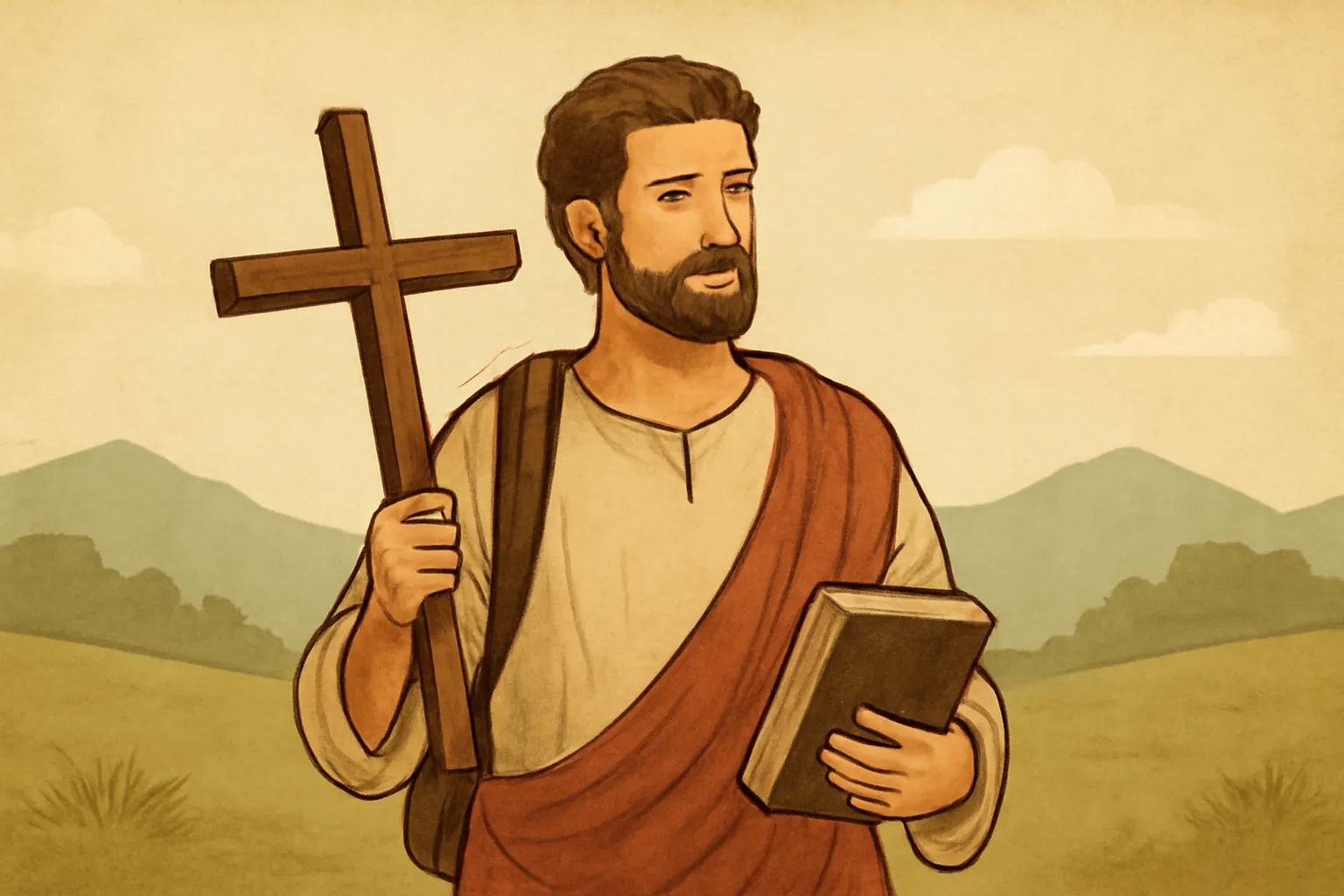
Embarking on the journey to become a Christian missionary is a decision that blends deep spiritual conviction with practical preparation. It involves discerning a calling, acquiring appropriate training, and stepping into service with humility, cultural sensitivity, and a commitment to the Gospel. This guide offers practical steps, honest expectations, and navigable pathways for those who want to pursue missionary service in a way that honors Christ, respects people, and sustains long-term impact.
Clarifying Your Calling: Do I truly want to become a Christian missionary?
Before you dedicate years to training and mobilization, spend thoughtful time assessing your calling, your motivations, and your readiness to endure the challenges of missionary life. The question is not only whether you want to become a missionary, but whether your gifts, convictions, and daily life align with a life of cross-cultural witness, service, and shepherding others toward faith.
Spiritual discernment: Seek quiet reflection, prayer, and guidance from mature mentors who know you well. Look for confirmation that your desires align with Scripture, not merely with personal ambition.
Gifting and aptitude: Evaluate your strengths in teaching, mercy, leadership, or practical skills that can serve communities in need. Consider whether you thrive in intercultural settings, or if you need growth in cross-cultural humility.
Endurance and resilience: Long-term mission work demands perseverance through culture shock, homesickness, and spiritual drought. Assess your emotional and physical stamina, and your willingness to adapt to new environments.
Love for others: A genuine desire to listen, learn, and serve communities distinct from your own is essential. Ask whether your motivation centers on serving the gospel in love rather than on personal achievement.
Elements of a sturdy calling
Several factors often accompany a robust sense of purpose to become a Christian missionary. You might notice:
Constancy in prayer and study of Scripture concerning mission narratives, cross-cultural ministry, and the justice of the Gospel.
Mentors who affirm your calling and help you articulate it in concrete steps (short-term trips, internships, or language study).
A window of opportunity—an opening to join a mission framework, an internship, or a church-sponsored sending process.
A willingness to align with a sending organization’s theology, ethics, and approach to contextualization.
Training and education: How to prepare to become a missionary
Preparation is a spectrum rather than a single route. Different paths suit different people, but the aim remains the same: to equip you to serve effectively and responsibly where the Gospel is needed. Below are several reputable avenues and practical considerations for those pursuing missionary training.
Academic foundations and biblically grounded study
Many who are discerning how to become a Christian missionary begin with solid Bible study, theology, and missiology. A formal program can provide a framework, while informal study can build personal depth. Consider the following:
Licentiate, bachelor’s, or master’s programs in biblical studies, theology, intercultural studies, or missions.
Missiology courses that cover church planting, discipleship, contextualization, and incarnational ministry.
Language acquisition programs or courses alongside theology to prepare for cross-cultural communication.
Intercultural communication and cultural anthropology foundations to minimize cultural faux pas and maximize mutual respect.
Short-term experiences and practical exposure
Short-term missions internships, cross-cultural volunteer roles, or church-supported field experiences can be invaluable. They test the waters, reveal blind spots, and help you decide if you want to proceed toward longer-term service. These experiences often illuminate:
Hands-on ministry skills such as evangelism, discipleship, and community development.
Interpersonal dynamics in diverse settings, including leadership and teamwork under pressure.
Logistical realities of field life, including housing, health, and security considerations.
Proficiency in relevant languages can dramatically improve your effectiveness and receptivity among communities. Language study is not a mere skill but a bridge to deeper relationships and trust. Practical steps include:
Begin learning the local language as early as possible, even before formal deployment.
Participate in conversational practice with native speakers and seek feedback from tutors.
Immerse yourself in the culture by reading, listening to local media, and learning customs with humility.
Training providers and partners to consider
There are many credible organizations and programs dedicated to preparing workers for international or urban missions. When evaluating options, look for:
A clear doctrine and ethics statement that aligns with your beliefs and the organization’s mission philosophy.
Evidence of ethnorelated sensitivity and a track record of respectful contextualization rather than coercion.
Transparent expectations about finances, housing, support staff, and term-length of service.
Opportunities for ongoing mentorship, debriefing, and spiritual formation during training.
Practical skills for missionary life: Growing into service
To become a missionary who is effective and sustainable, you need more than good intentions. Practical ministry skills, cultural humility, and spiritual discipline form the foundation of lifelong service. The following areas are central to practical readiness.
Evangelism, outreach, and discipleship
Effective witness is contextual and relational. Learners who aim to become a Christian missionary should train in how to share the Gospel with clarity, listen well, and help new believers grow in faith. Elements include:
Clear articulation of the Gospel in ways that resonate across cultures while remaining faithful to biblical truth.
Mentoring, baptism preparation, and ongoing discipleship pathways for new believers.
Respectful inquiry: asking questions instead of imposing ideas, and honoring local beliefs.
Discipleship and leadership development
As you pursue missionary service, cultivate your own leadership and the ability to empower others. A healthy approach emphasizes:
Mentoring local Christian leaders and fostering local ownership of church plants or outreach initiatives.
Building teams with diverse gifts and clear roles, avoiding dependence on a single individual.
Equipping others to multiply impact, so communities can sustain mission efforts after you move on.
Cross-cultural competence and humility
Cross-cultural ministry requires curiosity, patience, and an ongoing commitment to contextualization. Key practices include:
Listening deeply to community members, leaders, and elders.
Adapting programs to local needs rather than importing Western models.
Acknowledging limits, seeking feedback, and adjusting strategies in light of local wisdom.
Health, safety, and self-care
Long-term service depends on personal health and spiritual vitality. Prospective missionaries should plan for:
Health appointments, immunizations, and access to essential medications.
Safety training, emergency plans, and awareness of political or social risks in the field.
Routines for spiritual renewal, rest, and community accountability.
Choosing a field and partnering with an organization
Deciding where to go and with whom to go is one of the most consequential steps in the process of becoming a missionary. Thoughtful selection helps ensure your gifts align with real needs and that your work can be sustained over time.
Assessing field needs and fit
When evaluating a mission field, consider:
The gospel access and openness in the community, including the presence of churches or missionary teams.
Local language needs and your linguistic trajectory—whether you can learn the language or dialect quickly enough to be effective.
Social, political, and security considerations, and the organization’s capacity to provide support and guidance.
Opportunities for long-term impact, including church planting, community development, education, health, or disaster relief.
Partnership models: sending agencies, churches, and teams
Many people pursue missionary service by joining an established sending organization or by partnering through their local church. Common models include:
Sending agencies that recruit, train, fund, and deploy workers to specific regions or people groups.
Church-based missions partnerships that fund and send volunteers as part of a broader ministry strategy.
Independent mission teams that coordinate with organizations and maintain accountability structures through a church or consortium.
Funding and financial stewardship
Financial stewardship is an integral part of becoming a missionary. Transparent budgeting, accountability, and a sustainable model reduce stress and enable focused ministry. Consider:
Budgeting for housing, transport, health insurance, language study, and ministry materials.
Clear funding plans, including monthly support, one-time gift options, and emergency reserves.
Regular financial reporting to supporters and organizations, maintaining integrity and trust.
Ethical and cultural considerations in cross-cultural ministry
Respect for people, cultures, and local leadership is essential for meaningful and ethical service. The goal is to embody the Gospel with humility, avoid coercion, and affirm the dignity of every person you meet.
Contextualization without compromise
Contextualization means communicating the gospel in a way that is intelligible within a given culture, while remaining faithful to core biblical truth. Practical practices include:
Listening before speaking: learn a community’s language, stories, and values before proposing solutions.
Partnering with local leaders to shape ministry plans rather than imposing external models.
Celebrating local expressions of faith and allowing the Spirit to guide how and when new forms of ministry emerge.
Avoiding dependency and respecting sovereignty
Healthy mission work fosters local ownership and avoids creating dependence on foreign workers. Consider:
Equipping and empowering local believers to lead programs, churches, and outreach efforts.
Passing on resources and knowledge rather than centralizing control in a single person or team.
Ensuring that the community can sustain programs after your departure.
Safety, dignity, and consent
Ethical engagement requires prioritizing safety and dignity for all involved. Best practices include:
Obtaining informed consent for outreach activities and respecting local norms around gender, age, and authority.
Providing clear boundaries and safeguarding against abuses of power or exploitation.
Being transparent about resources, expectations, and potential risks with both communities and supporters.
Life balance, perseverance, and spiritual health
Becoming a missionary is as much about inner formation as external accomplishment. Nurturing your soul, relationships, and mental health is essential for long-term fruitfulness.
Spiritual disciplines that sustain mission work
Consistent spiritual practices help you stay faithful in challenging seasons. Consider adopting:
Regular time in Scripture and prayer, with a rhythm that fits field realities.
Accountability partnerships with mature believers who can provide honest feedback and encouragement.
Worship, confession, and solitude as intentional practices to renew your heart.
Longevity requires adaptability, ongoing learning, and a willingness to shift strategies when needed. Elements of durable service include:
Continual skill development in areas such as language, education, healthcare basics, or community development.
Strategic planning for long-term presence, including succession planning and leadership development.
Diligent reflection on impact metrics that honor the community and align with Gospel aims.
Paths forward: steps to take as you pursue becoming a missionary
Whether you are just beginning to explore or you are prepared to move toward deployment, a practical action plan helps you progress with clarity and accountability. The following steps outline a proposed pathway for becoming a missionary.
Pray and seek counsel: Begin with prayer, scripture, and mentorship to refine your calling and identify potential obstacles or opportunities.
Clarify your ministry focus: Decide whether you are drawn to church planting, relief work, education, healthcare, evangelism, or a combination of these in a specific cultural context.
Engage with a sending organization: Research and contact organizations that align with your convictions and offer clear training, support, and field placements.
Undertake foundational training: Enroll in courses or programs that build missional competencies, language skills, and cross-cultural understanding.
Gain practical experience: Complete short-term projects, internships, or volunteer roles to test your fit and grow confidence.
Develop a plan for financial support: Work with your church or organization to establish a sustainable fundraising strategy and accountability framework.
Prepare logistically: Secure necessary visas, medical clearances, insurance, and safety protocols required by your field.
Commit to ongoing growth: Expect continuous learning, language study, and spiritual formation as long-term commitments.
Becoming a missionary is a lifelong process of growth, revelation, and service. The following resources and practices can keep you grounded, equipped, and ready to respond to shifting needs in the field.
Recommended ongoing practices
Regular participation in a community of faith that prays for missionaries and supports sending efforts.
Continual language learning and cultural study to deepen contextual understanding.
Periodic field debriefings with mentors to assess progress, celebrate wins, and address challenges.
Participation in continuing education on topics such as trauma-informed ministry, child protection, and sustainable development.
Reading and study guides
Foundational texts and contemporary missional literature can expand your perspective and sharpen your approach. Some areas to explore include:
Theology of mission and the biblical basis for cross-cultural ministry.
Case studies of church planting and community transformation in diverse contexts.
Ethical guidelines for respectful engagement and responsible leadership in mission work.
Technology and communication tools
Modern missionaries often leverage technology to train, coordinate, and stay connected with supporters. Useful tools include:
Secure communication channels for field updates and accountability.
Collaboration platforms that enable teams to work together across distance and time zones.
Digital training modules for ongoing skill development and disciple-making resources that can travel with you.
Next steps for those ready to pursue this path
If you are asking how to move from interest to involvement, here are practical, action-oriented steps to take today. Each step is designed to help you progress toward becoming a Christian missionary with intention and integrity.
Write a personal calling statement that describes your sense of purpose, gifts, and the kind of field you feel drawn to, using concrete terms and timelines.
Meet with your pastor or a missions leader to discuss your calling, potential organizations, and a realistic departure plan.
Attend a missions conference or information session to learn about different sending models and opportunities.
Apply to a missions internship or program that matches your timeline and readiness level.
Begin or continue language study and cultural learning, integrating these into your weekly rhythm.
Engage in a fundraising plan that is transparent, honest, and relational with supporters who will partner with you in prayer and finances.
Becoming a missionary is a transformative process that begins with a desire to love people well and to share a message of hope. It expands through training, accountability, and hands-on service. As you walk this road, you will discover that the heart of missionary work is less about a title and more about a way of life—one that embodies the gospel, models humility, and sustains communities through lifelong partnership, learning, and service. If you are serious about becoming a missionary, take the time to discern, train, and connect with others who share your vision for transformative, compassionate, and faithful witness to Christ in every language, culture, and circumstance.

 Por Laura Jara