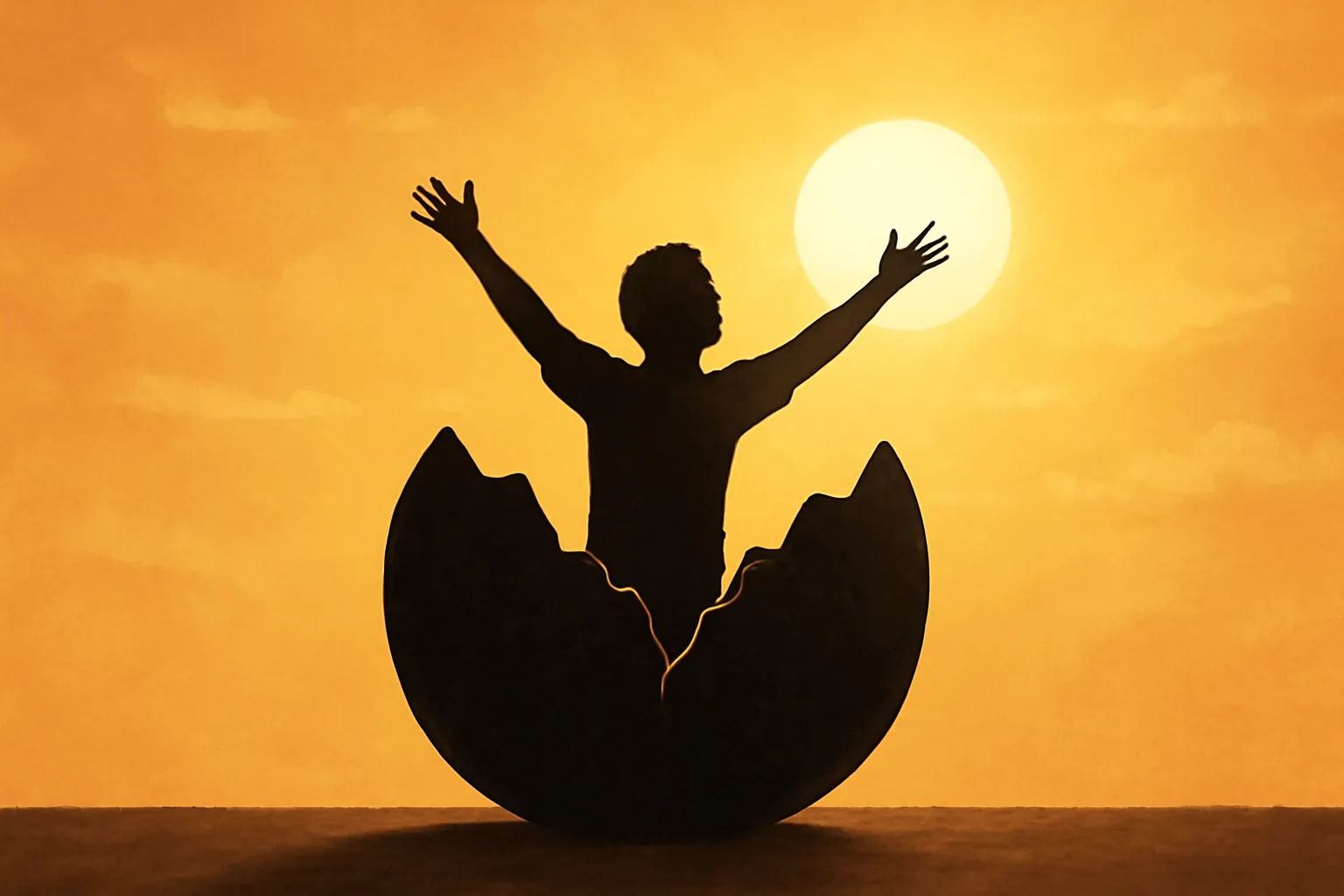
The term born again is one of the most recognizable phrases in Christian language. It signals more than a moment of emotion or a crowd-pleasing slogan; it points to a deep transformation of a person’s inner life and outward living. In many traditions, this phrase is used interchangeably with the new birth, regeneration, and born from above, all describing a spiritual reality: a person moves from spiritual death to new life through contact with the gospel and the gracious work of God. This article explores Born Again Faith in depth: what it is, its core beliefs, and how to live it in daily life. We’ll use variations like the new birth, regeneration, and born from above to reflect the breadth of language used across Christian communities, while keeping the focus on a single, coherent experience of faith.
At its most basic level, the born again faith refers to a personal encounter with the gospel that results in a profound inner change. This change is not merely a change of opinion or a decision about beliefs; it is a radical renewal of the heart, mind, and will. In Christian teaching, this renewal is described as regeneration by the Holy Spirit, a divine act that makes a person spiritually alive where there was spiritual deadness.
The language of being born again comes from Jesus’ conversation with Nicodemus in the Gospel of John. Jesus says that to enter the kingdom of God, one must be born of the Spirit, a phrase that signals a spiritual birth rather than a physical one. While the image may sound mysterious, it is intended to communicate a simple, hopeful truth: faith in Christ brings about a new, transformative life. Believers describe this experience in various ways—some speak of a decisive moment, others of a growing awareness over time—yet the common thread remains: a turning away from self-reliance and toward reliance on Christ.
In contemporary practice, the born again project often features three interlocking dimensions:
Faith in Jesus Christ as Lord and Savior, recognizing that he lived, died, and rose again for humanity.
Repentance and turning away from sin toward a new pattern of life aligned with God’s will.
Transformation powered by the Holy Spirit, which reshapes desires, affections, choices, and relationships.
It is important to note that the experience of being born again is not limited to a single denomination or tradition. While the language and emphasis may differ—some communities stress a moment of renewal, others emphasize ongoing discipleship—the basic claim remains: a living relationship with God, made possible through Jesus, that changes everything about a person’s life.
Throughout history, Christian writers and pastors have described the new birth as the start of a lifelong journey. It is a gateway into a life of worship, community, service, and mission. The emphasis is not merely personal comfort or happiness; it is participation in God’s larger project of restoring people and creation through the gospel.
Its Core Beliefs
The core beliefs of the born again faith are anchored in the person and work of God as revealed in Scripture. While there are many nuances across traditions, several non-negotiables commonly appear across communities that identify as born again or evangelical:
Biblical authority and the sufficiency of Scripture
A foundational conviction is that Scripture is the authoritative guide for faith and life. The claim is not that every verse is easy to apply, but that the Bible contains the essential message about God, humanity, salvation, and the path of discipleship. For many believers, the gospel narrative—that God loves the world, that humanity has rebelled, that Christ has rescued, and that a response of faith is required—centers the life of the born again follower.
The heart of the conviction is that Jesus Christ is both fully God and fully man, who lived sinlessly, died sacrificially for sin, and rose bodily from the dead. This work provides the only basis for reconciliation with God. In this faith, Jesus is not a mere teacher or moral example; he is the Savior who calls people to trust him alone for salvation.
Salvation by grace through faith
A central tenet is that salvation is a gift of grace granted by God’s mercy, accessed through faith rather than human effort or merit. This means that no one earns their way to God by good works alone; rather, a response of trust in Christ, accompanied by repentance, welcomes divine forgiveness and new life.
Regeneration by the Holy Spirit
The belief in regeneration emphasizes that the Holy Spirit creates new life within a person. This inner transformation affects motives, desires, and power to live differently. It also enables the believer to respond to God with love, gratitude, and obedience.
Justification, sanctification, and assurance
The born again perspective often distinguishes between justification (being declared righteous before God) and sanctification (progressive growth in holiness). While justification is a once-for-all act received by faith, sanctification is an ongoing process that continues throughout a believer’s life. Many traditions also emphasize a degree of assurance that comes from the Spirit and the witness of Scripture, showing that God has begun a good work.
Discipleship and mission
Beyond personal conversion, the born again faith understands itself as a call to live as a disciple who obeys Jesus’ teaching, is shaped by the church community, and participates in God’s mission in the world. This includes evangelism, discipleship, and acts of service that demonstrate love for neighbor and proclaim the good news to others.
Sacraments or ordinances
Many communities identify a pair of visible symbols or ordinances linked to the born again experience. While the terms differ—some call them baptism and Communion, others use different language—many believers see these practices as meaningful declarations of the inner transformation. Baptism is often understood as a public confession of the new birth, while Communion (or the Lord’s Supper) is a tangible reminder of Christ’s saving work.
Community and authority
The lived faith emerges within a community. Believers gather for worship, teaching, prayer, and mutual accountability. Authority is typically shared in the form of church leadership, pastoral guidance, and a reverent respect for Scripture. The born again life flourishes in relationships that nurture spiritual growth and protect against moral harm.
The transition from belief to daily living is not just a spiritual idea; it is a practical rhythm. The following sections describe concrete ways in which a believer can embody the born again experience in everyday contexts—at home, at work, in church, and in community.
Daily disciplines that sustain the new birth
Prayer: Cultivating open conversation with God—praise, confession, supplication, and intercession for others.
Scripture intake: Regular reading and meditation to understand God’s will and to reorient the heart toward truth.
Worship: Engaging personally and corporately in songs, reflections, and gratitude for God’s grace.
Spiritual discernment: Seeking the Spirit’s guidance in decisions and recognizing patterns of grace and correction.
Accountability: Seeking trusted relationships for encouragement, honesty, and correction when needed.
Community life and transformation
Church involvement: Regular gathering with other believers for teaching, prayer, and communal life.
Fellowship: Building friendships that encourage holiness and mutual care.
Service: Using gifts and resources to bless others, especially the vulnerable and marginalized.
Discipline in moral living: Aligning actions with the values of love, integrity, and justice.
Life changes that reflect the new birth
Holiness and obedience: The new birth is evidenced by growing consistency in character—love, joy, peace, patience, kindness, goodness, faithfulness, gentleness, and self-control.
Relationships: Pursuing reconciliation where there is conflict, honoring authority, and choosing forgiveness.
Work and vocation: Reflecting honesty, stewardship, and service in professional life; seeing work as a means to love neighbor and build God’s kingdom.
Stewardship: Caring for money, time, and resources in ways that honor God and help others.
Baptism: Often pursued as a public witness to a private conversion—the outward sign of the inward change.
Communion: Regular participation to remember Christ’s saving work and to reaffirm the community’s unity around the gospel.
Evangelism: Sharing the message of grace with others with gentleness and respect, inviting them to trust Christ.
Adapting the life of the born again believer to different life stages
The ways people live out the born again faith can look different depending on age, culture, and life circumstances. For a student, the focus might be on integrity in study and peer influence; for a parent, it could be modeling grace in the home and teaching faith through daily rhythms; for someone in a new culture, it would be learning to follow Christ while navigating new languages, foods, and traditions. Across all ages, the core remains the same: a life empowered by the Spirit that leans into Christ and loves others.
Common Questions and Clarifications
Q: Is being born again the same as joining a church?
No. Being born again is a personal spiritual renewal that begins in the heart by faith in Christ. Church membership can be a meaningful expression of that renewal, especially as believers gather for worship, teaching, and service. However, a person can be born again without formal church membership, though the biblical pattern usually includes involvement with a community of believers.
Q: Can someone be born again but still struggle with sin?
Yes. The new birth doesn’t erase all brokenness immediately. It marks the beginning of a journey in which the Spirit gradually renews a person’s desires and actions. Struggle with sin can be a sign of ongoing sanctification, not a sign that the transformation never occurred.
Q: Do different traditions mean different things by born again?
There are differences in emphasis. Some groups stress a pronounced moment of conversion, others highlight lifelong discipleship and ongoing renewal. Yet across traditions, most Christians would agree that the gospel call to repent and trust Christ is central, and that the Spirit’s work produces real life change.
Q: How important is baptism or communion in the born again life?
The importance varies by tradition, but in most contexts these practices serve as meaningful signs: baptism publicly proclaims the inner change, and communion reminds believers of Christ’s redeeming work. Both are typically seen as appropriate responses to the grace of God, not mere rituals.
Q: What if I am unsure I have truly been born again?
Doubt can be a natural part of spiritual growth. If you are unsure, consider asking God to reveal your heart, study the gospel, and seek wise counsel from trusted believers. Signs often associated with the new birth include a love for God and neighbor, a desire for holiness, and a growing trust in Christ’s finished work.
Glossary of Key Terms
Born again: A spiritual renewal described in Christian theology as becoming alive to God through faith in Christ.
New birth: Alternate phrasing for the born again experience, emphasizing the start of a transformed life.
Regeneration: The work of the Holy Spirit making a person spiritually alive.
Justification: Being declared righteous by God on the basis of faith in Christ.
Sanctification: The ongoing process of becoming more like Jesus in character and conduct.
Gospel: The good news about Jesus—his life, death, and resurrection for the salvation of sinners.
Baptism: An outward act of obedience symbolizing inward faith and identification with Christ’s death and resurrection.
Communion: A shared meal or ceremony recalling Christ’s sacrifice and the unity of believers.
Evangelism: The act of sharing the gospel with others so they, too, may become followers of Christ.
Across Christian history, the concept of the born again faith has taken on different expressions depending on culture, era, and theological emphasis. Some streams emphasize a decisive moment—a dramatic conversion experience—while others emphasize a steady, ongoing transformation that occurs as a believer cooperates with divine grace. Both viewpoints share a conviction that genuine faith in Christ leads to real life change.
Evangelical and Protestant emphases
In many evangelical and Protestant communities, the born again experience is tied to a conscious turning from sin to Christ and accepting him as Lord. The language is frequently framed in terms of trusting Jesus alone for salvation and receiving the Holy Spirit as a seal of adoption.
Charismatic and Pentecostal expressions
In Charismatic and Pentecostal circles, the born again experience often overlaps with a heightened sensitivity to the Holy Spirit’s activity—gifts of the Spirit, empowerment for witness, and a vibrant sense of personal encounter with God. While experiencial language can be pronounced, the underlying gospel remains the same: Christ saves and transforms.
Catholic and Orthodox perspectives
Catholic and Orthodox theologians commonly speak of new birth in connection with the mystery of baptism and grace. They emphasize that regeneration is initiated by God’s action in the sacramental life of the church, with the believer’s cooperation through faith and ongoing discipleship. Even when the vocabulary differs, the aim is the same: a life fashioned by communion with God, participation in the church, and mission in the world.
Why This Matters Today
In a world full of competing voices about identity, purpose, and morality, the born again message offers a counter-narrative rooted in grace, truth, and transformation. It invites people to a living relationship with God, not merely a set of rules or a social affiliation. It also places a strong emphasis on love for neighbor, justice, and mercy as natural outgrowths of the inner change God brings.
For communities seeking to grow in depth and maturity, the core practice remains consistent: the gospel is proclaimed, faith is invited, life is transformed, and the church is gathered to encourage and equip believers for mission. When lived with humility and fidelity, the new birth becomes a durable framework for understanding who a person is in Christ and how that identity shapes every aspect of life.
Conclusion: The Lifelong Journey of a Born Again Believer
The journey of someone who claims the born again faith is not a destination but a direction. It begins with the recognition that only Christ can rescue us from sin and death, and it continues through daily decisions to entrust every area of life to him. The transformation promised by regeneration is gradual, hopeful, and real: it touches the heart’s desires, reshapes habits, reforms relationships, and empowers courageous obedience.
Whether you describe it as the new birth, regeneration, or born from above, the essential promise remains: a life that is truly alive—animated by the Holy Spirit, anchored in the gospel, and oriented toward love for God and neighbor. If you are exploring this path, you are invited to seek God with honesty, study the scriptures, participate in a community of faith, and allow the Spirit to guide you into a deeper, more resilient life in Christ.

 Por Laura Jara