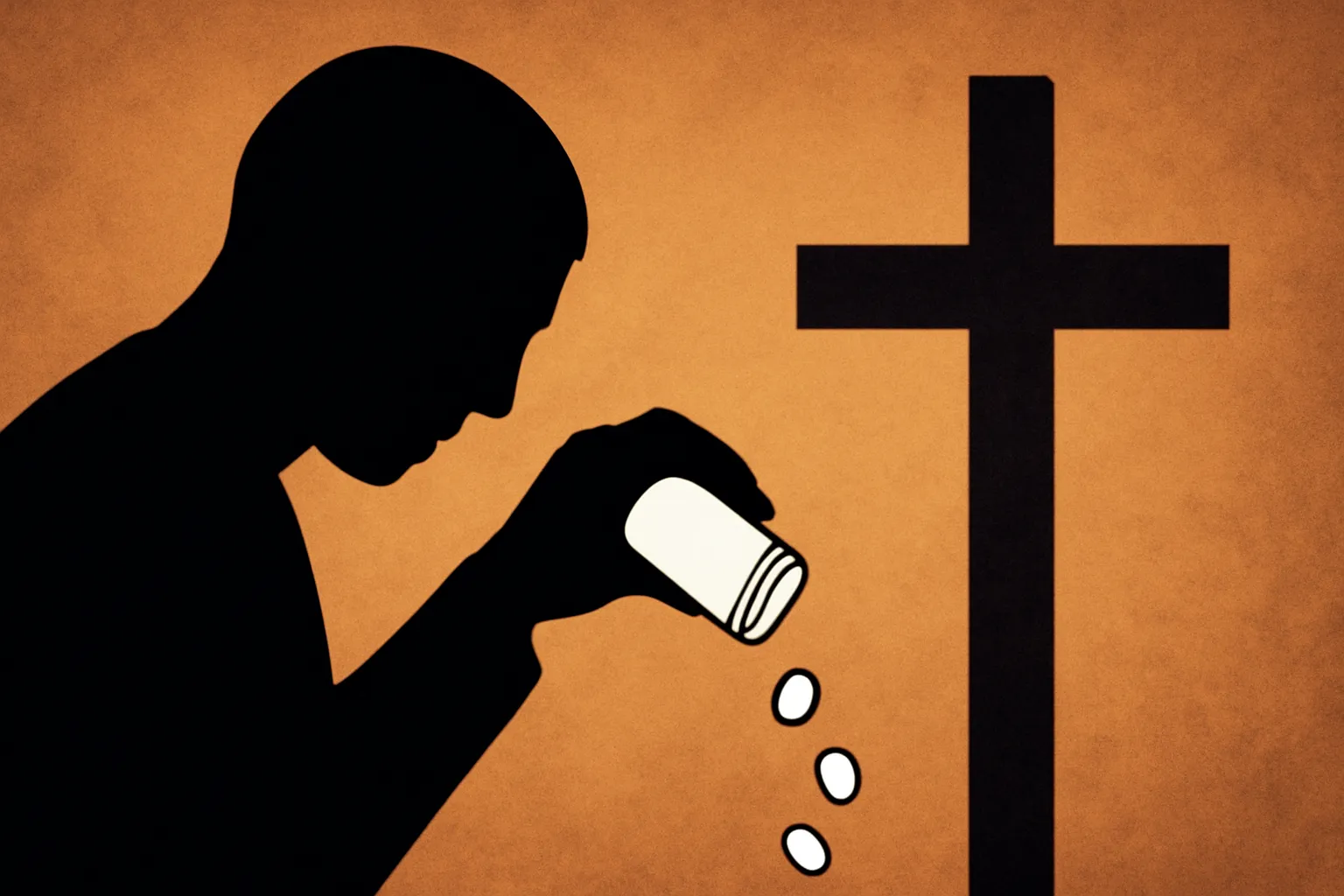
Addiction and Christianity: A Faith-Based Guide to Recovery
Understanding Addiction in a Christian Context
In many faith communities, addiction is discussed with care, honesty, and a recognition that human beings are created in the image of God. From a Christian perspective, addiction—whether to alcohol, illicit drugs, prescription medications, gambling, internet use, sex, or other compulsive behaviors—is best understood as a complex condition that affects the body, mind, and spirit. It is rarely a simple matter of choice or moral failure, and it often requires a holistic approach that honors both science and faith. When we say that addiction is a disease of the whole person, we acknowledge the neurobiological changes that happen in the brain, the emotional and relational consequences, and the spiritual longing for freedom and meaning that remains even in the depths of dependence.
Scripture speaks to the brokenness of humanity and the possibility of healing. The Christian story does not deny pain or pretend that faith alone removes every challenge; instead, it offers a path toward renewal, compassionate accountability, and a growing reliance on God’s grace. The struggle with dependence can become a doorway to deeper trust in God, more honest relationships, and a clearer sense of vocation. In this light, addiction is not the end of the story, but a call to transformation through Christ and the community he gathers.
The Core Christian Framework for Recovery
The Nature of Sin, Grace, and Redemption
At the heart of Christian teaching is the recognition that sin distorts human flourishing. Addiction can be viewed as a form of bondage that masquerades as control, masking deeper longings for belonging, meaning, and intimacy. The biblical witness emphasizes that grace is available to all who humbly seek it. Recovery, then, is not just about stopping a behavior; it is about allowing God to renew the heart and align desires with what is truly life-giving.
In the Christian story, forgiveness and transformation are ongoing processes. The goal is sanctification, a life shaped by the Spirit that moves us away from destructive patterns toward healthier, more hopeful patterns of living. This does not minimize the pain or the responsibility of the person struggling; rather, it frames the journey as one that God undertakes with us, often through faithful relationships and practical habits that sustain recovery over time.
The Role of Community and the Church
Recovery in a Christian context is rarely a solo enterprise. The church is uniquely positioned to provide supportive accountability, meaningful relationships, and opportunities for service that reinforce healing. A healthy community offers prayers, practical care, and boundaries that protect the vulnerable while fostering growth. Leaders—pastors, elders, and trained laypeople—can model humility, listening, and perseverance.
However, communities must guard against environments that stigmatize or shame those with dependencies. True Christian witness invites people to come as they are, with truth and grace. Programs such as Celebrate Recovery demonstrate how church-based groups can combine Scriptural wisdom with the proven tools of recovery, creating spaces where people learn to admit struggles, seek help, and celebrate progress together. When communities practice compassionate accountability and clear boundaries, they become a powerful ally in the journey toward lasting change.
Spiritual disciplines are not a magical cure; they are practices that help orient attention, cultivate resilience, and invite God’s presence into daily life. Used thoughtfully, disciplines can complement medical and therapeutic care and strengthen motivation for change. Consider these practices:
Prayer as a posture of surrender and honesty about one’s struggles.
Scripture meditation to reframe identity and desires around God’s truth.
Fellowship with trustworthy friends who offer encouragement and accountability.
Worship as a reminder of God’s goodness and our dependence on divine grace.
Journaling to name triggers, cravings, and turning points toward recovery.
Fasting or sabbath-like rest as ways to reset priorities and seek spiritual clarity.
Service to others, which often helps reweave a sense of purpose and belonging.
Integrating these disciplines into a comprehensive recovery plan can help preserve hope, reduce isolation, and nurture a resilient sense of self in God. Spiritual practice is most fruitful when it is paired with professional treatment, science-based therapy, and robust community support.
Evidence-Based Approaches within a Christian Lens
Medical and Psychological Components
Modern health care recognizes addiction as a medical condition that may require clinical intervention. Detoxification, behavioral therapies, and, where appropriate, medication-assisted treatment (MAT) can significantly improve outcomes. A Christian approach to MAT emphasizes that receiving medical care is not a betrayal of faith; rather, it can be an act of stewardship for the body God has given. The aim is to support healing while integrating spiritual care, ensuring that the person’s dignity, autonomy, and hope are preserved.
Alongside medical care, addressing mental health comorbidities—anxiety, depression, trauma-related disorders, or other conditions—is essential. Integrated care teams that respect religious beliefs and values tend to be more effective at reaching individuals who might otherwise avoid help. In short, medical and psychological support, when offered with compassion and respect for faith commitments, pathfind a path to sustainable recovery.
Evidence-based Therapies and Christian Faith
Therapeutic modalities such as cognitive-behavioral therapy (CBT) and motivational interviewing have shown strong efficacy in reducing relapse risk and promoting behavior change. When these therapies are contextualized within a Christian framework—acknowledging the person’s faith, values, and community resources—their effectiveness can increase. For example, CBT can guide someone in identifying distorted thinking patterns (montage of cravings, justifications, and catastrophizing) and replacing them with healthier narratives aligned with hope and identity in Christ.
Christian counseling and pastoral care can complement these practices by offering spiritual meaning, accountability, and a sense of belonging. Group formats that blend evidence-based strategies with biblical reflection—whether in a church setting or a faith-based clinic—tend to foster motivation, reduce stigma, and reinforce relapse-prevention skills. It is important, however, to maintain professional standards, ensure confidentiality, and avoid coercive or shaming dynamics. Recovery thrives in environments that honor autonomy, dignity, and informed choice.
Practical Pathways to Recovery
Steps to Start Recovery
Acknowledge the problem with honesty about how addiction or compulsive behavior has affected life, relationships, and faith.
Seek help from trusted sources—pastors, Christian counselors, healthcare providers, or evidence-based treatment programs.
Engage a faith-supportive community—a small group, a recovery ministry, or a Christian-based treatment program.
Develop a written plan that includes medical care, therapy, spiritual practices, and a relapse-prevention strategy.
Establish accountability with safe, sober, and nonjudgmental partners who can listen, pray, and encourage.
Create boundaries around triggers and high-risk situations, while learning healthier coping skills.
Practice ongoing spiritual formation through daily prayer, Scripture, worship, and service.
Monitor progress and adjust the plan as needed, recognizing that recovery is a long-term process.
A robust plan blends practical steps with spiritual nourishment. Consider incorporating these components:
Clear goals and milestones that are realistic, measurable, and aligned with one’s faith commitments.
Relapse prevention strategies including identifying triggers, coping responses, and support contacts.
Healthy routines such as regular sleep, nutrition, physical activity, and meaningful work or study.
Scripture-based reflections that reframe identity away from addiction toward belonging in Christ.
Family and relationship healing with safe conversations, boundaries, and forgiveness where appropriate.
Service and purpose that channel energy into helping others, reinforcing a sense of value beyond the self.
Professional supervision to ensure safety and effectiveness of any medical or psychological interventions.
Common Challenges and How to Address Them
Stigma, Shame, and Spiritual Wounding
Stigma can prevent people from seeking help, while shame can erode self-worth and trust in God’s love. A Christian response is to cultivate a ministry of welcome that distinguishes between sin and the sinner. Churches can emphasize that God’s grace covers all who turn to him, and that communities are called to walk alongside sufferers with gentleness, patience, and honest accountability. Open conversations, education for leaders, and anti-stigma initiatives help create spaces where people can disclose struggles without fear of rejection.
Family Dynamics and Relationships
Families often bear the weight of addiction, experiencing fear, confusion, anger, and long-term strain. Family-inclusive approaches that still protect safety are essential. Parents, spouses, siblings, and children can benefit from counseling, education about the disease model, and guided conversations that heal ruptured bonds. Communities can support families by offering respite care, peer mentoring, and resources that nurture resilience and faith-based hope.
Relapse and Perseverance
Relapse is not a character failure; it is a common hazard in the road to recovery. Christian communities are called to respond with compassion and concrete help, not condemnation. A relapse can become a teachable moment that strengthens the plan—an opportunity to revisit triggers, reinforce coping skills, and renew trust in God’s mercy. Perseverance in the face of setbacks often reveals a deeper reliance on grace and a more robust community of support.
Celebrating Recovery Together: Resources and Communities
Numerous faith-centered resources exist to support recovery. Notable among these is Celebrate Recovery, which integrates the Twelve Steps with biblical principles and a community-oriented format. Local churches frequently host recovery groups that offer accountability, prayer, and practical guidance. In addition, Christian counseling centers, faith-based clinics, and nonprofit ministries provide accessible options for care. When seeking resources, individuals and families should consider factors such as confidentiality, cultural sensitivity, accessibility, and alignment with their faith tradition. Online communities and telehealth options can extend reach to those in rural or underserved settings, but they should preserve safety, integrity, and personal connection.
For Churches: How to Foster Recovery-Friendly Environments
Ground Rules for Safe Spaces
Faith communities can cultivate environments where vulnerability is honored and safety is prioritized. Ground rules might include:
Respect and confidentiality in all conversations
Nonjudgmental listening and compassionate response
A clear distinction between offering help and enabling dangerous behavior
Access to professional resources and crisis intervention when needed
Ongoing education about addiction, mental health, and faith integration
Churches can implement or partner with programs such as Celebrate Recovery, faith-informed counseling centers, and community health initiatives. Partnerships with local clinics, hospitals, and social services broaden access to MAT, therapy, and case management while ensuring spiritual support remains central. Churches might also host sober-friendly events, provide transportation to appointments, or sponsor service projects that foster a sense of purpose and belonging.
Training for Leaders
Pastors, lay leaders, and volunteers benefit from training in areas such as trauma-informed care, motivational interviewing, and ethics around confidentiality. Leaders who understand the biology of addiction, the role of the Spirit in transformation, and the importance of boundaries are better equipped to shepherd congregants through crises. Training should emphasize humility, patience, and the recognition that faith communities are part of a broader system of care—not a substitute for professional treatment.
A Look Ahead: A Hope-Filled Path Forward
Recovery is a journey of hope that intersects faith, science, and community. When Christians face addiction—whether their own or a loved one’s—they are invited to lean into a triad of grace, accountability, and action. This triad honors God, serves neighbor, and honors the dignity of every person. A faith-based approach to recovery does not deny the seriousness of dependence; it affirms that healing is possible and that resilience grows as people cultivate honest relationships, immerse themselves in spiritual formation, and engage with evidence-based care. In this light, the church can become a living sign of God’s steadfast love, offering a pathway toward freedom that is both practical and profound.
Appendix: Practical Tools and Sample Frameworks
Sample Recovery Plan Outline
Personal assessment of substances or behaviors and their impact on health, relationships, and faith.
Medical evaluation and, if appropriate, referral to a clinician for detox, MAT, or therapy.
Spiritual assessment: beliefs, fears, and sources of hope; identify spiritual mentors.
Therapy plan: CBT or other modalities tailored to the individual; integrate faith-informed approaches.
Community plan: regular attendance at a recovery group; accountability partners; service commitments.
Lifestyle plan: sleep hygiene, nutrition, exercise, and avoidance strategies for triggers.
Relapse plan: steps to take immediately after a craving or slip, including reaching out and seeking support.
Checklist for Churches Interested in Launching a Recovery Ministry
Assess community needs and resources; talk with local providers.
Identify a leadership team and recruit mentors with lived experience and compassion.
Create a safe, confidential process for joining and participating in groups.
Provide space, funding, and administration for programs like recovery groups and counseling referrals.
Offer training on trauma-informed care, crisis response, and ethical boundaries.
Promote the program through diverse channels while respecting privacy and consent.
Ultimately, an integrated approach to addiction and Christianity invites believers to encounter the power of God’s restoration while engaging with proven, compassionate forms of care. The aim is not merely to quit a behavior but to cultivate a life that reflects God’s image—a life characterized by hope, dignity, and relational integrity. By embracing the complexity of addiction as a spiritual and physical condition, communities can offer resources that honor both science and faith, guiding individuals toward lasting freedom and renewed purpose in Christ.

 Por Laura Jara