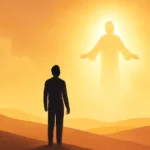
All Dogs Go to Heaven Dogs: Belief, Grief, and Pet Memorials
The idea that All Dogs Go to Heaven—in literal or metaphorical form—offers comfort to millions of pet owners who have loved and lost canine companions. Whether you know the phrase from familiar lore, a cherished movie, or simply as a personal belief, the notion taps into a universal longing: that the bond between humans and dogs transcends mortality. In this article, we explore beliefs about a canine afterlife, the grief journey that follows pet loss, and the array of pet memorials that help families honor their dogs. We will use variations of the phrase All Dogs Go to Heaven to build semantic breadth, including “All dogs go to heaven,” “every dog goes to heaven,” “dogs reach heaven,” and references to the canine afterlife in everyday language and ritual.
Belief in the afterlife for dogs: All dogs go to heaven or not?
Across cultures and belief systems, people respond to the question of whether dogs have an afterlife in different ways. Some approaches are theological, others are philosophical, and still others are practical or symbolic. A recurring thread in popular culture is the phrase All dogs go to heaven, which serves as a comforting credo for those who fear the permanent severing of the human–animal bond. In more informal terms, many pet owners simply say that their dog has joined the stars, or that the spirit of a dog remains with the family through memories, photos, and rituals. Below are representative perspectives organized by worldview, with emphasis on how each view can inform grief and memorial practice.
Christian perspectives on the canine afterlife
Christianity does not publish a single, unified doctrine about animals and heaven. Within this broad tradition, there are different strands of thought concerning whether dogs possess immortal souls in the same way humans do, and whether they participate in the heavenly life. Some theologians argue that animals do not share the same eternal destiny as humans, while others hold that God’s mercy extends to all creatures and that the restoration of all creation includes animals. In practice, many Christian families hold a hopeful view that their beloved pets are cared for by God after death, even if the specifics of reward or afterlife are not definitively defined in scripture.
Popular literature and sermons often emphasize God’s compassion for all living beings and the idea that peace and unity can exist among all creatures in a future age. For some believers, the notion that the canine soul finds a place in eternity provides solace during the darkest days of grief. When families say All Dogs Go to Heaven in prayers or devotions, they are often expressing trust in divine mercy rather than asserting technical doctrine.
Judaism, Islam, Hinduism, and Buddhism: broad perspectives on animals and afterlife
In Judaism, Islam, Hinduism, and Buddhism, discussions about animals and the afterlife vary by tradition and interpretation. Some Jewish sources speak to compassion for animals and recognition of their role in creation, while other discussions focus primarily on human responsibility and moral conduct. In Islam, animals are respected creatures of God, and kindness toward animals is a religious obligation; however, the canonical texts do not uniformly articulate a clear, dog-specific afterlife. Some Muslims believe that animals will be resurrected on the Day of Judgment, but reward or punishment is typically reserved for human moral agency; many adherents nevertheless comfort themselves with the belief that God’s mercy includes all living beings. Hinduism and Buddhism offer more explicit ideas about the cycle of samsara, karma, and reincarnation, where all beings—including dogs—are part of a continuing process that can lead to different forms of future existence. In these traditions, a dog’s earthly life may influence its future rebirth, but the exact outcome can depend on karma and spiritual development.
For families who think in terms of reincarnation or the larger cycle of life, the idea that a dog might be reborn in a future life can be comforting. For others, the emphasis is on living with intention in the present—honoring the dog’s memory here and now and trusting that a benevolent universe sustains all beings. In practical terms, this means that many pet lovers borrow language from diverse traditions to articulate their grief and hope: the dog’s memory remains as a form of afterlife that exists wherever love is kept alive.
Secular and humanistic approaches: memory, legacy, and meaning
For people who identify as secular or humanistic, the question of a literal afterlife may be less central than how memory, love, and meaning endure after a pet’s death. In this frame, All Dogs Go to Heaven becomes a metaphor for the enduring bond between pet and owner. The focus shifts to tangible rituals—creating memorials, preserving photographs, sharing stories, and supporting others in grief—as a way to honor the dog’s life and the impact it had on a family. In this sense, the afterlife is less about metaphysical destinations and more about the ongoing presence of love in daily life.
Grief and the human–dog bond: riding the waves of loss
The loss of a dog is often described as a profound, visceral event. Dogs live closely with people: they greet us, comfort us, and participate in everyday routines. When a dog dies, families may experience a complex mix of emotions—shock, denial, anger, guilt, sadness, relief, and even moments of unexpected laughter at cherished memories. Understanding the grief process can help caregivers navigate this difficult period with compassion for themselves and others.
Shock and disbelief: “I can’t believe they’re really gone.”
Sadness that is deep and persistent, sometimes accompanied by tears and an ache in daily routines.
Guilt or «if only» thoughts about what could have been done differently.
Anger or frustration, which can be redirected toward the situation or toward inanimate objects.
Relief when the dog’s suffering has ended, which can coexist with grief.
Moments of numb acceptance as memories surface in meaningful ways.
Denial and avoidance: trying to continue routines as if nothing has changed.
Anger and bargaining: questioning fate or seeking “if only” solutions.
Depression and reflection: deep sadness, memory immersion, and changes in mood.
Acceptance: integrating the loss into life while cherishing memories.
Allow yourself to grieve: give permission to feel and express emotions.
Create rituals that honor the dog: lighting a candle, playing a favorite song, or sharing stories with loved ones.
Seek support: talk with friends, family, or support groups; consider a therapist familiar with pet loss.
Maintain routine for other pets or household members to create a sense of continuity and safety.
Memorialize the dog in tangible ways (photos, a keepsake, a memorial garden) to anchor the memory.
Memorial practices offer a path to transforming sorrow into a lasting tribute. Whether you subscribe to a belief in the canine afterlife or you approach death as a natural, final chapter, creating a memorial can provide structure, meaning, and solace. Below is a comprehensive overview of ideas to honor a dog—and to support children and other family members in processing loss.
Concrete memorial ideas
Burial in a backyard or pet cemetery with a marker or headstone that bears the dog’s name and a short message.
Cremation keepsakes such as an urn, paw print, or lock of fur preserved in a crafted keepsake.
Memory boxes containing photos, collars, toys, and a favorite blanket.
Portraits and artwork: commissioned paintings, sketches, or digital art featuring the dog.
Tree or garden bench in a place that held special meaning to the dog and the family, perhaps with a plaque.
Donation in the dog’s name to a local shelter or rescue—a living tribute that helps other dogs in need.
Digital memorial: a dedicated webpage or social media album where friends and family share memories and photos.
Custom keepsakes: blanket embroidered with the dog’s name, a customized ornament, or a jewelry piece that holds a tiny memorial charm.
Memory rituals such as a yearly anniversary candle, a release ceremony (biodegradable balloons or paper doves), or planting a memorial flower bed.
Storytelling evenings: gather loved ones to share your dog’s favorite adventures and the joy they brought to your life.
Pet memorial journals: write letters to your dog, record milestones and small daily acts of remembrance.
Keepsake projects: create a scrapbook or video montage that documents the dog’s life from puppyhood to retirement.
Legal and logistical issues: check local regulations if you’re burying a pet at home, and understand cemetery policies if considering a pet cemetery.
Timing: grief is nonlinear; plan memorial activities when you feel ready, not because you think you “should.”
Involving children: tailor memorial activities to their age; allow them to contribute letters, drawings, or small keepsakes.
Legacy projects: keep a living memorial by volunteering at shelters or fostering dogs in the dog’s memory, turning grief into action.
Cultural context: the spectrum of memorials around the world
Across cultures, people memorialize dogs in diverse ways that reflect local beliefs, traditions, and practical needs. Some customs center on public remembrance, while others are deeply private. The idea that All Dogs Go to Heaven is not bound to one religion or tradition; instead, it often appears as a flexible motif that adapts to personal values, family rituals, and community support networks.
Public ceremonies at shelters or rescue groups that celebrate the dog’s life and encourage shared stories that support others in grief.
Domestic rituals at home—lighting candles, sharing a meal, playing the dog’s favorite music, or visiting a paw-print shrine.
Art and memory in communities: murals or statues commemorating local dogs who made a difference, often with community involvement.
Holiday and seasonal rituals that honor a dog’s presence during family traditions, such as an annual “dog of the year” award or a festive remembrance day.
How to talk to children about pet loss and the afterlife
Explaining death to children is a delicate task, but it offers an opportunity to teach compassion, resilience, and the value of memory. Children often respond to concrete details, tangible rituals, and honest language. If you’re discussing the idea of dog heaven or the afterlife for dogs, consider these approaches:
Use clear language appropriate to the child’s age; avoid euphemisms that can create confusion.
Share your own emotions—it’s okay to be vulnerable and show that grief is a natural part of loving deeply.
Invite questions and answer them honestly; it’s okay to say “we don’t know” when the question touches the limits of human knowledge.
Focus on memory and continuity: encourage children to tell stories, draw pictures, or create a small memory box for the dog.
Provide a sense of control: allow kids to participate in memorial rituals, choose a paw print keepsake, or select a place to plant a tree in memory.
In talking about the canine afterlife, families often frame the conversation around love, care, and lasting presence in daily life. The goal is not to rigidly define the dog’s fate but to help children (and adults) translate grief into a meaningful, ongoing relationship with memory.
Conclusion: comfort, memory, and meaning in the wake of loss
The belief that All Dogs Go to Heaven—in its many forms—serves as a deeply human response to a universal experience: the loss of a beloved dog. For some, this belief provides theological or spiritual reassurance; for others, it offers a practical framework for grief, memory, and memorialization. Whether you prefer the hopeful language of a pet’s ascent to a peaceful afterlife, or the earthbound truth of memory and legacy, the core message remains the same: the dog’s life mattered, and the relationship you shared continues to have influence, purpose, and meaning long after the final goodbye.
By exploring diverse viewpoints—religious, secular, and cultural—we can create a more inclusive, compassionate approach to pet loss that honors both the grief of owners and the joy that dogs bring into our lives. In practice, this means offering thoughtful support to others who are grieving, choosing memorials that reflect the dog’s personality and your family’s values, and allowing memories to become a steady source of comfort and inspiration. If you are navigating a time of loss, remember that you are not alone: many households share your longing to say, in one form or another, that dog love endures.
And so, whether you say it as All Dogs Go to Heaven, or you prefer to express the sentiment as every dog goes to heaven, or you simply honor your pet with a tangible memorial, the essential truth remains: the dog’s presence leaves an imprint on your heart that time cannot erase. The canine afterlife may be debated in theory, but in practice, the act of remembering—through words, rituals, and acts of care—remains a powerful, healing form of love.

 Por Laura Jara