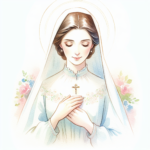
Saint John of the Cross — Doctor of Mystical Theology and Carmelite Saint
December 14
doctores Saint John of the Cross
Saint John of the Cross was a 16th-century Spanish mystic, Carmelite friar, and poet renowned for his profound spiritual writings. Born in 1542 in Fontiveros, Spain, he played a key role in reforming the Carmelite Order and is celebrated for his contributions to Christian mysticism. His life was marked by imprisonment, spiritual revelation, and tireless pursuit of union with God. He was canonized for his heroic virtue and theological insights, becoming a Doctor of the Church and a patron of contemplatives.
The name John originates from the Hebrew name Yohanan, meaning 'Yahweh is gracious.' The surname 'of the Cross' symbolizes his deep connection to Christ's crucifixion and his spiritual mission. The name John was common among early Christians, signifying humility and divine grace, fitting for a mystic devoted to Christ's suffering and salvation. The name has profound cultural and religious significance, representing spiritual humility and divine mercy.
Feast Day
December 14
Related Bible Verses
John 15:5
I am the vine; you are the branches. Whoever remains in me and I in him will bear much fruit.
This verse underscores the mystical union with Christ that Saint John of the Cross sought through prayer and contemplation.
Psalm 46:10
Be still, and know that I am God.
A central theme in Saint John’s spiritual life, emphasizing the importance of silent prayer and trust in God's presence.
2 Corinthians 12:9
My grace is sufficient for you, for my power is made perfect in weakness.
Reflects Saint John’s acceptance of suffering and divine grace as essential to spiritual growth.
Martyrdom and Canonization
Saint John of the Cross was prisoned unjustly for his reformist efforts within the Carmelite Order, demonstrating heroic virtue in enduring hardship for faith. His theological legacy is rooted in the pursuit of divine union through the purification of the soul via prayer, suffering, and mystical contemplation. His cause for canonization was opened shortly after his death, and he was canonized by Pope Benedict XIII in 1726. As a Doctor of the Church, he was recognized for his deep spiritual writings such as 'Dark Night of the Soul,' which outline the soul's journey toward union with God—a process requiring divine grace and perseverance. Miracles attributed to his intercession include healings from severe illnesses, officially documented and verified by the Church during his canonization process.
Miracles and Apparitions
Many verified miracles have been attributed to Saint John of the Cross, including healings of incurable diseases following prayers at his relics. Reported apparitions include visions of his spiritual presence comforting the faithful, especially during times of despair. Miraculous healings and answered prayers continue at shrines dedicated to him, notably in Spain and in Carmelite communities worldwide. The Church formally investigates and documents these miracles as part of the canonization process, confirming their divine authenticity and reinforcing his role as a powerful intercessor.
Prayer and Devotion
Devotees invoke Saint John of the Cross through various prayers, including the traditional 'Prayer to Saint John of the Cross' seeking spiritual enlightenment and perseverance. Novenas are often prayed during Lent or in times of spiritual dryness, asking for his intercession in overcoming darkness and doubt. Carmelite scapulars and medals depicting his image are worn as symbols of his spiritual protection and guidance. Pilgrimages to his shrines and relics foster a deeper contemplative prayer life, inspiring the faithful to seek divine union through prayer, penance, and trust in God's plan.
Saint John of the Cross is often depicted in artistic symbols holding a torch or a book, symbolizing divine light and spiritual wisdom. His poetry, written in the original Spanish, is considered some of the most exquisite and profound in Christian literature, inspiring countless saints and mystics throughout history.
Frequently Asked Questions
Why is Saint John of the Cross called a Doctor of the Church?
He was recognized by the Church for his outstanding theological writings on mystical theology, especially 'Dark Night of the Soul,' which profoundly influence Christian spirituality.
What are the main themes of his spiritual teachings?
His teachings focus on the purification of the soul, detachment from worldly things, and the union with God through mystical contemplation and divine grace.
How did Saint John of the Cross die?
He died peacefully in 1591 in Ubeda, Spain, after a life of suffering, prayer, and spiritual dedication, and is venerated as a martyr of divine love and mystical pursuit.

 Por Laura Jara