Introduction to the Three Biblical Grounds in the KJV
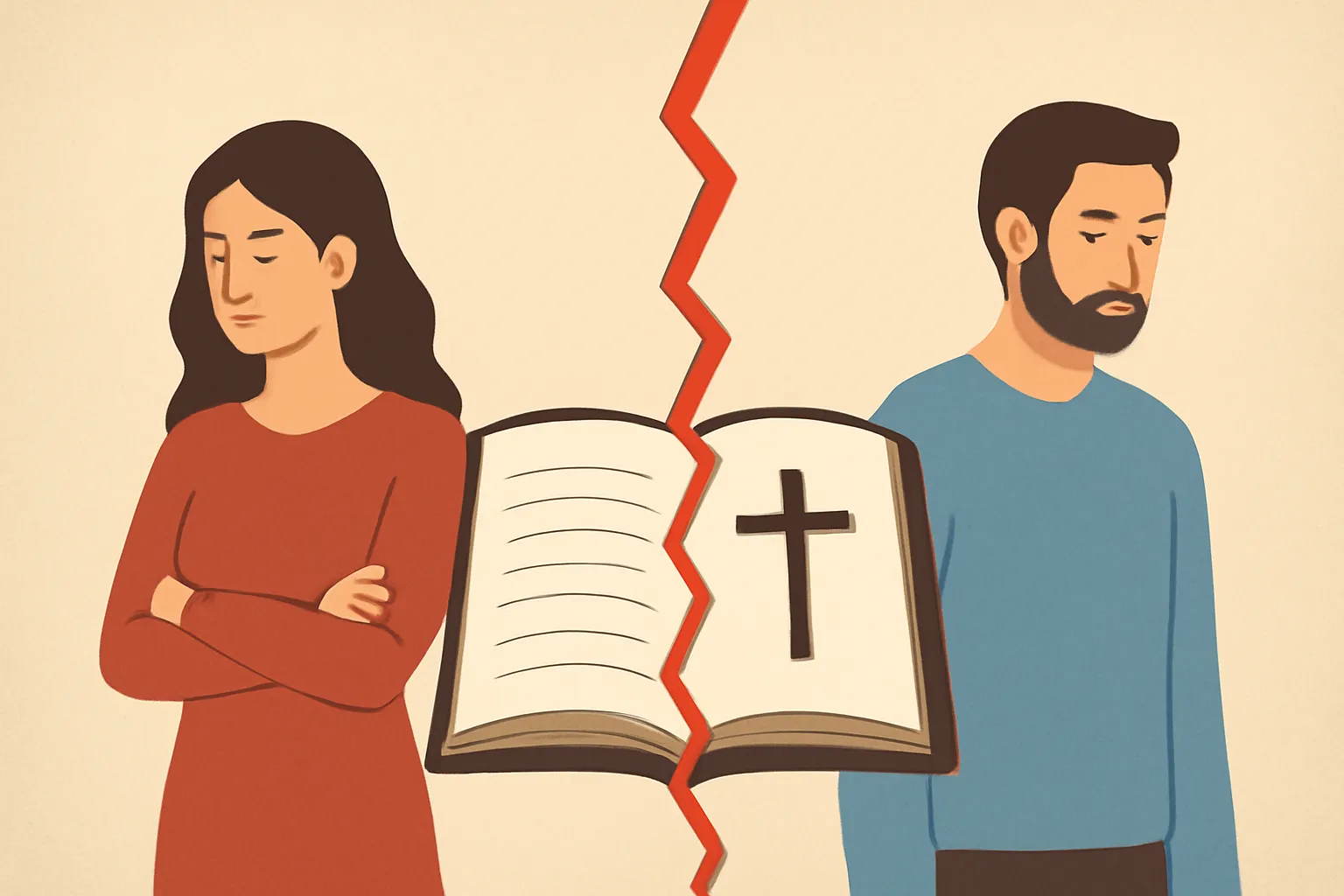
3 Reasons for Divorce in the Bible KJV: Biblical Insights invites readers to explore, with precision and care, how the King James Version presents grounds for divorce in Scripture. This article does not aim to judge or condemn personal circumstances; rather, it seeks to illuminate the biblical language, historical context, and pastoral implications of the three commonly discussed grounds found in the KJV texts. By surveying these passages, we gain a clearer sense of how divorce is portrayed in Scripture, when it is permitted, and how faith communities have understood and applied these teachings across generations.
Reason 1: Marital Unfaithfulness and Adultery (Fornication) as a Ground for Divorce
The most widely cited biblical ground for divorce in the KJV centers on marital unfaithfulness—often described in Scripture through terms such as fornication or adultery. In the Gospels, Jesus sharpens the teaching on divorce by allowing an exception in cases of fornication, and by underscoring the gravity of sexual unfaithfulness within the marriage covenant.
Scriptural Foundations in the King James Bible
Matthew 19:9 (KJV) — “And I say unto you, Whosoever shall put away his wife, except it be for fornication, and shall marry another, committeth adultery: and whoso marrieth her which is put away committeth adultery.”
Matthew 5:32 (KJV) — “But I say unto you, That whosoever shall put away his wife, saving for the cause of fornication, causeth her to commit adultery: and whosoever shall marry her when she is divorced committeth adultery.”
Mark 10:11–12 (KJV) — “And he said unto them, Whosoever shall put away his wife, and marry another, committeth adultery against her: And if a woman shall put away her husband, and be married to another, she committeth adultery.”
In the KJV, the word often translated as fornication is the Greek term porneia, which encompasses sexual immorality beyond merely the act of adultery between two people. The language of fault here is explicit: when unfaithfulness of the marriage bond occurs, divorce is permitted as a consequence of that breach. It is important to note that the text emphasizes that the underlying break in trust is not a matter to be taken lightly; rather, it points to a breach so severe that continued marriage would be incompatible with the faithful witness of the covenant.
Context and Practical Implications
The ground of adultery presents a scenario where one partner has already violated the fundamental covenant of marriage. In pastoral settings, this is often discussed in tandem with themes of accountability, forgiveness, healing, and the potential for reconciliation when possible, while also recognizing the harm caused by sexual infidelity.
The KJV wording frames this as a permissible cause for divorce rather than an encouragement to divorce in every case. It reflects Jesus’s purpose of protecting the innocent party and preserving the integrity of the marriage bond in cases of serious betrayal.
Reason 2: Desertion by an Unbelieving Spouse (Abandonment) as a Ground for Divorce
The second major ground commonly discussed in biblical interpretation of the KJV is the desertion or abandonment of a marriage by an unbelieving spouse. This principle is clarified in the apostolic writings, where the apostle Paul addresses situations in which one partner chooses to leave the marriage because of differing faith commitments.
Scriptural Foundations in the King James Bible
1 Corinthians 7:15 (KJV) — “But if the unbelieving depart, let him depart. A brother or sister is not under bondage in such cases: but God hath called us to peace.”
In 1 Corinthians, Paul acknowledges a scenario where one spouse (often the believer) is bound to a partner who refuses to share the same faith, and who deserts the marriage. The text indicates that in such a case, the faithful believer is not obligated to maintain the union under coercion or persistent conflict caused by the other party’s departure. The emphasis is on peace, safety, and the discernment of continuing a relationship that has become untenable due to the other’s actions.
Interpretive Nuances and Pastoral Considerations
The concept of desertion in this context is not merely about separation; it is about a choice by the unbelieving spouse that makes marital unity impossible or unsafe. This has been understood as a legitimate ground for separation and, in certain circumstances, divorce, especially when reconciliation is not feasible.
The KJV language emphasizes the calling to peace in the midst of difficult relationships. Churches and counselors often approach this scenario with emphasis on protection, safeguarding, and compassionate care for the believing spouse, while recognizing that the other partner’s departure may end the formal marriage relationship in the eyes of the church.
Reason 3: Mosaic Law’s Provision for Divorce on Grounds of Uncleanliness (Sexual Immorality)
The third major dbiblical ground discussed in the KJV tradition relates to the Mosaic provision for divorce when a wife is found to have uncleanness in her. This is expressed in Deuteronomy’s law as a husband’s option to issue a bill of divorcement if he finds fault in his wife that the text describes as uncleanness. The KJV renders this as an allowance within the covenant community, reflecting ancient near-eastern legal and social structures while guiding readers toward the seriousness of the covenant relationship.
Scriptural Foundations in the King James Bible
Deuteronomy 24:1–4 (KJV) — “When a man hath taken a wife, and married her, and it come to pass that she find no favour in his eyes, because he hath found some uncleanness in her: then let him write her a bill of divorcement, and give it in her hand, and send her out of his house; And when she is departed out of his house, she may go and be another man’s wife. And if the latter husband hate her, and write her a bill of divorcement, and give it in her hand, and send her out of his house; or if the latter husband die, which took her to be his wife, Her former husband, which sent her away, may not take her again to dwell, after that she is defiled; for that is an abomination before the LORD.”
In this passage, the uncleanness clause is the key technical phrase. In the KJV, it describes a fault deemed significant enough by the husband to warrant a formal divorce process. This law must be understood in its historical and covenantal context, including how Jesus later reframed the discussion around divorce and remarriage in the Gospel accounts.
Supporting Perspectives in the Biblical Canon
Malachi 2:16 (KJV) — “For the Lord, the God of Israel, saith that he hateth putting away.” While not a procedural law, this verse communicates God’s heart regarding divorce as something He opposes when it is rooted in hardness of heart rather than repentance and reconciliation.
The Gospels’ emphasis on marriage as a divine covenant—even as they restrict or reinterpret the grounds for divorce—encourage readers to approach this topic with a posture of grace, accountability, and care for vulnerable spouses.
Putting the Three Grounds in Theological Perspective
Taken together, these three biblical grounds reflect a spectrum of scenarios within the KJV tradition where divorce is treated as a permissible or acknowledged option within a framework of covenantal fidelity. The three grounds—marital unfaithfulness, desertion by an unbelieving spouse, and uncleanness/sexual immorality under Mosaic law—represent distinct contexts: a direct violation of the marriage bond, a breach caused by the other party’s spiritual disposition and actions, and a formal provision within the old covenant for a failed marriage due to specific moral fault.
Interpretive Nuances and Modern Applications
While the biblical texts rely on particular terms and historical circumstances, their underlying concerns include the protection of the vulnerable, the integrity of the marriage covenant, and the call to peace and reconciliation where possible. Readers today should consider:
Wisdom and discernment in distinguishing between biblical grounds and culturally shaped expectations.
Pastoral care for both spouses, including safety for the abused, avenues for reconciliation when feasible, and support for healing after separation.
a missional perspective that seeks to reflect God’s love and justice in all relationships, recognizing that divorce, while allowed in certain cases, is not a goal to pursue but a remedy in extreme circumstances.
Frequently Addressed Questions in KJV Context
The three grounds discussed above are frequently encountered in theological discussion and church practice. Some common questions include:
Is divorce always wrong? The biblical record distinguishes between sin, mercy, and complex relational harms. The Gospels and apostolic writings treat divorce as a serious matter, often permitted in cases of extreme violation of the covenant (e.g., forsaking the marriage bond, sexual immorality, and unbelief-driven desertion).
Can remarriage be permissible after divorce? In the KJV tradition, remarriage has nuanced guidance. Certain passages indicate that remarriage following divorce for marital unfaithfulness is not automatically condemned, while Jesus’ teaching in the Gospel accounts cautions against it except in cases of fornication (adultery/porneia).
What about abuse or danger in the home? Biblical principles prioritize safety and protection. While not always explicit in ancient statutes, the overarching call to peace, love, and justice informs contemporary pastoral responses to abuse, often favoring the safety and well-being of those at risk while seeking reconciliation and accountability where possible.
Practical Takeaways for Believers Studying the KJV
For readers seeking to apply these insights with integrity and care, consider the following practical guidelines drawn from the biblical text and its historic reception:
Know the texts—familiarize yourself with the core verses: Matthew 19:9, Matthew 5:32, Mark 10:11–12, 1 Corinthians 7:15, and Deuteronomy 24:1–4 in the KJV.
Hold to covenantal harmony—the covenantal design of marriage is central; divorce is addressed with the intent of justice, mercy, and the protection of the vulnerable.
Seek pastoral counsel—in practical terms, decisions surrounding divorce are deeply personal and multifaceted. A pastoral counselor or spiritual advisor can help navigate safety, faith commitments, and community support.
Conclusion: A Biblical Framework for Understanding the Grounds for Divorce in the KJV
The King James Version presents a nuanced picture of divorce that centers on the seriousness of the marriage covenant. The three grounds discussed—marital unfaithfulness, desertion by an unbelieving spouse, and uncleanness/sexual immorality as described in the Mosaic law—offer a framework for biblical reflection that respects both the sanctity of marriage and the realities of human brokenness. When studied with attentiveness to text, context, and pastoral responsibility, these passages help believers discern how to respond to situations of conflict, pain, or betrayal in ways that honor God, protect the vulnerable, and seek peace where possible.
Further Notes and Reading Suggestions
For extended study, examine the related verses across the Gospels and the Pauline letters: Matthew 5:32, Matthew 19:3–9, Mark 10:2–12, 1 Corinthians 7, and Malachi 2:16.
Consider how the terms porneia, uncleanness, and unbelieving departs operate within their literary and historical contexts in the King James Bible.
Explore how church history, theology, and pastoral practice have interpreted and applied these grounds in diverse communities, while maintaining fidelity to the biblical witness.
This article has offered a structured overview of the three grounds for divorce as presented in the King James Version. By engaging with the text carefully—through exegetical study, historical awareness, and compassionate pastoral care—readers can arrive at a deeper understanding of what the Bible says about divorce, remarriage, and the healing paths available to broken relationships.
Note: While the KJV presents these grounds with particular wording and emphasis, contemporary readers should always consider instruction from trusted pastors, counselors, and scholars to apply these principles in ways that honor God and protect the wellbeing of all involved.

 Por Laura Jara