Introduction: The Central Message of the Bible — Jesus Dying for Our Sins
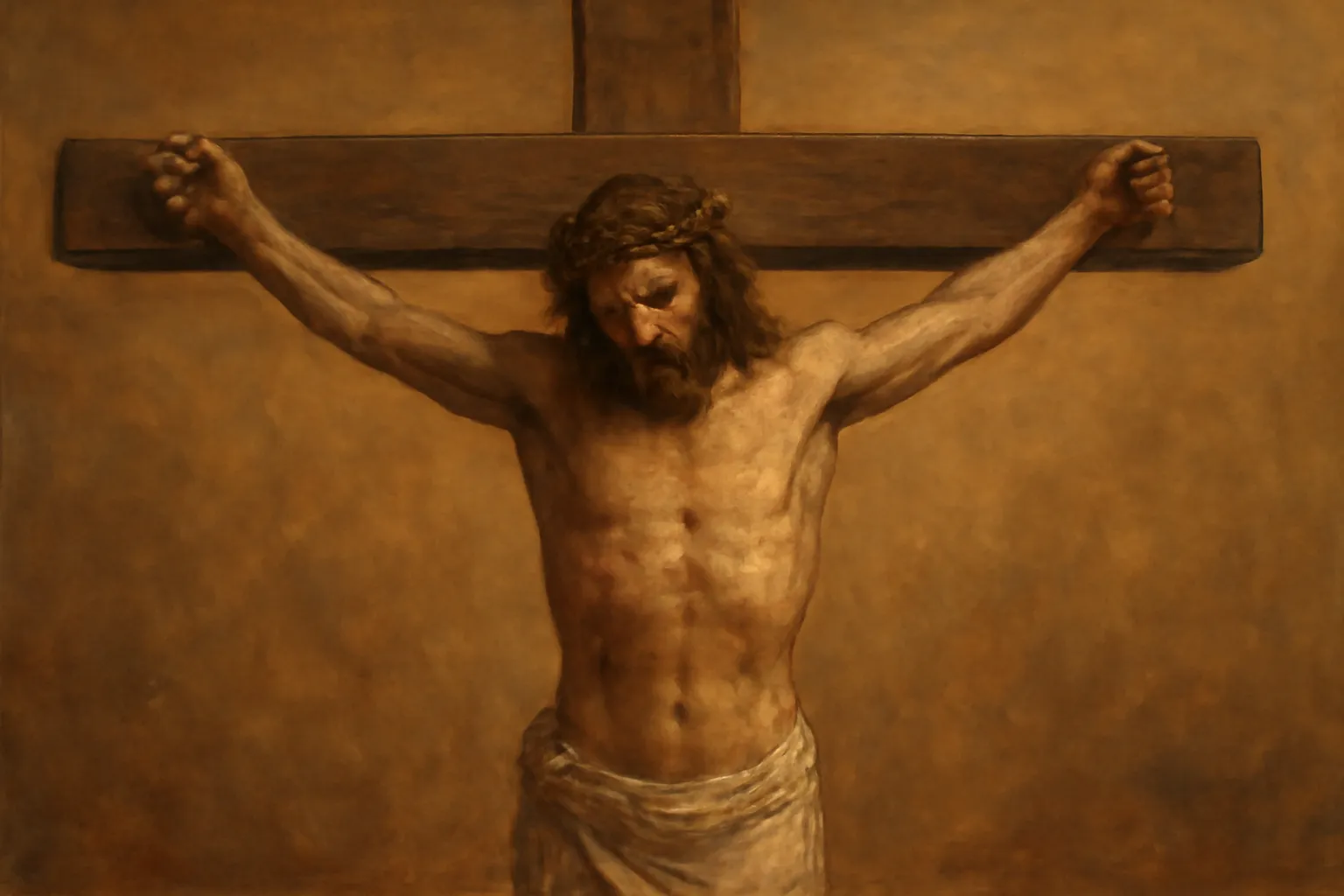
Across the witness of Scripture, the death of Jesus Christ is presented as the decisive act by which humanity is reconciled to God. The phrase “dying for our sins” captures a core truth: in love and mercy, Christ bore the penalty due to sinners, satisfying the righteous requirements of justice while extending forgiveness and new life to all who trust in Him. This article gathers a broad survey of Bible verses that speak to Jesus’ atoning death, highlighting how Scripture frames this event as substitution, redemption, propitiation, and a doorway to eternal life. We will explore verses from the Gospels, the apostolic letters, and the prophetic witness that foreshadowed the cross, and we will show how these passages illuminate the meaning and application of Christ’s sacrifice for contemporary faith.
Throughout, you will see recurring terms emphasized: atonement, propitiation, redemption, and reconciliation. These words summarize how the Bible describes what happened when Jesus died: a sacrificial act that deals with sin, restores broken relationship with God, and grants believers a secure hope grounded in God’s love and justice.
Key New Testament Foundations: Verses About Jesus Dying for Our Sins
The New Testament decisively presents Jesus’ death as the means by which personal guilt is addressed, divine wrath is averted, and humanity is invited into a living relationship with God. Below are grouped verses that illuminate this theme from various angles: the Gospel narratives, Paul’s letters, the author of Hebrews, and the apostle John.
Gospel Narratives: Jesus’ Death as Sacrifice and Fulfillment
John 1:29: “Behold the Lamb of God, which taketh away the sin of the world.”
Mark 10:45: “For even the Son of man came not to be ministered unto, but to minister, and to give his life a ransom for many.”
John 19:30: “When Jesus therefore had received the vinegar, he said, It is finished: and he bowed his head, and gave up the ghost.”
1 Peter 2:24: “Who his own self bore our sins in his own body on the tree, that we, being dead to sins, should live unto righteousness: by whose stripes ye were healed.”
Pauline Epistles: Propitiation, Justification, and Redemption Through Christ
Romans 3:25–26: “Whom God hath set forth to be a propitiation through faith in his blood, to declare his righteousness for the remission of sins that are past, through the forbearance of God… to declare, I say, at this time his righteousness: that he might be just, and the justifier of him which believeth in Jesus.”
Romans 5:8–9: “But God commendeth his love toward us, in that, while we were yet sinners, Christ died for us. Much more then, being now justified by his blood, we shall be saved from wrath through him.”
Romans 6:23: “For the wages of sin is death; but the gift of God is eternal life through Jesus Christ our Lord.”
Ephesians 1:7: “In whom we have redemption through his blood, the forgiveness of sins, according to the riches of his grace.”
Colossians 1:14: “In whom we have redemption through his blood, even the forgiveness of sins.”
2 Corinthians 5:21: “For he hath made him to be sin for us, who knew no sin; that we might be made the righteousness of God in him.”
Galatians 3:13: “Christ hath redeemed us from the curse of the law, being made a curse for us.”
1 John 2:2: “And he is the propitiation for our sins: and not for ours only, but also for the sins of the whole world.”
1 John 4:10: “Herein is love, not that we loved God, but that he loved us, and sent his Son to be the propitiation for our sins.”
Hebrews 9:28: “So Christ was once offered to bear the sins of many.”
Hebrews 10:10: “By the which will we are sanctified through the offering of the body of Jesus Christ once for all.”
Hebrews 10:12: “But this man, after he had offered one sacrifice for sins for ever, sat down on the right hand of God.”
John’s Letters: Assurance through the Atonement and God’s Love
1 John 2:2 (already cited above): “And he is the propitiation for our sins…”
1 John 1:7: “But if we walk in the light, as he is in the light, we have fellowship one with another, and the blood of Jesus Christ his Son cleanseth us from all sin.”
1 John 5:11–12: “And this is the record, that God hath given to us eternal life, and this life is in his Son. He that hath the Son hath life; and he that hath not the Son of God hath not life.”
Old Testament Foreshadowing: The Atoning Picture Before the Cross
The cross did not arrive in a vacuum; it stands on the foundation of prophetic passages that spoke of substitution, suffering, and salvation. Reading these texts alongside the gospel accounts helps illuminate how Jesus’ death fulfills what God had prepared for His people for centuries.
Isaiah 53:5–6: “But he was wounded for our transgressions, he was bruised for our iniquities: the chastisement of our peace was upon him; and with his stripes we are healed. All we like sheep have gone astray; we have turned every one to his own way; and the Lord hath laid on him the iniquity of us all.”
Isaiah 53:10–11: “Yet it pleased the Lord to bruise him; he hath put him to grief: when thou shalt make his soul an offering for sin, he shall see his seed, he shall prolong his days, and the pleasure of the Lord shall prosper in his hand… by his knowledge shall my righteous servant justify many; for he shall bear their iniquities.”
Psalm 22:1–2, 18: A vivid lament that foreshadows suffering and the response of God’s people, culminating in trust in God’s deliverance and vindication of the righteous one who suffers for others.
Theological Themes: What the Atonement Accomplishes
The Bible’s portrait of Jesus’ death emphasizes several interlocking themes, each helping believers understand why the cross matters for salvation, holiness, and daily living.
Propitiation — Jesus’ death satisfies the righteous wrath of God toward sin, removing the barrier that separates sinners from the holy God. Verses such as Romans 3:25 and 1 John 2:2 firmly anchor this concept.
Redemption — A release from bondage, often described in terms of being bought back or liberated from slavery to sin. Key passages include Ephesians 1:7 and Colossians 1:14.
Justification — Through faith in Christ’s blood, sinners are declared righteous in God’s sight. See Romans 3:24–26 and Romans 5:9.
Reconciliation — The broken relationship between God and humanity is reestablished through Christ’s atoning work. Consider 2 Corinthians 5:18–19 (not quoted here in full, but central to the reconciliation theme).
Substitution — Jesus stands in the place of sinners, bearing the penalty they deserve. This is explicit in 1 Peter 3:18 and 2 Corinthians 5:21.
Practical Implications: How these verses shape Christian life and worship
The biblical teaching that Jesus died for our sins is not merely a doctrinal statement; it is a summons to respond in faith, repentance, gratitude, and daily living. The following implications are commonly drawn from the doctrine of atonement.
Confidence in God’s love — The cross is the supreme demonstration of God’s love (see Romans 5:8). Believers are invited to trust in this love as the secure basis of their salvation and identity.
Assurance of forgiveness — Because Christ’s sacrifice is effective, believers can claim forgiveness and cleansing (see 1 John 1:7 and 1 John 1:9).
New life and moral transformation — The atonement enables a life oriented toward righteousness, not merely away from sin (see Romans 6:4 and Romans 8:1).
Hope for the future — The sacrifice guarantees eternal life and God’s ongoing stewardship of history (see John 3:16 and 1 Thessalonians 4:14–17).
Motivation for evangelism — The power and reach of the cross extend to the whole world (see Romans 5:8 and 1 John 2:2).
Verse-by-Verse Highlights: A Compact Reference for Memorization and Reflection
For personal study, worship, or teaching, the following compact references provide a cross-section of voices and perspectives on Jesus’ atoning death. Each item includes a brief note to help you see the verse in context and apply it to life.
John 1:29 — Jesus is identified as the Lamb who takes away sin.
Romans 3:25–26 — Propitiation and righteousness declared through the cross.
Romans 5:8–9 — God’s love demonstrated in Christ dying for sinners; justification by his blood.
1 Peter 2:24 — Our sins borne in the body of Christ on the tree.
Hebrews 9:28 — Christ bears the sins of many through a single offering.
Hebrews 10:10 — The one sacrifice that sanctifies believers “once for all.”
1 John 2:2 — Propitiation for our sins, and for the sins of the whole world.
Ephesians 1:7 — Redemption and forgiveness through the riches of grace.
Colossians 1:14 — Redemption through his blood; forgiveness of sins.
2 Corinthians 5:21 — God made him who knew no sin to be sin for us.
Galatians 3:13 — Redeemed from the curse of the law by becoming a curse for us.
Isaiah 53:5–6 — Suffering for our transgressions and iniquities; our healing through his wounds.
1 Peter 3:18 — Christ suffered for sins, the just for the unjust, to bring us to God.
John 19:30 — “It is finished,” signaling completion of the redemptive work on the cross.
Romans 3:25 (repeat emphasis) — Faith in his blood for righteousness and forgiveness.
Notes on How to Read These Passages Together
Reading these verses in conversation helps prevent a narrow view of the atonement. The Bible presents a coherent theology where the cross addresses divine justice and grace in a single, effective act. Consider the following guiding ideas as you study:
Context matters — Each verse sits within a larger argument about sin, grace, faith, and eternal life. When reading isolated lines, ask: What does this passage say about God’s character, human need, and the response required of faith?
Different words, same truth — Terms like atonement, propitiation, redemption, and reconciliation describe facets of the same saving work. They help us articulate the breadth of the cross without reducing it to a single idea.
Christocentric reading — Every reference to the death of Jesus points to Him as the center of salvation history. The old covenant foreshadowing culminates in the cross, and the cross empowers the church’s mission and daily living.
Additional Considerations: The Cross in Worship and Community
The implications of Jesus’ dying for our sins extend into worship, preaching, and community life. In corporate settings, believers often recite or sing truths derived from these verses, reminding one another that salvation is by grace through faith and that the blood of Christ” cleanses from all sin. When teaching or discipling new believers, sharing these verses helps articulate both the necessity of atonement and its gracious provision.
For pastors, teachers, and lay readers alike, a balanced approach is helpful: acknowledge the gravity of sin and judgment, celebrate the sufficiency of Christ’s sacrifice, and encourage a living faith that bears fruit in love, holiness, and mission. The cross is not merely an ancient event but a living reality that shapes how Christians relate to God, how they relate to one another, and how they engage with a restless world in need of good news.
Tips for Personal Study and Reflection
Memorize key verses that directly speak of atonement and forgiveness, such as John 1:29, Romans 3:25–26, Romans 5:8–9, and 1 John 2:2.
Meditate on the verbs used for Christ’s death—bear, suffer, shed, redeem, ransom, justify—to understand how each word deepens your understanding of the one saving act.
Cross-reference with Isaiah 53 and the Psalm references to appreciate the continuity between the Old and New Testaments.
Pray through the themes—propitiation, redemption, reconciliation—and ask God to deepen your trust, gratitude, and obedience in light of the cross.
Conclusion: The Bible’s Unified Message About Jesus’ Death
In sum, the Bible presents Jesus dying for our sins as the decisive act that reconciles us to God, redeems us from sin’s power, and secures eternal life for all who believe. From the prophetic anticipation in Isaiah to the apostolic proclamation in Romans, from the theological depth of Hebrews to the pastoral assurances in John’s letters, the cross stands as the pivot of salvation history. As you engage with these verses, let their breadth deepen your worship, enrich your understanding, and strengthen your daily walk with Christ.
Whether you are exploring the faith for the first time or seeking to deepen mature belief, the biblical witness remains clear: Jesus died for our sins — and through faith in Him, we receive forgiveness, life, and a restored relationship with God.

 Por Laura Jara