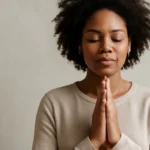
Introduction: The Transformative Power of Blessings Prayers
In every culture and tradition, there exists a shaping force known by many names: blessings, prayers, benedictions, and sacred affirmations. At its core, Blessings Prayers are acts of spoken, written, or felt intention that invite a moment of grace into daily life. They are not merely phrases recited for ritual; they are meaningful practices that can uplift your spirit, anchor your day, and align your heart with something larger than yourself. This article surveys the ordinary and extraordinary ways people use blessings and prayers to cultivate gratitude, resilience, wisdom, and peace.
Whether you are new to chanting a blessing over a meal, asking for divine guidance, or composing a personal blessing for a loved one, the practice can become a steady companion. By exploring the variations of blessing prayers, their structure, and practical applications, you can discover approaches that feel authentic to your life, beliefs, and creative voice.
What Are Blessings Prayers?
A blessing prayer is a small, intentional utterance or passage that invokes goodwill, safety, health, harmony, or divine presence for someone, something, or oneself. It may be directed toward a person, a family, a community, an object, a situation, or the world at large. The aim is to invite grace, cadence, and presence into everyday moments—turning ordinary routines into sacred pauses.
There are several ways to think about blessings and prayers:
Personal blessings that ground a moment with gratitude and intention (for example, blessing your own day or your own heart).
Intercessory blessings offered for others, often in times of need or celebration.
Community blessings that weave shared hope, rituals, or collective nourishment.
Family blessings passed through generations—traditions that connect present and past with tenderness.
Seasons of life blessings marked by rites of passage, healing, or transition.
Variations of Blessing Prayers: Forms, Tones, and Traditions
Across cultures, so many forms of blessing prayers exist that a single page cannot capture them all. What unites them is a sense of intention—an inner voice that believes something better is possible and that language can help bring it into being. Below are broad categories and examples you may encounter or adopt.
Daily Blessings: Small, Consistent Prayers
These are concise, easy-to-make rituals that you can weave into morning routines, mealtimes, or bedtime. They center on grounding, gratitude, and a gentle opening to the day ahead.
Heart-of-Home Blessings
Designed for the home, family, and guests, these blessings cultivate hospitality, warmth, and safety within living spaces. They may accompany a meal or a welcome at the door.
Healing and Protection Blessings
When healing or safety are needed, blessings prayers can offer comfort, courage, and hope. They may refer to physical, emotional, or spiritual well-being and often include requests for strength and relief.
Blessings Across Traditions
Many faiths hold powerful blessing prayers that reflect their own language, imagery, and sacred stories. You can explore Christian benedictions, Islamic duas, Judaism’s blessings, Hindu mantras, and Buddhist-inspired blessing phrases. While the words differ, the aim—illumination, mercy, and goodwill—remains common.
Gratitude and Benediction for Nature
Blessings can be offered to the earth, the skies, and the cycles of life. These prayers widen the sense of relationship to include nonhuman life and the larger web of existence.
If you want to uplift your spirit during a busy day, there are practical structures for blessing prayers that fit into daily life without requiring long rituals.
Short blessing over a meal: A few lines acknowledging gratitude for nourishment and the hands that prepared it.
Morning intention blessing: A line or two that sets the tone for the day—focusing on patience, courage, or kindness.
Evening reflection blessing: A quiet moment to release stress, celebrate small wins, and surrender to rest.
Workplace blessing: A prayer or blessing for clarity, cooperation, and safety in the tasks at hand.
Blessings for Families and Relationships
The family and intimate circle often benefit from intentional blessings that acknowledge interdependence, love, and mutual care. Blessings can be shared at gatherings, during celebrations, or when someone faces a challenge.
Family Blessings
A family blessing may bless each member by name, bless shared meals, or bless the home with harmony. You can include language that honors each person’s unique gifts while recognizing the bond you share.
Blessings for Friends and Communities
Extending a prayer of blessing to friends and neighbors nurtures connection and mutual support. It can be a seasonal practice—offering blessings during times of trial or transition (e.g., moves, graduations, illnesses, or losses).
Blessings for Healing, Peace, and Protection
There are specific archetypes of blessing prayers that center around healing, peace, and protection. They can be tailored to reflect personal beliefs and the particular circumstances of the moment.
Healing Blessings
A healing blessing does not promise a particular outcome but rather an experience of presence, relief, and wholeness as it is possible. It may invite patience with the body and compassion toward the self.
Blessings for Peace
When agitation arises, a peaceful blessing can help recalibrate the nervous system, offering rhythm, calm, and reset. Repetition, breath, and gentle imagery strengthen its effect.
Protection and Courage Blessings
A blessing for protection or a blessing for courage can remind us that we are not alone, that resilience exists within and around us, and that supportive forces are available in difficult times.
How to Use Blessing Prayers: Practical Steps
Here are practical guidelines for integrating blessings prayers into your life with intention and mindfulness.
Set a quiet intention. Find a moment of stillness, close your eyes, and name the purpose of the blessing. Is it for gratitude, healing, guidance, or protection?
Choose or craft the form. You can use a traditional blessing, a personal prayer, a short blessing over a meal, or a longer written blessing. Tailor the language to your heart and beliefs.
Incorporate breath. A simple breathing pattern (inhale for four counts, exhale for six) can deepen the sense of presence as you recite or write the blessing.
Speak or write with specificity. Include clear, meaningful nouns and verbs, such as “may you be surrounded by grace, may you find strength, may healing unfold.”
End with gratitude. After the blessing, pause to offer thanks for whatever relief, support, or transformation may come.
Make it regular. Consistency builds the practice. Consider a daily morning blessing, a weekly family blessing, or a seasonal blessing.
Record and reflect. Keep a small journal of blessings you’ve offered and received. Note any shifts in mood, perspective, or relationships.
Crafting Your Own Blessing Prayers: Tips for Personal Expression
If you want to write your own blessing prayers, here are practical tips to make them meaningful and memorable.
Use present-tense language. Writing in the present helps the blessing feel active in the moment («May I find peace today,» not «I hope to find peace»).
Be具体, not vague. Replace abstract ideas with concrete images (a sunrise, a steady hand, a warm home).
Include intention and outcome. State what you hope to invite or nurture (clarity, patience, healing, connection).
Honor the recipient. Name who you are blessing and what they might need, while balancing humility and hope.
Keep it short and repeatable. Short blessings are easy to memorize and repeat in moments of stress or sprinting days.
Invite a sense of the sacred. You may refer to the divine, the universe, nature, or the inner wisdom you trust—whatever language feels authentic to you.
Sample Blessing Prayers: A Collection to Inspire You
Below are a variety of short and longer samples you can read aloud, recite privately, or adapt for your own needs. Each emphasizes different aspects of blessing—gratitude, protection, healing, and connection.
Sample 1: A Simple Morning Blessing
May this day bring clarity, patience, and joy. May I move with intention, notice the good around me, and offer kindness to those I meet. Thank you for this breath, this body, this opportunity to begin again.
Sample 2: A Blessing for Family at Home
Bless this home with warmth, safety, and openness. May each heart here speak gently, may each dish be shared with gratitude, and may we support one another with listening and love. May our meals become a feast of connection and grace.
Sample 3: A Blessing for a Friend Going Through Hard Times
May strength carry you now, and may you feel held by the care of others. May fear loosen its grip, may courage rise, and may healing unfold in its own time. You are not alone—peace comes softly, one breath at a time.
Sample 4: A Blessing for Healing and Renewal
May your body be nourished by rest and compassion, may your mind settle into calm, and may your spirit discover renewed resilience. May healing flow through every cell, and may you know that you are worthy of wholeness.
Sample 5: A Blessing for a Meal
Gratitude for this nourishment and for the hands that prepared it. May it strengthen our bodies, sharpen our minds, and remind us to share generously with others. Bless this meal and all who sustain it.
Sample 6: A Seasonal Benediction
As the season turns, may we release what no longer serves us and welcome what nourishes life. May the earth’s abundance remind us of interconnection, and may our hearts be filled with gratitude for the circle of life.
Blessings Prayers Across Traditions: A Gentle Panorama
Many faiths and cultures teach the practice of blessing prayers in distinct idioms, symbols, and liturgies. Here is a respectful, high-level look at how some traditions approach blessing and benediction.
Christian Benedictions
In Christian practice, a benediction is a blessing offered at the end of a service or gathering. It often invokes God’s grace, peace, and blessing upon the congregation and may be delivered in spoken form, spoken poetry, or hymn-like cadence.
Judaism: Blessings and Protective Prayers
Jewish blessing prayers include blessings over acts of daily life, Torah study, and occasions of joy or need. The cadence of these blessings often uses Hebrew phrases and a rhythm that fosters mindfulness in ordinary acts, turning daily routines into acts of devotion.
Islamic Duas
In Islam, duas are supplications that request guidance, mercy, protection, and relief from hardship. They can be simple or elaborate, spoken in Arabic or translated, and are frequently recited with intention, humility, and faith in God’s mercy.
Hindu Mantras and Blessings
Hindu blessing prayers often employ mantras or shlokas that invoke deities, cosmic order (dharma), and personal well-being. The language is rich with imagery of light, nature, and divine presence, inviting serenity and purpose.
In Buddhism, blessings may arise from compassionate intention and practice rather than a particular deity. Metta (loving-kindness) meditation is a form of blessing that radiates goodwill toward self and others, cultivating inner peace and interconnectedness.
Why Blessings Prayers Matter: The Benefits Beyond the Moment
Blessings prayers are more than ritual language; they can become a psychological and emotional practice that reshapes perception and behavior. Some of the benefits include:
Emotional regulation through deliberate breath, cadence, and focus.
Reduced stress and anxiety as thoughts shift toward gratitude and provision.
Increased sense of connection to others, community, and a larger frame of meaning.
Improved resilience by naming hopes and resources for healing or protection.
Enhanced mindfulness in everyday actions, turning routine acts into sacred moments.
Common Pitfalls to Avoid in Blessings Prayers
To keep blessings prayers meaningful and inclusive, consider avoiding these common pitfalls:
Rigid formulas that feel hollow or insincere.
Imposing beliefs on others; aim for language that invites and honors diverse perspectives.
Gurus and guarantees that promise outcomes; instead, focus on intention, presence, and shared hope.
Overlong text that drains the moment; brevity can carry more presence.
Creating a Personal Blessings Practice: A Simple Weekly Plan
If you want a sustainable practice, consider a simple weekly rhythm that blends intention, reflection, and community.
Monday blessing: Set an intention for the week—what you wish to invite or release.
Wednesday blessing: A short blessing for someone you know who needs support.
Friday blessing: A grateful blessing for the week’s experiences, both joys and challenges.
Weekend share: If you gather with family or friends, offer a blessing that honors your shared bonds.
Frequently Asked Questions About Blessings Prayers
Here are quick answers to common questions people have about blessings and prayers.
What makes a blessing different from a prayer?
In everyday use, a blessing is often a wish for goodness placed upon someone or something, whereas a prayer can be a more formal request for divine or higher guidance, protection, or intervention. In practice, the lines blur, and many people interchange the terms while maintaining the same aim: to invite grace, strength, or healing.
Can blessing prayers be secular?
Absolutely. Secular blessing prayers are not tied to any particular faith tradition. They typically center on gratitude, intention, and well-wishing—language that honors human possibility, compassion, and shared humanity.
How long should a blessing prayer be?
There is no fixed length. Some blessings are two or three lines; others are a paragraph or a short page. The key is to match the length to the moment and the audience, ensuring it feels authentic and accessible.
In group settings, consider a tone that invites participation rather than enforces a single pattern. You can invite others to repeat a refrain, offer their own blessing, or simply listen with reverence as someone shares a blessing for the group.
Conclusion: A Gentle Practice That Elevates Spirit
Blessings Prayers are a way to infuse daily life with intention, gratitude, and care. They offer a practical doorway to greater presence, a channel for healing and hope, and a means to honor the interconnectedness of all beings. Whether you adopt a traditional form, craft your own personal blessing, or combine multiple approaches from various traditions, the essential practice remains consistent: pause, name what you value, and open yourself to a sense of grace.
If you are seeking to uplift your spirit and foster a kinder, more intentional life, begin with a small blessing today. It may be a blessing over your morning coffee, a note of blessing for a friend, or a prayer whispered at the edge of sleep. In time, the practice can become a trusted companion—an ever-present source of light, clarity, and connection.

 Por Laura Jara