Can a Christian be gay? Exploring Faith, Identity, and Community
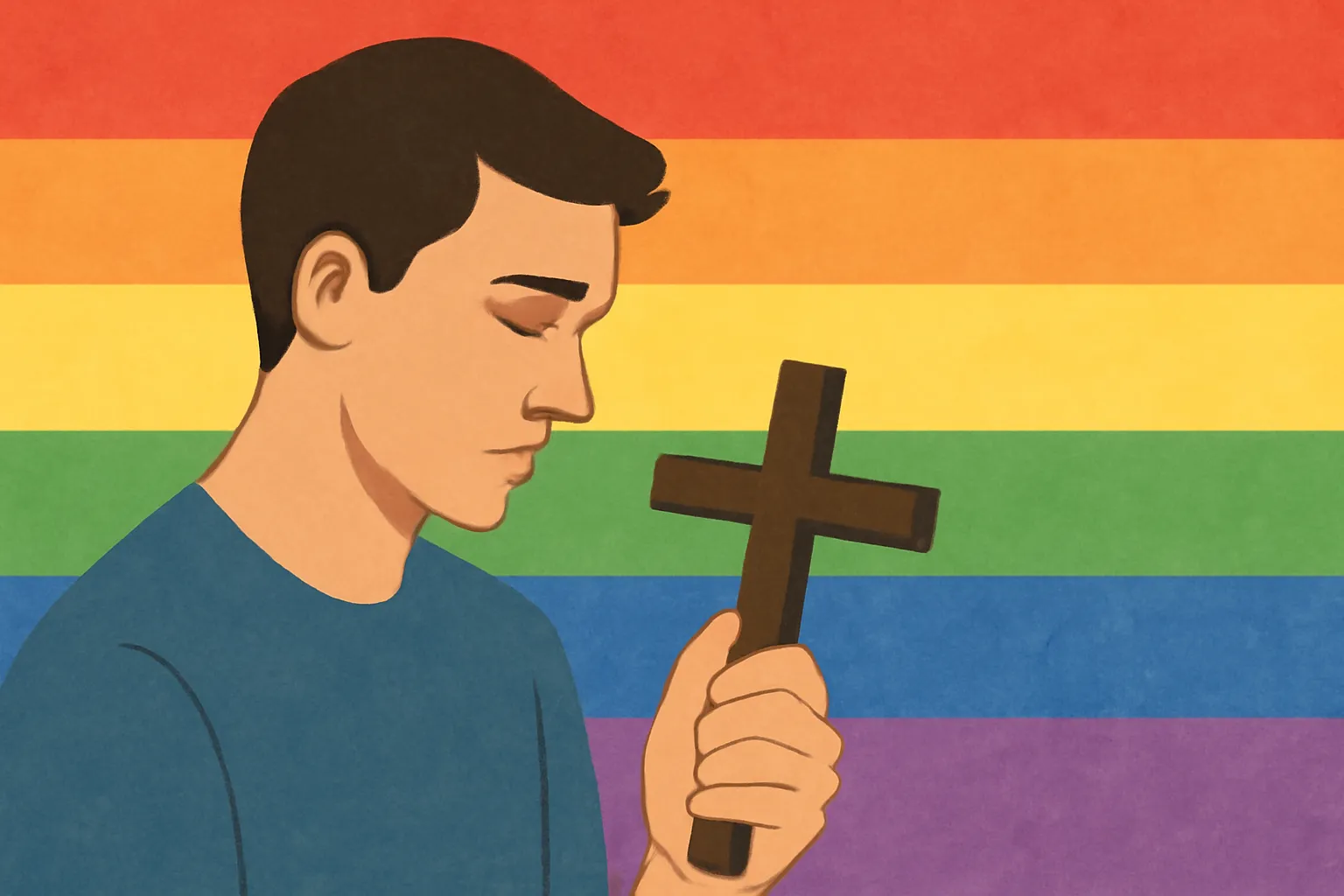
The question “Can a Christian be gay?” sits at the intersection of faith, personal identity, and communal life. For many people, the answer shapes how they understand themselves, how they relate to churches or faith communities, and how they imagine their future. This article seeks to explore the topic with nuance and care, recognizing that there are diverse beliefs within Christianity as well as diverse experiences among LGBTQ+ people. Throughout, you will see phrases like “Is a Christian allowed to be gay?”, “Can LGBTQ Christians practice faith?”, and “Are gay Christians accepted in church?” used to reflect common questions people bring to their churches, study groups, campuses, and homes.
Historical and cultural context: how views have shifted and why it matters
Across time and space, Christian communities have approached sexuality differently. In some eras and places, same-sex relations were treated as a matter of personal sin to be cured or corrected. In others, religious communities developed more expansive understandings of gender, love, and commitment. Today, a growing number of churches, denominations, and congregations openly welcome LGBTQ+ people and perform same-sex weddings, while other groups maintain traditional interpretations that reserve sacred marriage for a man and a woman or call for celibacy for those who experience same-sex attraction.
The ongoing conversation is not casual. It involves questions about scriptural interpretation, ecclesial authority, pastoral care, and the meaning of human flourishing. For many people, the central issue is not merely whether gay identity can exist within a Christian framework, but how a faith community can embody love, truth, and justice in ways that honor both conscience and community life. In exploring this topic, it helps to know:
Some Christians emphasize biblical authority and insist on heterosexual marriage as the default pattern for sexual ethics.
Other Christians stress inclusivity and argue that love and committed relationships can be expressed in same-sex unions without compromising core gospel principles.
Many pastors and lay leaders seek to balance pastoral care with doctrinal convictions, choosing language and policies that aim to protect vulnerable people while upholding their beliefs.
Different Christian perspectives on sexuality: a landscape of views
The question “Can Christians be gay?” has many possible answers depending on which Christian tradition is engaged. Here are three broad streams you will often encounter:
Traditional and conservative perspectives
In many evangelical and some fundamentalist contexts, the position is that sexual activity should occur only within the bounds of heterosexual marriage, and that same-sex sexual acts are not in accordance with God’s design for human sexuality. For adherents of this view, a person who experiences same-sex attraction may be encouraged toward celibacy or toward heterosexual marriage if that is part of their lived reality. Proponents typically emphasize biblical fidelity, moral formation, and personal holiness as the framework for living a life pleasing to God.
In many mainline Protestant communities, as well as in some Catholics, Orthodox, and Pentecostal groups, there is a growing belief that loving, committed same-sex relationships can be compatible with Christian discipleship. Proponents argue that scripture must be read in its historical and cultural context, that Jesus’ message was fundamentally about love and justice, and that churches must welcome people into community regardless of sexual orientation. In these circles, you may find affirming pastoral care, ordination of LGBTQ+ clergy, and the blessing or institutional recognition of same-sex marriages in some denominations.
Progressive or reformist perspectives
Some Christian thinkers and communities embrace an even broader approach to gender and sexuality, emphasizing intersectional justice, reconciling science and faith, and a broader understanding of vocation beyond marriage. Within this framework, individuals are encouraged to discern how their faith calls them to live with integrity, love their neighbors, and participate in the life of the church in meaningful ways—even when their sexual orientation or gender identity challenges traditional norms.
Scriptural interpretations and debates: how the question is read in the Bible
A central part of the conversation about Can a Christian be gay? concerns how scripture is read and applied. Different communities prioritize different hermeneutical methods, which leads to divergent conclusions.
Old Testament passages often cited
Some readers point to certain passages in Leviticus or elsewhere as establishing a pattern of prohibition regarding same-sex acts. Critics of a universal prohibition note that these passages must be understood within their ancient Near Eastern context, addressing issues like ritual purity, temple practice, or specific forms of exploitation, rather than a blanket statement about loving, consensual relationships between adults.
New Testament passages and their interpretation
In the New Testament, passages in Romans, 1 Corinthians, and 1 Timothy frequently appear in discussions about sexuality. Debates center on questions like whether Paul’s language reflects his historical situation, how sexual ethics relate to other Christian virtues, and whether translations capture the full sense of terms used in context. Some readers emphasize that Jesus himself rarely spoke about sexual ethics directly, focusing instead on love, mercy, and the kingdom of God; others argue that sexual ethics do matter for Christian discipleship. This divergence contributes to different conclusions about whether same-sex relationships can be considered within a faithful Christian life.
Key themes in the conversation: love, justice, and fidelity
Across disagreements, several core themes recur:
Love and neighborliness: The central call to love one another often shapes how communities welcome LGBTQ+ people or set boundaries around sexuality.
Faithfulness and discipleship: How a person pursues a life devoted to God, even when sexuality presents complex questions, is a major criterion for many faith communities.
Justice and inclusion: Questions about fairness, equal participation, and the dignity of every person frequently drive policy, liturgy, and pastoral care.
Pastoral care as a practice: The aim is to accompany individuals with compassion, while not compromising deeply held convictions in ways that cause harm.
Pastoral care and community life: what it means to belong
For many people, belonging to a faith community is inseparable from how they understand themselves. The question “Can a Christian be gay and still belong?” speaks to whether churches can be communities of grace that witness to God’s love for all people. Pastoral care in this area often involves:
Safe spaces where conversations about sexuality can occur without fear of judgment or discrimination.
Clear boundaries that protect vulnerable members while inviting honest dialogue and growth.
Spiritual disciplines—prayer, scripture study, and communal discernment—that help individuals align life choices with their faith commitments.
Leadership inclusion—opening doors for LGBTQ+ people to serve in ministries and leadership roles where possible, or providing pathways for theological education and mentorship.
Churches wrestle with practical questions such as whether to officiate same-sex weddings, how to support married LGBTQ+ couples, how to teach youth in a way that is truthful yet compassionate, and how to handle personal testimonies that reveal both faith and sexual identity.
Personal stories and the diversity of experience: lived faith and identity
Individuals who identify as LGBTQ+ and who are Christians frequently describe a journey that blends spiritual longing with questions about belonging, validity, and vocation. Some people speak of a sense of calling to ministry or service that has been affirmed in inclusive communities. Others describe a process of coming to terms with their identity within a framework that does not fully align with the dominant church culture in their locale. Speaking about one’s faith and sexuality can be both liberating and challenging, and many find strength in communities that honor both elements of their identity.
Dialogues that hold space for complexity: how to talk about can a Christian be gay
Productive conversations about the question “Can a Christian be gay?” or “Is a Christian allowed to be gay?” require a few practices:
Listening first: Seek to understand another person’s experience and how their faith shapes their sense of self.
Honoring conscience: Recognize that individuals may arrive at different conclusions about sexuality within faith, and that sincere faith can coexist with diverse outcomes.
Maintaining civility: Keep discussions respectful, especially when opinions diverge on essential doctrines or liturgical practices.
Living with ambiguity: Accept that in some cases, there may be no single “final answer” and that communities can still function with ongoing discernment.
Practical guidance for individuals navigating faith, sexuality, and community life
If you are asking “What does it mean for me personally to be gay and Christian?”, the following steps can be helpful avenues for exploration and growth:
Careful study: Engage with a range of biblical and theological perspectives. Read primary sources, commentaries, and voices from LGBTQ+ Christians to understand the spectrum of interpretation.
Mentorship and support: Seek trusted mentors, pastors, or counselors who respect both your faith and your identity and can provide guidance without pressuring you toward a particular outcome.
Community selection: Consider the kind of church or faith community that will best accompany you on your journey—one that embodies love, truth, and justice in a way that feels nourishing and honest to you.
Boundaries and safety: When needed, create boundaries around conversations or events that cause harm, while remaining open to dialogue in environments that feel safe.
Questions for self-reflection
Some thoughtful prompts include: How do I understand my identity in light of faith? What am I hoping to receive from a faith community? How can I love my neighbors well while staying true to my convictions? How can I participate in the church’s mission in ways that honor God and my dignity?
Frequently asked questions: can a Christian be gay? common concerns and clarifications
People often arrive with a set of questions. Here are some that frequently appear, along with concise responses that reflect the variety of Christian perspectives:
Can a Christian be gay and still be faithful to God? Many people would answer yes, asserting that faithfulness is measured by love, obedience to God, and fidelity to one’s conscience, within the context of a supportive community.
Is same-sex marriage compatible with Christianity? Answers differ by denomination and church community—some affirm it as a rightful expression of love and commitment, others reserve marriage to heterosexual couples and advocate for celibacy for LGBTQ+ singles.
Does being LGBTQ disqualify someone from ministry? Some denominations ordain LGBTQ+ people and recognize them in leadership, while others maintain restrictions. The trend in many areas is toward broader inclusion, though it is not universal.
How can I reconcile family faith traditions with my sexual identity? Reconciliation often involves dialogue, setting boundaries, seeking welcoming communities, and finding mentors who understand both religious heritage and personal identity.
Resources for further exploration and community support
Whether you are searching for a church home, seeking theological clarity, or looking for a supportive community, there are many resources available. These include:
Local and online affirming churches that welcome LGBTQ+ people into leadership roles and marriage rites where permitted.
Theological centers and study groups that publish articles and hold dialogues on sexuality, gender, and scriptural interpretation.
Pastoral care networks specializing in LGBTQ+ issues, spiritual direction, and family counseling.
Supportive advocacy organizations that work with faith communities to promote inclusive policies, training, and resources.
Conclusion: embracing faith, identity, and community with integrity
The question “Can a Christian be gay?” does not reduce to a single yes or no answer. Instead, it opens a broader inquiry into how one lives with integrity before God, how one loves and serves others, and how a faith community can embody welcome, truth, and grace. Across traditions and experiences, many Christians affirm that it is possible to maintain a deep commitment to Christ while also embracing a gay or LGBTQ+ identity. Others, holding different convictions, continue to seek ways to practice love and fidelity within their understanding of biblical teaching. What remains constant for many is the conviction that every person deserves dignity, compassionate pastoral care, and a place within a church that seeks to follow Jesus in word and deed.
In the final analysis, the central question is not merely about orientation but about what kind of community a person desires to be part of. If your aim is to live out a faith that prioritizes love, justice, and truth together, you may find that there are multiple paths to a life that honors God and honors your own humanity. Whether you use phrases like “Is it possible for a Christian to be gay?” or “Can a believer experience same-sex attraction and remain committed to faith?, you are engaging in a conversation that many people around the world are having—one that has the potential to deepen the church’s understanding of love, discipleship, and community.
For readers who are exploring this topic, the journey is as important as the destination. The aim is not to win an argument but to walk toward greater love, greater truth, and greater belonging—for yourself and for others who share in the rich diversity of Christian life.

 Por Laura Jara