Can Women Pastor? A Guide to Women in Pastoral Leadership
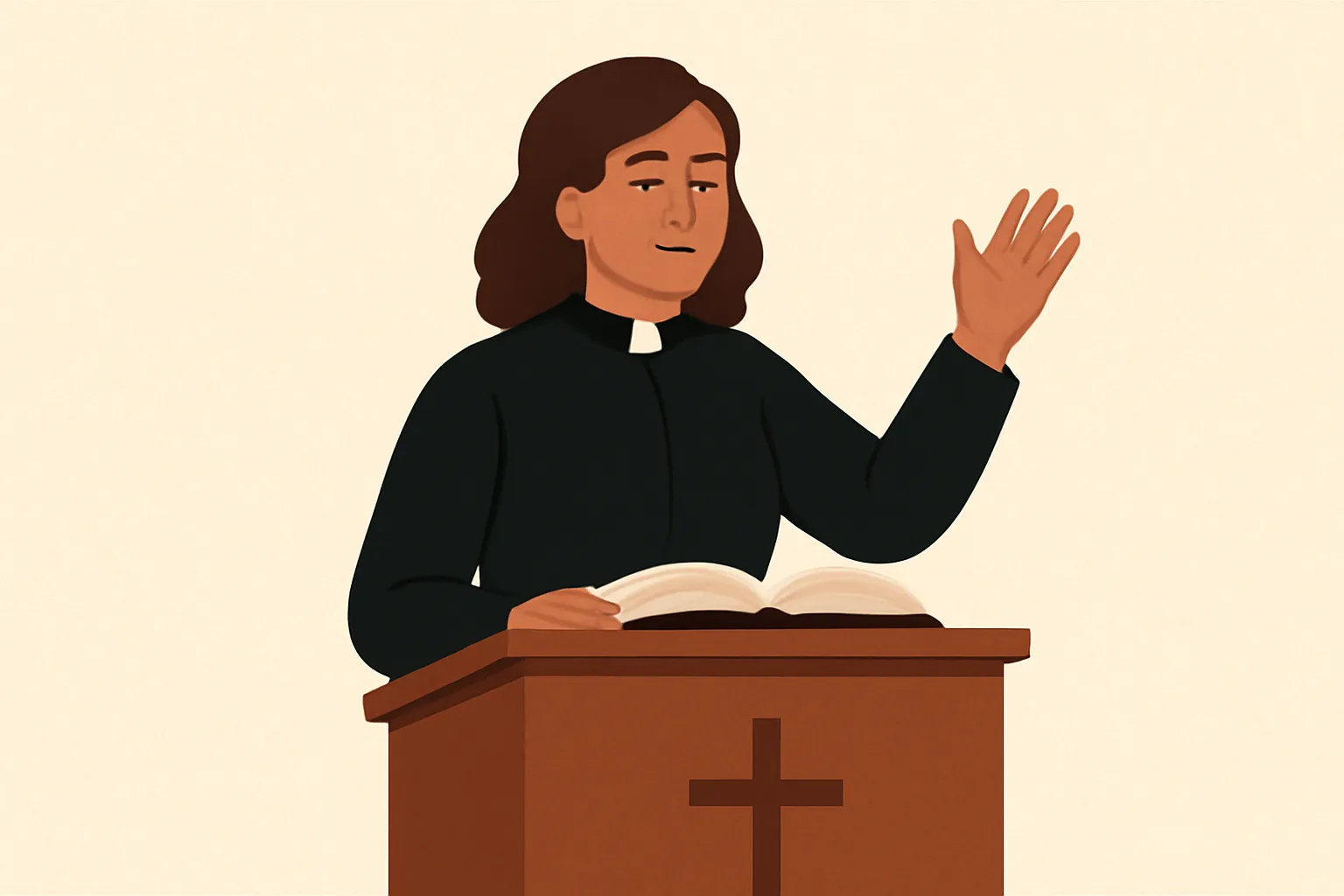
Across many Christian communities, the question “can women pastor?” sits at the intersection of theology, tradition, and practical ministry. This guide aims to outline the key arguments, historical context, and practical paths for women who feel called to pastoral leadership, as well as the concerns and counterarguments that churches consider when discussing women in roles of spiritual oversight. Whether you are a lay member exploring what leadership for women could look like, a seminarian or pastor evaluating your own calling, or a church leader shaping policy and culture, this article provides an in-depth, balanced exploration of the topic.
Understanding the question: can women pastor in today’s church?
When we ask whether women can pastor, we touch on two intertwined issues: calling and function. Is there a divine calling on a woman to lead a local church, and, if so, what roles should she hold and how should a church structure leadership around that gift? The answer often depends on a church’s theological framework, its denominational norms, and its cultural context.
Within broader Christian discourse, the question can take several forms, including:
Can women pastor a local church as senior leaders or elders?
Can women serve as pastors in paid, official ministry roles?
Should women pastor in certain ministries (e.g., preaching, teaching, or administration) while others are reserved for men?
Is there a difference between whether a woman can oversee a church (pastoral leadership) and whether she can hold auxiliary roles (youth pastor, worship leader, executive pastor, deacon, etc.)?
These questions are not mere semantics. They shape church life, leadership pipelines, acceptable levels of female representation in decision-making, and, ultimately, who is entrusted with pastoral responsibility.
Historical and biblical context: women in leadership in scripture and history
Biblical examples of women in leadership
Across the Bible, a number of women hold leadership positions or significant ministry roles, which informs contemporary discussion about women in pastoral leadership. Some notable examples include:
Deborah, a judge and military leader (Book of Judges), who provided counsel and leadership to the people of Israel.
Phoebe, described as a deacon (or servant) of the church at Cenchreae, who carried Paul’s letter and aided the community (Romans 16:1–2).
Priscilla and Aquila, a married ministry team who instructed Apollos in the way of God more accurately (Acts 18:26).
Junia, noted by Paul as an apostle[ or a high-status believer, depending on translation and interpretation] (Romans 16:7).
In the New Testament, women also hosted house churches, contributed financially, and played leadership roles in early Christian communities.
Interpreters disagree about how these examples apply to contemporary formal pastoral leadership. Some argue that these leadership roles were culturally contextual and not prescriptive for all times, while others see this as evidence that women can hold leadership positions in church contexts today.
Key biblical texts and the interpretive divide
Two broad categories of interpretation shape the debate:
Complementarian interpretation, which tends to emphasize male spiritual headship in the home and church leadership. Depending on the denomination, this view often allows women to contribute in teaching and service but restricts the role of ordained male pastors or elders over men.
Egalitarian interpretation, which argues that men and women are equal in all aspects of church leadership and that biblical texts reflect cultural norms rather than timeless prescriptions. Advocates for this view support women as pastors, elders, and in other governance roles within the church.
Some scholars attempt to find a middle ground or adopt contextual applications—acknowledging that certain passages may address specific situations in specific contexts. Regardless of where one lands on the spectrum, thoughtful exegesis and careful hermeneutics are central to this conversation.
The major theological frameworks: what it means for pastoral leadership
Complementarian position: leadership structure with male headship
In a complementarian view, the church intentionally maintains male leadership in formal, ordained roles. Common features include:
Senior pastoral roles (often titled pastor or elder) reserved for men.
Women serving in teaching roles within the church, but with certain boundaries around authority over men in public settings.
Date-and-structure distinctions that include women serving as pastors, missionaries, or in other leadership capacities, provided those roles do not involve hierarchical authority over men in worship or governance.
Proponents argue this arrangement stems from biblical texts and preserves a model of church order they see reflected in the practices of the NT and in the New Testament letters addressing leadership structure.
Egalitarian position: equal callings and equal leadership opportunities
In an egalitarian framework, the emphasis is on equality of leadership opportunities and gifts across genders. Features typically include:
Women serving as pastors, elders, deacons, and in other governance roles.
Interpretation of biblical passages as culturally conditioned rather than universal prohibitions against female leadership.
A focus on spiritual gifts (including teaching, leadership, administration) as the primary criteria for leadership roles, not gender alone.
Advocates contend that many biblical examples and the overall arc of the gospel support full participation of women in pastoral leadership and that the church’s mission benefits when leadership reflects the diversity of the Body of Christ.
Moderate or mixed approaches
Some communities adopt tiered or hybrid approaches—allowing women to hold certain pastoral or teaching roles while constraining others. For example, a church might ordain women as worship pastors or executive pastors but reserve the role of senior elder for men or vice versa, depending on tradition. These nuanced positions reflect a desire to honor conscience, historical precedent, and local mission needs while pursuing inclusive ministry.
What pastoral leadership means for women today
When we discuss women pastors, several practical questions arise: What does a pastoral call look like for a woman? What responsibilities should she assume? And how should a church structure accountability, governance, and pastoral authority?
Defining pastoral leadership in contemporary churches
Pastoral leadership today often includes a mix of responsibilities such as:
Preaching and teaching the word in corporate worship and study settings.
Pastoral care, including shepherding individuals and families through life transitions, crises, and spiritual growth.
Strategic planning, vision-casting, and organizational governance.
Oversight of ministries—children, youth, worship, outreach, missions, administration, and finances.
Mentoring and leadership development of other ministry leaders and volunteers.
In many settings, a woman may serve as a senior pastor, executive pastor, or regional leader. In other contexts, she may hold significant ministry roles (e.g., women’s ministry director, outreach pastor) but not be the primary teaching pastor in a formal sense. The key question remains how a church defines its polity (governance) and how it interprets scripture for its particular community.
Practical pathways for women called to pastoral leadership
For women who sense a calling to pastoral leadership, the journey typically includes education, spiritual formation, and practical ministry experience. Here are commonly recommended steps, though paths can vary by tradition.
Discernment and confirmation of calling
Seek wise counsel from mentors, church leaders, and peers who are trusted in spiritual discernment.
Engage in personal reflection and accountability with a spiritual director or mentor to confirm the sense of calling, gifts, and readiness for leadership.
Participate in practical ministry experiences to test leadership gifts in real contexts.
Education and training
Formal theological education (seminary, Bible college, or equivalent certificate programs) to develop doctrine, biblical languages, homiletics, theology, and pastoral care.
Specialized coursework in preaching, hermeneutics, ethics, and leadership theory.
Continuous learning around spiritual formation, cross-cultural ministry, and crisis care to steward leadership responsibly.
Experiential pathways and ministry pipelines
Serving in accompanying roles such as worship leadership, youth ministry, or adminstrative leadership to build a track record of effective ministry.
Participation in mentorship programs that pair aspiring pastors with seasoned leaders for ongoing development and oversight.
Gaining hands-on experience in preaching or teaching under supervision and increasing responsibility over time.
Ordination, commissioning, and credentialing
In many traditions, formal recognition of pastoral leadership comes through ordination, commissioning, or credentialing. The process typically involves:
A review of doctrinal alignment and church polity adherence.
Evidence of character, spiritual maturity, and leadership aptitude.
Demonstration of competent teaching and pastoral care through assessment by a council or board.
Not all denominations use the same process or terminology, but the underlying aim is to affirm that a person is trustworthy to lead a church community in alignment with its beliefs and mission.
Denominational realities and contexts
Different church traditions approach female pastoral leadership in distinct ways. The following overview highlights some common patterns, while recognizing that there is variation within each tradition.
Evangelical and Pentecostal contexts
Many evangelical churches lean toward complementarian practice, with women serving in multiple ministries but often not in the role of senior pastor or elder with governing authority over men. However, a growing number of evangelical churches do ordain or appoint women to senior pastoral roles, especially in the global context or within churches emphasizing charismatic gifts and mission-driven leadership. Pentecostal and charismatic movements frequently embrace women as pastors, worship leaders, and prophets, depending on the local church’s interpretation of spiritual gifting and church governance.
Mainline and historic Protestant contexts
In many mainline Protestant denominations (e.g., United Methodist, Episcopal, Presbyterian, Lutheran), women have been ordained as pastors, elders, or priests for decades. In these settings, pastoral leadership by women is commonplace, and women often lead congregations, regional synods, or dioceses. Yet even within these traditions, variations exist in practice and policy, and local congregations may differ in how they implement leadership structures.
Catholic and Orthodox contexts
The Catholic tradition maintains a male-only priesthood in most places, with women serving in significant leadership roles in education, healthcare, and lay leadership. Some women serve as pastors in parishes in certain jurisdictions or in institutes of consecrated life, but the formal role of presbyteral ordination remains restricted to men in the Catholic Church. In the Orthodox world, female priesthood is also not the norm, though women may lead in monastic communities or contribute in teaching and pastoral care within parishes. These contexts present different theological and canonical frameworks for understanding female leadership.
Benefits and challenges of women in pastoral leadership
Consideration of benefits and challenges helps churches decide how to pursue pastoral leadership that aligns with their mission and values.
Benefits
Diversity of gifts: Women often bring different perspectives, communication styles, and relational strengths to pastoral leadership, enriching preaching, counseling, and decision-making.
Relational pastoral care: Empathic listening and care can strengthen congregational health, especially in families, women’s ministries, and youth work.
Broader community engagement: Female leaders can connect with a broader segment of the community, including women, families, and marginalized groups, expanding a church’s reach and impact.
Role modeling: Women in leadership can inspire younger women and girls to pursue lay or vocational ministry, reinforcing a healthy sense of vocation.
Challenges
Resistance and culture: Some congregations or boards may resist female leadership due to long-standing traditions, fear of change, or concerns about doctrinal alignment.
Accountability and governance: Navigating authority and governance structures can be complex when considering gender as a dimension of leadership.
Public scrutiny: Female pastors may face unique public scrutiny or bias, which requires strong personal calling and resilient pastoral communities.
Training and opportunity gaps: Access to mentoring and advanced training can be uneven across denominations and local contexts.
What churches can do to navigate the question ethically and effectively
For churches wrestling with whether women can pastor, the path forward involves thoughtful deliberation, clear policy, and intentional development of leadership culture. Here are practical steps churches can consider.
Clarify theology and doctrine
Articulate a clear theological stance on leadership, authority, and gender that reflects the church’s interpretation of Scripture and tradition.
Publish a policy or governance statement that outlines who may hold what roles and why.
Engage in a Bible study series or theology forum focused on leadership and gender, inviting diverse voices to contribute.
Build an intentional leadership pipeline
Develop a leadership development plan that includes discernment, education, mentorship, and practical ministry opportunities for women.
Create clear criteria for roles (e.g., preaching, teaching in public worship, elder or governance roles) that is transparent and consistent.
Establish mentorship groups and exit ramps that support women as they grow into higher levels of responsibility.
Ensure governance and accountability
Design governance models that ensure accountability and healthy checks and balances, regardless of gender.
Provide parallel pathways for women and men to participate in decision-making at appropriate levels.
Encourage ongoing evaluation of ministry practices to identify biases or structural barriers and address them.
Foster culture and community dialogue
Host listening forums, town halls, and forums for teaching and dialogue about leadership dynamics.
Celebrate success stories of women in leadership to demonstrate the church’s commitment to equity and spiritual gifting.
Promote practical fairness in hiring and appointment processes
Develop fair, transparent processes for searches, calls, and appointments to pastoral roles. Ensure that:
Qualifications are based on gifts, character, and competence, not gender.
Search committees include diverse voices and receive training in bias awareness.
Pastoral roles are defined in a way that aligns with the church’s theological stance while maximizing the church’s mission impact.
Real-world examples and lessons from pastors and churches
Across the global church, many churches have embraced women in pastoral leadership with varied models. Some notable patterns and lessons include:
Visible women pastors in mainline churches demonstrate that female preaching and leadership can draw diverse crowds and foster strong congregational health.
Some evangelical churches adopted pastoral leadership teams that include women in the top leadership tier, spreading responsibility and modeling collaborative governance.
In some contexts, regional leadership or board leadership roles for women have created pathways for broader female influence even when the role of senior pastor remains male in a particular tradition.
These examples illustrate that the question is not merely about a single role but about how a church views leadership, gifting, and the mission of the church in its community.
Frequently asked questions
Can women pastor in every denomination?
No. The acceptability of women pastors varies by tradition, polity, and interpretation of scripture. Some denominations ordain women to pastoral leadership; others restrict certain roles to men. In some contexts, women may lead ministries that are crucial to church life even if they are not authorized to hold the role of senior pastor. It is essential to consult local denominational policy and church governance documents to understand the specific possibilities in a given context.
Is a woman’s calling to ministry credible if she is not allowed to pastor?
Yes, many women feel called to ministry in a variety of capacities, including teaching, counseling, missions, education, and community outreach. Even in settings where the role of senior pastor is not open to women, a woman can exercise powerful leadership in other essential ministries and leadership teams.
What about biblical texts that appear to restrict women from teaching or authority?
Interpretation matters. Some interpret passages such as 1 Timothy 2:12 or 1 Corinthians 14:34-35 as timeless prohibitions, while others view them as addressing specific situations in particular cultural contexts. The ongoing discussion often centers on exegesis, hermeneutics, and the broader biblical witness about the gifts and leadership of women in the church.
How can a church begin including women in leadership responsibly?
Begin with discernment, education, and governance reform where needed. Develop a clear roadmap for leadership development, invest in training for both men and women, establish robust accountability mechanisms, and create a culture of open dialogue and mutual respect. The goal is to align practice with the church’s theological convictions while pursuing effective ministry in the community.
Conclusion: a thoughtful, faithful path forward
The question “can women pastor?” does not have a single universal answer. It is a dynamic question that requires careful interpretation of Scripture, sensitivity to tradition, and a clear sense of a church’s mission and community context. For many churches, pastoral leadership by women is not only possible but desirable, offering a fuller expression of the Body of Christ and strengthening the church’s ability to witness, disciple, and serve. For others, it remains a practice that must be weighed against particular theological convictions and historical commitments.
What endures across all these perspectives is a shared commitment: to pursue faithful ministry, to cultivate healthy leadership cultures, and to honor the gifts that God has given to every believer. By embracing discernment, investing in training, and fostering inclusive, accountable leadership, churches can navigate the complex terrain surrounding women in pastoral leadership with integrity and grace.
Whether you begin with a question like “Can women pastor?” or “Should women pastor?”, the path forward is less about choosing a side and more about pursuing a robust, theologically grounded, and practically effective ministry that serves the congregation and the broader community with love and truth.

 Por Laura Jara