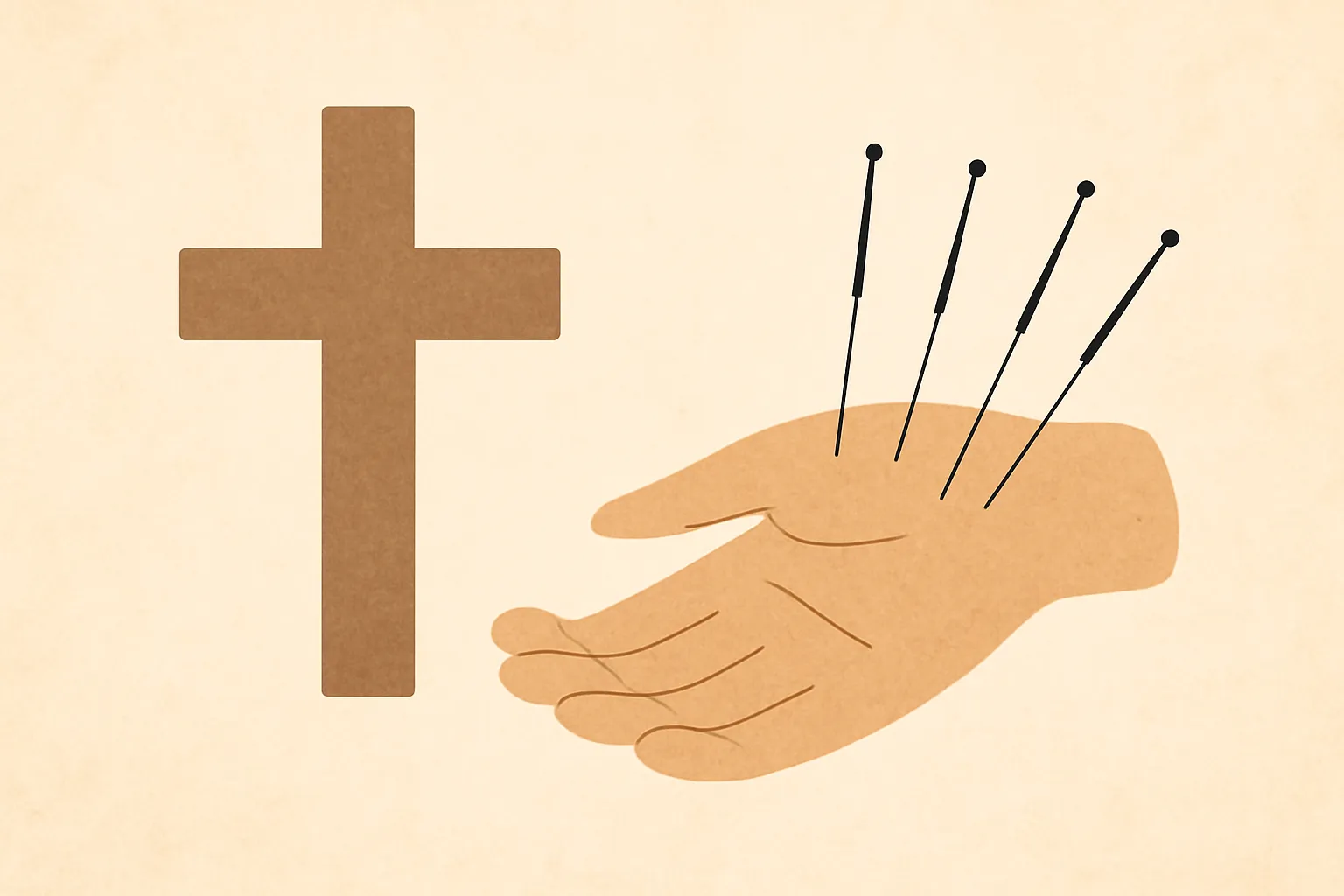
Acupuncture Christianity is a growing topic of interest for people who want to understand how traditional healing practices intersect with Christian faith. This article, titled “Acupuncture Christianity: Exploring the Intersection of Acupuncture and Christian Faith,” explores how Christians and churches think about acupuncture, its goals, and its place alongside prayer, medical care, and spiritual discernment. The goal is not to prescribe a single stance but to illuminate the conversations, questions, and healing possibilities that arise when people bring acupoints and ancient wisdom into a modern Christian life.
What is Acupuncture and Why Does It Matter to Christians?
Defining acupuncture and related therapies
Acupuncture is a cornerstone of Traditional Chinese Medicine (TCM). Practitioners insert very fine needles into specific acupuncture points along the body’s supposed energetic pathways, commonly referred to as meridians. Some approaches also include acupressure, which uses finger pressure rather than needles, and other modalities such as electroacupuncture. While the language of qi (life energy) and meridians comes from East Asian medical philosophy, many modern Western practitioners describe acupuncture in terms of neurophysiology, endorphins, and pain pathways.
In discussing acupuncture and faith, it is important to distinguish between the practice as a healing modality and religious or spiritual claims. For most Christians, the practice is not a ritual of worship or a replacement for divine sovereignty but a potential tool for healing, stress relief, and holistic care when used with appropriate discernment and medical oversight.
Historical Context: The Encounter Between East Asian Medicine and Western Christianity
Ancient roots and modern encounters
Acupuncture has deep roots in ancient East Asian thought, philosophies, and medical systems. The Christian encounter with acupuncture arises in varying contexts: missionaries and travelers encountering Chinese medical traditions, Christians seeking holistic approaches to pain and chronic illness, and modern health-care settings where integrative medicine combines conventional Western care with complementary therapies.
The historical conversation is multi-layered. Some Christian traditions emphasize the dignity of the human body as created and redeemed, which can align with a respectful interest in safe, evidence-informed therapies that relieve suffering. Others raise questions about the metaphysical language of qi or the presence of non-Christian religious ideas in some acupuncture narratives. Reading broadly and engaging with pastors, theologians, and clinicians can help Christians discern how to approach acupuncture in culturally sensitive and theologically coherent ways.
Theological Perspectives on Healing and Medicine
Foundational questions: body, healing, and divine sovereignty
The Christian tradition has long held that God cares for human beings in body and soul. Healing can be understood as a form of mercy and restoration that points toward God’s good creation. Healing is not only physical relief but the renewal of relationships, peace, and wholeness. In this light, acupuncture may be framed as a means of participating in God’s care for the body when it aligns with medical advice and spiritual discernment.
Theologically, Christians differ on how to interpret healing modalities. Some emphasize God as the ultimate healer, with medical science as the tool by which healing can be realized. Others stress the responsibility to steward one’s body, including considering complementary therapies that may reduce pain, improve function, and lessen medication burdens. In both views, the goal is to honor the Creator by caring for the body wisely, with care for the vulnerable, and with gratitude for medical knowledge.
Supportive theologies: integration, prudence, and discernment
Many Christian scholars and practitioners advocate for an integrated approach to care. Acupuncture is seen as potentially helpful when used in conjunction with conventional medicine and under the supervision of qualified professionals. The emphasis is on discernment, consent, and alignment with one’s conscience and church community. When Christians approach acupuncture with prayer, pastoral guidance, and informed consent, the practice often becomes part of a broader practice of health and wholeness.
At the same time, some Christian voices raise cautions. Concerns may include potential conflicts with worship, superstition or superstition-like beliefs about energy, and the possibility of deviating from evidence-based medical care. The key, in these discussions, is not to reject healing arts outright but to examine claims, ensure ethical practice, and maintain Jesus-centered worship and dependence on God.
Christian Practice and Acupuncture: Real-World Perspectives
Pastoral views and congregational conversations
Across Christian communities, pastors and lay leaders approach acupuncture differently. Some pastors welcome it as a useful adjunct to medical care for pain, anxiety, sleep disorders, or rehabilitation after injury. Others encourage focusing on prayer, spiritual disciplines, and proven medical treatments first and consider any complementary therapies as secondary options.
In many local churches, conversations about acupuncture occur within broader discussions of health, wellness, and medicine. Church health ministries may host seminars on integrative medicine, invite Christian medical professionals to speak about evidence and safety, or provide resources for discerning believers considering alternative therapies.
Patients and practitioners: a collaborative approach
For individuals exploring acupuncture in Christian contexts, collaboration is often key. A patient may discuss their faith with the acupuncturist to ensure that their spiritual needs and beliefs are respected. Practitioners who work with Christian clients may take care to avoid metaphysical claims that could conflict with a client’s beliefs and may be transparent about the scientific basis of the technique and its limitations.
In clinical settings, acupuncture is sometimes used as part of a multimodal treatment plan. People with chronic pain, arthritis, fibromyalgia, migraines, or chemotherapy-related nausea sometimes report improvements in symptoms with acupuncture, even when conventional treatments remain essential. Christians may find value in these outcomes while maintaining a robust spiritual life anchored in prayer, scripture, and community.
Ethical practice requires informed consent, respect for the client’s beliefs, and clear communication about goals and risks. Christians engaging with acupuncture should seek practitioners who explain the procedure, potential side effects, and realistic expectations. They should also consider the cultural context of the therapy and ensure that the practice does not pressure them toward beliefs they do not share.
Cultural sensitivity matters when a Christian attends an acupuncture session in a setting with different religious or philosophical underpinnings. It is appropriate to ask questions about the practitioner’s approach, to request a patient-centered and secular framing of the practice, and to determine how the session aligns with one’s values and church teaching.
Safety, science, and medical integration
From a safety standpoint, acupuncture should be performed by trained, licensed, or certified professionals. Christians who value scientific reasoning may look for evidence-based practice and consider acupuncture as a complementary approach rather than a replacement for proven medical therapy. Integrated care, when implemented responsibly, can reduce suffering and improve quality of life for many individuals.
The Christian emphasis on informed consent and the sanctity of life can guide ethical decisions about whether to pursue acupuncture, how to approach it, and how to integrate it with ongoing medical treatment. In all cases, the practice should be rooted in gratitude for healing, and not in a sense of magical control over God’s will.
Practical Guidance for Christians Considering Acupuncture
Step-by-step considerations
Clarify goals: Determine whether you are seeking pain relief, stress reduction, improved sleep, or functional gains. Be clear about why you are considering acupuncture within your Christian life.
Consult your healthcare team: Talk with your physician, nurse practitioner, or specialist about how acupuncture might fit with your treatment plan and medications.
Research practitioners: Seek licensed or certified acupuncturists, read reviews, and ask about their experience with clients who share your faith tradition.
Ask about approach: Inquire whether the practitioner integrates conventional medical information, and whether they can explain potential mechanisms in accessible terms that respect your beliefs.
Set boundaries: If certain concepts (e.g., metaphysical beliefs about qi) feel incompatible, communicate your boundaries clearly and choose an approach that aligns with your conscience.
Monitor outcomes: Keep track of symptoms, functional changes, and any side effects. If no benefits appear after an agreed period, reassess the choice with your clinician.
Maintain spiritual practices: Continue prayer, scripture reading, worship, and community support to anchor the healing process in faith rather than in the therapy itself.
Discernment is central in Christian life: weigh benefits against potential risks and ensure that your broader faith commitments remain central. The goal is not to worship healing but to be open to the ways God may use means of care to restore health and dignity.
Alternatives and Complements: Acupressure, Prayer, and Care Practices
Acupressure and related therapies
If needles cause discomfort or raise concerns about certain beliefs, acupressure offers a needle-free option that targets similar points through finger pressure. This approach can be more comfortable for some Christians while still participating in a holistic approach to wellness, especially when combined with other self-care practices such as stretching, mindfulness, and breathing exercises.
Other complementary modalities, such as massage therapy, physical therapy, and mindfulness-based stress reduction, can also support a Christian approach to healing by promoting rest, mobility, and stress relief within a framework of gratitude and stewardship.
Spiritual disciplines as integral support
For many Christians, healing is not only about physical relief but also about spiritual renewal. Prayer, confession, the laying on of hands, acts of service, communal support, and liturgical practices can work in concert with any physical therapy, including acupuncture or acupressure, to cultivate wholeness.
Churches often encourage listening for God’s guidance in healing decisions. This discernment process can help believers decide whether to pursue acupuncture, how to choose a practitioner, and how to align the experience with scripture and ecclesial teaching.
Case Studies and Personal Narratives
Stories of healing and discernment
While individual experiences vary, several anonymized narratives illustrate the range of outcomes and reflections among Christians who have explored acupuncture:
A parent managing chronic migraines found that a course of acupuncture sessions reduced headache frequency and intensity, allowing better engagement with family life and church responsibilities. The participant emphasized praying for wisdom and remaining faithful to medical advice throughout the process.
A physician who practices in integrative medicine described how patients with back pain reported meaningful improvements with acupuncture when used alongside physical therapy and proper nutrition. The physician noted the importance of open dialogue with patients about faith, ensuring that spiritual concerns are respected during sessions.
An individual with anxiety and sleep disturbances described a gradual sense of calmer evenings after several sessions, accompanied by daily prayer routines and gratitude for restorative sleep. The testimony highlighted the role of community support and accountability in sustaining hope.
These stories illustrate how acupuncture Christian conversations can unfold in diverse ways. They show that the practice can be a meaningful component of holistic care when approached with humility, prudence, and a firm anchor in faith communities.
Common Questions about Acupuncture and Christianity
Is acupuncture compatible with Christian worship?
Most Christian theologians and pastors would say yes, acupuncture can be compatible with Christian worship if it remains a form of healing aligned with medical advice and spiritual discernment. It should not replace worship, prayer, or reliance on God. The therapy should be undertaken with the right motives and in a way that respects church teaching and personal conscience.
Some language associated with acupuncture, such as qi and meridians, comes from traditional Chinese philosophy. Christians who are cautious about religious or metaphysical claims can still engage with acupuncture by focusing on measurable outcomes and the physiological aspects of the treatment, while avoiding commitments to non-Christian metaphysical systems. It is possible to appreciate the medical practice without adopting philosophical or religious frameworks that feel incongruent with one’s faith.
Should Christians seek acupuncture for all health issues?
Acupuncture can be a helpful adjunct for certain conditions, especially chronic pain, tension, stress, and some sleep disturbances. However, it is not a universal remedy. Christian readers should consult licensed practitioners, rely on evidence-based information when possible, and maintain accountability to their medical team. The broader Christian duty to seek wisdom, to care for the body as a temple of the Holy Spirit, and to pursue healing with humility should guide decisions about when and how to pursue acupuncture.
Conclusion: A Prayerful, Informed Path Forward
The intersection of acupuncture and Christian faith invites thoughtful questions about healing, body, and care. In the Christian worldview, healing is a gracious gift that sometimes arrives through natural means, medical science, and human skill, all under God’s sovereignty. Acupuncture and related therapies can be understood as possible avenues for relief, restoration, and a deeper sense of wellbeing when approached with ethical integrity, informed consent, and spiritual discernment.
By exploring the intersection of healing arts and Christian practice, believers can cultivate a robust approach to wellness that honors God, respects medical wisdom, and remains rooted in a supportive faith community. Whether one embraces acupuncture as a complementary option or chooses other modalities, the overarching aim remains the same: to honor God by caring for the body, to love one’s neighbor through effective care, and to pursue peace through trustworthy, life-affirming means.
Appendix: Key Terms and Concepts
glossary of terms
Acupuncture: A Traditional Chinese Medicine technique involving needle insertion at specific points to influence body systems and symptoms.
Acupressure: A needle-free modality applying finger pressure to acupuncture points.
Meridians: Conceptual pathways in TCM through which qi is believed to flow (used in acupuncture theory).
Qi: The life energy or vital force central to much of East Asian medicine (metaphorical language may be used in Christian contexts).
Discernment: The Christian practice of seeking God’s will through prayer, scripture, and wise counsel when considering healing options.
Holistic care: An approach that attends to physical, emotional, social, and spiritual aspects of health.

 Por Laura Jara