Cherubim — Biblical Significance and Biblical Description
seres espirituales Cherubim
Cherubim are angelic spiritual beings described in the Bible as guardians of God's holiness and sacred mysteries. They appear in various biblical texts as powerful, elaborate creatures with multiple wings and faces, often serving as protectors of divine throne rooms or sacred objects. Their primary role is to symbolize God's glory and serve as messengers or attendants carrying out divine will. Throughout Scripture, cherubim emphasize the majesty, holiness, and sovereignty of God, especially in the contexts of the Garden of Eden, the Ark of the Covenant, and prophetic visions. They represent a higher order of angelic beings, intricately linked to God's divine nature and His divine presence among His creation.
The word 'cherub' derives from the Hebrew word 'כְּרוּב' (kerub), which likely originates from a Semitic root meaning 'to bless' or 'to be near.' Its earliest usage appears in the Hebrew Bible, where the term evolves to describe heavenly beings that serve as attendants of God's throne. In Greek translations, it is rendered as 'cherub' or 'cherubim,' emphasizing their role as spiritual guardians. Over time, the concept developed from simple protective spirits to complex, winged, multi-faced creatures symbolizing divine majesty and divine secrets in biblical culture.
Key Bible Verses
Genesis 3:24
God placed cherubim with flaming swords to guard the entrance of the Garden of Eden after Adam and Eve's expulsion.
This verse highlights the cherubim's role as divine guardians of sacred space, emphasizing their function in maintaining divine boundaries.
Exodus 25:18-22
God instructed Moses to make two cherubim of gold to adorn the mercy seat on the Ark of the Covenant, symbolizing God's throne presence among His people.
This passage demonstrates the cherubim as integral to the worship space, representing divine presence and majesty in the tabernacle.
Ezekiel 10:1-22
Ezekiel describes a vision of cherubim with multiple faces and wings, highlighting their complex and awe-inspiring nature as divine messengers.
This visionary account provides a detailed and symbolic depiction of cherubim, emphasizing their role in divine glory and divine judgment.
Theological Significance
Cherubim symbolize the near-inaccessible divine holiness and are central to understanding God's majesty in biblical theology. In the Old Testament, they serve as guardians of sacred places and objects, reinforcing the separation between divine and human realms. In the New Testament, the concept of angelic beings expands to include a broader hierarchy, but cherubim remain emblematic of divine purity and divine throne presence, as seen in visions of heaven. Their recurring depiction underlines the importance of God's holiness and the divine order of creation. Ultimately, cherubim remind believers of the transcendence and majesty of God, inspiring reverence and worship.
Across Christian Traditions
Catholic tradition often emphasizes cherubim as part of the broader angelic hierarchy, associating them with divine worship and artistic representations that highlight their glory. Protestant views generally focus on cherubim as symbols of God's sovereignty and protection, often less elaborate in their imagery but rooted in biblical descriptions. Orthodox Christianity sees them as essential divine beings connected to God's throne, sometimes depicted in iconography, emphasizing divine liturgy and majesty. Evangelicals regard cherubim primarily as biblical symbols of God's holiness and divine protection, with less focus on visual representations but strong theological significance. Overall, interpretations vary but acknowledge their role in divine order and sacred worship across traditions.
Application in Christian Life
Christians can apply the concept of cherubim by recognizing God's majesty and holiness in daily life, fostering reverence in worship and prayer. They are reminded to uphold purity and righteousness, reflecting God's divine nature. In practical terms, believers are called to serve as guardians of spiritual truths and to serve others with humility, respecting God's sacred space in their hearts and community. Recognizing divine protection, Christians trust in God's sovereignty and seek to honor His presence in all aspects of life. This inspires a life of reverence, worship, and moral integrity rooted in divine holiness.
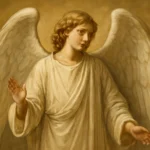
Historically, cherubim have been depicted in art and architecture from the Middle Ages onwards with elaborate wings and multiple faces, transforming biblical descriptions into symbols of divine majesty in sacred art across cultures. Their image has influenced everything from church frescoes to royal coats of arms, blending biblical symbolism with cultural artistry over centuries.
Frequently Asked Questions
What do cherubim symbolize in the Bible?
They symbolize God's divine presence, holiness, and serve as guardians of sacred spaces, emphasizing God's majesty (Genesis 3:24; Exodus 25:18-22).
Are cherubim angels?
Yes, cherubim are considered a high-ranking order of angelic beings in biblical theology, serving divine functions and representing God's glory.
How are cherubim depicted in biblical art?
They are often shown as winged creatures with multiple faces and complex features, symbolizing divine majesty and mystery, especially in religious iconography.

 Por Laura Jara