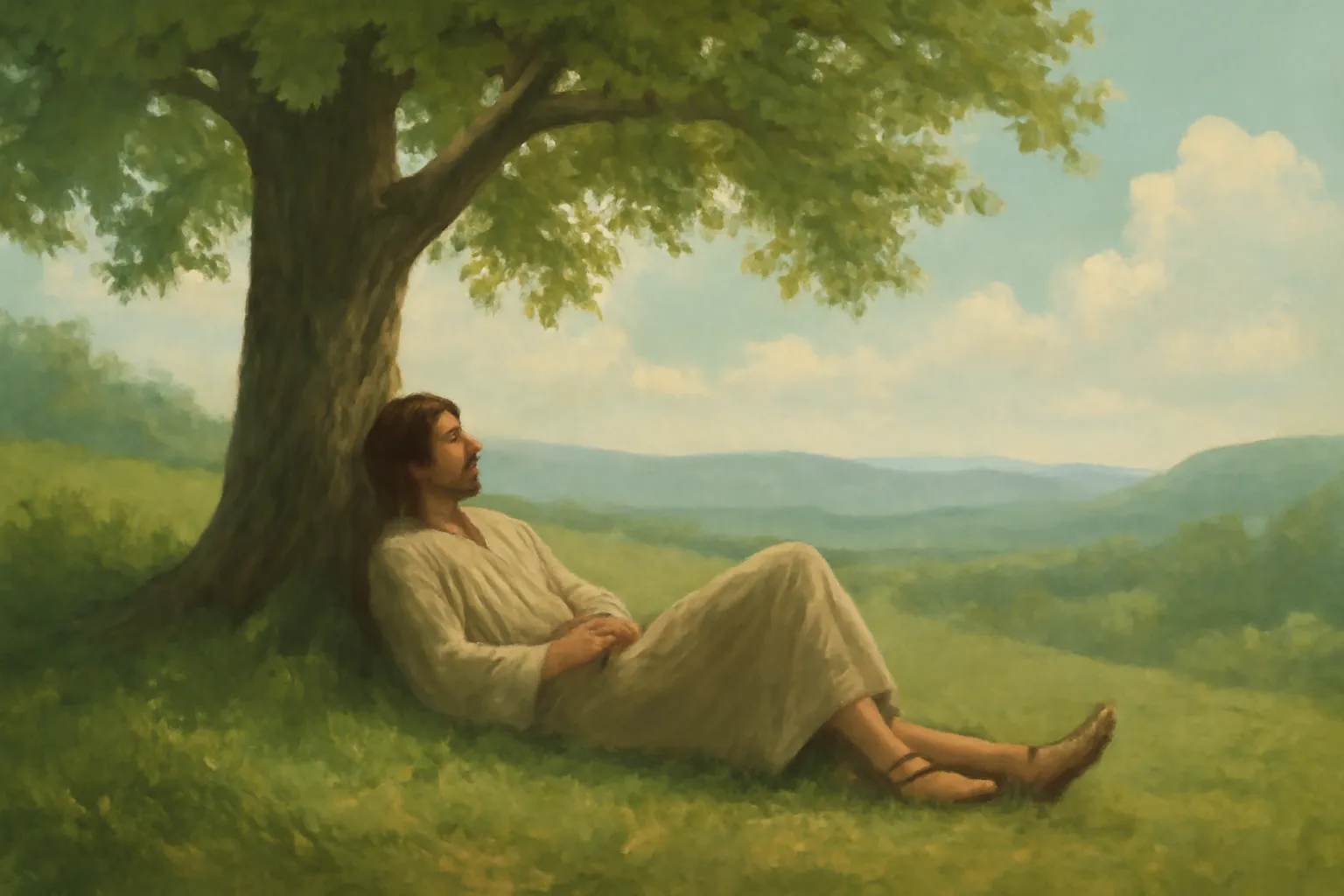
Introduction: Rest for the Weary as a Spiritual Lifeline
Throughout the Bible, the invitation to rest is more than a physical pause—it is a declaration about who God is and how we relate to Him. When life feels exhausting, overwhelming, or uncertain, the language of rest for the weary provides a pathway to renewal. This article explores the rich biblical theme of rest for the weary, including how it appears in Scripture, what it promises for the soul, and practical ways to experience this divine rest in daily life.
The phrase rest for the weary shows up in different forms across the biblical canon: soul rest, rest for the heavy-laden, refuge and renewal, and the prophecy of an ultimate, eternal rest. By surveying these passages, we can develop a holistic understanding of rest that is both theological and practical. The rest God offers is not a retreat from duty but a transforming center of gravity—where trust in Him replaces anxious striving and where we learn to wait on the Lord with hope.
Key Verses That Speak of Rest
Scripture presents several anchor verses that describe rest in different lights—rest as consolation, rest as renewal of strength, rest as the soul’s refreshment, and rest as a future, promised rest for God’s people. Below are some pivotal passages, each offering a facet of what it means to find rest for the weary.
Matthew 11:28-30 (KJV): “Come unto me, all ye that labour and are heavy laden, and I will give you rest. Take my yoke upon you, and learn of me; for I am meek and lowly in heart: and ye shall find rest unto your souls. For my yoke is easy, and my burden is light.”
This is perhaps the clearest New Testament articulation of divine rest: a personal invitation from Jesus to exchange exhausting labor for a gentler, more life-giving way.
Psalm 23:1-3 (KJV): “The Lord is my shepherd; I shall not want. He maketh me to lie down in green pastures: he leadeth me beside the still waters. He restoreth my soul: he leadeth me in the paths of righteousness for his name’s sake.”
In the shepherd’s care, the soul finds nourishment and quiet waters—a picture of rest for the weary that feeds and restores.
Isaiah 40:29-31 (KJV): “He giveth power to the faint; and to them that have no might he increaseth strength. Even the youths shall faint and be weary, and the young men shall utterly fall: But they that wait upon the Lord shall renew their strength; they shall mount up with wings as eagles; they shall run, and not be weary; and they shall walk, and not faint.”
The cadence of this passage centers on waiting for the Lord as the source of rest and renewed energy.
Hebrews 4:9-11 (KJV): “There remaineth therefore a rest to the people of God. For he that is entered into his rest, he also hath ceased from his own works, as God did from his.”
The author links rest to the eschatological and experiential life of believers, encouraging serious pursuit of divine rest by faith.
Psalm 46:10 (KJV): “Be still, and know that I am God.”
Stillness here is not passivity but an orientation toward trust in God’s sovereignty and care.
Psalm 62:5 (KJV): “My soul, wait thou only upon God; for my expectation is from him.”
Patient waiting on the Lord is a posture of rest that reshapes our desires and tensions.
Jeremiah 31:25 (KJV): “For I have satiated the weary soul, and I have replenished every sorrowful soul.”
God’s promise reaches into the deepest weariness of the soul, offering satisfaction and renewal.
Psalm 4:8 (KJV): “I will both lay me down in peace, and sleep: for thou, Lord, only makest me dwell in safety.”
Sleep and peace become a daily expression of faithful rest in God’s protection.
The Bible’s language about rest for the weary is rich with interconnected themes. When read together, these themes illuminate how rest functions in the life of faith.
Trust over toil: Rest is rooted in trust—trust that God is good, sovereign, and present in our trials. When we trust, we release the compulsion to secure every outcome by our own efforts.
Sabbath rhythm: Rest is not a one-off event but a repeated rhythm—daily, weekly, and seasonal—marking life with space for God, community, and worship.
Grace and accessibility: Rest is offered freely by God through Jesus Christ, not earned by merit. It is a gracious gift that we receive by faith.
Rest and renewal of the soul: Rest is intimately tied to the renewal of the inner person—the heart, will, and imagination—that sustains endurance in hardship.
Solidarity with the weary: The biblical narrative validates real weariness and invites us to bring our burdens into God’s presence, where healing begins.
Hope of future fullness: The rest God promises has an eschatological fullness—an ultimate rest in the new creation where fatigue and sorrow are no more.
Across these themes, the phrase rest for the weary remains not a call to complacency but an invitation to a transformed way of living—an orientation toward God that reshapes how we work, relate, and endure.
Practical Ways to Experience Rest for the Weary
If you’re seeking rest for the weary, practical steps rooted in Scripture can help anchor your days. Below are methods that believers have used for generations to experience divine rest in the midst of life’s pressures.
Daily Quiet Time and Scriptural Immersion
A deliberate daily routine that includes prayer, reading, and reflection creates a predictable space where the soul can breathe. Consider starting with a short, focused period—even 10–15 minutes—centered on God’s character and promises. You might vary your approach by:
Reading a selected passage about rest and waiting on God (e.g., Isaiah 40 or Psalm 46).
Writing a brief prayer that responds to what you’ve read.
Choosing a verse to meditate on during the day, repeating it as a breath-prayer (for example, repeating “Be still, and know that I am God”).
Scripture Memorization: Carrying Rest Into the Day
Memorized verses become a portable source of rest for the weary when life becomes chaotic. A simple approach is to pick one or two verses a week and review them daily. Visual reminders—posters, phone backgrounds, or calendar notes—can reinforce this practice.
Short, timeless prayers accompanied by intentional breathing help calm the nervous system and invite God’s peace into crowded thoughts. Examples include:
“Lord, have mercy; I rest in You.”
“Jesus, I trust You.”
“Be still, God, and know You are near.”
Worship, Music, and Creative Expression
Singing, listening to worship music, or engaging in creative arts can be a powerful doorway to rest. Music can move us from fatigue toward trust, reminding us of God’s faithfulness and care.
worship and Sabbath Rhythm
The biblical Sabbath is more than a day off—it is a scheduled pause from self-reliance to remember dependence on God. Practical ways to honor Sabbath rest include:
Setting aside one day for focused worship and relational connection.
Avoiding nonessential work and screens to create space for God and community.
Engaging in restful activities that align with God’s design for creation (nature walks, shared meals, quiet reading).
Engaging Community: Rest in Relationship
We were never meant to bear our burdens alone. Sharing burdens with trusted friends, pastors, or mentors can lighten the load—and often the presence of compassionate community itself can be a form of rest for the weary.
Service as Rest: Redirected Energy
Paradoxically, serving others can replenish the spirit when done in a healthy, sustainable way. Acts of mercy, listening to others, or participating in communal worship and care can shift focus from personal fatigue to meaningful purpose, which often brings a different kind of rest.
Physical Rest as Spiritual Practice
Adequate sleep, nutrition, and gentle exercise are foundational to feeling rested. The body’s vitality matters because the Scriptures present God as intimately involved with our physical as well as spiritual well-being.
Variations of the Theme: Rest for the Weary Across Translations
The way rest is described varies among translations, yet the core intention remains consistent: God invites us to abandon the exhausting pursuit of self-sufficiency and to lean into His strength. Notable variations include:
“Come unto me, all ye that labor and are heavy laden” (KJV) versus “Come to me, all who labor and are burdened” (NIV) in Matthew 11:28.
“I will give you rest” versus “I will give you rest for your souls” in some renderings of Matthew 11:28–30.
In the Psalms, phrases like “he maketh me lie down” and “he restoreth my soul” reflect rest for the weary as a personal, ongoing experience.
The concept of waiting on the Lord appears with slightly different wording, but the call to place confidence in God’s timing and care remains central.
By comparing translations, readers gain a richer sense of how rest for the weary can be experienced in different seasons and through diverse languages, while remaining anchored in a consistent divine invitation: God is both merciful and powerful, and He invites us to rely on Him rather than on our own efforts.
Historical and Cultural Context: Why Rest Matters in the Biblical World
The Bible’s instruction about rest is deeply rooted in historical and cultural realities. In the ancient Near Eastern world, rest often intersected with concepts of land, provision, and divine care. The imagery of a shepherd leading to green pastures and still waters in Psalm 23 is not only poetic; it reflects a cultural memory of provision, protection, and safe sustenance. The Sabbath, a core element of Jewish life, established a rhythmic reminder that life does not depend on human labor alone; rest belongs to God’s rightful sovereignty and care.
When Jesus speaks in Matthew 11 about finding rest in Him, He is reframing the tired labor of spiritual performance within a religious culture that often equated duty with righteousness. By inviting the weary to come to Him, He places His own person at the center of restoration, reframing rest for the weary as intimate relationship and discipleship.
The author of Hebrews extends this thread by presenting rest as both an ongoing present experience and a future inheritance for God’s people. This dual orientation—present experience and future hope—helps readers understand that rest for the weary is not merely therapy for the moment; it is an anchor for enduring faith.
Frequently Asked Questions
What does it mean to rest in God during chaos? Rest in God during chaos means choosing trust over fear, aligning your heart with God’s promises, and seeking His presence through prayer, Scripture, and community. It does not erase reality, but it reframes it with hope.
Can resting in God be active rather than passive? Yes. Biblical rest often involves mindful action—restoring rhythms, practicing mercy, serving others, and pursuing justice—carried out with dependence on God rather than self-reliance.
Is rest only for believers or can seekers experience it too? The most complete rest is found in relationship with God through Christ. However, the Bible also speaks of God’s care for all people and His invitation to seek Him; seekers can experience glimpses of rest for the weary as they draw near to God.
How can I begin a practical practice of Sabbath rest? Start small: designate one day or one part of your week for rest, reduce work-related activity, spend time in worship and community, and unplug from devices that fetch your attention away from God and people.
Conclusion: Living from Rest, Walking in Renewal
The call to rest for the weary is a gracious invitation to live not from an empty tank of personal strength but from a well that never runs dry—the strength and companionship of God Himself. When we anchor our life in the biblical pattern of rest, we discover that weariness does not have the final word. Instead, we are invited into a rhythm of trust, worship, and compassionate action that renews the soul and sustains the body.
If you’re navigating burnout, grief, illness, or ongoing stress, consider one practical step today: identify a verse or passage that speaks to rest and begin a small practice of engagement with it. It might be a single verse carved into a note on your desk, a short breath prayer repeated through the day, or a brief moment of stillness in the morning. Over time, these deliberate acts can cultivate a posture of dependence on God and a lived experience of rest for the weary—a rest that grows into resilience, hope, and deepened faith.
Remember: rest is not an escape from life’s responsibilities; it is a divine reorientation that allows us to carry our duties with wisdom, mercy, and grace. In the ebb and flow of seasons—busyness, waiting, and rest—we can trust that the Lord who invites us to rest is present, powerful, and faithful to sustain us day by day.

 Por Laura Jara