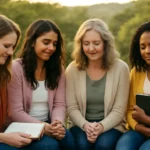
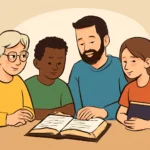
Bible sharing activities are purposeful, hands-on ways to engage with Scripture beyond reading alone. They invite learners of every age to listen, reflect, share, create, and serve, turning abstract passages into living practices. This article offers a broad range of creative ideas to foster faith, organized by format and setting, so leaders, families, and individuals can pick techniques that fit their rhythms and goals. Whether you lead a church group, teach children, or simply want to grow in spiritual depth at home, these ideas emphasize shared learning, practical application, and communal encouragement.
Engaging with the Bible in varied ways helps people connect with the text on multiple levels. The aim is not merely to memorize verses but to cultivate a living trust that translates into daily actions. Here are some core reasons why bible sharing activities are effective tools for faith formation:
Deepened understanding: Different formats reveal nuances in passages that may be missed through reading alone.
Personal relevance: Activities connect ancient wisdom to contemporary life, making Scripture feel alive.
Memory and retention: Repetition in varied forms (stories, art, music) helps scripture stick.
Community and belonging: Group formats foster mutual care, accountability, and shared joy.
Character formation: Practice-based activities model virtues such as humility, patience, generosity, and courage.
Creative engagement: Art, drama, and technology open new avenues to encounter sacred texts.
Effective bible sharing emphasizes safety, inclusion, and accessibility, ensuring that people from different backgrounds can participate meaningfully. When designed well, activities scaffold personal spirituality, strengthen relationships, and inspire service to others.
Creative Bible Sharing Activities for Individuals
Individuals can grow through structured plans that fit personal schedules, learning styles, and spiritual temperaments. The following ideas emphasize individual devotion with creative expression while remaining adaptable for solo learners, quiet contemplatives, or engaged readers seeking practical outcomes.
Personal Devotion Sprint
Set a focused, time-bound challenge—such as a 7-day or 21-day devotion sprint—that pairs a short text with a task. Each day could include:
A brief reading or meditation on a chosen verse
A one-sentence reflection capturing the verse’s relevance
A small action step aligned with the passage (e.g., calling a friend, performing a kind act, or journaling)
A closing prayer or gratitude practice
Materials: printed devotion cards, a simple journal, a calendar, and a pen. This format builds consistency and offers a concrete sense of progress, which strengthens motivation and spiritual discipline.
Scripture Mapping Journal
A journal-based activity encourages readers to map themes, characters, and connections across books. Create a personal map by:
Choosing a theme (e.g., grace, courage, justice)
Tracking verses across different books that address the theme
Noting how the theme develops over time or in various contexts
Writing a short synthesis at the end of each week
Optional: include simple sketches or color-coded margins to visualize relationships between passages. This approach helps learners see Scripture as a tapestry rather than isolated verses.
Verse Memorization Games
Memorization becomes engaging when framed as a game. Try:
Verse cards: Create flashcards with reference and verse. Players recite, then challenge others to quote from memory.
Fill-in-the-blank challenges: Provide the verse with missing words for the learner to fill in.
Spaced repetition: Review verses at increasing intervals to reinforce retention.
Verse-mapping hunts: Hide cards around the room or house; finding and reciting them reinforces learning.
Tip: start with shorter verses and gradually increase length to build confidence and accuracy. End with a reflective question: “How does this verse shape my day?”
Art offers a powerful route to encounter Scripture. Consider:
Illustrated reflections: Create simple sketches or watercolor interpretations of a passage.
Calligraphy and typography: Write a favorite verse using decorative lettering to emphasize key words.
Collage or scrap-booking: Assemble images, phrases, and textures that evoke the passage’s mood or message.
Symbolic art: Represent themes through symbols (e.g., a compass for guidance, a lamp for revelation).
Materials are lightweight and flexible—paper, pencils, magazines, glue, scissors, and optional paints or markers. Reflective prompts can accompany the art, such as “Which part of this verse feels most true today, and why?”
Group-Based Bible Sharing Activities
Group settings amplify learning through dialogue, shared discovery, and accountability. The following activities are well-suited for church gatherings, small groups, classroom environments, or youth sessions, and they are designed to be inclusive, participatory, and collaborative.
Story Circle
A story circle invites participants to read a passage, then share personal insights or life stories related to the text. Guidelines:
Begin with a short reading of the passage
Invite each person to share a personal connection or question
Encourage listening without immediate correction, followed by gentle, respectful discussion
Close with a unifying thought or prayer
Benefits: fosters empathy, helps people see biblical themes across diverse life experiences, and builds communal trust.
Bible Decathlon
A bible decathlon offers a lively, competitive format that can cover multiple skills:
Quick-fire scripture recall
Context questions about authors, audience, or historical setting
Identification of themes and their biblical cross-references
Application challenges (how would you respond in a given situation?)
Structure: form teams, set clear rules, and allow a mix of factual recall and interpretive questions. End with a debrief that focuses on takeaways rather than winners.
Drama and Skits
Bringing scenes from Scripture to life through drama and skits helps participants internalize messages. Tips:
Assign roles that fit participants’ comfort levels
Encourage creative interpretation while staying respectful to the text
Use simple props and costumes to spark imagination
Conclude with a brief discussion on the moral or application
Possible themes: parables, miracles, prophets’ messages, or acts of mercy. Drama makes abstract truths tangible and memorable.
Scripture Walks
The scripture walk combines movement and reflection. Organize a guided walk with stations that present a passage at each stop. Activity steps:
Set up stations with printed verses and prompts
Participants read a verse, then pause for personal reflection
Share insights at the next station or during a closing circle
Adaptations: indoor stations for climate-controlled environments or outdoor nature walks that pair scripture with creation’s beauty. This format engages both mind and body, reinforcing learning through experience.
Thematic Discussion Tables
In a larger group, thematic discussion tables promote intimate conversation around specific topics (grace, justice, forgiveness, hope). Guidelines:
Assign themes and provide a brief passage or scenario at each table
Rotate participants so everyone engages with multiple themes
Assign a facilitator at each table to guide discussion and capture insights
Outcome: a rich array of perspectives, practical applications, and a sense of shared learning across the group.
Family-Focused Bible Sharing Ideas
Families are natural laboratories for faith formation. The following ideas emphasize family rhythms, shared practices, and intergenerational learning that fit with busy schedules and diverse ages.
Family Worship Night
A dedicated family worship night can blend scripture, prayer, music, and storytelling. Consider a rotating focus each week (e.g., stories from Jesus’ parables, Psalms of lament, or letters from Paul). Structure might include:
Opening prayer and a short verse reading
Brief discussion or a guided question
Simple family activity (arts, song, or a service idea)
Closing blessing or memory verse to post on the fridge
Meal Table Reflection
Make mealtime a reflection space by introducing a short passage or question at the table. Each person shares one takeaway or how the verse connects to their day. This builds a culture of spiritual conversation at home.
Translate biblical principles into action with family service projects. Examples:
Preparing care packages for neighbors in need
Volunteering as a family at a local charity
Organizing a neighborhood cleanup or donation drive
Debrief afterward by asking what the family learned about service, generosity, and reliance on God.
Family Memory Verse Wall
Turn scripture into living wall art. Create a space where family members add a verse each week, along with a brief illustration or interpretation. This shared wall of verses becomes a visual reminder of God’s guidance over time.
Outdoor, Service, and Community-Focused Activities
Bringing Bible sharing into outdoor spaces or community life expands reach and relevance. These ideas emphasize outreach, service, and experiential learning.
Faith in Action Service Day
Plan a service day that originates from biblical themes such as compassion, hospitality, or generosity. Steps:
Identify local needs and prayerfully select projects
Organize teams, timelines, and safety considerations
Begin with a brief devotional to orient the day around Scripture
Conclude with a gratitude circle and a short prayer of blessing
Share-a-Story Program
This program invites community members to share their biblical anecdotes or faith experiences with others, linking personal testimony to scripture. Structure:
Invite volunteers to tell short stories (5–7 minutes)
Pair stories with a scriptural teaching or reflection
Provide a time for questions and discussion
Community Bible Walks
A community bible walk blends scripture reading with guided passages placed at intervals along a walking route. Participants reflect quietly at each station and discuss insights at a designated discussion stop. Benefits include accessibility for varied abilities and a sense of shared exploration.
Creative Arts and Media for Bible Sharing
Arts-based approaches and media-rich formats invite creative expression while deepening understanding. This section highlights creative arts, music, and digital media as powerful vehicles for biblical engagement.
Scripture Art Gallery
Organize a gallery walk where participants display artworks inspired by chosen passages. Include artist statements explaining how the verse influenced the work. This format encourages critical reflection and public sharing of insights.
Music and Worship Jams
Song can illuminate scripture in memorable ways. Consider:
Composing simple songs or refrains based on verses
Hosting a jam session where participants translate a passage into a musical moment
Using existing hymns or contemporary songs that echo biblical themes
Podcasts offer a flexible, modern channel for bible study groups. Create a recurring listening schedule with a companion discussion guide. Elements:
Short audio reading of a passage
Guided questions for reflection
Post-episode space for notes or an online discussion
Tip: pair podcasts with optional live meetups or virtual discussion forums to maintain community connection.
Technology-Enhanced Bible Sharing
Technology can expand reach, accessibility, and consistency in Bible sharing. The following ideas leverage digital tools while preserving depth and relationships.
Digital Journaling and Note-Taking
Encourage online or offline journals that capture insights, questions, and applications from daily readings. Features to consider:
Tagging verses and themes for easy retrieval
Cross-referencing related passages and personal reflections
Sharing select entries with a trusted accountability partner
Interactive Bible Study Apps
Explore apps that support group study, note-sharing, and multimedia engagement. When used well, apps can:
Provide structured reading plans and prompts
Facilitate synchronized group discussions across locations
Practical Guidelines for Effective Bible Sharing Activities
Regardless of format, successful bible sharing hinges on thoughtful design and sensitive facilitation. Here are practical guidelines to maximize impact while honoring diverse participants.
Setting Goals and Boundaries
Clarify objectives for each activity and communicate them clearly. Consider:
What do you want participants to know, feel, or do by the end?
What boundaries and safety measures are necessary for healthy sharing?
How will you accommodate different learning styles and abilities?
Creating Safe and Inclusive Spaces
Foster an environment where every voice is welcome. Tips:
Establish ground rules for respectful listening and confidentiality
Provide options for participation (speaking, writing, art, or listening)
Be attentive to cultural, linguistic, and personal differences
Facilitation Techniques
Skilled facilitation helps groups stay on track and feel valued. Techniques include:
Open-ended questions that invite reflection rather than right answers
Timed sharing so everyone has space to contribute
Reflection prompts that bridge text to life situations
Inclusive prompts that invite quieter members into the conversation
Be ready to adapt activities for different contexts and accessibility needs. Options include:
Shorter sessions for younger audiences or busy schedules
Alternative formats (audio, large print, sign language interpreters)
Flexible pacing to accommodate groups with varied reading speeds
Measuring Impact and Sustaining Momentum
To understand the value of bible sharing activities and keep momentum, consider both qualitative and practical metrics. The aim is ongoing growth, not just one-off events.
Qualitative Feedback
Collect reflections from participants through short surveys, open-ended questions, or facilitated conversations. Focus questions might include:
What is one new insight you gained from this activity?
How did the activity influence your daily life or decisions?
What felt most helpful, and what could be improved?
Observing Changes in Behavior and Practice
Look for tangible signs of growth, such as regular scripture engagement, acts of service, or strengthened relationships. Examples include:
Increased participation in family or church activities
Consistent prayer or devotional habits
Acts of generosity, hospitality, or service within the community
Celebrating Milestones
Recognize progress and reinforce commitment with simple celebrations:
Public acknowledgments during gatherings
Printed highlights of key learnings and testimonials
A rotating “spotlight” feature for volunteers and learners
Variations and Thematic Variants for Deeper Breadth
To ensure semantic breadth and keep activities fresh, mix and match themes across settings. Here are some thematic variants you can adapt:
mercy and compassion: focus on passages about mercy, kindness, and reconciliation through stories, art, and service
courage in faith: explore narratives of brave figures, with journaling and role-play
creation and stewardship: relate scripture to environmental ethics and responsible living
forgiveness and reconciliation: practice through parables, guided discussions, and community acts
hope in trials: connect with Psalms and prophetic writings, then respond with hopeful projects
Conclusion: Building Lasting Faith Through Shared Practice
Bible sharing activities are more than exercises in knowledge; they are paths toward deeper faith, stronger community, and practical living out of scripture. By offering a spectrum of formats—from personal devotion to group drama, from family rituals to technology-facilitated discussions—leaders and participants can discover how God’s word speaks in varied voices and moments. Embrace the diversity of expression, maintain a spirit of curiosity, and center every activity on love, service, and truth. When we combine reading with reflection, dialogue, and action, Bible sharing becomes a robust, transformative practice that sustains faith across generations and seasons of life. May these ideas empower you to design experiences that nourish understanding, cultivate character, and encourage hopeful, generous living in your community.

 Por Laura Jara