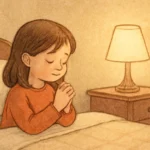
For many people, the moment just before sleep is an opportunity to reset the heart and quiet the mind. A short Bible verse can carry focused intention into the night, inviting peace, trust, and a sense of safety as the day closes. This article offers a thorough look at Bible verses for before bed, including classic verses, variations and paraphrases for different moods, and practical ideas for turning sacred words into a calm, restful routine.
bedtime verses act as a gentle transition from the busyness of the day to the stillness of night. They can help:
Reduce anxious thoughts by focusing attention on God’s protection and care.
Encourage gratitude for the day’s gifts and challenges alike.
Recenter trust in a higher presence, which can foster deeper sleep and rest.
Establish routine through repetition of comforting words that remind us we are not alone as we sleep.
Choosing verses with themes of safety, peace, and faith can be especially soothing at night. The goal is not to study or debate, but to invite a sense of calm, a moment of reflection, and a quiet heart ready for sleep.
Classic bedtime verses for peace
Below are some well-loved verses that people often turn to before bed. Each entry includes the verse itself (in a traditional rendering) and a brief reflection on how it can shape your night.
Psalm 4:8
Verse (KJV): «I will both lay me down in peace, and sleep: for thou, LORD, only makest me to dwell in safety.»
Reflection: This verse centers the idea that true rest comes from God’s protection. In the quiet darkness, repeating or meditating on this line can help you release worry and settle into a sense of safety that comes from a divine perspective rather than personal control.
Psalm 3:5
Verse (KJV): «I laid me down and slept; I awaked; for the LORD sustained me.»
Reflection: This verse emphasizes dependency on God through the night. It acknowledges vulnerability, yet confidently asserts God’s sustaining presence, which can be a comforting reminder when you feel small before the day’s end.
Proverbs 3:24
Verse (KJV): «When thou liest down, thou shalt not be afraid: yea, thou shalt lie down, and thy sleep shall be sweet.»
Reflection: A promise of fearless rest, suitable for nights when fear or worry tends to intrude. It invites a posture of calm surrender and sweetness in sleep, rooted in trust.
Psalm 127:2
Verse (KJV): «It is vain for you to rise up early, to sit up late, to eat the bread of sorrows: for so he giveth his beloved sleep.»
Reflection: This verse reframes productivity as less about perpetual striving and more about the blessing of sleep given by God to those he loves. It can help reframe the day’s efforts and rest as part of God’s good design.
Isaiah 26:3
Verse (KJV): «Thou wilt keep him in perfect peace, whose mind is stayed on thee: because he trusteth in thee.»
Reflection: A powerful reminder of inner peace when the mind is anchored in trust. Evening is a natural time to practice that mental turn toward God, allowing your thoughts to settle into a steady focus on divine care.
Psalm 46:10
Verse (KJV): «Be still, and know that I am God.»
Reflection: A concise injunction to stillness, inviting the soul to rest in the presence of God. In sleep’s approach, this can be a helpful centering phrase to release distractions and lean into divine sovereignty.
Psalm 91:5-6
Verse (KJV): «Thou shalt not be afraid for the terror by night; nor for the arrow that flieth by day; Nor for the pestilence that walketh in darkness; nor for the destruction that wasteth at noonday.»
Reflection: This passage reassures against common nighttime fears, offering a sense of protection that transcends the fear of the dark or unseen threats. It can be especially comforting for restless nights or troubling news before bed.
Psalm 23:3
Verse (KJV): «He restoreth my soul: he leadeth me in the paths of righteousness for his name’s sake.»
Reflection: While often read in times of encouragement, this verse also invites a nightly sense of restoration and guidance, framing sleep as part of a journey with God’s mercy and care leading onward to a refreshed morning.
Variations and paraphrases for nightly reflection
Not everyone responds to the exact wording of an ancient text in the same way. To build semantic breadth and keep your bedtime practice fresh, here are paraphrased or modern-language variants of the same verses. Each paraphrase aims to preserve core meaning while offering a different cadence or emphasis.
Psalm 4:8 — paraphrase 1
Paraphrase: «I can lie down in peace and sleep, because you, LORD, guard me and keep me safe through the night.»
Psalm 4:8 — paraphrase 2
Paraphrase: «With you as my protector, I rest easily and drift into sleep, knowing you hold all dangers at bay.»
Psalm 3:5 — paraphrase 1
Paraphrase: «I fall asleep and wake up because the LORD sustains me through the night.»
Proverbs 3:24 — paraphrase 1
Paraphrase: «As I lie down, fear is kept away; my sleep is sweet because I’ve trusted in God.»
Proverbs 3:24 — paraphrase 2
Paraphrase: «I sleep soundly, unafraid, because I rest under God’s care.»
Isaiah 26:3 — paraphrase 1
Paraphrase: «If my mind rests on you, you grant perfect peace and keep me steady as I trust in you.»
How to build a simple, effective bedtime verse routine
Creating a nightly routine around Bible verses doesn’t have to be complicated. Here is a simple, scalable approach you can adapt to your schedule, energy level, and spiritual practice. The aim is consistency, not perfection.
Choose 1–3 verses that resonate with you for the week. You might rotate among the classic choices or focus on a single verse each night.
Read or recite slowly at a comfortable pace. Allow the words to sink in rather than rushing to finish.
Reflect briefly on what the verse means for your night. You can ask questions such as: What am I anxious about? What am I grateful for? How does this verse shape my trust in God as I sleep?
Make a short prayer that ties the verse to your needs—gratitude, protection, or peace for others as well as yourself.
Close with a breath prayer: inhale slowly, exhale with a calming phrase like, “Be still, I trust you, Lord.”
Practical ideas for pairing verses with the bedtime environment
Verses can become more meaningful when paired with a conducive physical environment. The idea is to create a calm, intentional wind-down that supports restful sleep.
Lighting: Use soft, warm lighting or a night light to reduce visual stimulation as you read or reflect.
Sound: Play soft instrumental music, nature sounds, or a gentle spoken-word rendition of a verse during your reflection time.
Journal briefly after reading a verse to capture any lingering thoughts or prayers. A gratitude line or a one-sentence intention for sleep can be helpful.
Breathing: Pair a short breath pattern (for example, four-count inhale, six-count exhale) with your chosen verse to physically calm the nervous system.
Consistency: Try to practice at the same time each night—even on busy days—to reinforce the habit and create a reliable cue for sleep.
Designing a personalized bedtime script
To make the practice more personal, you can design a bedtime script that fits your needs, faith tradition, and weekly life. Here are two sample scripts you can adapt. Each script centers on a core feeling—peace or protection—and weaves in verses for reinforcement.
Read: Psalm 4:8. Then reflect on what would bring you peace tonight. If you’re anxious about tomorrow, repeat Psalm 46:10: “Be still, and know that I am God.” End with Psalm 23:3, inviting God to restore your soul as you sleep. Finish with a short prayer of surrender and gratitude.
Script B — Protection-focused bedtime routine
Read: Psalm 91:5-6 alongside Psalm 4:8. Reflect on God’s protection through day and night. Close with Isaiah 26:3, focusing on a mind stayed on God. Offer a quiet prayer for loved ones and the world as you drift toward sleep.
Testimonies and perspectives: why people return to bedtime verses
Across traditions and generations, many believers report that bedtime verses become a reliable anchor in moments of nighttime restlessness or spiritual fatigue. The recurring practice often yields several common benefits:
Predictability: A familiar ritual that signals sleep time and spiritual reset.
Emotional regulation: Recollection of God’s promises reduces reactivity to stressors and calms racing thoughts.
Spiritual continuity: Nightly reflections connect daily life with ongoing faith, reinforcing a worldview in which rest is part of worship and trust.
Gentle variations for different seasons of life
People may find that different verses resonate at different life stages. Here are suggestions for various seasons, with careful attention to language simplicity and depth:
Younger children: Use short lines and gentle language. For example, Psalm 4:8 can be recited in a sing-song cadence to help with memorization and comfort before sleep.
Busy parents: Focus on verses that acknowledge exhaustion and divine support, such as Psalm 23:3 and Psalm 3:5, to help reset after a long day.
Caregivers and elders: Verses like Isaiah 26:3 and Psalm 91:5-6 can provide a sense of steadiness and protection during times of concern for others.
During storms or crisis: Reassurance from Psalm 46:10 and Proverbs 3:24 can offer practical calm and resilience.
Below are answers to questions that people frequently ask when they begin a bedtime verse practice. If you have others, you may find they fit into these recurring themes as well.
How long should a bedtime verse practice last? Aiming for 5–15 minutes is a practical range. Some nights you may go longer; on other nights, you may simply read one verse and pray. The key is consistency more than duration.
What if I don’t understand the verse? Use paraphrase or reflection prompts. Consider what the verse reveals about God’s character, your posture before God, or how you can rest in trust tonight.
Is it better to use one translation? It’s helpful to start with a familiar, public-domain translation like the King James Version (KJV) for consistency. Over time you may add other translations if they help you connect more deeply with the text.
Can I include non-biblical comforting words? It’s okay to mix scripture with brief, personal prayers or affirmations, as long as the focus remains on God’s promises and presence.
Final thoughts: making bedtime verses a lasting practice
Integrating Bible verses into your nightly routine is less about a rigid formula and more about cultivating a gently persistent rhythm of trust, gratitude, and peace. The verses presented here are a starting point—real-life routines often evolve to include personal favorites, seasonal verses, or newly discovered lines that speak to your current season. The important elements are:
Intentionality: Decide to pause before sleep and invite peace or protection through Scripture.
Presence: Slow your breathing, quiet your mind, and invite God’s presence to fill the space you occupy as you rest.
Consistency: Try to practice at roughly the same time each night to build a dependable cue for your body and spirit to settle.
Reflection: Allow space for brief contemplation or journaling so the verse remains a living, dynamic part of your day.
As you experiment with these verses, you may notice your bedtime becoming less about counting sheep and more about counting blessings, requests, and memories of God’s faithfulness. Even in moments of difficulty, bedtimes can become a sacred pause—an opportunity to entrust your day to God, so you sleep with a peaceful heart and restful mind.
Whether you prefer the classic Word-for-word expressions of the King James Version or the clearer cadence of modern paraphrases, the core message remains the same: God’s promises accompany you into the night, and that presence can transform your sleep into a peaceful sanctuary. May your nights be calm, your heart be steady, and your rest be blessed as you turn to these verses before bed.

 Por Laura Jara