Bible Quotes Against Alcohol: Top Bible Verses for Sobriety and Spiritual Guidance
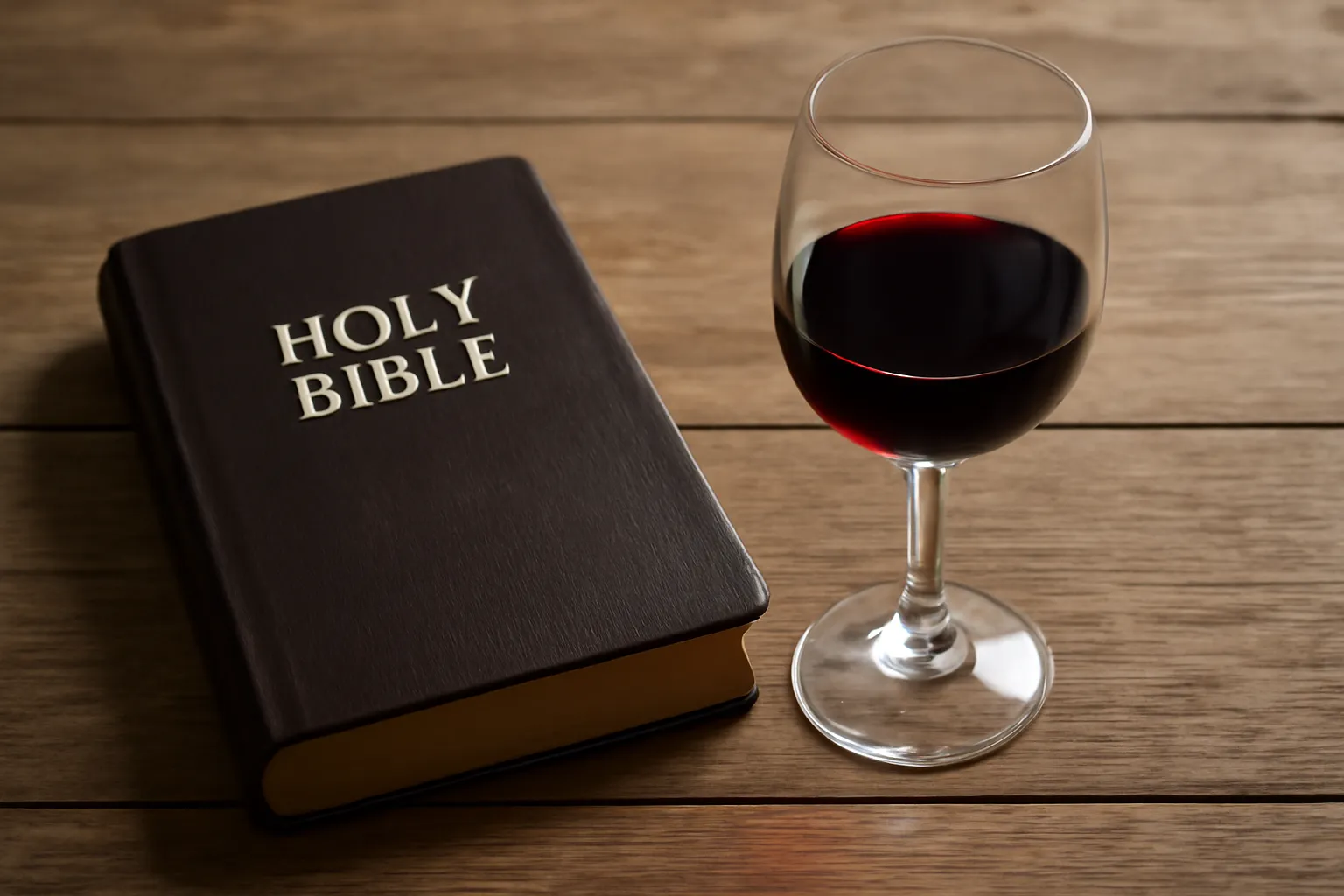
In the pages of the Bible, alcohol appears in a complex spectrum—from warnings about drunkenness to examples of hospitality and blessing in certain contexts. This article focuses on quotes against alcohol in the sense of urging sobriety, self-control, and spiritual focus. While some passages recognize wine as a cultural staple or a sign of blessing in certain moments, a strong and consistent thread runs through Scripture: drunkenness harms people, harms communities, and compromises spiritual clarity. Here you will find a curated collection of verses, arranged for quick reference, reflection, and practical application in daily life.
Understanding the Biblical Perspective on Alcohol
Many readers notice that the Bible does not uniformly condemn alcohol in every circumstance. Instead, it offers a nuanced view: moderation and responsibility are endorsed in some contexts, while excess, addiction, and loss of self-control are consistently warned against. The reason is not simply a prohibition of pleasure but the protection of discernment, integrity, and love for one’s neighbor. In this section, you’ll find verses that emphasize the dangers of intoxication, the virtue of sobriety, and the motive to live in a way that honors God, others, and the self that God redeemingly shaped.
Top Verses Against Alcohol and Drunkenness
The following verses are drawn primarily from the King James Version (KJV) for their classic phrasing and public-domain status. They are presented with brief commentary to illuminate how they have been understood in tradition, and how they can inform contemporary practice of self-control and spiritual focus.
Proverbs 20:1 — «Wine is a mocker, strong drink is raging: and whosoever is deceived thereby is not wise.» Commentary: This verse casts wine as a deceiver that can distort judgment and lead to foolish choices. It is a strong warning about being fooled by appetite and a prompt to seek wisdom rather than surrender to craving.
Ephesians 5:18 — «And be not drunk with wine, wherein is excess; but be filled with the Spirit.» Commentary: The contrast here invites believers to replace intoxication with the fullness of the Spirit, highlighting spiritual vitality and discipline over temporary pleasure.
1 Thessalonians 5:6-8 — «Therefore let us not sleep, as do others; but let us watch and be sober.» Commentary: The exhortation to watchfulness and sobriety is framed in the context of readiness for what God may do next, underscoring temperance as a posture of faith.
1 Peter 5:8 — «Be sober, be vigilant; because your adversary the devil, as a roaring lion, walketh about.» Commentary: Sobriety is linked to spiritual vigilance and resistance to temptation. This verse frames self-control as a protective discipline.
Proverbs 23:29-35 — «Who hath woe? who hath sorrow? who hath contentions? who hath babbling? who hath wounds without cause? … They that tarry long at the wine; they that seek mixed wine.» Commentary: These lines depict the social and personal consequences of prolonged drinking, warning against the destructive cycle of intoxication and its fallout on speech, behavior, and health.
Proverbs 31:4-5 — «It is not for kings, O Lemuel, it is not for kings to drink wine; nor for princes strong drink.» Commentary: The text discourages rulers from becoming entangled with alcohol, emphasizing that leadership requires restraint and clear judgment.
Romans 13:13 — «Let us behave decently, as in the day; not in reveling and drunkenness, not in chambering and wantonness, not in strife and envying.» Commentary: The exhortation places moral restraint and proper conduct at the center of communal life.
Galatians 5:19-21 — «Now the works of the flesh are manifest… drunkenness, revellings, and such like.» Commentary: Drunkenness is listed among the works of the flesh, signaling its incompatibility with the fruit of the Spirit and the kingdom of God.
1 Corinthians 6:10 — «Nor drunkards, nor revilers, nor extortioners, shall inherit the kingdom of God.» Commentary: This warning ties drunkenness to ultimate spiritual consequence, reinforcing sobriety as a matter of eternal significance.
1 Timothy 3:3 and Titus 1:7 — «Not given to wine» (Titus 1:7) and «Not given to wine» (1 Timothy 3:3) in the qualifications for church leadership. Commentary: These verses frame temperance as an essential characteristic for leaders, reinforcing that self-control translates into trusted stewardship.
Isaiah 5:11 — «Woe unto them that rise up early in the morning, that they may follow strong drink; that continue until night, till wine inflame them.» Commentary: The prophetic warning highlights the patterns of addiction and the way intoxication can consume waking hours and moral clarity.
1 Peter 4:7 — «But the end of all things is at hand: be ye therefore sober, and watch unto prayer.» Commentary: In light of ultimate realities, sobriety is connected to earnest prayer and spiritual readiness.
Be not drunk with wine— variations of this phrase appear in several New Testament statements about conduct. Commentary: The overarching pattern across these threads emphasizes temperance as a pastoral and personal virtue.
Across Scripture, wine is sometimes called a mocker or an intoxicant that can distort perception and lead to harm. The repeated warnings about deception emphasize that self-control protects judgment and relationships, especially within families and communities.
Call to sobriety and vigilance
Beyond individual behavior, the biblical call to sobriety is framed as a form of spiritual vigilance. It aligns with being alert to temptation, cultivating a clear conscience, and maintaining a heart oriented toward prayer, worship, and service.
How to Apply These Verses Today
Reading biblical verses about alcohol can inspire practical steps for everyday life. Here are several actionable approaches to living in sobriety and spiritual focus without neglecting compassion and community.
Pray for strength and guidance. Begin with petitions for self-control, discernment, and a heart that seeks to honor God above momentary craving.
Build accountability networks. Share goals with trusted friends or mentors who can offer encouragement, correction, and prayer.
Set boundaries. Establish personal limits or avoid triggers that lead to overindulgence; consider social settings, beverages, or environments that make sobriety more challenging.
Refocus with spiritual disciplines. Replace the time spent on drinking with Scripture study, meditation, worship, or volunteer service to reinforce a Spirit-led life.
Practice sobriety as a witness. Let your lifestyle illustrate healthy, responsible choices that reflect concern for neighbors, families, and communities.
Practical Reflections: Reading the Verses in Context
To gain depth, it helps to reflect on how cultural context, genre, and audience shape each verse. Poetry, wisdom literature, and letters use vivid imagery to convey lessons about temperance, moral integrity, and spiritual maturity. When applying the verses, consider these guiding questions:
What does this verse teach about self-control and personal responsibility?
How does sobriety contribute to loving God and loving neighbors in practical ways?
What steps can I take this week to honor the principles of sobriety without judgment or legalism?
Because translations differ in wording, some phrases may appear slightly different across versions. The core message remains consistent: drunkenness disrupts judgment and sobriety honors God. In studying these verses, you may explore parallel translations to see how key terms like drunkenness, wine, strong drink, and soberness are rendered, which can enrich personal study and devotional reading.
Conclusion: Embracing Sobriety as Spiritual Discipline
The Bible’s quotes against alcohol form a constellation that emphasizes self-mastery, responsible living, and readiness for godly purposes. They are not merely prohibitive statements but invitations to a deeper way of life where choices align with wisdom, love, and the Holy Spirit’s guidance. Whether you are seeking personal growth, guidance for a family, or wisdom for a church community, these verses offer a durable framework for understanding sobriety, fostering spiritual health, and cultivating a life that honors God and serves others.

 Por Laura Jara